
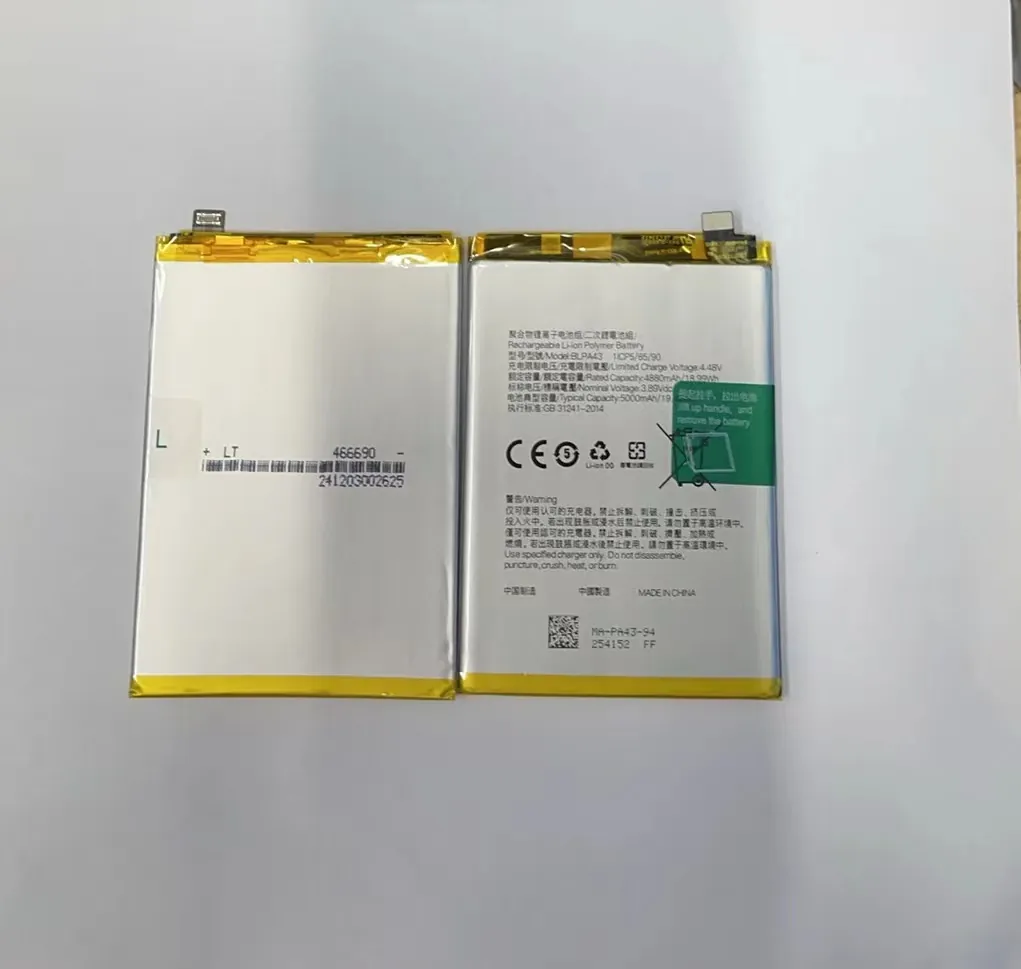
If you’re wondering whether T-Mobile sells phone batteries, you’re not alone. Many users face this question when their phone battery starts to wear out.
T-Mobile does not sell individual phone batteries directly, but it may offer battery replacement through official service partners or phone manufacturers. You can also buy external chargers or power banks from their stores.
If you can’t find a battery replacement through T-Mobile, there are other ways to replace or buy a new phone battery. Let’s look deeper into what phone batteries are and how to choose the right one.
What Is a Phone Battery?
A phone battery is the heart of your smartphone. Without it, your device cannot function at all.
A phone battery is a rechargeable energy source that powers your phone’s display, apps, and communication functions. Most smartphones use lithium-ion or lithium-polymer batteries today because they’re lightweight and hold a lot of energy.

Every smartphone you use runs on a battery designed for long life and consistent performance. But not all batteries are the same. The most common types are lithium-ion (Li-ion) and lithium-polymer (LiPo).
Lithium-Ion Batteries
Li-ion batteries are the standard in most modern phones. They are reliable, rechargeable, and efficient. These batteries have a high energy density, meaning they hold a large amount of charge relative to their size. They can also handle hundreds of charge cycles before showing signs of wear.
Lithium-Polymer Batteries
LiPo batteries, on the other hand, are more flexible in shape and lighter in weight. This makes them ideal for thin phone designs. Although both types work in similar ways, LiPo batteries can often handle more heat and are slightly safer in extreme conditions.
Key Components
A typical smartphone battery includes a positive electrode, negative electrode, separator, and electrolyte. Together, these components store and release electrical energy as needed.
| Battery Type | Pros | Cons |
|---|---|---|
| Lithium-Ion | High energy density, reliable | May overheat if damaged |
| Lithium-Polymer | Flexible shape, safer | Slightly higher cost |
Understanding these basics can help you appreciate why choosing the right type of battery matters when replacing or maintaining your phone.
What Is Its Value?
The cost of a phone battery might surprise you. It can vary depending on where and how you buy it.
A phone battery’s value depends on its brand, model compatibility, capacity, and quality level. Replacement prices usually range between $40 and $150, depending on the phone type.

Battery prices are influenced by several factors. Let’s explore what affects the value the most.
1. Phone Model
The first factor is the model of the phone. Premium brands like Apple or Samsung usually have higher battery replacement costs because of proprietary designs and testing requirements. A Samsung Galaxy S24 battery, for instance, costs more than one for an older model.
2. Battery Capacity
Battery capacity, measured in milliampere-hours (mAh), directly affects its value. The higher the mAh, the longer the battery can last. Phones with larger screens and faster processors often require higher-capacity batteries, which cost more to produce.
3. Quality and Origin
Batteries from OEM (Original Equipment Manufacturer) suppliers are usually more expensive but also more reliable. Third-party batteries are cheaper but can come with risks like overheating, short lifespan, or poor performance.
| Type | Price Range | Lifespan | Risk Level |
|---|---|---|---|
| OEM | $50–$150 | 2–3 years | Low |
| Third-party | $20–$60 | 1–2 years | Moderate to High |
4. Replacement Service
If you choose a professional replacement service, expect to pay for labor as well. Authorized repair centers may charge higher fees but ensure safety and warranty protection.
Knowing these details helps you make smarter choices about when and how to replace your phone battery.
How to Use or Choose It?
Choosing or using the right battery affects how long your phone lasts and how safe it is.
To choose a good battery, check for compatibility, quality, and warranty support. Avoid cheap imitations, as poor-quality batteries can damage your phone or even cause overheating.
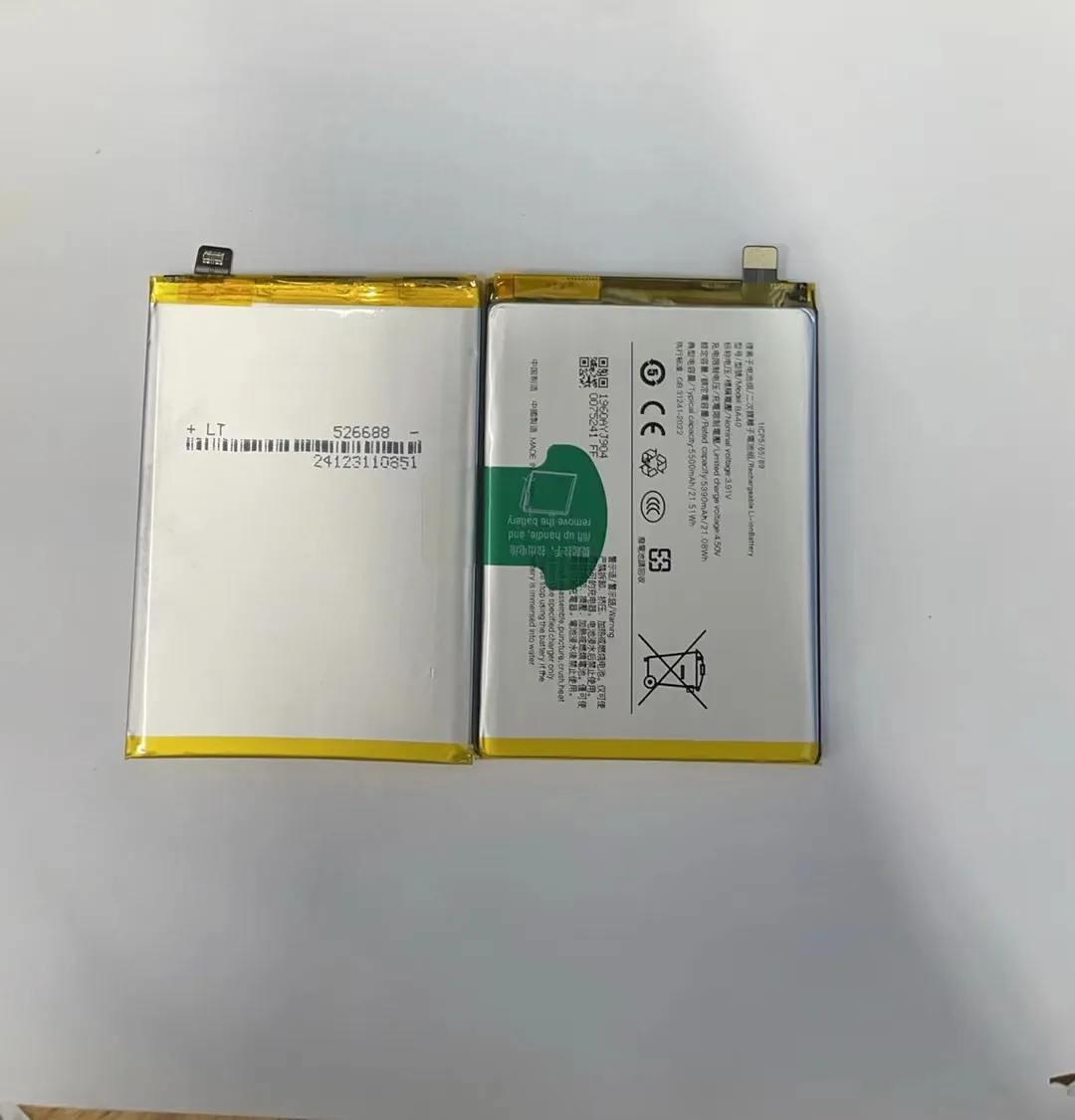
Selecting the right phone battery is not just about price—it’s also about performance and safety.
Compatibility
The battery must be compatible with your phone model. Every smartphone has a unique battery connector, size, and voltage. Always confirm with your phone manual or the manufacturer before buying.
Capacity and Usage
If you use your phone heavily for work, gaming, or video streaming, a higher mAh capacity is ideal. It ensures your phone can last through long hours without frequent charging.
Warranty and Safety
Good-quality batteries come with at least a 12-month warranty. This protects you if the battery fails early. Avoid using damaged or swollen batteries, as they can cause safety hazards.
Charging Habits
Proper usage extends your battery’s lifespan. Try to keep the charge between 20% and 80%. Avoid leaving your phone charging overnight, and keep it away from extreme temperatures.
Signs It’s Time for Replacement
If your phone battery drains quickly or your phone shuts off suddenly, it’s likely time to replace it. Many phones now show battery health percentage under settings, which helps you decide when to replace.
Choosing the right battery can feel technical, but with a little care, you can find the perfect match that ensures both safety and reliability.
What Are the Future Trends?
Battery technology never stops evolving. The coming years will bring exciting breakthroughs that change how we power our devices.
Future phone batteries will focus on longer life, faster charging, and sustainable materials. These advancements aim to make batteries safer, greener, and more efficient.
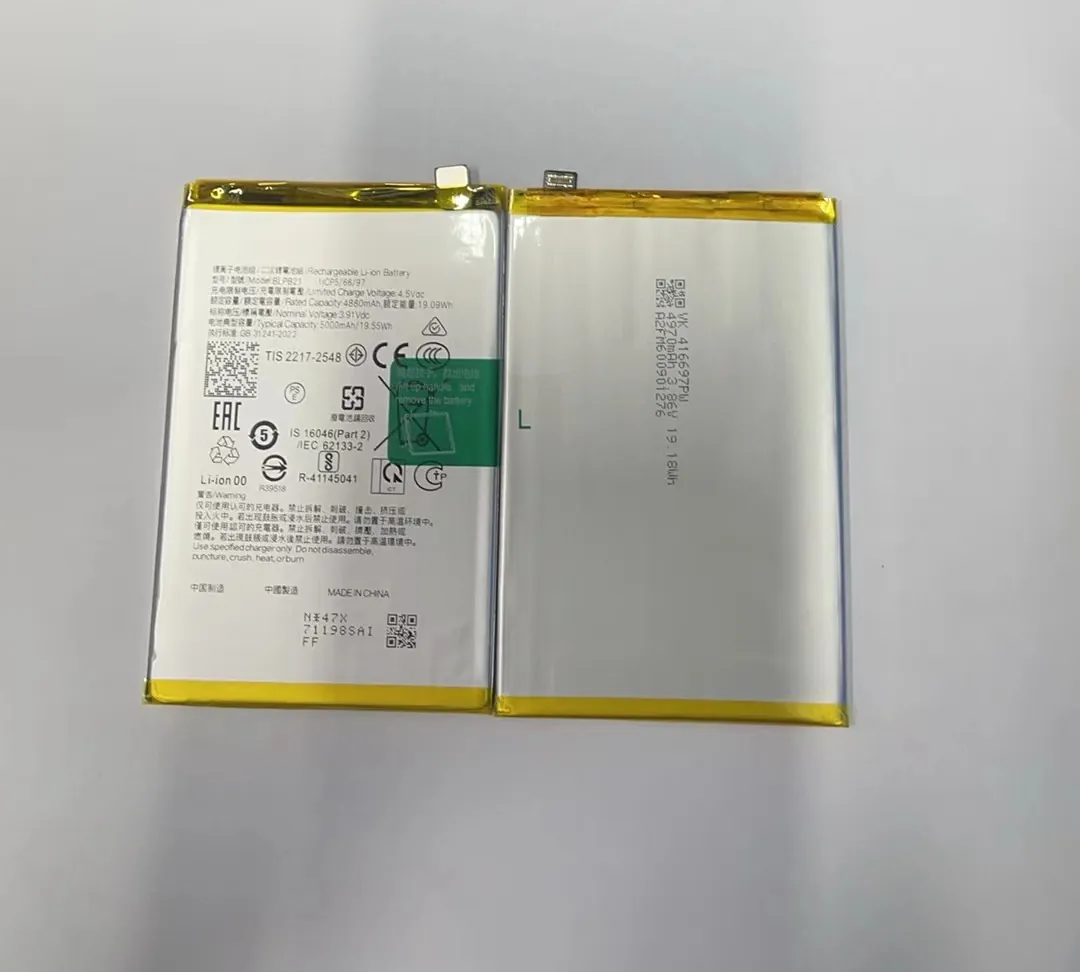
We are living in a time of rapid innovation in battery technology. Let’s explore what’s next for smartphone power.
Solid-State Batteries
One of the most exciting advancements is solid-state battery technology. These batteries replace liquid electrolytes with solid materials. They can store more energy, charge faster, and are much safer because they reduce the risk of leaks or explosions.
Graphene Batteries
Graphene is a lightweight and highly conductive material. Graphene-based batteries could charge in minutes instead of hours and last several days on a single charge. Companies like Samsung and Huawei are already experimenting with graphene cells.
Eco-Friendly Production
Future batteries will also focus on sustainability. Manufacturers are working to develop recyclable materials and reduce the use of rare earth metals. Some companies even aim to use organic materials that can decompose safely.
Wireless and Reverse Charging
Wireless charging is already common, but soon it may become fully integrated into environments—tables, cars, and even clothing. Reverse charging, where one phone can charge another wirelessly, will also improve in speed and efficiency.
Smarter Battery Management
Artificial intelligence will play a role in managing energy consumption. Phones will learn your habits and adjust performance automatically to save power.
The next decade will be a revolution for mobile batteries, blending innovation, sustainability, and intelligence into how we power our daily devices.
Conclusion
Phone batteries are more than just power sources—they’re the lifeline of modern technology. As users demand more efficiency and speed, the future will bring smarter, longer-lasting, and greener batteries that redefine how we stay connected.
