

Many phone users struggle when their batteries start draining too fast. Replacing the battery sounds easy, but finding the right one can be confusing.
You can buy mobile phone batteries from online wholesalers, phone repair parts suppliers, and trusted retail platforms that specialize in tested and high-quality replacement batteries.
In this article, I will share where to buy them, what they are, why they matter, how to choose or use them correctly, and what trends will shape their future.
What is it?
Many people think a phone battery is just a small power source, but it’s much more than that. It is the heart of your phone, and without it, nothing works.
A mobile phone battery is a rechargeable power cell that stores and delivers energy to your smartphone, allowing it to function anywhere, anytime.
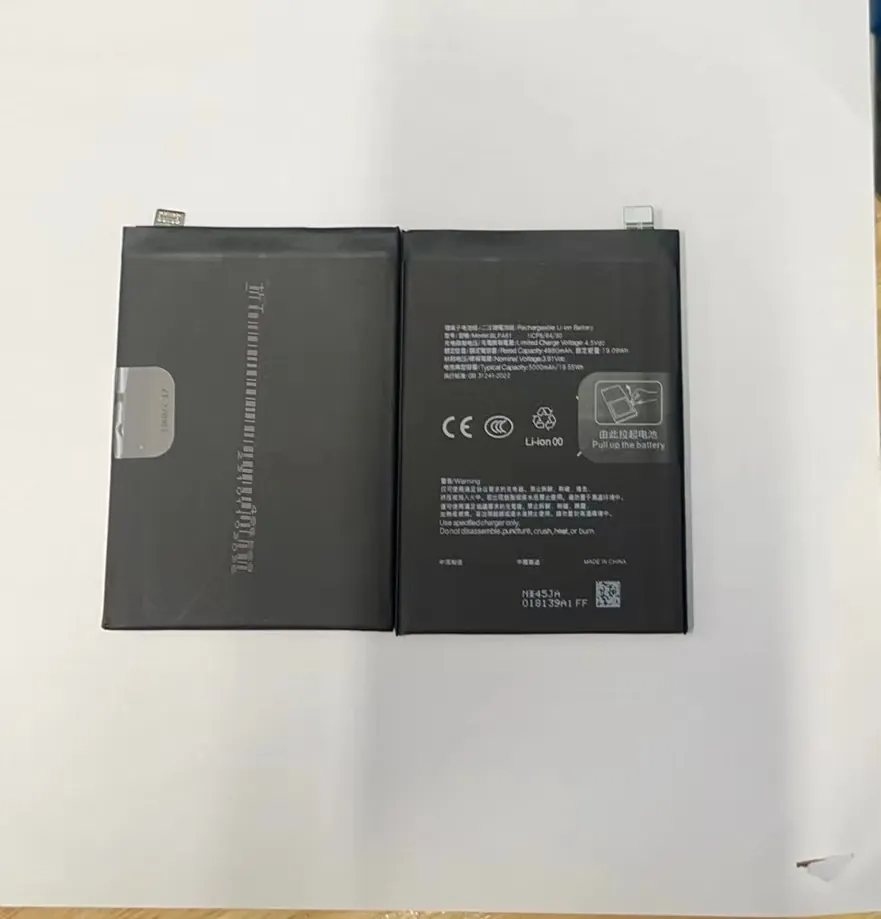
A mobile phone battery converts stored chemical energy into electrical energy. Most modern smartphones use lithium-ion (Li-ion) or lithium-polymer (Li-Po) batteries. They are designed to be lightweight, efficient, and capable of hundreds of charge cycles.
Types of Mobile Phone Batteries
| Battery Type | Features | Common Use |
|---|---|---|
| Lithium-ion (Li-ion) | High energy density, long life | Most smartphones |
| Lithium-polymer (Li-Po) | Flexible shape, lightweight | Flagship phones and tablets |
| Nickel-Metal Hydride (NiMH) | Older tech, low cost | Basic phones |
Why Understanding Battery Type Matters
When I first started sourcing batteries, I noticed that customers often didn’t realize how the type affects performance. Li-ion batteries usually last longer and charge faster, but Li-Po models provide safer, more stable energy flow. Knowing these differences helps avoid compatibility issues and performance drops.
Choosing the right type means your device runs longer, heats less, and performs better. This is why professional repair companies and distributors pay close attention to the technical specifications of each battery model before bulk purchasing.
What is its value?
Most people replace batteries only when they fail. But for wholesalers and repair companies, the value of phone batteries goes far beyond daily use.
The value of a mobile phone battery lies in its ability to extend a device’s life, reduce e-waste, and provide profitable business opportunities for suppliers and repair services.
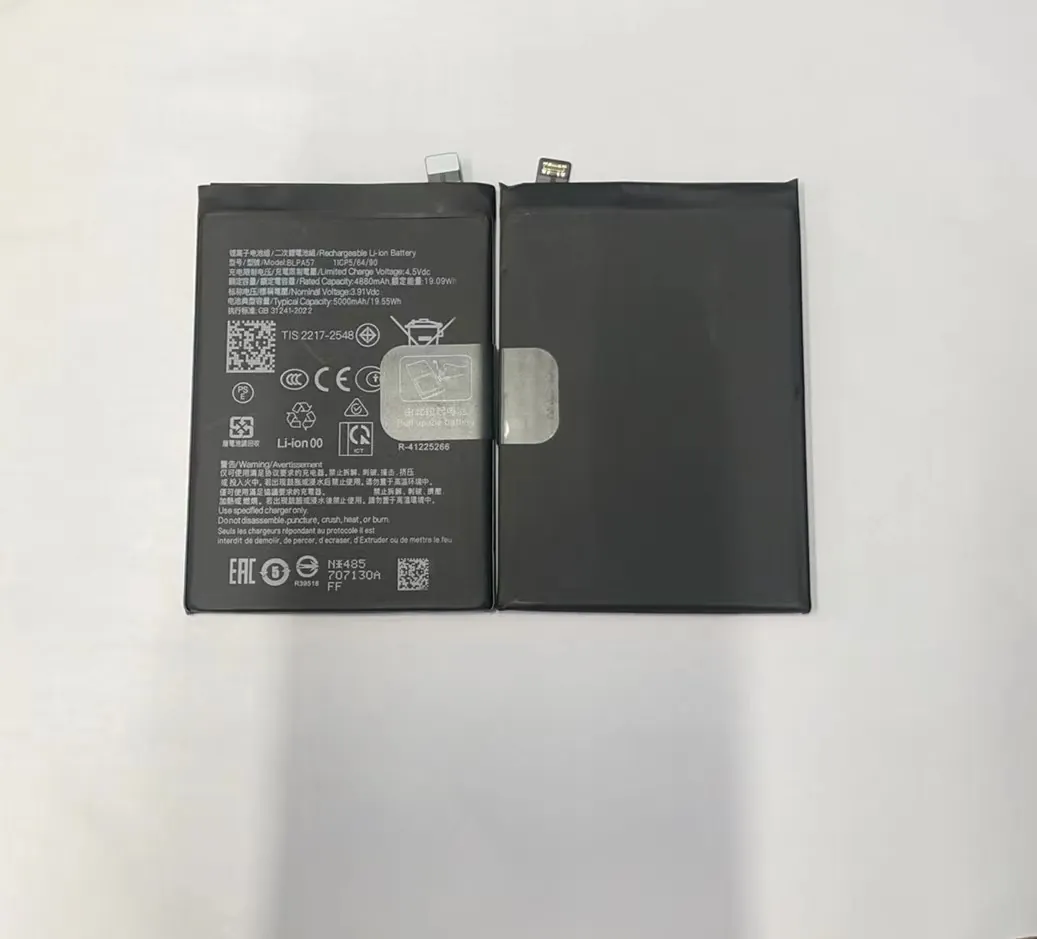
A good-quality battery can make an old phone feel new again. It saves users from buying expensive new devices, which is not only cost-effective but also environmentally friendly.
Economic and Environmental Value
| Value Aspect | Description |
|---|---|
| Economic | Lower replacement cost, high resale value for refurbished phones |
| Environmental | Reduces electronic waste and supports sustainability |
| Business | High-margin product for wholesalers and repair stores |
Why Battery Quality Equals Business Value
In my own experience, when we sell batteries that last longer and perform well, customers return with trust. They also recommend us to others. This kind of loyalty builds a sustainable business.
For companies in the repair industry, batteries are not just spare parts—they are recurring income sources. Every replacement means another opportunity for service, customer retention, and positive reviews.
Good suppliers also provide warranties and testing reports, which build long-term credibility. This is why choosing verified suppliers matters as much as the product itself.
How to use or choose it?
People often buy batteries online without checking compatibility or safety, and that can lead to problems like overheating or poor charging.
To use or choose the right mobile phone battery, check the model compatibility, supplier reputation, safety certifications, and always test the battery before installation.

Choosing and using batteries correctly helps both performance and safety. Let’s look at the main steps I follow when recommending or selecting batteries for my clients.
Step 1: Confirm Compatibility
Always match the battery model number with the original one. Using the wrong model can damage your phone’s motherboard or reduce battery life. For example, iPhone 11 batteries cannot replace iPhone XR ones, even if they look similar.
Step 2: Check Certifications
Quality batteries usually have certifications like CE, RoHS, or UN38.3. These marks show that the product meets international safety and performance standards.
Step 3: Choose Tested Batteries
Suppliers who test every unit before shipping provide more stable performance. A fully tested battery lowers the risk of swelling, short-circuiting, or rapid degradation.
Step 4: Proper Usage Habits
To get the best lifespan:
- Keep the charge between 20% and 80%.
- Avoid overcharging overnight.
- Keep your phone away from high heat.
- Use original or certified chargers.
Common Mistakes to Avoid
| Mistake | Result |
|---|---|
| Using unverified suppliers | Risk of fake or unsafe products |
| Ignoring battery voltage | Can damage the phone circuit |
| No pre-installation testing | May lead to defective replacements |
| Overcharging regularly | Shortens battery lifespan |
When I started in this industry, I saw how a small difference in testing or charging habits could affect performance. Many customers returned with complaints about battery swelling. After switching to suppliers who test three times before shipping, our after-sales issues dropped by over 90%. It proved that quality testing truly pays off.
Where can I buy mobile phone batteries?
This is one of the most common questions I hear from phone repair businesses and distributors worldwide.
You can buy mobile phone batteries from certified wholesale suppliers, specialized repair part websites, or trusted e-commerce platforms that offer quality assurance and warranty support.
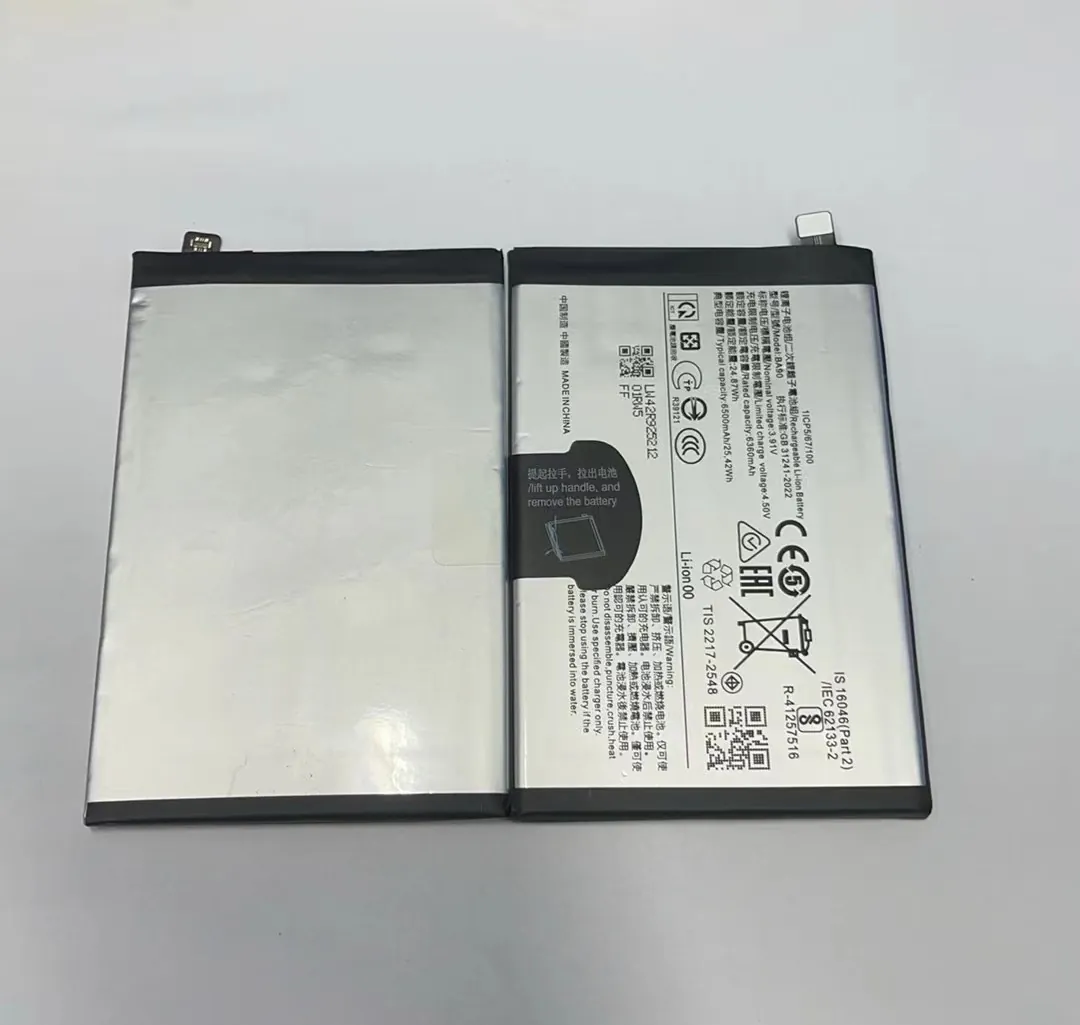
Buying batteries from random sources is risky. Prices might look cheap, but quality issues can cost you more later. Let’s explore the main options and what to look for in each.
1. Wholesale Suppliers
These suppliers focus on bulk orders for repair shops and distributors. They often provide:
- Multiple quality grades (OEM, high copy, original pulled)
- Batch testing reports
- One-year warranties
- Custom packaging options
Working with a professional supplier helps you maintain a consistent supply chain. For example, suppliers in Shenzhen’s Huaqiangbei area often offer full model coverage and stable stock, which helps meet large order demands.
2. Online Marketplaces
Websites like Alibaba, Made-in-China, and Global Sources connect you directly with manufacturers. However, quality varies, so always:
- Request test reports
- Check supplier reviews
- Ask for samples before bulk purchase
3. Local Distributors
If you need fast delivery, local distributors in Europe or America can be a good choice. Their prices may be higher, but shipping and after-sales support are faster.
4. Direct Factory Purchase
Some buyers prefer dealing directly with manufacturers. This allows for:
- Lower unit cost
- Custom branding
- More control over quality standards
But it also requires experience in communication, import rules, and quality inspection.
Comparison Table
| Buying Channel | Pros | Cons |
|---|---|---|
| Wholesale Supplier | Quality control, warranty, full range | MOQ may apply |
| Online Marketplace | Many options, competitive price | Risk of fake products |
| Local Distributor | Fast delivery, easy returns | Higher cost |
| Factory Purchase | Custom options, low cost | Requires bulk orders |
From my experience, the best strategy is to combine sources: use trusted wholesalers for stable supply and factories for long-term OEM projects. That way, I balance cost, speed, and quality.
What are the future trends?
The phone battery industry is changing fast with technology and environmental demands.
Future trends in mobile phone batteries include longer lifespan, faster charging, higher safety, and sustainable materials that reduce environmental impact.
Battery technology will continue to evolve as users demand more power and shorter charging times. Let’s look at the trends shaping the future.
1. Longer Battery Life and Smart Management
Manufacturers are developing batteries that can last 2–3 days per charge. AI-based battery management systems are already being tested to adjust energy use based on user behavior.
2. Fast and Wireless Charging
5-minute fast charging will soon become common. Wireless charging pads will also improve efficiency, reducing the need for physical ports.
3. Solid-State Batteries
This new technology replaces liquid electrolytes with solid ones, making batteries safer, smaller, and capable of holding more energy. Though still expensive, they are expected to enter the market within a few years.
4. Eco-Friendly Materials
Recyclable materials and eco-certifications will become key for manufacturers. Companies that use greener materials will have a competitive advantage in Europe, where environmental rules are strict.
5. Customization and Branding
Wholesalers and repair companies increasingly request private-label batteries. It allows them to build brand loyalty while offering quality assurance. Custom packaging and labeling are now part of standard service from professional suppliers.
Final Outlook
I believe the future will favor those who combine quality with sustainability. Whether you are a retailer, distributor, or repair shop, staying updated with these trends will help your business stay competitive. Investing in reliable suppliers, eco-compliant products, and tested batteries is not just smart — it’s essential for long-term growth.
Conclusion
Mobile phone batteries are more than power sources; they are the foundation of every device’s life cycle. By understanding what they are, where to buy them, and how to choose them wisely, anyone in the repair or distribution field can build a strong, profitable, and sustainable business.
