
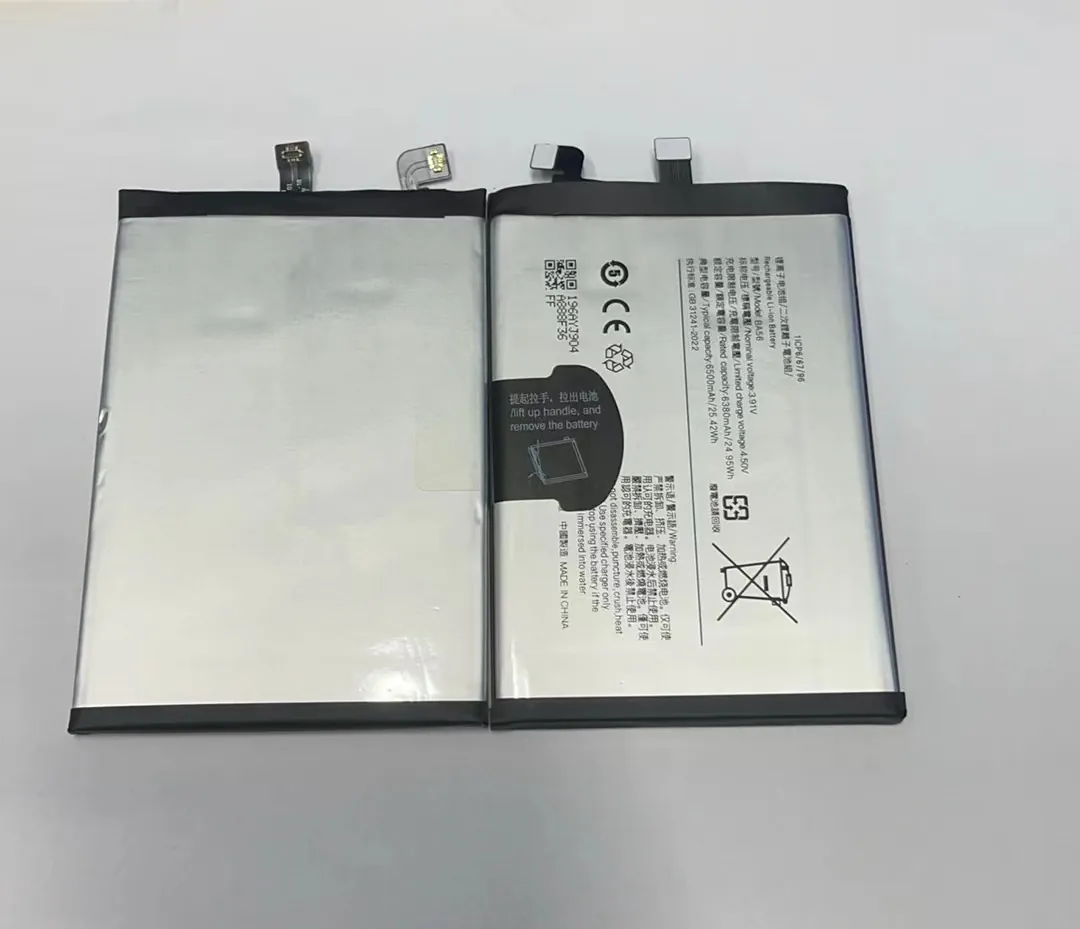
I once struggled to find reliable mobile phone batteries in Sydney and felt frustrated by inconsistent quality and slow delivery.
You can source high-quality mobile phone batteries in Sydney by working with specialist wholesalers and parts distributors who cater to repair and refurbishment businesses.
In the following sections I’ll walk you through what a mobile phone battery is, why it matters in your business, how to choose and use them, and what future trends you should know.
What is it?
Imagine the heart of a smartphone slowly losing strength — that’s what a battery issue feels like for a device.
A mobile phone battery is a rechargeable cell (typically lithium-ion) which powers the phone; it stores energy and delivers it to all the components of the handset.
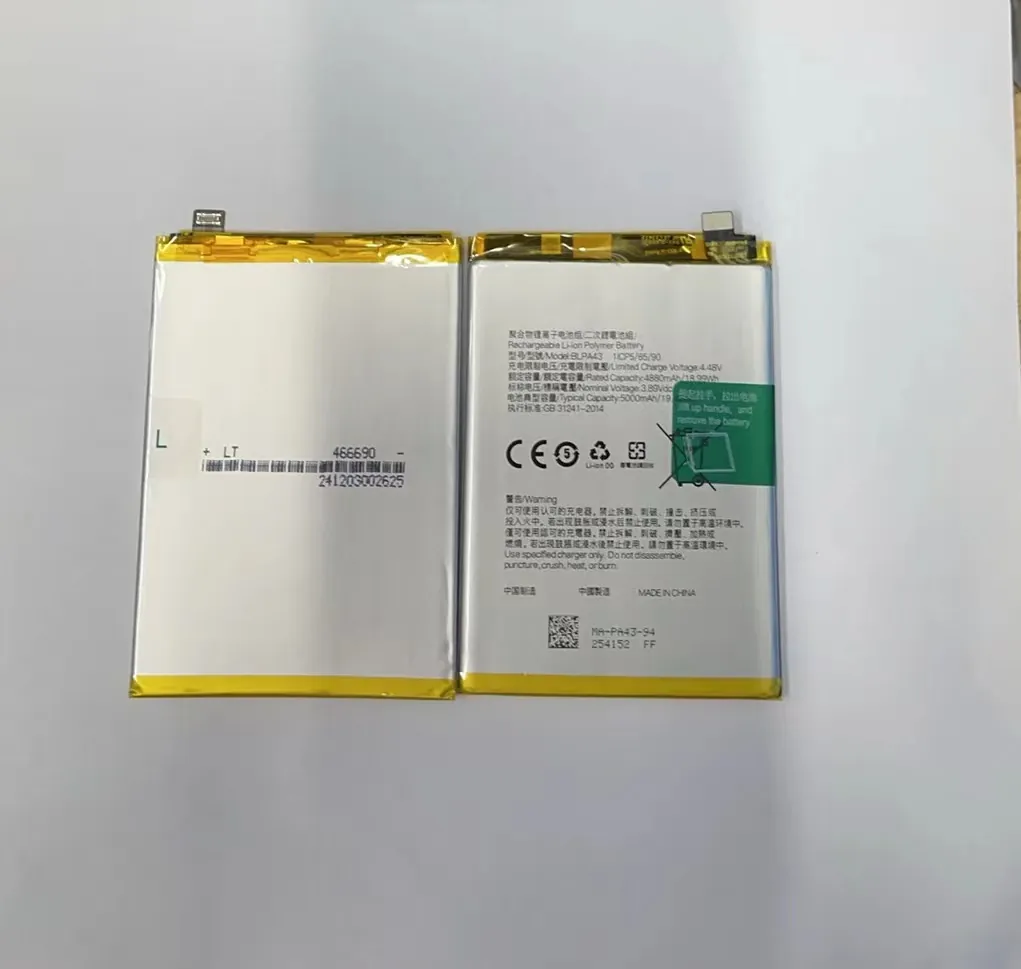
When I talk about “mobile phone batteries” I refer to the internal batteries used by smartphones from brands like Apple, Samsung, Xiaomi, etc. These batteries are typically lithium-ion (Li-ion) or lithium-polymer (Li-Po) types because of their high energy density, lighter weight, and rechargeability. The reason they’re so important is that without a properly functioning battery, the phone may fail to power on, may shut off unexpectedly, or may not hold charge — which is a major pain point for customers and repair shops.
From a wholesale perspective, you buy these batteries in bulk — often in quantities suitable for repair shops or refurbishers. The warehouse will stock many models: for example, different battery models for iPhones, various Samsung Galaxy models, older models that still have demand, and replacement batteries for many lesser-known brands too. A distributor in Sydney might supply the full range of phone replacement parts (screens, tools, batteries) and may offer trade accounts, bulk pricing, and faster delivery.
In summary: the battery is the core power component of a mobile device; as a wholesale buyer you treat it as a consumable component that must meet quality, compatibility, and safety standards. Knowing exactly which model fits which phone, checking its capacity and condition, and verifying compatibility are all part of your job.
What is its value?
I realised the true value of good batteries when I replaced a cheap one and later had returns because of swelling or poor performance.
High-quality mobile phone batteries add value through reliability, longer life, fewer returns, better repair customer reputation, and higher margins for you as a wholesaler.
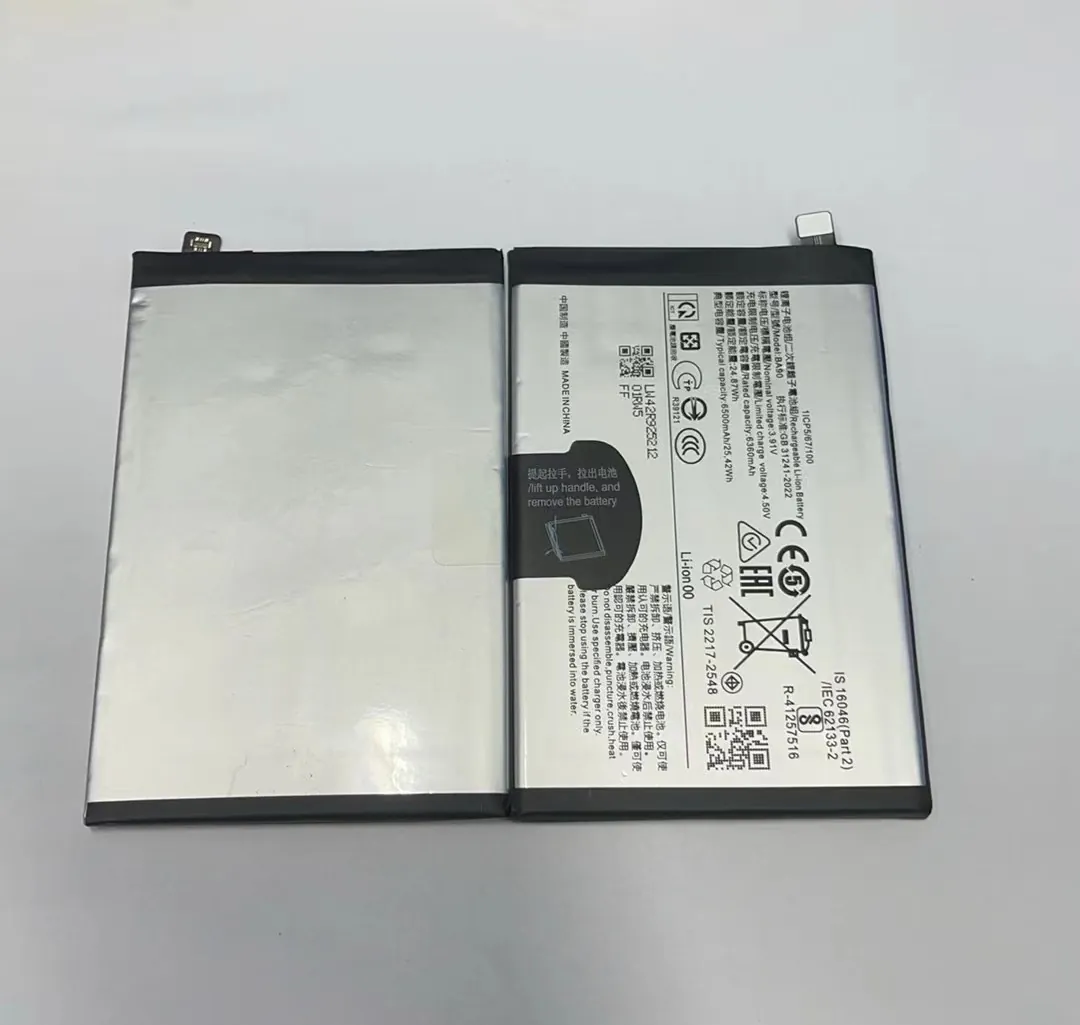
Let’s break down why batteries have value for your business:
Reliability & Brand Reputation
If you supply a repair shop or refurbishment business, they rely on your batteries to perform. If the battery fails, the repair ends up costing them time and money, and they may blame the supplier. So offering tested, high-quality batteries (rather than cheap imitations) builds trust.
Reduced Returns & After-Sales Cost
Cheap batteries often lead to swelling, short lifespan, or capacity drop. That means returns, wasted shipping, and unhappy customers. On the flip side, quality batteries cut down your after-sales headaches.
Compatibility & Stock Depth
As a wholesaler in Sydney, your value also lies in having broad stock: various phone brands, models, accessories, and even tools for installation. If you can meet immediate demand (for example same-day pick up or next-day dispatch in Sydney), you’re more valuable.
Margin Opportunity
Batteries may have decent margin if you buy well (bulk, trade pricing) and sell at competitive rates while emphasising quality. Also if you offer services like testing, warranty or custom branding/packaging, you differentiate yourself.
Value to End Repairers
Your customers (repair shops, refurbishers) want to minimise downtime and maximise turnaround. So for them a battery that “just works” without delay is worth more than the cheapest possible option. Your ability to supply fast and reliably becomes part of the value proposition.
Table – Value Drivers
| Value Driver | Why It Matters |
|---|---|
| Quality & reliability | Fewer failures, better customer satisfaction |
| Stock availability | Quicker turnaround, ability to meet demand |
| Model variety | Ability to supply many phone types/brands |
| Warranty/support | Reduces risk for your buyer, enhances trust |
| Pricing & margin | Enables profitable business for both you and buyer |
| Service & logistics | Fast delivery in Sydney / NSW adds competitive edge |
Example Scenario
Suppose you supply a Sydney‐based repair shop that fixes 50 phones/week. If you have the correct batteries in stock and can deliver next-day, the repair shop avoids losing business because of wait time. That gives you a competitive edge and they’ll rely on you. The more reliable you are, the more volume you may get, which can reduce your per-unit cost.
In short: batteries are not just components—they’re strategic supply items in mobile repair supply chains. Their value is both technical (functionality) and business-oriented (reliability, speed, trust).
How to use or choose it?
When I first sourced batteries I made mistakes by choosing only based on price and regretted it later.
Choosing the right mobile phone battery means checking model compatibility, chemistry, capacity, brand/trust, warranty and supplier availability—then using it properly with correct installation and care.
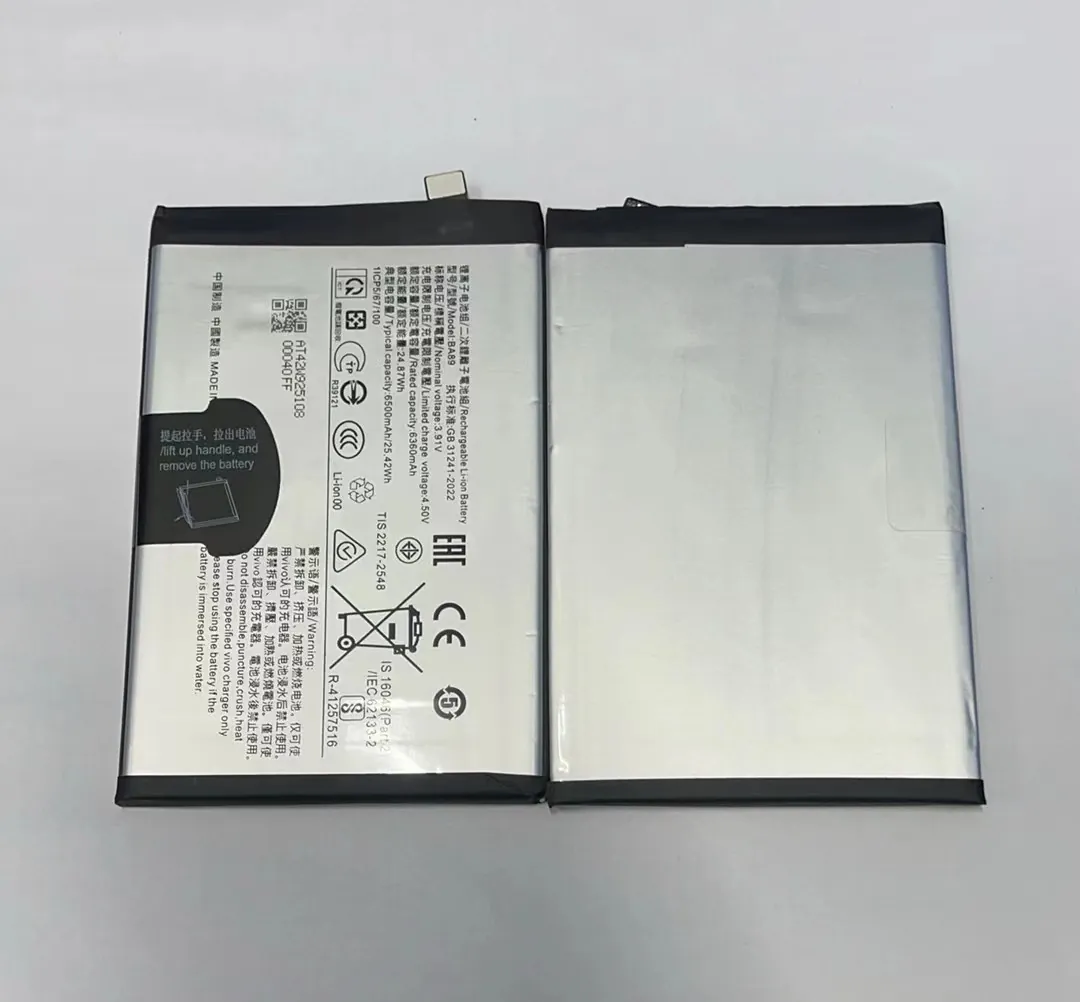
I’ll walk you through decision criteria and usage best practices.
Choosing Criteria
When you’re selecting batteries for wholesale, here are key factors:
-
Model compatibility
- Ensure the battery matches the exact phone model (e.g., iPhone 14 vs 14 Plus differ; Samsung Galaxy S22 vs S22+ differ).
- Check part numbers, physical dimensions, connector shape, voltage, and WH rating.
-
Chemistry & specification
- Understand the battery chemistry: most are Li-ion or Li-Po. Quality cells matter.
- Check capacity (mAh), rated voltage. A lower quality battery might claim capacity but deliver less.
-
Supplier reputation & testing
- Work with suppliers who test their batteries (cycle tests, capacity tests).
- Request sample reports, warranty terms.
-
Warranty & after-sales support
- Even in bulk business, warranty matters: if a batch fails, you may incur costs.
- A supplier who allows returns or replacements adds value.
-
Packaging & storage
- Batteries should be packaged safely (for transport, especially under lithium transport rules).
- Storage conditions matter (cool, dry, away from direct heat).
-
Logistics & stock depth
- In Sydney, being able to dispatch quickly matters.
- Keep inventory of common models, trending models, refurbishment models.
Usage/Installation Best Practices
Once the battery is selected, proper usage by the repair shop (or by you if you also install) matters:
- Use anti-static precautions, proper tools.
- Avoid damaging the battery during removal/installation (puncture risk).
- Ensure the phone’s software is updated; reset battery calibration as needed.
- Advise customers to charge correctly: avoid extreme heat/cold, avoid allowing battery to go to zero often, avoid using overly cheap chargers.
- Recycle old batteries properly (safety, environmental compliance).
- Store spare batteries in a cool, safe place, and rotate stock so old inventory doesn’t degrade.
Table – Checklist for Buying & Installing Batteries
| Checklist Item | Action to Take |
|---|---|
| Compatibility confirmation | Match model, part-number, physical and electrical specs |
| Supplier credibility | Ask for certifications, warranty, sample batch test |
| Stock & delivery capability | Check delivery time to Sydney repair shops |
| Packaging & safety | Ensure compliance with lithium battery transport rules |
| Usage instructions | Provide guidance to repairers/end-users on proper use |
| Inventory management | Use FIFO, monitor shelf-life, avoid expired stock |
My Personal Tip
When I first started supplying, I kept a small “common models” shelf with my top 20-30 phone batteries that sold fastest. Then I monitored “what’s next” — new phone releases, what repair shops were asking for. That kept me ahead of demand, avoided “I can’t get that part” excuses, and improved my sales consistency.
In summary: choose with care, stock wisely, install properly, and support your customers. That gives you a strong business foundation.
What are the future trends?
I asked myself “what’s coming next in phone batteries?” and realised the landscape is shifting fast.
Future trends include higher energy-density batteries, more integrated repair-friendly designs, sustainable recycling, and supply chain digitisation for mobile phone batteries in the repair/refurbish market.

Let’s unpack what I see happening and how that affects your wholesale business.
Higher energy-density and new chemistries
Smartphones continue to push for thinner phones, longer battery life, faster charging. That means batteries with higher energy density (more mAh per gram) or new chemistries (for example silicon-based anodes, solid state batteries) may become standard. While for now the repair market is mostly standard Li-ion, as new phones adopt newer battery types the sourcing becomes more complex. You’ll need to track which models shift chemistry.
More integrated and sealed designs
Phone manufacturers increasingly glue batteries in, use fewer accessible screws, or integrate battery modules with the phone’s logic board. This has two implications:
- Repair shops may face more difficulty replacing batteries, reducing volume of simple battery swaps, hence reducing demand for those parts.
- On the other side, there is opportunity: shops or wholesalers that specialise in newer models and can supply compatible modules/tools may capture higher margin.
Sustainability, recycling & certifications
There is increasing regulatory pressure (and consumer interest) around battery recycling, safe disposal, and supply-chain transparency (source of materials, conflict minerals, etc). For your wholesale business: stocking batteries that come with certifications (safety, transport, disposal) may be a differentiator. Also offering a “trade-in old battery” or recycling service may be appealing.
Supply chain digitisation & traceability
Wholesale businesses are investing in inventory software, digital ordering, and real-time stock feeds. As a wholesaler you’ll want to be able to offer repair shops dashboards, fast quote turnaround, and integration with their ordering systems. The more you streamline ordering, the more likely you build defense against new entrants.
Refurbishment & second-life market growth
As phones last longer and refurbishing becomes common, the battery supply market will evolve: not only new replacement batteries but also “reused/re-certified” batteries or battery modules from phones being refurbished. There’s business opportunity: you might offer both new replacement batteries and certified used modules (with warranty). The trend also pushes you to keep up with older/non-flagship models.
Table – Future Trends & Business Impacts
| Trend | Business Impact |
|---|---|
| Higher energy density/new chemistries | Need to monitor new models, update stock accordingly |
| More integrated/an-accessible battery design | Move toward more advanced modules and tools |
| Sustainability & recycling | Offer certified batteries & recycling partnerships |
| Digital ordering/real-time stock | Implement better ordering system, faster quotes |
| Refurbishment & second-life market | Consider stocking used/recertified batteries, broaden offerings |
Strategic Suggestions
- Stay informed: Follow phone manufacturer releases; note battery specs, chemistry changes, repairability rating.
- Diversify stock: Don’t just focus on the latest high-end phones; include mid-range and older models that repair shops still service.
- Offer value-added services: For example custom packaging, branding, bulk-account pricing, dashboards for clients.
- Promote safety & compliance: advertise that your batteries meet standards, offer disposal/recycling.
- Build supply chain resilience: Ensure you have reliable suppliers, avoid being stuck when a model becomes suddenly in demand (e.g., new release).
In essence: the mobile phone battery wholesale market is evolving, and your angle as a wholesaler is to anticipate the changes and adapt—inventory, service model, logistics, and sustainability will matter more.
Conclusion
The mobile phone battery business offers strong value if you approach it with quality, stock depth, and service in mind. By choosing the right batteries, servicing repair-shops effectively, and staying ahead of future trends, you can build a reliable wholesale business in Sydney and beyond.
