
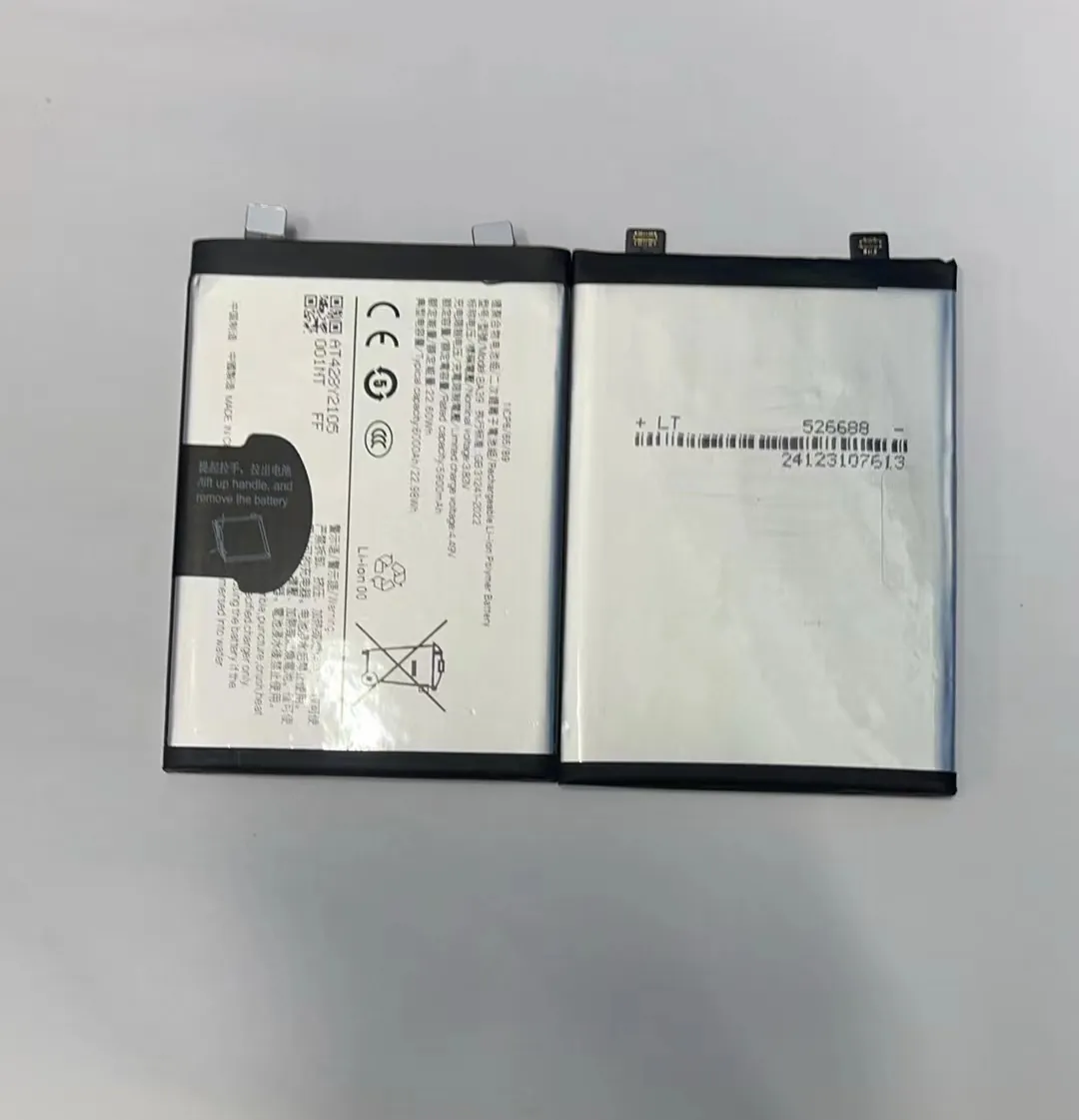
Many people face frustration when their phone charger breaks or charges too slowly. It often happens at the worst time—when the battery is low and there’s no replacement nearby.
You can buy reliable mobile phone battery chargers from online wholesalers, repair parts suppliers, and trusted electronic marketplaces that focus on tested, high-quality accessories.
Choosing the right place to buy matters because low-quality chargers can damage phones, waste money, and even pose safety risks. Let’s look deeper into what these chargers are, their value, how to choose them, and what the future holds.
What is it?
When people talk about mobile phone battery chargers, they usually mean the small device that converts electrical energy to recharge a phone’s battery. It sounds simple, but it’s a complex mix of safety, compatibility, and efficiency.
A mobile phone battery charger is a power device that transfers energy from a power source to a mobile phone battery, allowing it to recharge safely and efficiently.

A good charger includes several parts: a power adapter, a cable, and smart control chips. These parts manage voltage and current to protect the phone’s battery. Without these, phones could overheat or even fail.
Different Types of Mobile Phone Chargers
| Type | Description | Common Use |
|---|---|---|
| Wired Charger | Connects via USB cable | Everyday use |
| Wireless Charger | Uses electromagnetic induction | Modern smartphones |
| Fast Charger | Provides higher voltage and current | Quick charging |
| Portable Power Bank | External battery with USB output | Travel or emergency |
| Multi-Port Charger | Charges multiple devices at once | Offices or families |
Modern chargers use USB-C, which supports faster and safer charging. Many also include built-in chips that communicate with the phone to adjust the power flow. This makes the charging process more efficient and safer.
Chargers are designed differently for Android and iPhone models. Though most use the same USB-C standard now, always check compatibility before buying. The wrong type can shorten your battery life or damage the charging port.
What is its value?
It’s easy to overlook the value of a mobile phone charger. Many people think it’s just a small accessory, but it plays a big role in keeping phones working properly every day.
The value of a mobile phone charger lies in its ability to provide safe, efficient, and consistent power that protects the battery’s health and extends its lifespan.
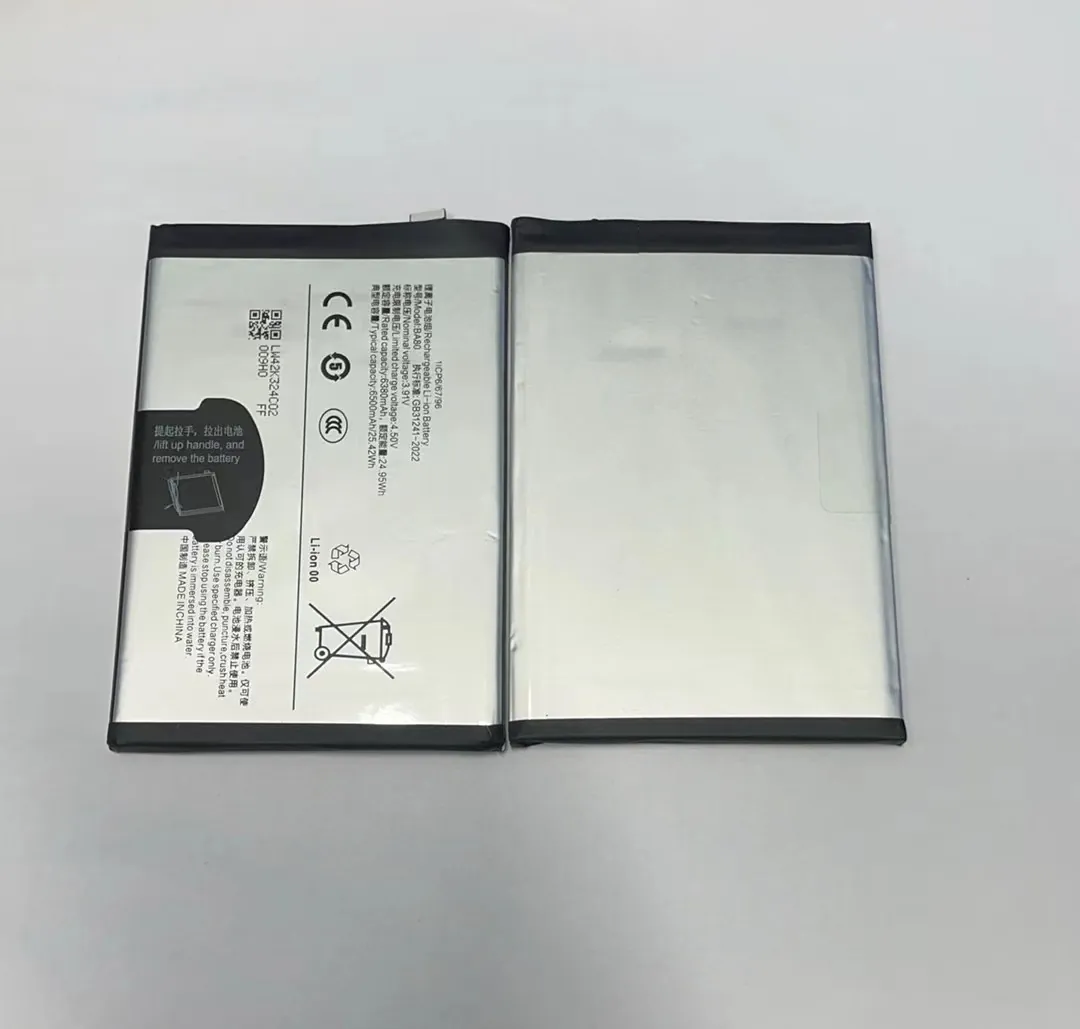
A poor-quality charger might seem cheaper, but it often costs more in the long run. It can damage the phone’s internal circuit or cause slow charging. A good charger not only saves time but also ensures user safety.
Why Quality Matters
| Feature | Low-Quality Charger | High-Quality Charger |
|---|---|---|
| Voltage Stability | Unstable | Stable |
| Charging Speed | Slow | Fast |
| Heat Control | Poor | Excellent |
| Battery Protection | Lacks safety | Smart chip protection |
| Lifespan | Short | Long |
When I first started sourcing chargers for business use, I discovered that many low-cost models failed testing within weeks. High-quality chargers passed repeated inspections and had fewer customer complaints. Over time, it became clear that investing in tested products provided better long-term value.
A good charger is also energy-efficient. Many certified chargers meet energy-saving standards, which means they consume less electricity and waste less heat. This saves energy costs and helps the environment.
How to use or choose it?
Many people simply plug in a charger and hope it works. But understanding how to use and choose the right one can make a big difference in battery life and safety.
To use or choose the right charger, match it with your phone’s voltage and current rating, check certification marks, and select trusted suppliers offering tested, safe products.
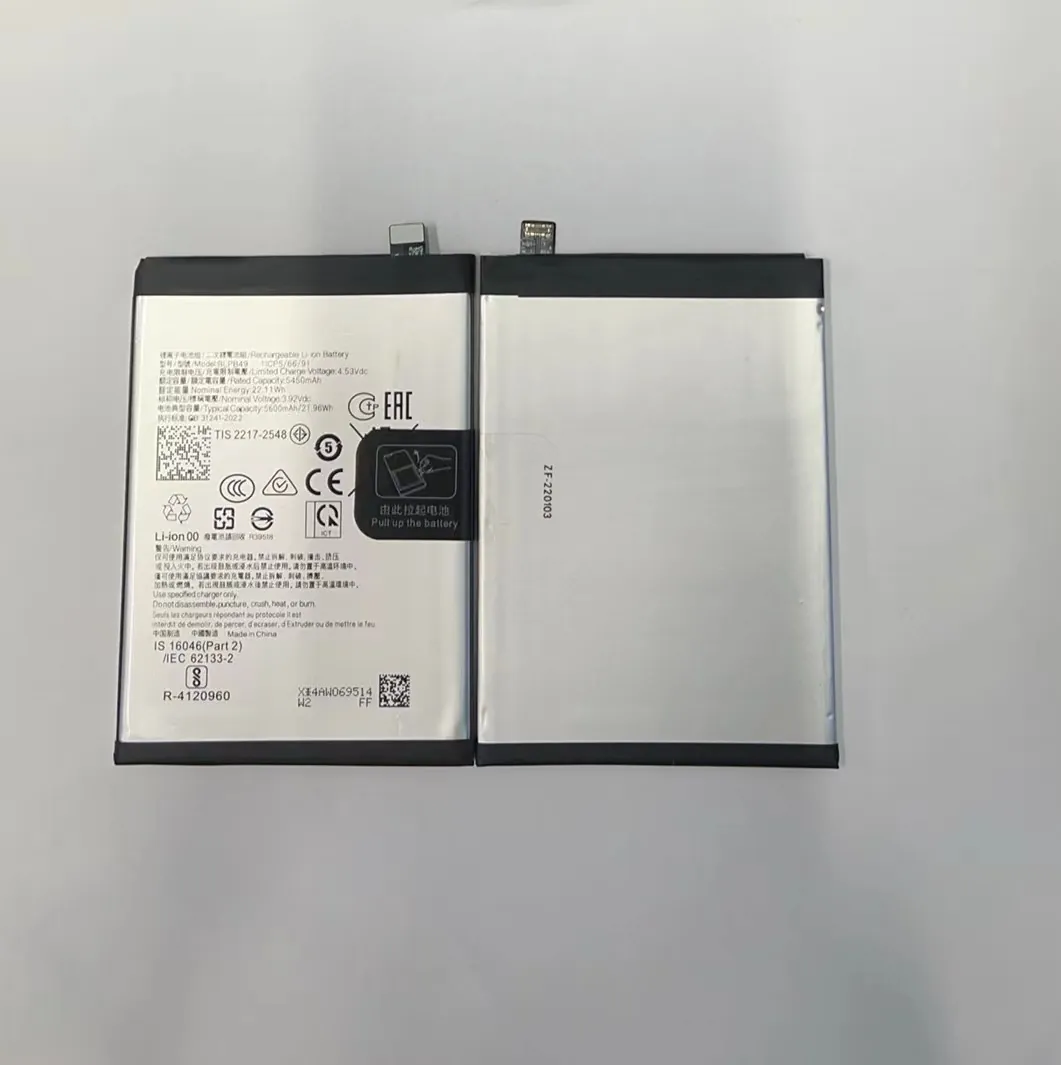
Step-by-Step: How to Choose the Right Charger
- Check the phone’s specs: Look at the original charger’s voltage and current output. Most phones need 5V/2A or 9V/2A for fast charging.
- Confirm connector type: Make sure the charger fits your device’s port (USB-C, Lightning, or Micro-USB).
- Choose safety-certified products: Look for CE, FCC, or RoHS certification. These confirm the product meets international safety standards.
- Buy from reliable suppliers: Trusted wholesalers and repair-part distributors usually test chargers before shipping.
- Avoid ultra-cheap options: Very low prices often mean low-quality components that can overheat or fail.
- Use proper cables: A strong charger still needs a quality cable for stable power transmission.
Common Mistakes When Using a Charger
- Using damaged cables or loose ports
- Charging in hot environments
- Leaving the charger plugged in overnight constantly
- Mixing chargers from unknown sources
I once had a client who complained that their phone kept losing charge fast even after buying new chargers. We found the issue was poor cable quality and fake “fast chargers.” After switching to tested, branded chargers, the issue disappeared completely.
So, choosing the right charger means paying attention to small details. It’s not just about power—it’s about protecting your investment and staying safe.
What are the future trends?
The mobile phone charger industry is changing fast. New technology is making chargers smaller, faster, and smarter than ever before.
The future trends of mobile phone chargers include universal charging standards, wireless charging advancements, eco-friendly materials, and integration with smart devices.
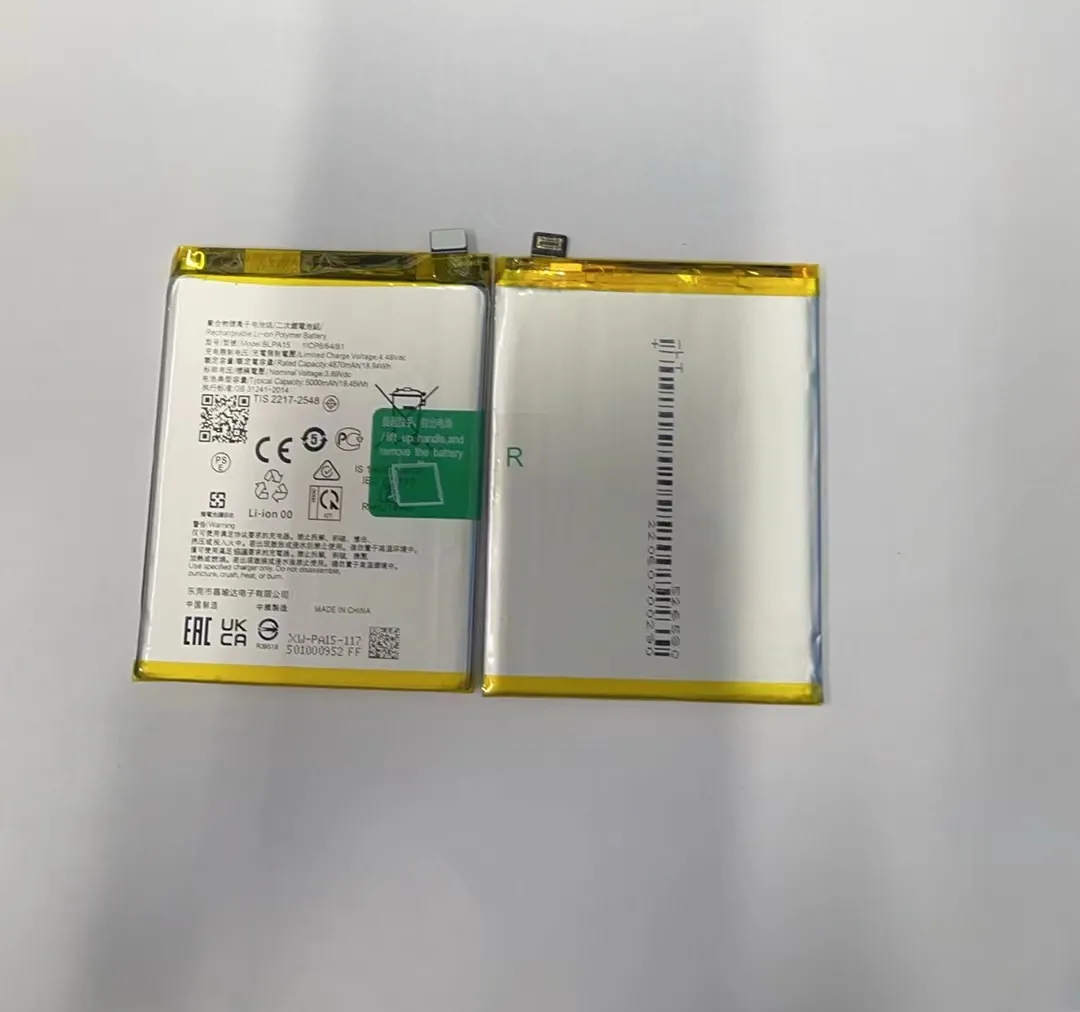
As more devices use USB-C and support higher wattage, one charger will soon be enough for phones, tablets, and even laptops. The European Union has already made USB-C mandatory for many electronics, which pushes this trend further.
Emerging Charger Technologies
- GaN (Gallium Nitride) Chargers
These use advanced materials that allow higher power in smaller sizes. They’re more efficient and generate less heat. - Wireless Charging Pads and Stands
These eliminate cables entirely and work by electromagnetic induction. Future designs aim for faster charging and wider compatibility. - Solar-Powered Chargers
Growing environmental awareness drives solar and renewable energy solutions. These are ideal for travel and outdoor use. - Smart Charging Systems
Integrated chips will soon adapt automatically to device needs. They will adjust voltage and temperature for maximum battery health.
Sustainability and Eco-Friendly Design
Manufacturers are shifting toward recyclable materials and eco-friendly packaging. Many companies now reduce plastic use and include energy-saving modes in their chargers. These changes help cut waste and lower carbon emissions.
The rise of fast charging (such as 120W or higher) also means better thermal design and safety control are essential. Brands that can balance speed and safety will lead the market in the next few years.
What This Means for Buyers
For wholesalers, repair centers, and end users, this future means more convenience and fewer product types to manage. It also means higher expectations for safety, certification, and energy performance. Choosing the right supplier now ensures you stay ready for these market changes.
Conclusion
High-quality mobile phone chargers are essential for battery health, user safety, and long-term phone performance. Knowing where to buy, how to choose, and what future trends to expect helps everyone make smarter decisions and avoid costly mistakes.
