

I speak with many repair clients, and most people feel stressed when their phones die too fast. I see this problem in almost every market.
Phones with long battery life usually use large battery cells, efficient processors, and stable software that reduces power loss. I explain the key points in simple language so buyers can choose with confidence.
I want to guide readers step by step, because many people only look at mAh numbers and ignore other factors that matter even more.
What brands lead in battery longevity?
Many users complain that most phones slow down and drain faster after months. I hear this from clients every week.
Brands with strong battery longevity invest in larger battery capacity, smart power control, and clean software that avoids hidden drain, so their phones last longer on a single charge.
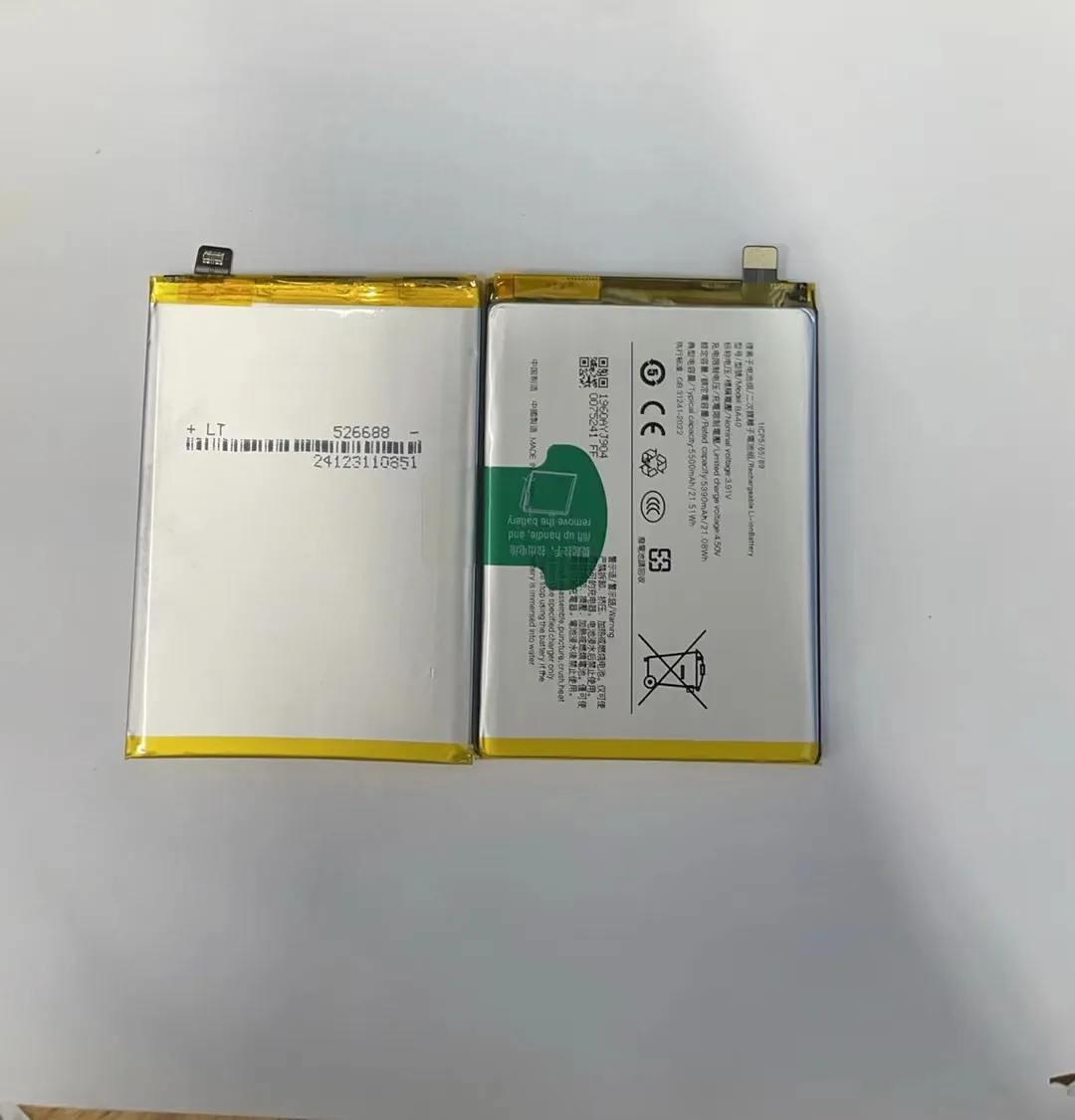
I want to share what I see when I test phones in my work. I test many models from different brands, and I see clear patterns. Some brands put real effort into battery life, and some focus only on performance numbers. I try to explain these differences with real experience and simple logic.
Key brand categories
I group brands into three simple types based on my daily testing work:
| Brand Type | Typical Features | Battery Life Result |
|---|---|---|
| Efficiency-focused brands | Clean software, optimized chips | Long and stable endurance |
| Hardware-heavy brands | Large batteries, mid optimization | Long but sometimes unstable |
| Performance-first brands | High power chips, poor control | Shorter endurance |
Why brand reputation matters
Brand choice matters because battery performance relies on long-term tuning. A company with stable updates can fix battery drain faster. I see this when customers send phones to my testing desk. Some brands maintain good stability even after a year, while others drop fast.
My work experience examples
I remember a batch of devices I tested for a repair shop. All phones had similar battery capacity, but endurance was very different. The phones from efficiency-focused brands lasted almost two hours longer in screen-on tests. This showed me that software and power management matter as much as the battery itself.
How brands stay ahead
Brands that lead in endurance often use:
- smart refresh-rate control
- optimized background app rules
- stable thermal management
- cleaner system layers
These steps help the battery keep higher efficiency over time. I explain these elements in the next sections because they help readers understand how to choose phones better.
How do specs impact battery duration?
Many clients tell me they only look at mAh numbers. They think a bigger number always means longer life. I see this mistake every week.
Battery duration depends on more than mAh. Display size, refresh rate, processor efficiency, charging heat, and software control all change how long one charge lasts.

I want to explain each spec in simple words. I use these factors when I test phones for repairs, so I see their impact clearly. I break them down so readers can understand how each part changes real-life endurance.
Main technical factors
Here is a table that shows how common specs impact endurance:
| Spec | How It Affects Battery |
|---|---|
| Battery capacity (mAh) | Higher capacity gives longer base endurance |
| Chip efficiency | Efficient chips use less power under same tasks |
| Screen brightness | Higher brightness drains battery faster |
| Refresh rate | High refresh rate increases drain |
| Software control | Good control reduces background loss |
| Heat | More heat lowers battery efficiency |
Processor efficiency
When I test phones on my bench, I often see that two devices with same capacity behave differently. This difference comes from the chip. Some chips draw less power to do the same task. So the phone stays cooler and runs longer. This is why chip choice matters as much as battery size.
Screen and refresh rate
The screen uses most of the battery in daily use. Large screens and bright modes eat power fast. Many users do not realize that high refresh rate modes consume more energy. I always advise customers to use adaptive refresh rate when possible. This simple change can add hours of use.
Software and background apps
Some brands use heavy system layers and allow many apps to run in the background. This drains the battery even when the screen is off. I see this often when customers complain that their phones drop overnight. Clean software helps reduce this drain.
Heat and battery health
Heat is one of the biggest enemies of battery duration. When the phone gets warm, the battery loses efficiency. I see this when testing phones that were used for gaming or long navigation. These devices lose capacity faster over time. Good thermal control helps maintain battery health.
Why do some models outperform others?
Many customers ask me why two phones with the same capacity behave so differently. I hear this question very often.
Some models outperform others because they combine efficient components with clean software, strong thermal control, and balanced hardware tuning that works together instead of fighting each other.
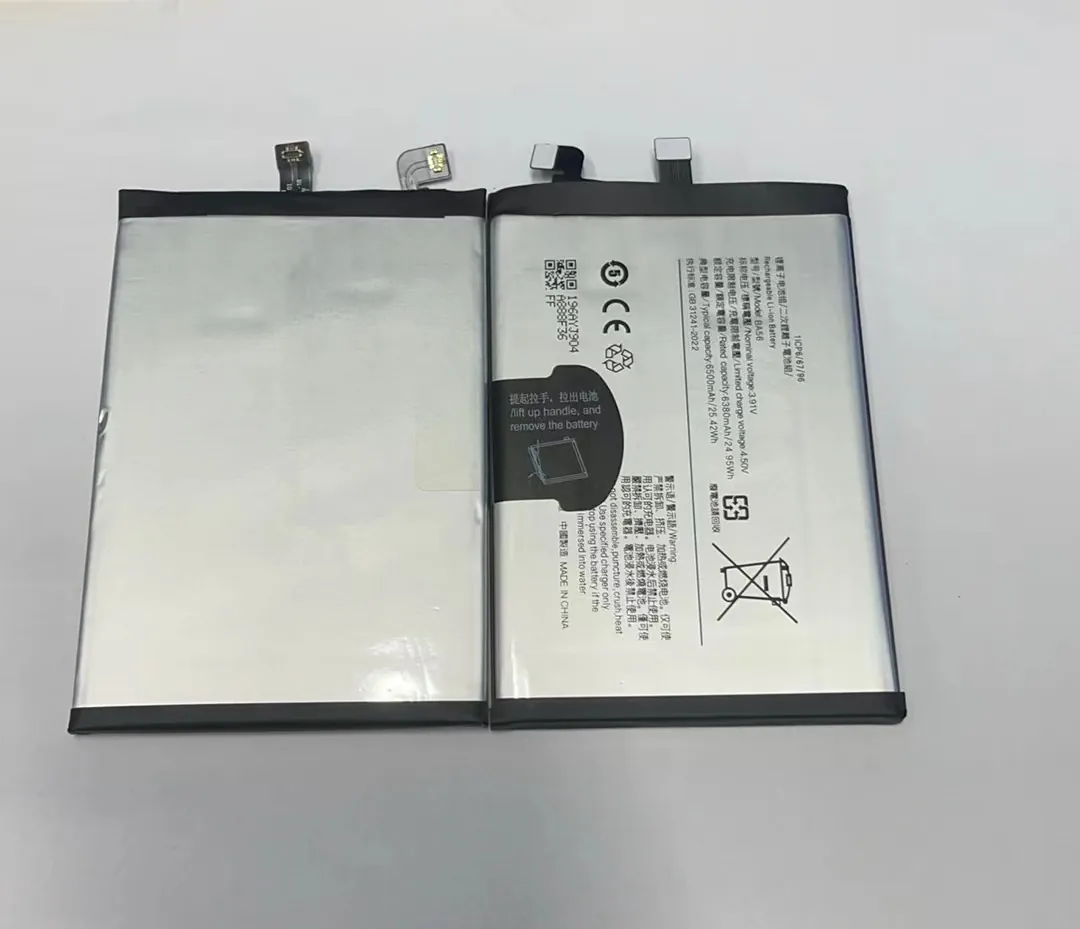
I want to explain this with simple logic. I test many models every month, and I see consistent patterns. Some phones have large batteries but waste energy. Others have smaller batteries but use power wisely. This difference comes from how each brand builds the entire system.
System balance matters
I divide the factors into three groups so readers can see the whole picture.
Hardware design
Some phones use power-hungry screens or chips. These parts drain energy fast even if the battery is large. Good models use efficient chips and optimized panels. This keeps power draw low.
Software optimization
Good software avoids unnecessary background tasks. Some brands push heavy animations and features that run even when users do not need them. This leads to drain that customers cannot see. Clean software can add hours to daily endurance.
Power management
Some models use advanced power controllers. These chips regulate energy flow to reduce waste. I see the results when I run tests. Models with good controllers maintain stable usage patterns. Poor controllers create spikes and sudden drops.
My repair bench example
A repair client gave me two phones from different brands with the same mAh. I tested them with identical brightness and network settings. One lasted nearly three hours longer. The reason was simple: cleaner software and an efficient chip. This case helped me explain to the client that mAh alone does not tell the full story.
Cooling and endurance
Models with better cooling systems keep the battery at safe temperature. This slows down battery aging and improves daily endurance. I have seen batteries from cooler phones stay healthy for longer. Over time, this makes a big difference.
Manufacturing consistency
Some brands produce more stable battery batches. This reduces early drop issues. I can see this when I test batteries before shipping. Good models fail less often, which shows stronger quality control.
Which tests measure battery endurance?
Many customers feel confused because every website uses different numbers. I understand this confusion.
Battery endurance is measured through screen-on tests, standby tests, video playback loops, mixed usage simulations, and controlled lab benchmarks that check power draw under specific conditions.
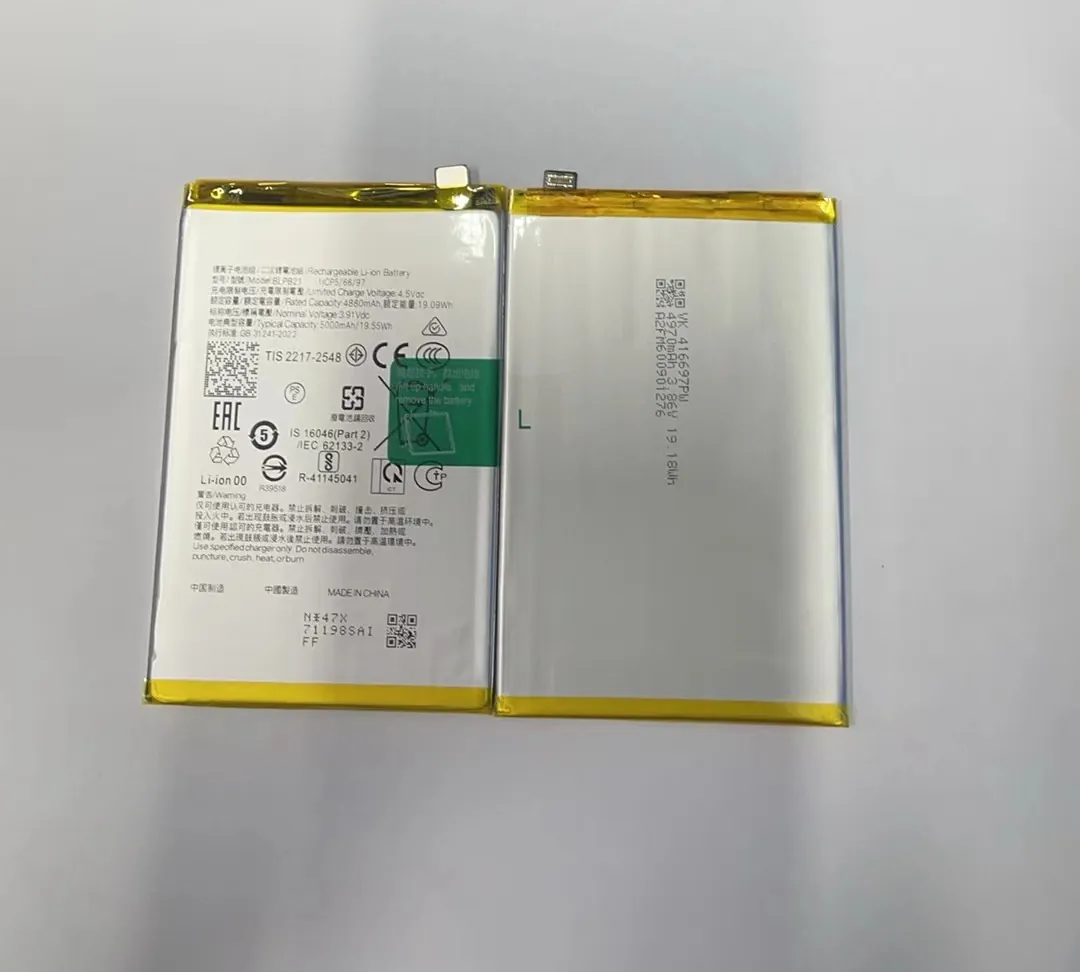
I want to explain these tests with simple examples so readers understand what these numbers mean. I run many similar tests when checking replacement batteries. These tests show how the phone behaves in real life.
Main test categories
Screen-on tests
These tests measure how long the phone lasts with constant use. I use fixed brightness and Wi-Fi to keep results stable. This test shows how efficient the phone is under pressure.
Video playback tests
This test loops a video at fixed brightness. It shows how the screen and decoder chip handle long tasks. Some phones last very long here because video decoding is efficient. But that does not mean they last long in heavy use.
Standby tests
This test shows how much battery the phone loses when unused. Phones with clean software lose less. This is useful for people who do not use their phone heavily.
Mixed usage simulations
These tests switch between browsing, gaming, video, and standby. They give the closest result to real life. I use something similar when checking repaired phones.
Heat tests
Some labs test how the phone behaves under warm conditions. Heat changes battery efficiency. This test helps show how models handle thermal stress.
Why these tests matter
These tests help compare phones with consistent rules. Readers can use these results to see which phone fits their daily behavior. People who watch videos need different strengths than people who game or work long hours.
My personal testing workflow
When I check phones before sending them back to clients, I use short versions of these tests. I check idle drain, screen-on time, and temperature rise. These steps help me judge battery health and model efficiency.
Conclusion
Phones with long battery life combine large batteries, efficient chips, clean software, and good thermal control. I hope this guide helps readers pick models that last longer and stay more stable over time.
