
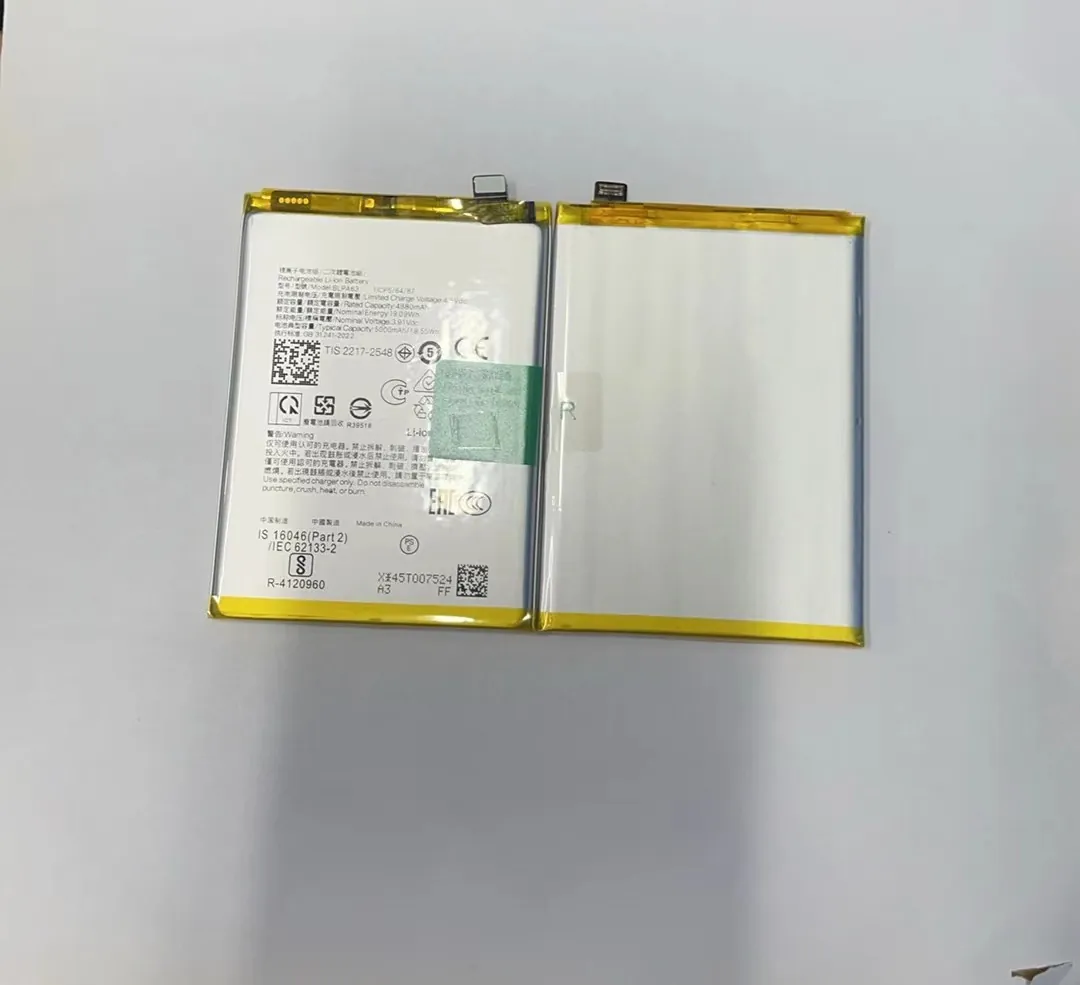
I know many people feel confused when they try to mail rechargeable mobile phone batteries. The rules look strict, and the risks look high.
You can mail most mobile phone rechargeable batteries if you follow safety rules from postal services and carriers, use proper labels, and pack the batteries in tested protective materials.
I want to guide you through these points in a simple way so you can ship with confidence and avoid delays. I want you to feel sure every time you prepare a parcel.
What shipping rules govern battery mailing?
I see many people worry about regulations because they think the rules change all the time. The rules can feel hard at first. They also feel scary when you try to send bulk batteries for business.
Most carriers follow international rules such as UN38.3, IATA, and local postal policies. These rules decide how lithium batteries should be tested, packed, labeled, and declared for transport.
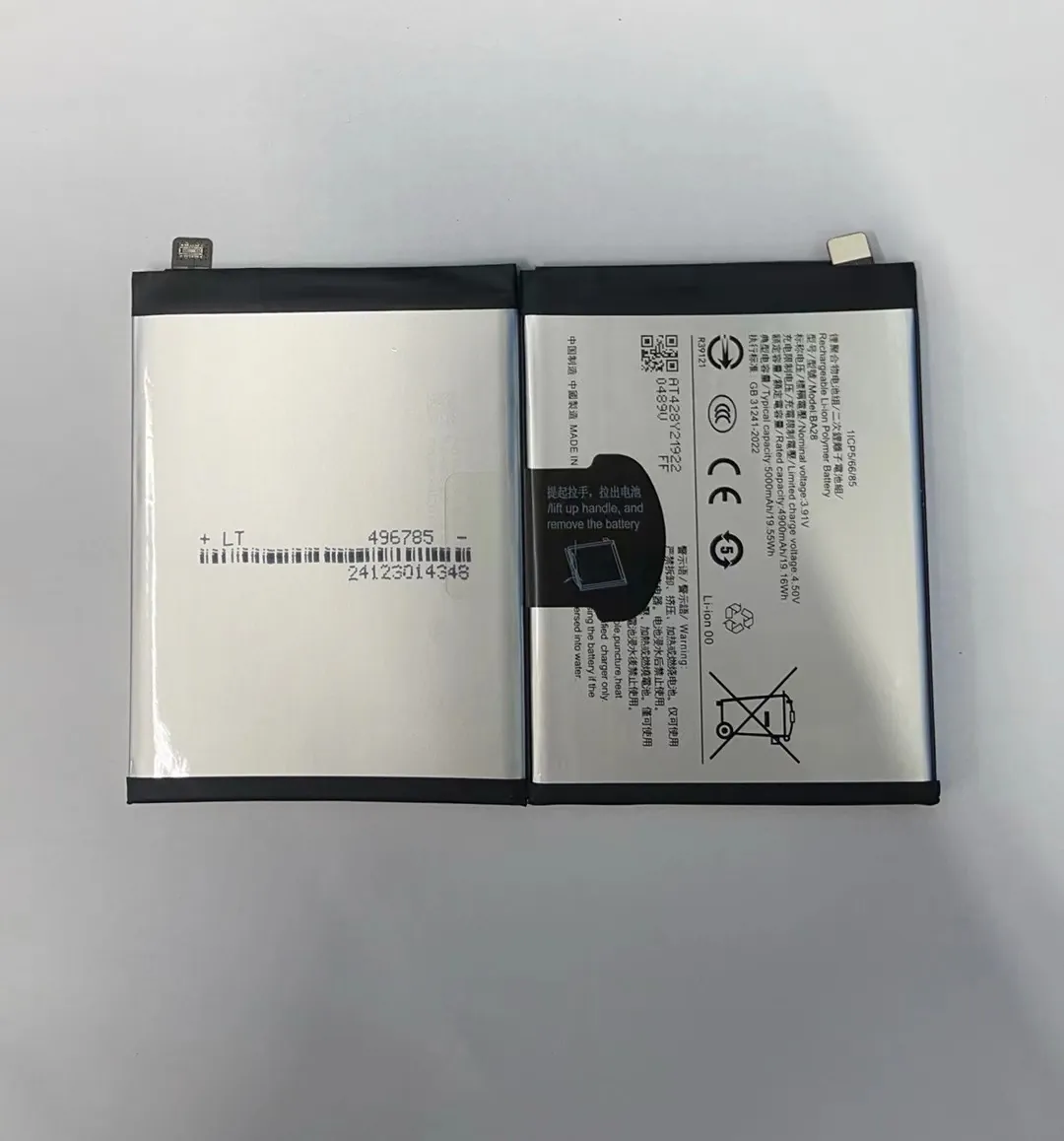
When I ship phone batteries, I always start by checking the rules for lithium-ion cells. These rules exist because lithium batteries can burn if they are damaged or short-circuited. I follow them because they protect my goods and my customers. I do not want any parcel to cause harm. I do not want any customer to face customs issues.
Why these rules matter
The rules help carriers handle batteries safely. Some rules come from air transport groups. Some come from road and sea shipping groups. They all aim to reduce heat, pressure, and physical impact during long trips.
What documents I prepare
I often prepare these documents when I mail phone batteries in bulk:
| Document | Purpose |
|---|---|
| UN38.3 Test Report | Shows the battery passed safety tests |
| MSDS (Material Safety Data Sheet) | Shows chemical and safety details |
| Air Transport Certificate | Helps airlines approve the shipment |
| Packing Declaration | Tells carriers how the parcel is packed |
These documents help the carrier know the battery is safe. They speed up customs checks. They reduce the chance of returns.
Common rule categories
Here are the categories most carriers use:
| Rule Type | What It Covers |
|---|---|
| Testing Rules | Battery must pass vibration, shock, and heat tests |
| Quantity Limits | Carrier may limit number of batteries per box |
| State of Charge | Often limited to 30% for air shipping |
| Packing Style | Must prevent short circuits and movement |
| Labeling | Must show class, type, and warnings |
When I follow these rules, my shipments pass without issues. When someone ignores them, the parcel often gets stopped. I learned this the hard way early in my business. After that, I built a strict checklist.
I want you to see that the rules are not here to block you. They help every shipment move safely and reduce the risks for everyone in the supply chain.
How does labeling affect approval?
Some people think labeling is a small step, so they skip it. I have seen many parcels rejected for this reason. The carrier will not guess what is inside a box.
Clear battery labels help carriers identify the type of lithium battery, its condition, and its level of risk. Proper labels increase approval rates and reduce inspections.

When I ship batteries, I use labels that match the packing rules. The labels show the UN number. They show if the parcel has batteries in equipment or batteries alone. They also show a phone number for emergencies.
Why clear labels matter
Carriers scan thousands of parcels each day. A simple label tells them how to handle the package. It shows the staff where to place it in the cargo area. It helps customs see that the sender understands the rules.
What happens when labels are missing
When labels are missing, carriers often do these things:
- Hold the package for inspection
- Ask for extra documents
- Reject the parcel at the airport
- Charge the shipper extra fees
- Return the parcel to the sender
I saw this happen to a partner company. They packed everything right but forgot the battery label. The shipment stayed in the warehouse for three days. The customer got angry because they needed the stock fast. After that, they never forgot labels again.
Types of common battery labels
Here are the labels I use most:
- Lithium Battery Mark
- Class 9 Hazard Label
- UN3480 label (batteries only)
- UN3481 label (batteries with equipment)
- Handling Label for small quantities
These labels look simple, but they decide if your parcel moves or stops. When the label is correct, the parcel looks professional. Carriers trust it more. Customers receive it faster.
Sometimes I also use extra stickers like “Handle with Care.” They are not required, but they help warehouse staff treat the parcel with respect.
Why do carriers restrict certain batteries?
Many people feel confused when carriers refuse old or swollen batteries. I understand the frustration. This often happens with used or damaged phone batteries.
Carriers restrict batteries that are damaged, swollen, leaking, untested, or not compliant with safety standards because these batteries have a higher risk of short-circuit, fire, and heat build-up.
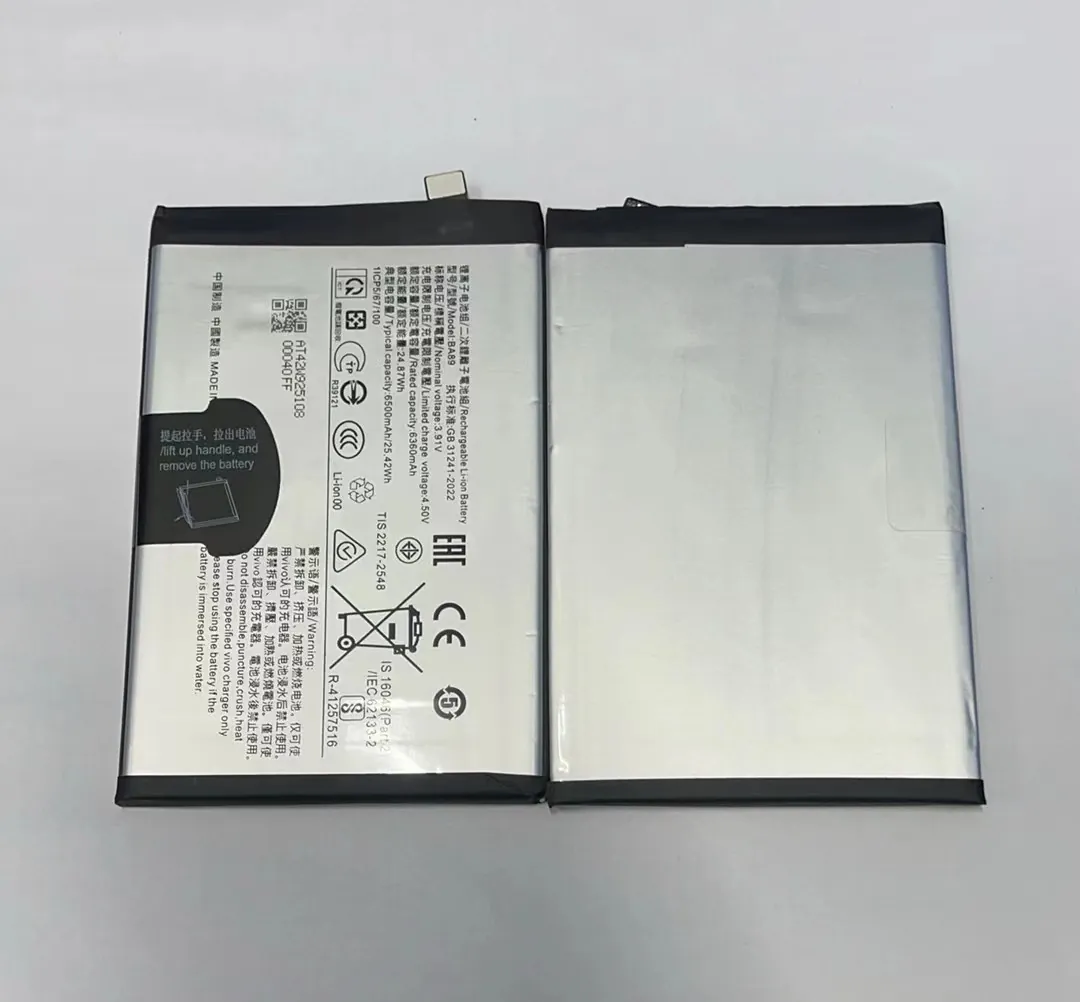
I have seen damaged batteries swell like small pillows. I never mail them. They are too risky. Even a small hole can cause a fire during transit.
Why carriers take this seriously
Carriers move many parcels through planes every day. Heat and air pressure can raise the stress on a battery. If the battery is already weak, it can fail. One failure can harm the aircraft, the crew, or other parcels.
Batteries that carriers often refuse
Carriers usually reject these types:
- Puff or swollen batteries
- Batteries with torn insulation
- Batteries with exposed terminals
- Batteries from unknown factories
- Batteries without UN38.3 tests
- Batteries with missing safety documents
I once received a batch from a factory that looked fine at first. Later, I found some cells were not tested. I sent them back. I refused to ship them to any customer. If I mailed them, they would be rejected anyway. I prefer to lose time than lose trust.
What I do before shipping
I check every battery for these things:
- No swelling
- No scratches on the shell
- Clean terminals
- Proper voltage
- Clear model print
If one battery fails, I remove it from the batch. I learned that careful inspection saves time and protects my brand image.
Carriers restrict bad batteries because they want a safe transport chain. When we respect this, our business grows smoother.
Which packaging ensures safe transport?
Many people think a strong box is enough. It is not enough. Good packaging protects the battery from movement and impact during long transit.
The safest packaging for mailing rechargeable mobile phone batteries includes inner insulation, anti-short-circuit protection, strong outer boxes, and tested materials that prevent shaking and direct contact between cells.
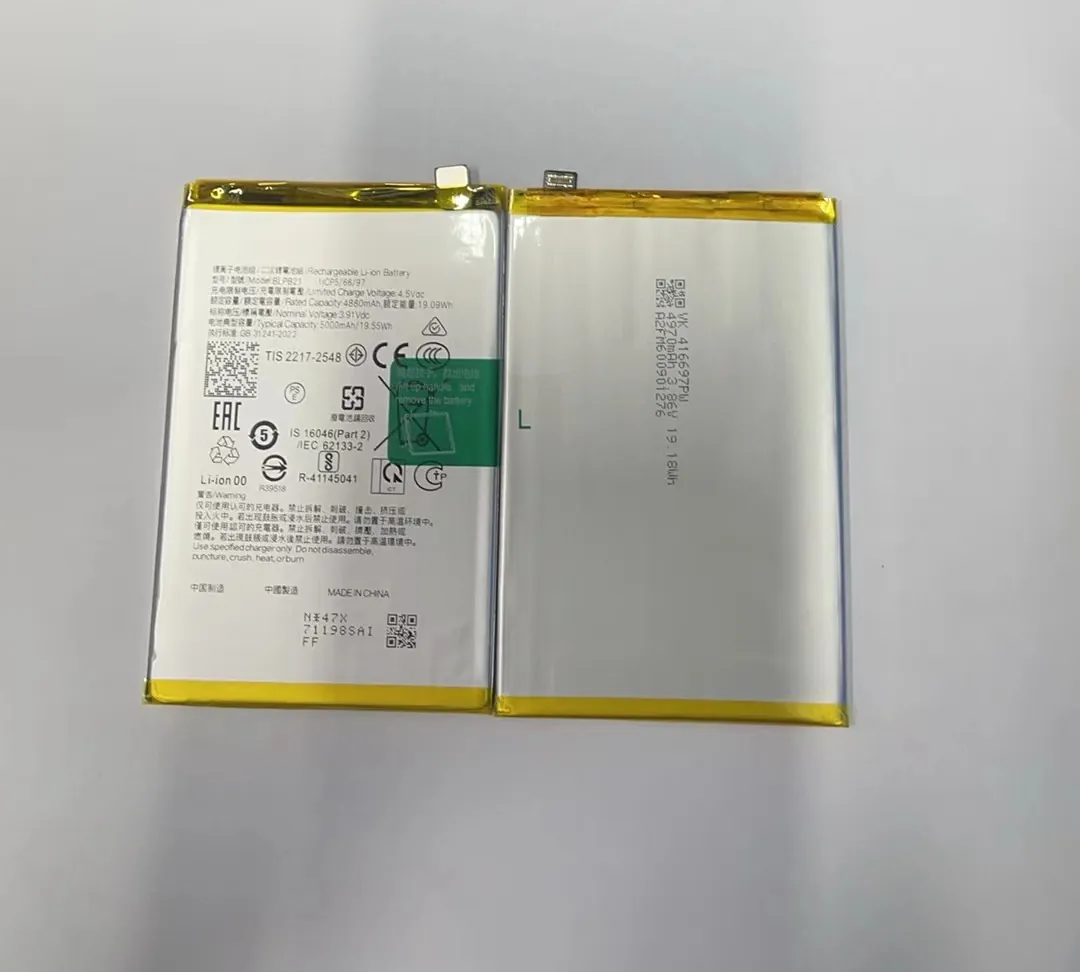
When I prepare packaging, I follow simple steps that make a big difference.
My basic packing steps
I always do this:
- Wrap each battery in insulation material.
- Cover the terminals with tape.
- Place each battery in a small inner tray.
- Add foam or bubble material.
- Put the tray into a strong outer box.
- Add shock-proof fillers.
- Seal with strong tape on all edges.
This looks like a lot, but it prevents damage. A battery should not move inside the box. Movement can cause friction. Friction can cause heat.
Why good packaging matters
Some customers ship damaged returns. When they use weak boxes, the batteries bump inside. Sometimes the terminals touch each other. This can cause a high risk. I ask my customers to follow my packing guides. Once they do, their parcels travel safely.
H3: How I test my packaging
I like to test my packaging style in my office. I drop the box from 1 meter. I shake it hard. If I hear movement, I change the fillers. If the box dents too easily, I switch to a stronger one.
H3: Common safe packaging materials
I recommend these materials:
- PE insulation bags
- Anti-static foam
- Bubble sheets
- Corrugated boxes
- Fire-resistant liners for air shipping
These materials help reduce heat build-up. They keep the battery stable. They prevent short circuits.
H3: Mistakes I tell partners to avoid
I ask everyone to avoid these mistakes:
- Using old boxes
- Letting batteries touch each other
- Forgetting terminal tape
- Leaving empty space inside the box
- Using boxes that are too large
A tight and stable package is much safer.
When you use good packaging, you send a strong signal. You show the carrier that you understand the rules. You also show your customer that you care about their safety. This helps build long-term trust.
Conclusion
Mailing rechargeable phone batteries is safe when you follow the rules. Clear labels, good packaging, and tested batteries help every shipment travel smoothly. With the right steps, you avoid delays, rejections, and customer complaints.
