

I know many readers worry about phone shutdowns and dead batteries at the worst time. This fear grows when people look for ways to charge a phone directly with a loose battery. I want to walk you through this topic with simple and safe ideas.
You can charge a mobile phone with a battery only when you control voltage, polarity, and current with the right tools that protect the device from damage.
I want to guide you so you do not fall into common traps. I want to help you see the full picture before you try anything by yourself.
What tools allow direct battery charging?
I know people often feel stuck when their phone stops charging. They want a fast fix. Some try to use loose cells, jumper wires, or DIY chargers. This creates stress and confusion because there are so many mixed answers online.
You can use lab power supplies, battery activation tools, and protected charge boards to charge a phone battery directly because these tools manage power safely and control output.
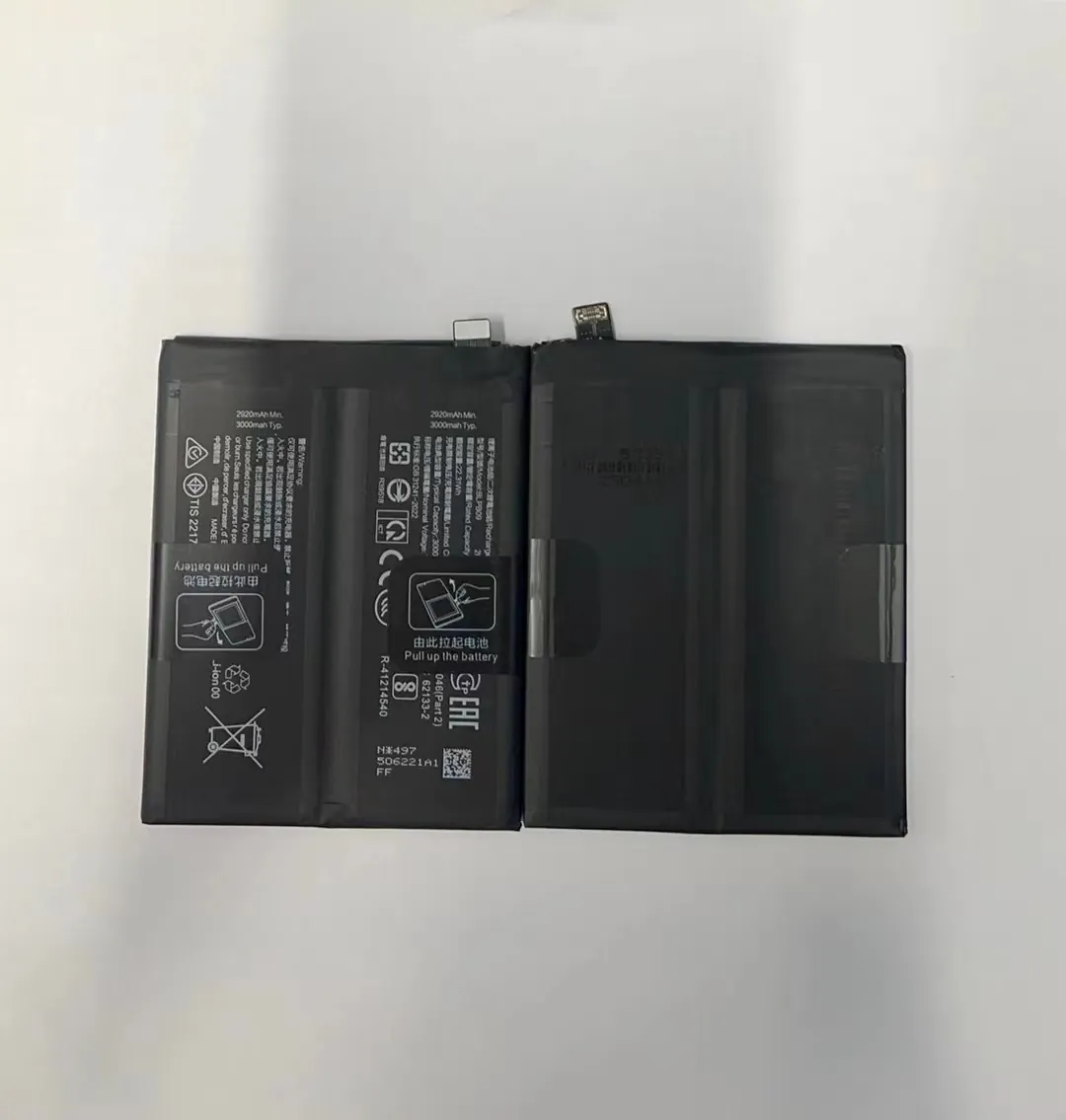
I want to go deeper so you can understand what each tool does and why it matters for safe charging.
Types of tools you can use
When I started working with repair parts, I noticed how different teams used very different tools to charge loose batteries. Some methods looked risky. Some looked safe. Over time, I learned that the safest tools share one thing: they control power very tightly. I want to explain each option in a simple way.
1. Lab power supply
A lab power supply helps you adjust voltage and current. I use these often because they are stable and predictable. I can set the exact output that a battery needs. This keeps the battery from overcharging or overheating.
2. Battery activation board
Repair shops use activation boards every day. These boards include safety chips. They connect to battery terminals and send controlled current. They help wake up batteries that dropped too low. They also show basic readings like voltage and temperature.
3. Protected universal charge boards
These boards give a middle-ground solution. Many repair teams use them when they need something faster than a power supply but safer than bare wires. They include built-in protection, which stops power flow when something goes wrong.
4. USB-powered boost modules
I saw some technicians use these to give a dead battery a small push. But these modules are not fully safe on their own. They lack strong protection. I only use them when I combine them with extra safety steps.
Comparison table
Here is a simple table that shows how these tools differ:
| Tool Type | Safety Level | Control | Best Use Case |
|---|---|---|---|
| Lab power supply | Very high | Full control | Precision charging, diagnostics |
| Activation board | High | Medium control | Low-voltage batteries, daily repair |
| Universal charge board | Medium | Basic control | Quick charging, stable batteries |
| USB boost module | Low | Limited | Emergency push, not recommended as main tool |
Why these tools matter
I learned that direct battery charging becomes risky when power is uncontrolled. A phone battery is fragile. It reacts fast to small changes. If the voltage jumps, heat rises fast. If the current is too high, the cell swells. If there is no protection chip, the battery can get damaged without warning.
These tools protect you from these problems. They reduce the risk of sparks, swelling, or battery death. They also give you a clear idea of what is happening inside the cell. This is why I always choose these tools before touching any loose battery.
How does polarity affect connection?
Many people feel stressed when they see the tiny positive and negative terminals on a phone battery. They worry because a wrong connection can destroy the cell or the phone. I understand this fear because I have seen batteries burn after incorrect polarity.
Polarity matters because the positive and negative sides of the battery must match the charger’s terminals; if reversed, the battery can short, heat up, or lose function.

I want to take you deeper so you can understand polarity in a simple and clear way.
What polarity really means
Polarity shows the direction of power flow. A battery pushes energy from the positive side to the negative side. Every phone battery has marked terminals. Every charger also does. When you match these correctly, electricity flows clean and stable.
When polarity is reversed, electrons flow in the wrong path. The battery chemistry reacts in ways it is not designed for. This can destroy the protection board inside the battery.
Examples of polarity marking
Here is a simple table that helps you understand what each symbol means:
| Symbol | Meaning | What You Should Do |
|---|---|---|
| + | Positive terminal | Connect to positive output from tool |
| - | Negative terminal | Connect to negative output from tool |
| BSI / ID | Identification line | Do not use for charging |
| NTC | Temperature sensor | Do not attach to power |
What happens when polarity is wrong?
1. Internal protection chip shuts down
Modern batteries include a safety chip. When polarity is wrong, the chip tries to block power. But in many cases, the chip gets burned. Once damaged, the battery becomes unstable.
2. Wires heat up
I have touched wires that became hot within seconds after reverse polarity. Heat rises because electrons try to push through the wrong path.
3. Battery swelling
Reverse polarity can create gas inside the cell. The battery starts to balloon. This swelling makes the cell unsafe and unusable.
4. Permanent cell damage
Lithium chemistry does not tolerate reverse flow. Even one mistake can damage the internal layers. You cannot recover a battery once the structure breaks down.
How I prevent polarity mistakes
I do three simple things:
- I mark the positive terminal with red tape.
- I use a power supply with reverse protection enabled.
- I check polarity two times before powering on.
These simple steps saved me many batteries. They also reduce stress because I know the setup is safe before current flows.
Why must voltage match device needs?
I know many beginners think that “more voltage means faster charging.” This idea is wrong and dangerous. Phone batteries need exact voltage levels. Too low, and the battery will not charge. Too high, and the cell becomes unstable.
Voltage must match device needs because lithium batteries charge safely only within a narrow range; going outside that range damages cells, protection chips, and connected devices.

Let me explain this in detail so you can see why voltage accuracy is a must.
Typical voltage ranges
Most phone batteries use 3.7V or 3.8V nominal voltage. Their full charge level is around 4.2V to 4.4V. These numbers are not flexible. They are fixed by battery chemistry.
If a charger outputs more than these limits, the battery swells. If the voltage is too low, the battery will not take power at all. This is why I always set the lab power supply very carefully.
Safe voltage stages
Here is a simple guide that shows how voltage affects charging:
| Battery State | Voltage Range | Safe or Unsafe |
|---|---|---|
| Deep discharge | 0–3.0V | Unsafe without activation tools |
| Normal state | 3.0–4.2V | Safe for controlled charging |
| Full charge | 4.2–4.4V | Safe only with controlled cut-off |
| Above 4.4V | Dangerous | Never charge |
What happens when voltage is too high?
1. Heat rises
High voltage makes lithium react faster. The battery becomes hot. Heat damages the layers inside the cell.
2. Cell swelling
When the internal structure breaks down, gas forms. The battery becomes puffy. Once puffed, it must be thrown away.
3. Protection board failure
The board tries to block high voltage. But if the stress is too high, the chip gets burned. The battery stops working.
4. Fire risk
High voltage is one of the main causes of lithium battery fires. Most cases start with uncontrolled charging.
Why voltage must be exact
I learned very early that a battery is like a living system. It reacts fast. It needs care. Voltage controls the pace of the chemical reaction inside the cell. When voltage stays within limits, the battery stays healthy. When voltage jumps out of range, the battery becomes unstable.
This is why I always test batteries with a meter before I charge them. I also use slow charging when the battery is very low. This keeps the cell safe and gives more life.
Which risks occur with manual charging?
Many people try manual charging because it feels simple. They use wires, small modules, or DIY setups. They think “as long as it works, it is fine.” But manual charging creates real risks that I have seen first-hand.
Manual charging can cause overheating, short circuits, swelling, fire, fast aging, and full battery failure because the process lacks proper control and protection.

I want to explain these risks so you can understand why manual charging needs careful steps.
Main risks of manual charging
1. Overheating
When you do not control current, the battery can heat up fast. Heat damages the internal layers. I once saw a battery reach unsafe temperature in less than one minute because the current was too high.
2. Short circuits
When wires touch or polarity is wrong, the battery short circuits. This causes sparks or instant heat. It can damage the protection board.
3. Swelling
Many DIY setups push unstable current. When the battery receives power unevenly, gas forms inside. The battery becomes puffy. This damage cannot be fixed.
4. Fire
Most battery fires start during charging. Without protection, the battery can enter thermal runaway. This stage creates smoke, flame, or explosion.
5. Faster battery aging
Even if the battery does not fail, manual charging often reduces lifespan. The cell ages faster when current is too high or unstable.
6. Damaged device
If you insert a damaged battery back into a phone, you risk harming the phone’s motherboard. I saw phones fail because someone pushed a swollen battery into the frame.
How to reduce these risks
I want to share steps that helped me avoid problems:
- I always use tools with safety chips.
- I set low current for the first minutes of charging.
- I check the temperature with my hand every few minutes.
- I stop charging when the battery looks strange or smells strange.
- I test the battery before placing it back into a phone.
Why these risks matter
Manual charging seems simple, but the danger hides in small mistakes. A battery reacts even when the change is tiny. One extra volt. One misaligned wire. One second of reverse polarity. I saw many batteries fail only because of small errors. This is why I take every step seriously. I want you to do the same when you handle a loose battery.
Conclusion
Direct battery charging is possible, but it needs the right tools, the right voltage, and correct polarity. When you control these parts, the process becomes safe. When you ignore them, the battery and phone face real danger. Always choose safety and proper tools.
