
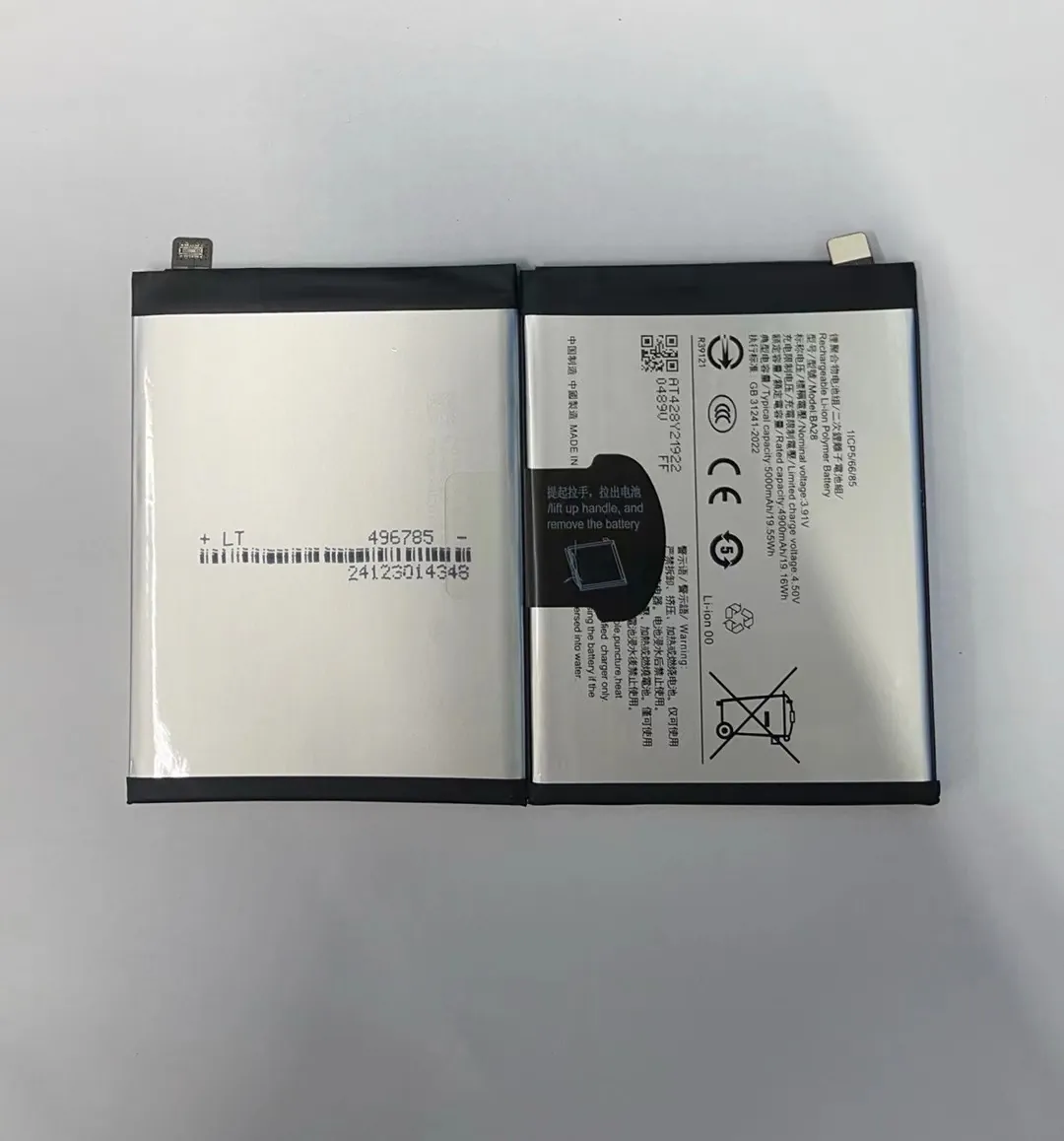
I see many people worry when their phone cannot turn on because the charging port breaks. I want to help them understand simple external charging options.
You can charge a mobile phone battery externally with special tools that support direct battery input, stable voltage, and safe power control. These tools give power to the battery without using the phone’s charging port.
I know many readers will not try external charging every day. But I want you to know the basics, so you can choose safe tools and avoid damage.
What devices support external charging?
I notice many people get lost when they see so many external charging devices on the market.
Most batteries can work with universal chargers, dedicated dock chargers, or lab power supplies if these tools match the battery type and voltage.
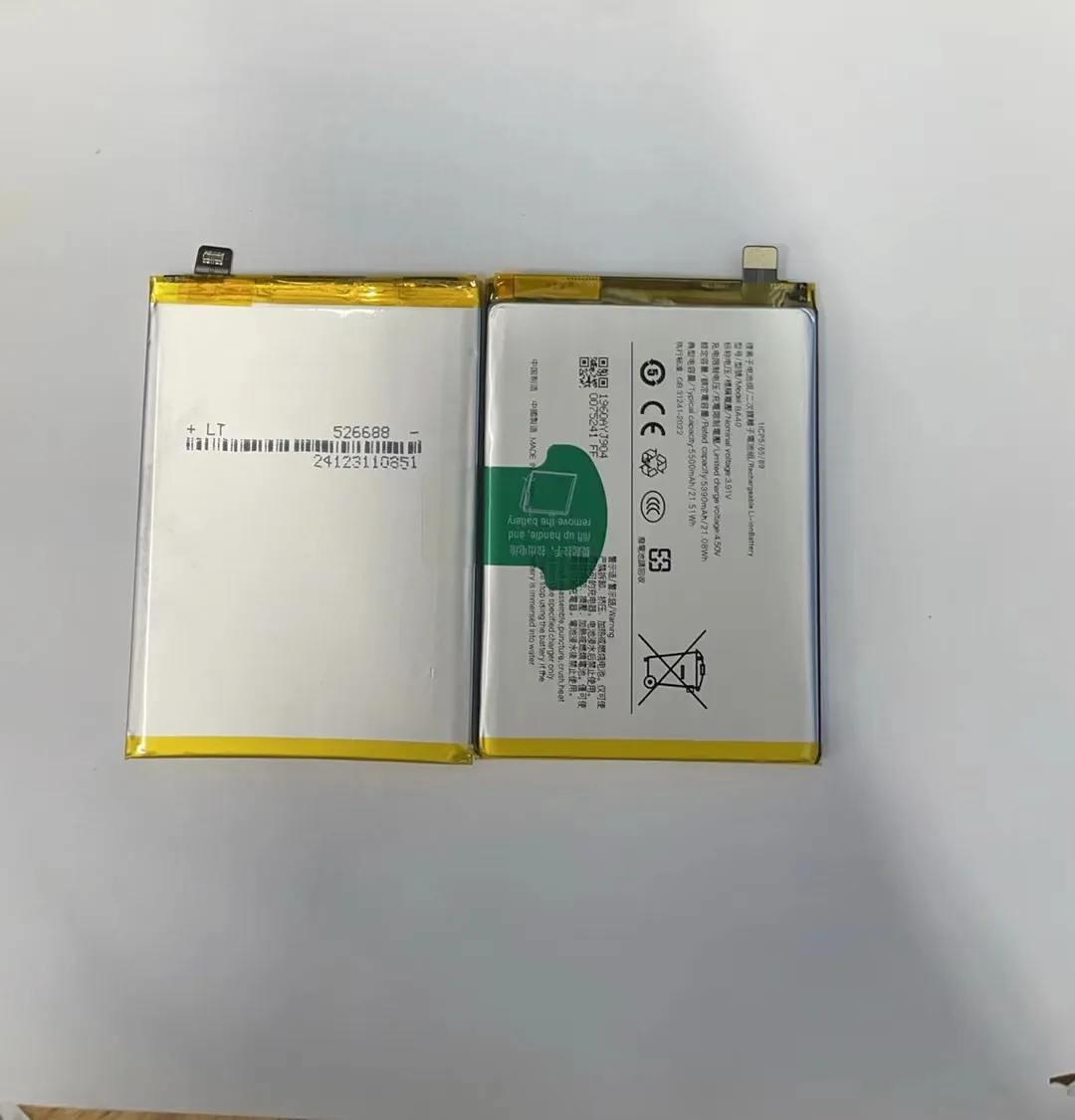
Why I choose these devices
I often test phone batteries for different repair jobs. I use many tools in my daily work. I try each tool for safety, ease of use, and stable output. I learn that each tool has its own ideal use case. I also learn that some cheap chargers create unstable voltage, which hurts batteries fast. I want to explain how I look at these devices so you can make your own choice without worry.
Main Types of External Charging Devices
| Device Type | Best Use Case | Pros | Cons |
|---|---|---|---|
| Universal Battery Charger | Old phones or loose batteries | Simple, low cost | Not always precise |
| Dedicated Dock Charger | Popular phone models | Safe, stable | Limited to specific models |
| Lab Power Supply | Repair shops, testing work | Full control | Needs skill |
How each works for real use
Universal chargers work for many battery shapes. I use them when I deal with older models that customers bring from repair shops. They hold the battery with spring pins. They give basic charging with limited protection. They help in simple situations, but I do not use them for high-value batteries.
Dock chargers work for popular models. They match the battery pins. They give stable voltage. I use them when I test new batches of batteries. They protect the cells better than universal chargers. They also charge faster with less heat.
Lab power supplies give full control. I use them when I test small samples from factories. I adjust voltage and current by myself. I see how each battery responds. This helps me judge quality. But beginners must be careful, because wrong settings cause damage. With the right training, they are the safest tools for testing.
These choices help me manage risk and keep batteries safe in my daily work. They also help me check quality for repair partners who depend on reliable parts.
How does a dock charger work?
I notice that many readers think dock chargers are complicated machines.
A dock charger works by matching the battery pins, setting fixed voltage and current, and charging the battery with built-in protections that keep the power stable.

How I started using dock chargers
When I first used a dock charger, I wanted stable charging for test batteries. I needed a simple tool that did not need many adjustments. I learned that these chargers control power in a safer way than most universal chargers. I now use them daily to run quality checks.
How a Dock Charger Controls Power
1. Pin Alignment
The charger has fixed pin slots. These match positive and negative contacts on the battery. This ensures the battery always connects in the correct direction. Wrong direction will not happen if the dock matches the model.
2. Constant Voltage Supply
The charger sends a fixed voltage, often around 4.2V for lithium batteries. This matches the standard charging voltage. I see that stable voltage protects the battery from stress.
3. Built-in Safety Chips
Dock chargers use safety boards. These chips limit current, stop charging when the battery is full, and reduce heat. These features make them safe even in long workplaces where we charge many units.
4. Smart Cut-off
Charging stops when the battery reaches a full level. This protects the battery from overcharge. Overcharge is a big reason for battery swelling. I see this often when customers bring damaged batteries from unknown sellers.
Why I trust dock chargers in my work
I trust dock chargers because they charge with less heat. They also have clear indicator lights. My team can see if each battery passes the basic test. This helps me maintain low defect rates. It also helps repair shops check batteries before installation.
Why voltage stability matters?
Many people ask why I always talk about stable voltage.
Voltage stability matters because lithium batteries need steady and correct voltage. Unstable voltage can damage cells, shorten lifespan, or trigger swelling.
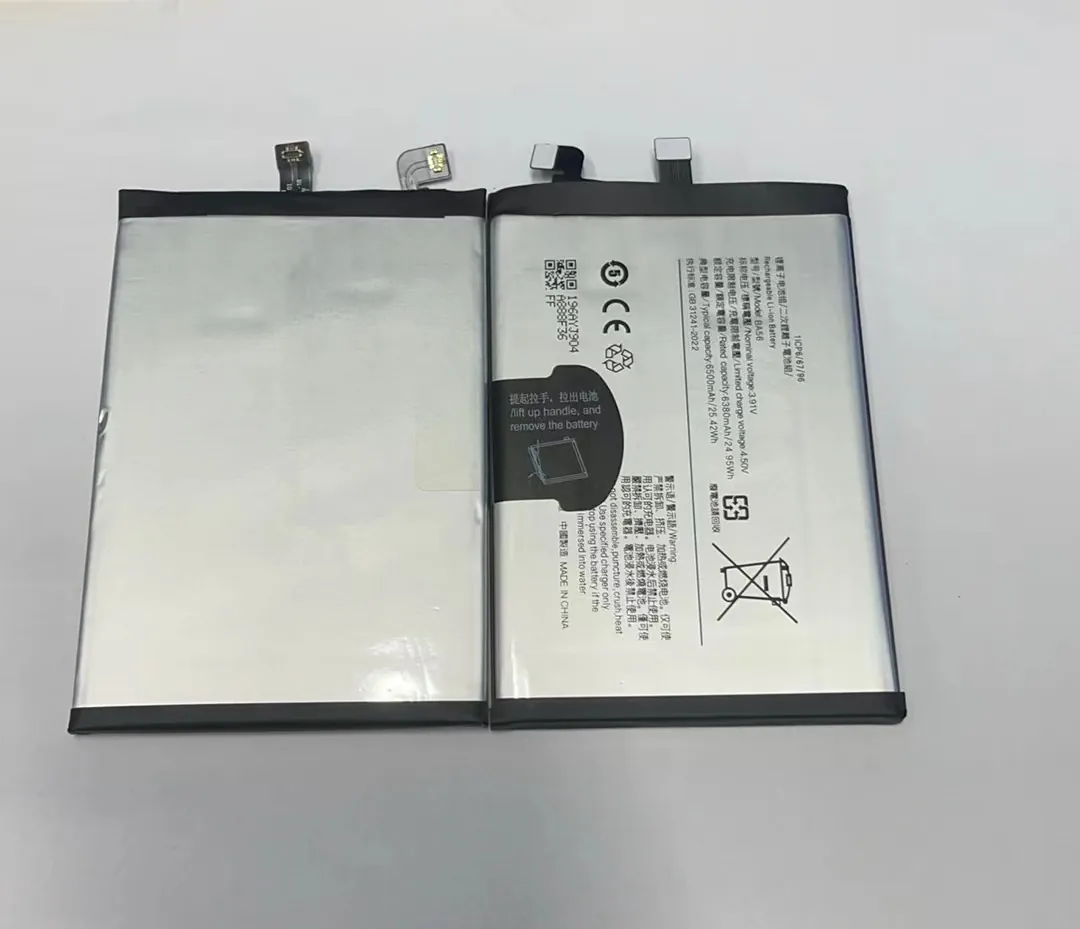
Why I pay attention to voltage in every batch
I test many batteries every month. I see how good voltage keeps them healthy. When voltage jumps too high or low, the battery becomes weak. I track these changes with tools. I record results in spreadsheets. I know stability is the key factor that separates good batteries from poor ones.
What happens inside a battery when voltage is unstable
Cell Chemistry Stresses
Lithium cells react badly to high voltage. High voltage forces ions into a state they cannot hold for long. This stress makes the battery degrade. Low voltage also hurts the cells because it forces them to drain below safe points.
Heat Increase
Unstable voltage creates heat. Heat makes cells age faster. I see more heat with cheap chargers. Heat also leads to swelling. Many customers tell me they see swollen batteries from low-quality chargers. This is why I never recommend unsafe tools.
Shorter Lifespan
A stable charger keeps the battery healthy for long use. Unstable voltage shortens the life by many cycles. I test batteries after many cycles. Stable chargers show better results almost every time.
Voltage Ranges for Common Batteries
| Battery Type | Safe Charging Voltage | Notes |
|---|---|---|
| Standard Li-ion Mobile Battery | 4.2V | Most common |
| High-Voltage Li-ion (HV) | 4.35V | Used in some models |
| Smartwatch Battery | 4.2V | Lower capacity needs gentle current |
How I control voltage in daily work
I use dock chargers for regular batches. I use lab power supplies for deeper checks. I monitor heat, cycle counts, and voltage drop. I keep records for each sample. This helps me choose the best suppliers and avoid unstable products. It also helps my repair partners avoid returns.
Which risks come with external tools?
Many people think external charging is always safe. But I remind them that these tools need careful use.
External charging carries risks such as wrong polarity, unstable voltage, bad pin contact, overheat, and battery swelling if the tool is low-quality or used incorrectly.

Why I warn people about risks
I see many repair shops use cheap chargers. These chargers cause battery failure later. Customers then blame the battery quality, not the charger problem. I want readers to know these risks so they do not face the same issues.
Major Risks to Watch For
1. Wrong Polarity
If you connect the battery backwards, the battery may short. Some chargers block reversed polarity, but some do not. I test every tool before I let my team use it.
2. Overcharge
If the charger does not stop at full level, the battery will swell. I see this often in low-cost tools. Overcharge reduces lifespan and safety.
3. Pin Damage
When pins do not touch well, the charger sends unstable current. This causes cell stress and heat. Good dock chargers reduce this problem with strong spring pins.
4. Unstable Current
Cheap chargers have poor circuits. They produce spikes. These spikes damage the cell structure. I use safe tools that pass QC to avoid such spikes.
5. Fire Risk
A damaged or swollen battery can catch fire under wrong voltage. This is rare but possible. I follow safe rules in every test.
How I reduce risks in my daily workflow
I use only tested tools. I check pins before each session. I charge batteries in open spaces. I mark any battery that shows heat. I discard swollen units. I also teach new staff to watch for signs of stress. These habits keep my workplace safe. They also help customers receive reliable parts.
Conclusion
External charging is useful when the phone cannot charge on its own. With the right tools and stable voltage, the process is safe. When you understand the risks and controls, you can protect your batteries and get better results.
