

Many users feel worried when their Samsung phones drain fast, and this fear grows when they depend on the phone for work or travel.
A Samsung phone battery usually lasts 2–3 years in lifespan and about 4–8 hours of active screen-on time per charge, depending on use, settings, and overall battery health.
I want to explain this in a simple way so readers know what affects battery performance and how they can improve it.
What factors affect Samsung runtime?
Many people feel confused when they see the battery drop fast, and this makes them think the phone is faulty.
Samsung battery runtime depends on capacity, chip efficiency, screen size, refresh rate, signal strength, and charging habits.

I want to break these points down one by one. I learned these lessons from many years of helping clients test, repair, and replace batteries.
Battery capacity and hardware load
Every Samsung model has a fixed battery capacity. Bigger phones hold bigger batteries. Smaller models cannot fit large cells. When hardware asks for more power, a small battery drains faster.
The chip also plays a big role. A newer chip handles tasks with better power control. It stays cool and wastes less energy. Older chips heat up and need more power to process simple actions.
Display size and refresh rate
The display drains more power than any other part. A large screen uses more energy than a small one. The refresh rate matters too. A 120Hz screen looks smooth but doubles the load on the system. A 60Hz screen saves power.
Network and signal strength
Weak signal forces the phone to search for connection again and again. This drains the battery even when the user is not doing anything. Many users think the phone is broken, but often it is the poor signal.
Table 1: Key factors that change Samsung battery runtime
| Factor | Impact Level | Notes |
|---|---|---|
| Battery capacity | High | Small batteries drain fast |
| Chip efficiency | High | New chips save power |
| Screen size | High | Larger = higher drain |
| Refresh rate | High | 120Hz uses more energy |
| Signal strength | Medium to High | Weak signal drains |
| Background apps | Medium | Many apps stay active |
These points show why runtime changes even when users feel they use the phone the same way each day.
How do apps change endurance?
Many users blame the battery, but the real cause is often apps running in the background.
Apps reduce Samsung battery endurance through background activity, high data use, constant notifications, location tracking, and heavy content like video or gaming.
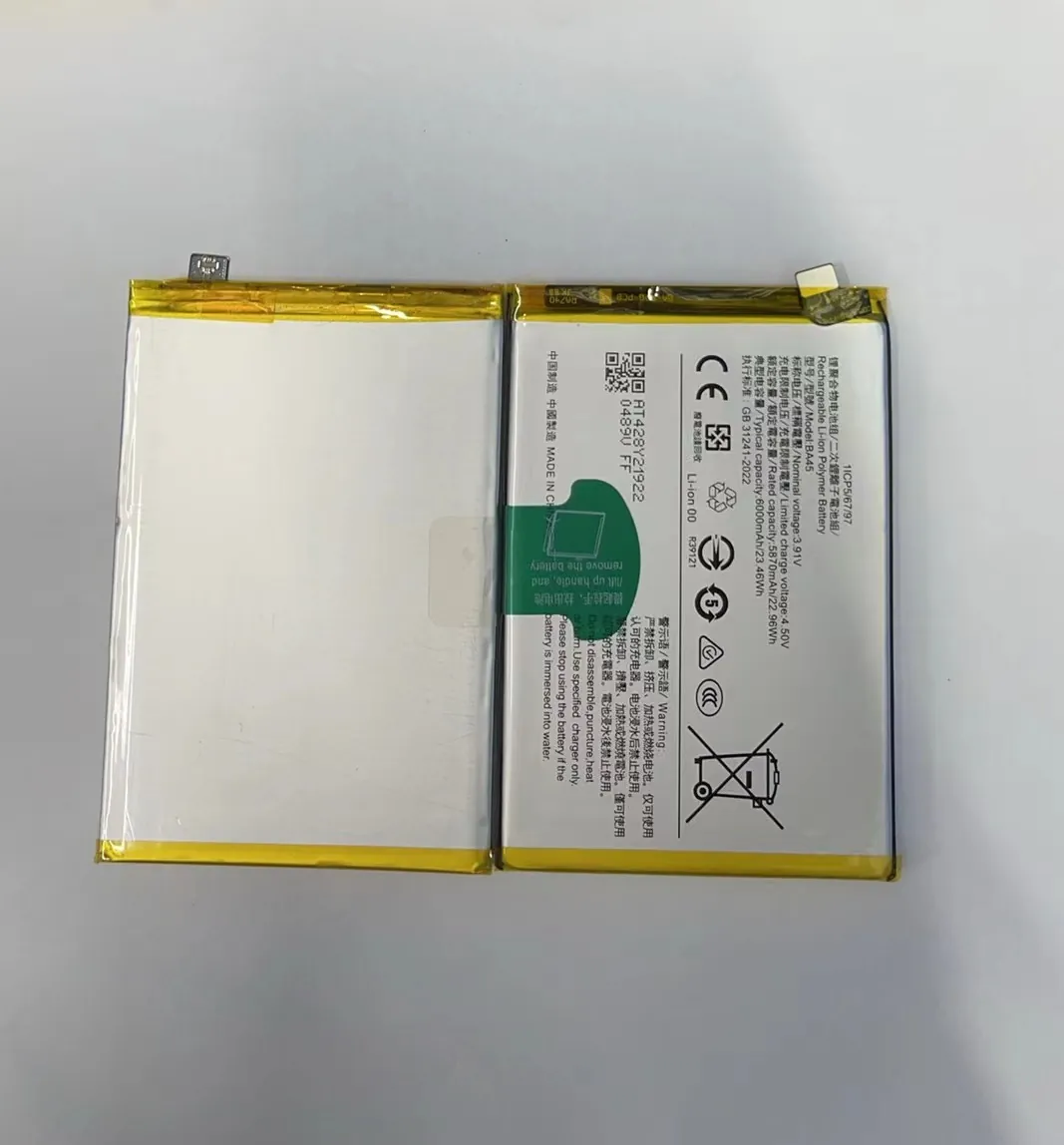
I want to show how apps drain power in ways many users do not notice.
Background processes
Apps like Facebook, Instagram, TikTok, WhatsApp, and even email apps stay active to sync data and push alerts. They drain power even when the screen is off. I often see phones with 20–40 background apps. Once I disable some, runtime improves.
Location and tracking
GPS drains power fast. Delivery apps, map apps, and fitness trackers check location often. Weather widgets also check data in the background. Users forget these apps run all day.
Video and gaming apps
Streaming apps use high brightness, decoding, and constant data. Games use CPU, GPU, sound, vibration, and network. These apps drain batteries faster than any other type.
App optimization tools
Samsung offers battery optimization tools that limit background activity. Many users ignore these settings. When they adjust them, they gain hours of extra use.
Table 2: App types and battery drain levels
| App Type | Drain Level | Examples |
|---|---|---|
| Social media | High | TikTok, Facebook |
| Streaming | High | YouTube, Netflix |
| Navigation | High | Google Maps |
| Gaming | Very High | PUBG, Genshin Impact |
| Messaging | Medium | |
| Utilities | Low | Notes, Clock |
Apps shape battery life more than hardware in many cases. Once users understand this, they gain more control over battery performance.
Why does capacity vary by model?
Some users feel confused when they see Samsung models with very different battery sizes.
Samsung chooses different battery capacities because of phone size, hardware demands, product category, cost, and comfort.
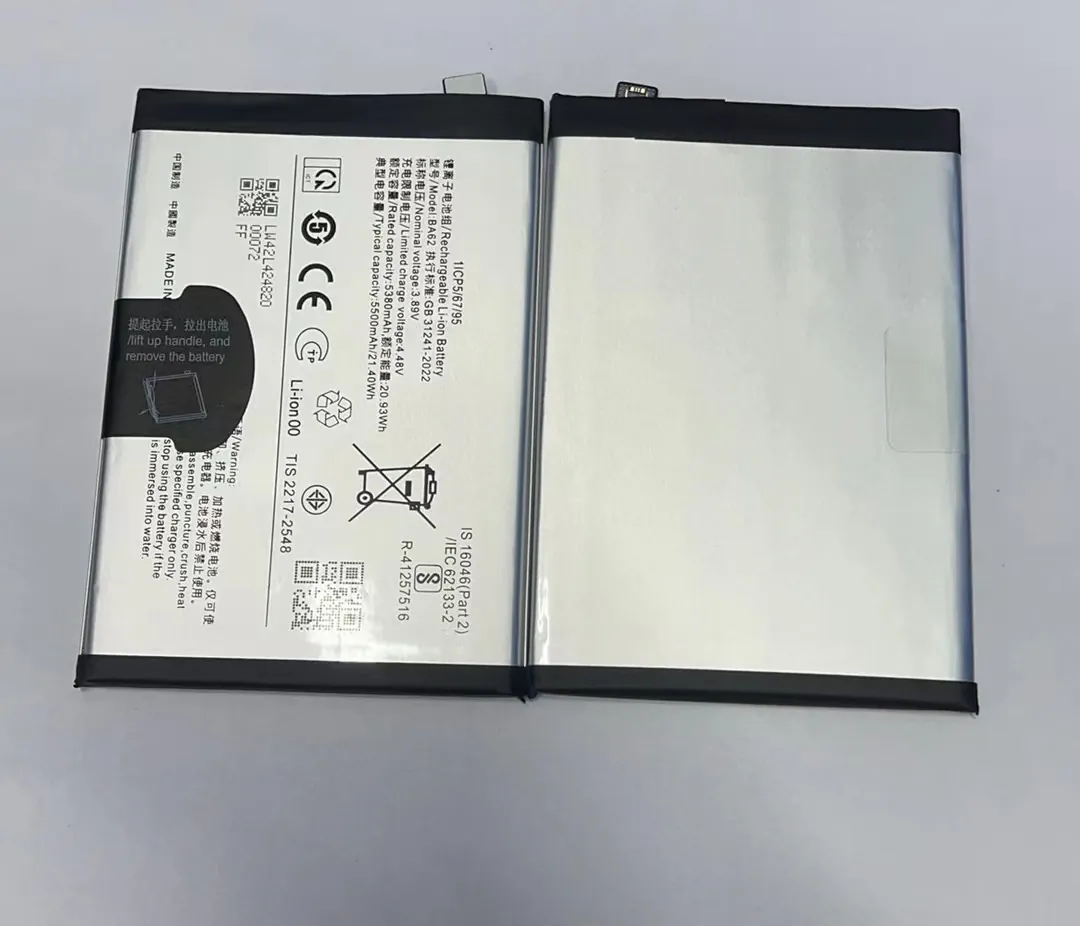
I want to show the logic behind these design choices.
Phone size and internal space
A big phone has more physical room for the battery. A small phone cannot hold a large cell because other parts take up the space. Samsung must fit the motherboard, cameras, speakers, antennas, and cooling parts inside.
Hardware demands
A phone with a fast chip, large camera module, high-res display, or 120Hz refresh rate needs a larger battery. A budget model with lighter hardware can use a smaller battery and still last long.
Product category and cost
High-end models include large batteries and strong hardware. Budget models use smaller ones to keep costs down. Samsung balances features and price depending on the target user.
Weight and comfort
A very large battery makes the phone heavy. Many users prefer lighter phones. Samsung must balance battery size with user comfort. I see many customers choose lighter models even when they say they want longer battery life.
These reasons explain why two Samsung phones can have very different battery capacities even in the same year.
Which habits extend battery life?
Many users want longer battery life but do not know which steps really help.
Good habits include slow charging, low brightness, closing heavy apps, using power-saving modes, and avoiding heat.
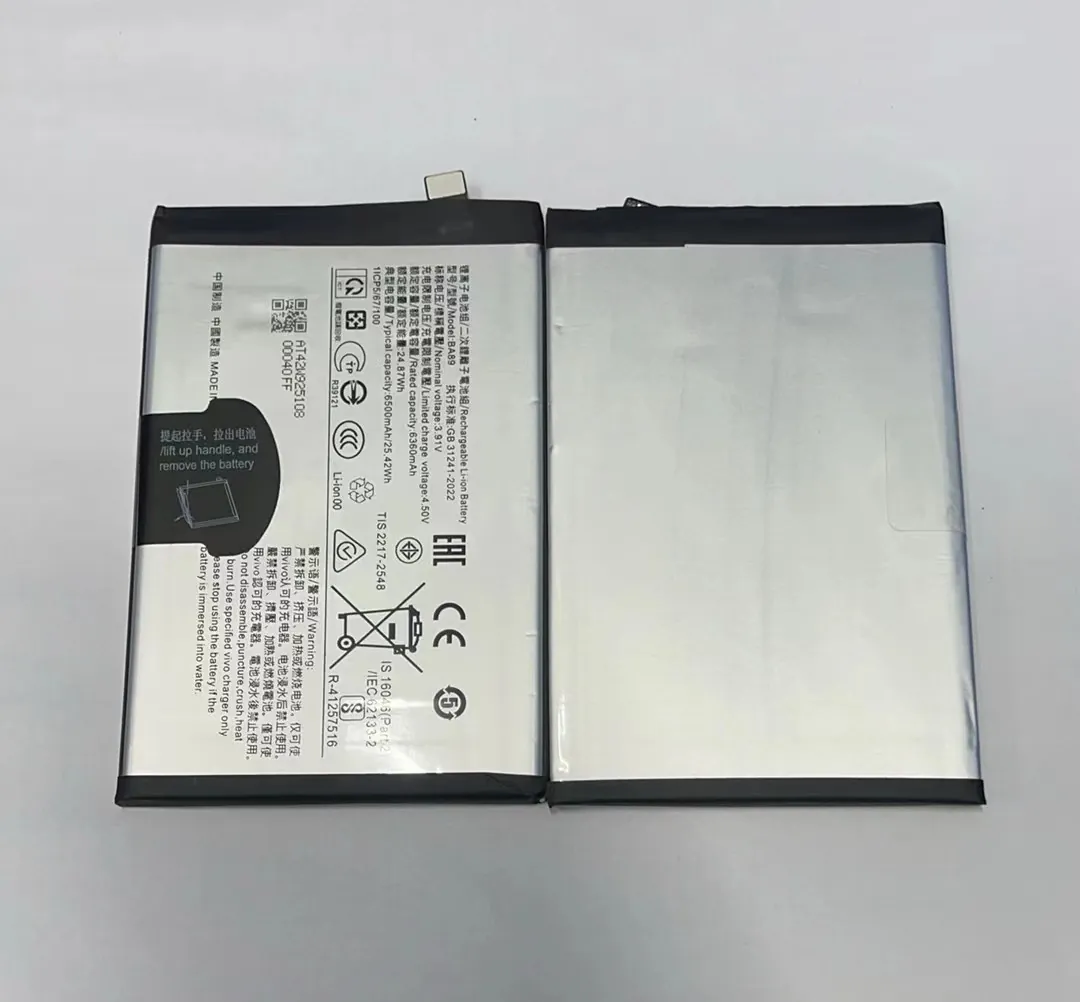
These habits are simple, and I use them every day.
Keep the phone cool
Heat damages lithium batteries. A hot phone ages fast. Users should avoid leaving the phone in the sun, charging while playing games, or placing it near heat sources. I see many swollen batteries caused by heat over time.
Charge slowly when possible
Fast charging creates heat. Slow charging keeps the phone cool and protects battery health. I tell customers to use fast charging only when they are in a rush.
Lower screen brightness
The display drains power more than any other part. Keeping brightness low helps right away. Samsung’s adaptive brightness also helps adjust it automatically.
Use power-saving modes
Samsung includes power-saving modes that limit background activity, reduce CPU load, and cut animations. Many people ignore them, but they add extra hours easily.
Remove unused apps
Unused apps still update and run services. Removing them reduces drain. A clean phone runs longer and feels smoother.
Avoid deep discharge cycles
Lithium batteries like shallow cycles. Keeping charge between 20%–80% helps the battery last longer. Full 0%–100% cycles add stress. I follow this rule, and I see better long-term results.
Daily checklist
- Keep phone cool
- Charge slowly
- Lower brightness
- Turn off high refresh rate when not needed
- Close heavy apps
- Delete unused apps
- Use power-saving mode when traveling
- Avoid charging from 0% to 100%
These simple steps help users keep both daily and long-term battery life stronger.
Conclusion
Samsung battery life depends on hardware, software, habits, and user behavior. When people understand these factors, they gain better control of runtime and keep their battery healthy for a longer period.
