
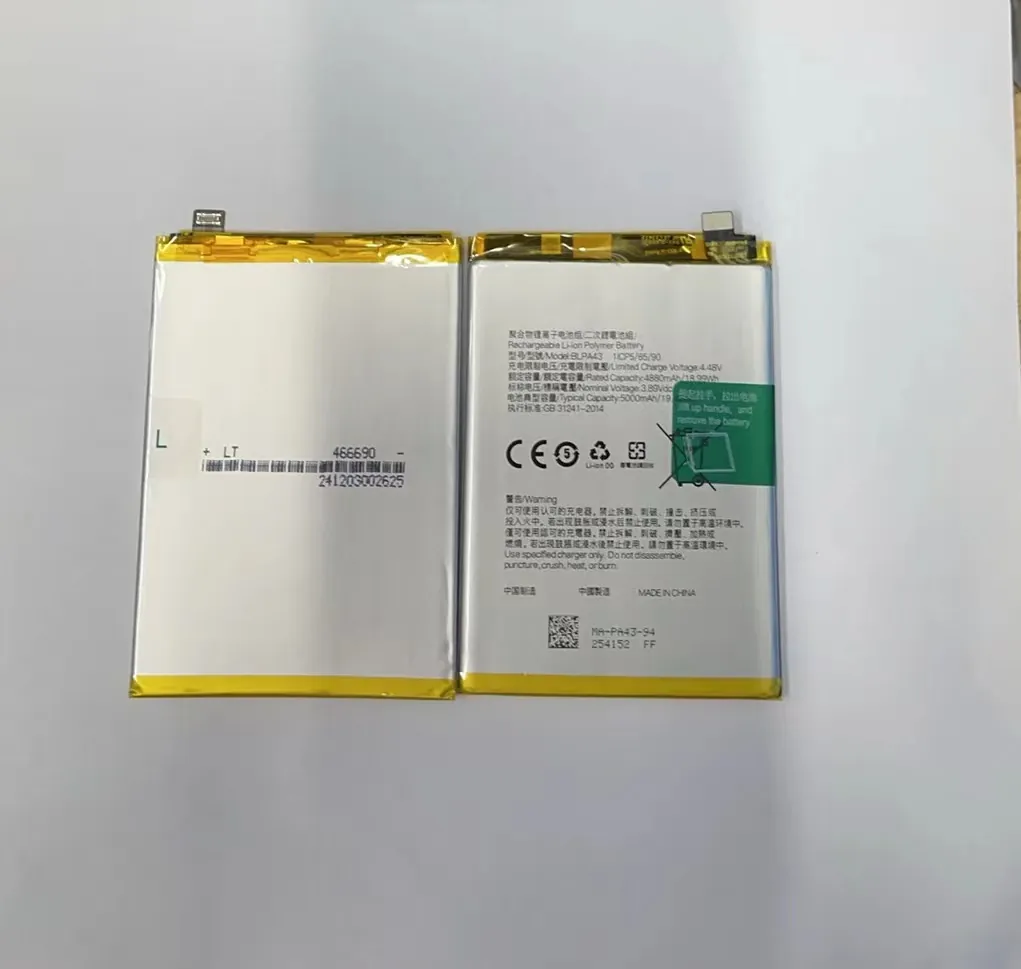
Many people try random tricks when their phone battery drops fast. This often makes the battery worse and creates fear. I want to help readers fix simple issues safely.
You can repair only small battery problems like wrong readings, weak calibration, or dirty contacts. Deep chemical damage, swelling, or leaks cannot be repaired and require replacement.
I want to guide readers step by step, so they understand which problems are safe and which problems are not, based on what I see in daily repair work.
What issues can be fixed safely?
Some users panic when they see big drops from 100% to 80%. This fear pushes them to try unsafe methods. I want to clear the confusion first.
You can safely fix issues like bad readings, stuck battery percentage, weak charging caused by dust, and light software bugs. These do not harm the battery cell and can be handled at home.

Why small battery faults are safe to repair
When I check devices, I see that many batteries are not damaged. The phone only reads the data wrong. The battery cell stays healthy. The problem sits in the software or in small things like dust inside the charging port. These issues do not change the battery structure.
Types of faults you can repair at home
Below is a clear list that helps readers judge the problem fast.
| Issue Type | Cause | Safe to Fix? |
|---|---|---|
| Wrong battery percentage | System misread | Yes |
| Slow charging | Dust or lint | Yes |
| Sudden shutdown at 10–20% | Sensor confusion | Yes |
| Mild overheating during heavy use | Normal load | Yes |
How these faults act in daily use
Small faults behave in clear patterns. The phone stays cool when idle. The power drop is sudden but not dangerous. The device still charges well. Most of these problems respond to small actions like cleaning or restarting.
Simple checklist to judge safe faults
I often ask customers to check these points:
- The phone can still charge normally.
- The battery shows no swelling.
- The phone stays cool when idle.
- The charging speed returns after cleaning.
- The phone shuts down only at low levels.
If all points match, the battery issue is safe to fix at home.
How do calibrations restore accuracy?
The term “calibration” sounds complex, so many users ignore it. But calibration is simple and important.
Calibration resets the system’s battery data and teaches the phone the true full and empty levels. It fixes jumps, stuck numbers, and wrong readings, but it cannot fix physical battery wear.
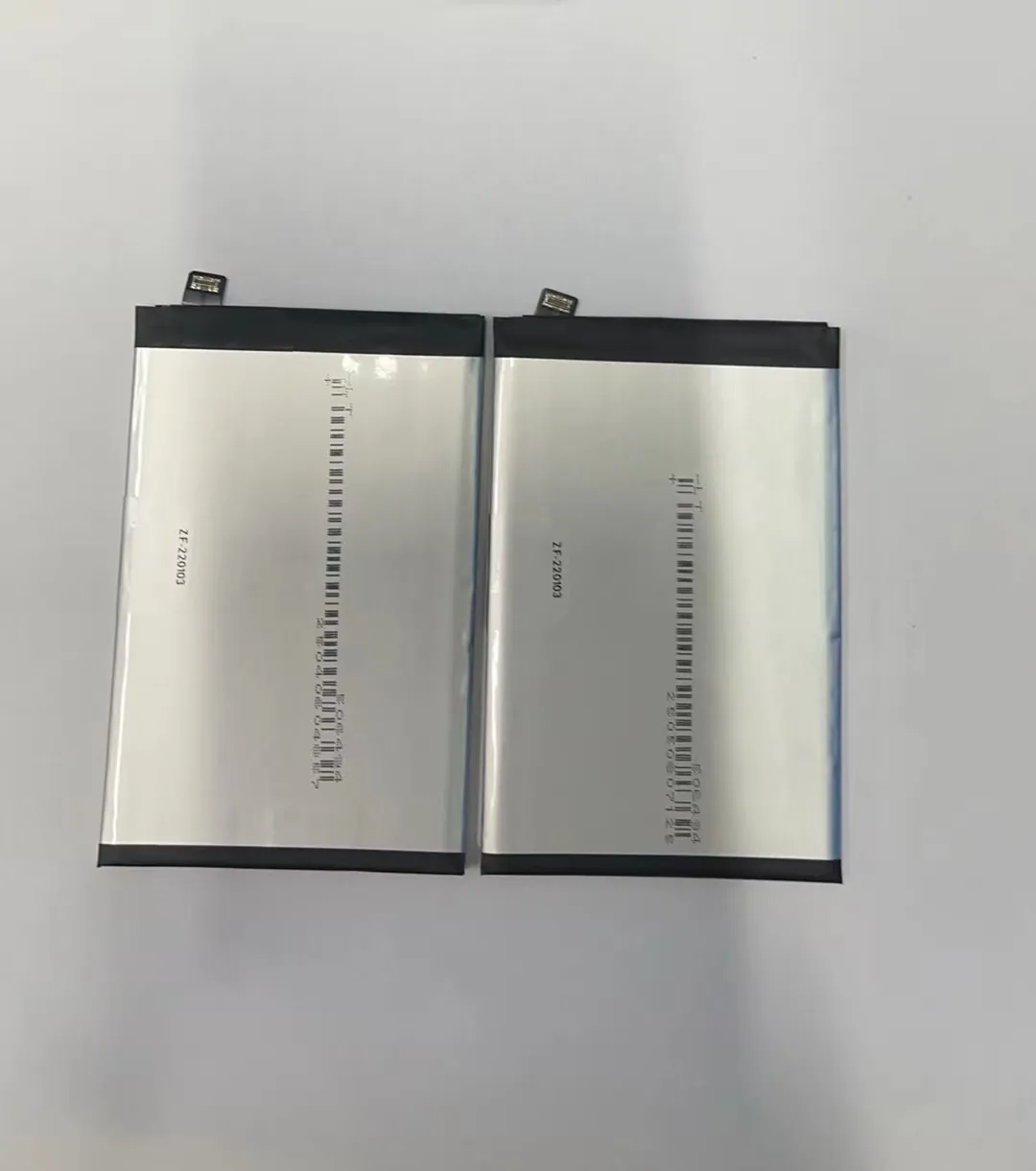
Why calibration works
The phone does not measure the battery level directly. It uses voltage data and learned patterns. When these patterns grow old or confused, the phone guesses wrong. Calibration clears old data and forces the phone to relearn accurate values.
When calibration helps most
I ask customers to try calibration when:
- The battery jumps from 40% to 5%.
- The percentage stays stuck.
- The phone shuts down early.
- The phone charges to 100% too fast.
Most of these come from wrong system learning.
Steps that create the best calibration result
I teach users this simple routine:
- Charge the phone to 100% and keep it plugged for one hour.
- Use the phone until it shuts off.
- Leave it off for two hours.
- Charge again to 100% without breaks.
This full cycle resets the tracking data.
Table: When calibration works and when it fails
| Symptom | Reason | Will Calibration Help? |
|---|---|---|
| Fast drops from 100% | Wrong curve | Yes |
| Early shutdown | Old low-level data | Yes |
| Stuck at one percentage | Sensor error | Yes |
| Swelling | Physical damage | No |
How people feel after a good calibration
After calibration, many users tell me the phone feels stable again. The numbers move smoothly. They stop checking the level too often. A stable reading gives confidence, even if the battery is old.
Why chemical damage is permanent?
Many people try unsafe ideas when they see swelling. Some try needles. Some put the battery in a freezer. Some install “repair apps.” All of these are dangerous. I want to explain this clearly.
Chemical damage cannot be reversed. When the lithium cell breaks, forms gas, or leaks, the internal layers collapse. This damage cannot be repaired with tools, resets, or apps. Only replacement is safe.
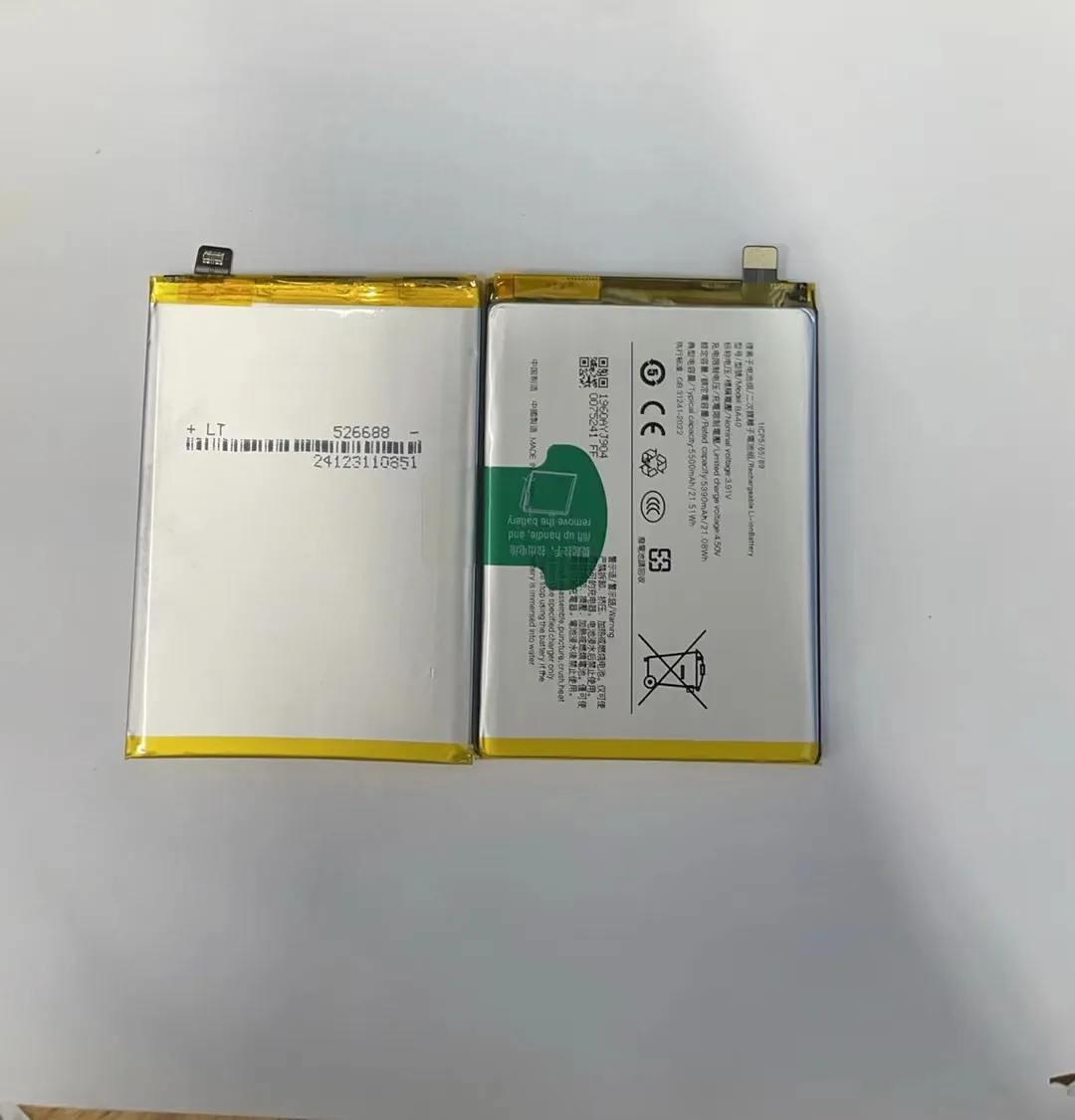
Clear signs of chemical damage
Chemical damage always shows strong symptoms:
- Battery swelling
- Screen lifting
- Heat when idle
- Fast drain even in standby
- Smell or leakage
I warn every customer that these signs mean danger. They must replace the battery.
Why lithium cells cannot be repaired
Lithium cells work through controlled reactions. When the internal layers break, the reaction becomes unstable. Gas forms and pushes outward. The surface breaks down. Once this happens, the structure cannot be rebuilt.
Swollen batteries create physical risk
A swollen battery can crack the screen frame. It can also leak. It may even catch fire. I have seen phones with crushed displays because the battery expanded slowly for months. Some users tape the back cover down. This is unsafe.
Fast draining from structural decay
When the active material inside the battery breaks down, the battery loses real capacity. The drop from 100% to 0% becomes fast. This is not a software issue. No reset can fix a broken cell.
What I tell customers with deep damage
I explain the truth in simple words:
- The cell is broken.
- The problem is chemical.
- Chemical problems do not reverse.
- A new battery is the only real fix.
This clear logic helps customers accept replacement without fear.
Which steps improve mild faults?
Many readers want steps they can try right now. I want to give clear actions that fix mild faults fast.
You can improve mild faults by cleaning ports, checking cables, updating software, reducing heat, closing background apps, and restarting daily. These steps fix issues caused by dirt or software confusion.
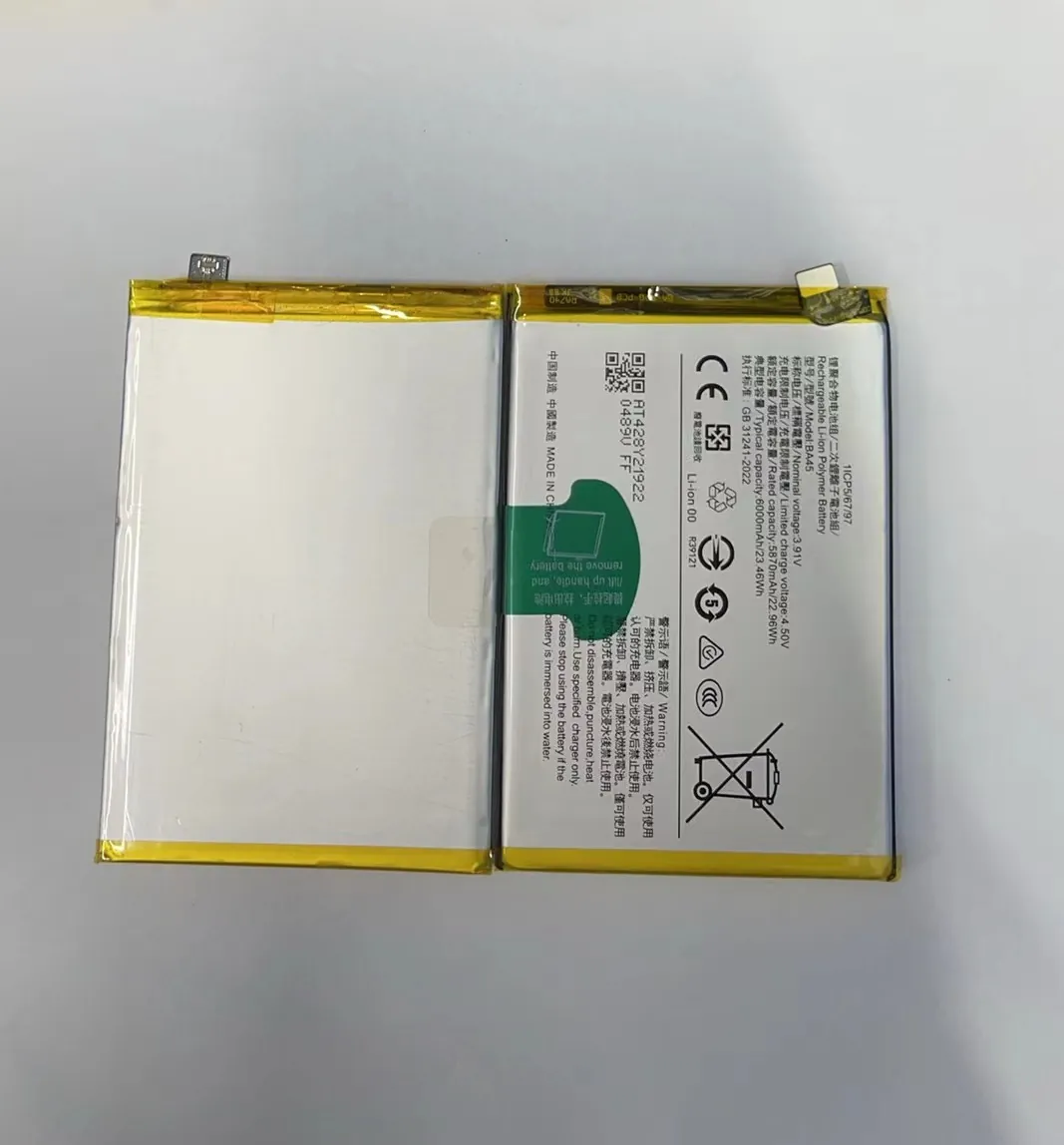
Easy steps I teach users
These steps are simple and safe:
- Clean the charging port using a wooden toothpick.
- Try a new cable or charger.
- Update the phone system.
- Restart the phone daily.
- Turn off unused apps.
- Keep the phone cool during use.
Why cleaning the port matters
Dust blocks the pins inside the port. This slows the charge or stops it. I often see a big piece of lint come out. Most users feel surprised because they did not notice it. After cleaning, the charging speed returns to normal.
Why system resets help a lot
The system learns your battery habits. When this data turns old, the reading becomes wrong. Resetting the system or recalibrating removes this old data. The phone then learns a new pattern and behaves better.
Why heat control helps battery health
Heat speeds up cell aging. Even a good battery wears down fast when it gets too warm. I tell people to avoid long gaming while charging. I also ask them to remove the case when the phone becomes hot.
How these steps improve daily performance
After simple actions, the battery becomes more stable. Charging becomes smoother. The phone stays cool. The drain slows down. These signs show that the battery is still healthy and only needed small care.
Conclusion
Small battery issues can be repaired through simple steps, but chemical damage cannot be reversed. When users understand the difference, they avoid danger and extend the life of their phones.
