
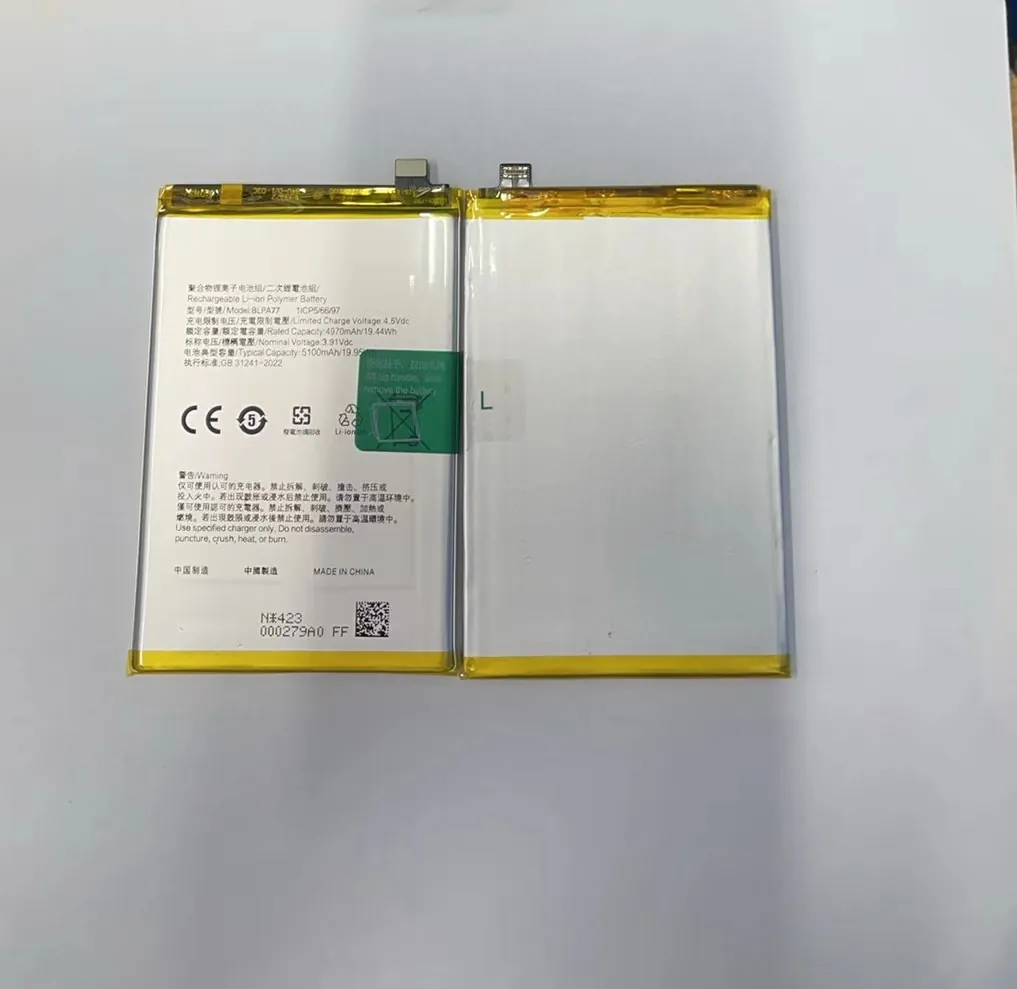
Many phone buyers wonder if their device uses safe power. Older batteries failed often. Choosing correct battery type matters.
Yes. Most modern smartphones use lithium‑ion batteries. They deliver high energy, fast charging, and long life compared to old types.
Continuing reading helps you learn why lithium batteries dominate phones today.
Are lithium‑ion batteries standard in all smartphones?
Many people worry about battery safety before buying phones. They ask: is my phone battery the “right kind”? I know that confusion can cause doubts.
Yes. Almost all new smartphones use lithium‑ion batteries. Only very old or very cheap devices use other types.
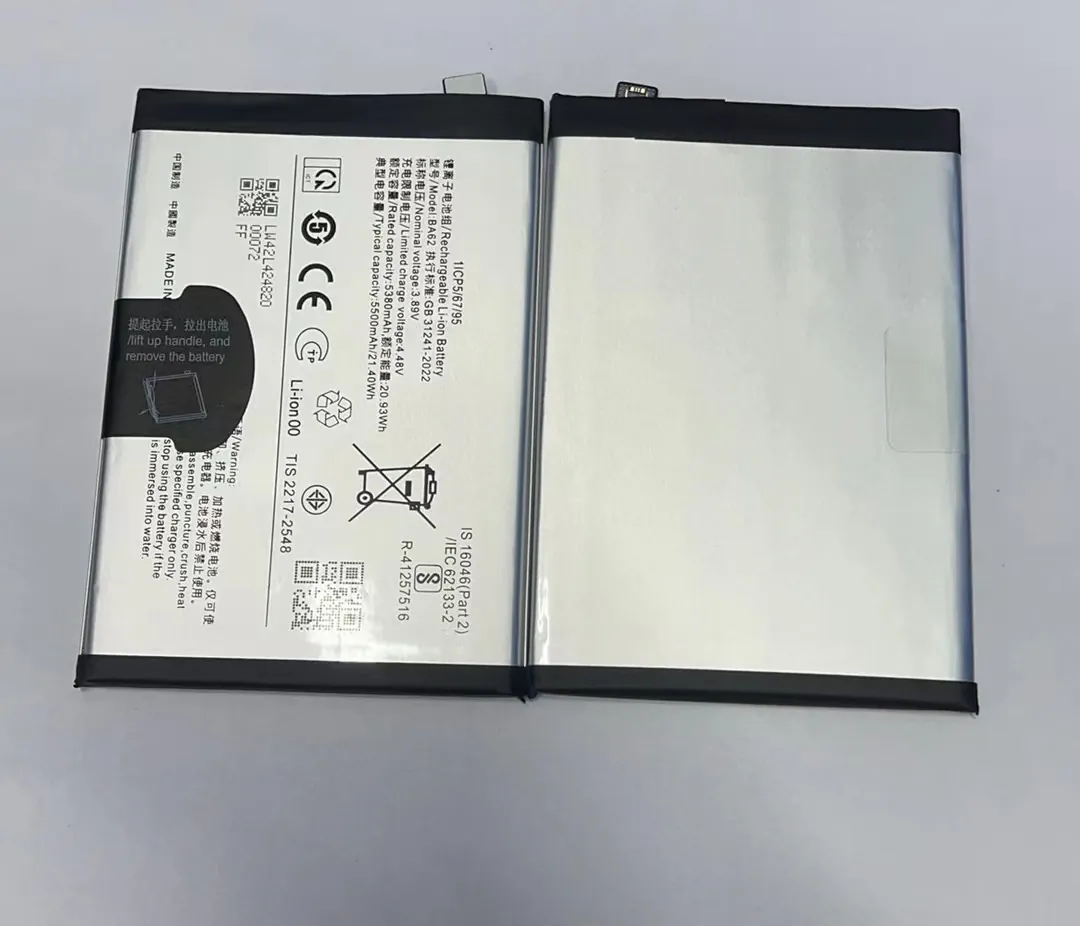
Smartphone makers switched to lithium‑ion (Li‑ion) battery technology more than ten years ago. Only a few old phone models still used nickel‑metal hydride (NiMH) or nickel‑cadmium (NiCd) batteries. Those older battery types had low energy density and short runtime. Today, even low-cost phones use lithium‑ion cells because they give better power and stay thin.
Phone types and battery standards
| Phone type | Common battery inside (as of 2025) |
|---|---|
| Flagship / mid‑range / budget smartphones | Lithium‑ion |
| Very old smartphones (pre‑2010) | NiMH or NiCd (rare today) |
| Some basic feature phones | NiMH or basic nickel cells (few, mostly older models) |
| Rugged phones or special devices | Often lithium‑ion or lithium polymer |
In rare cases, some very old or very cheap “feature phones” may still use nickel-based cells. Those phones have low power demand and low cost. But almost no new phone ships with NiMH or NiCd. Even basic models now rely on lithium technology.
Because lithium‑ion batteries are standard, many phone repair parts, chargers, and spare batteries assume that battery chemistry. That helps repair shops and wholesalers. If someone asks “Does this phone use lithium?” the safe answer is yes — unless the phone is very old or extremely low-cost.
Sometimes people ask if lithium‑polymer (Li‑Po) is different. Li‑Po is a variation of lithium battery. It still counts as lithium‑based. So standard smartphones use lithium chemistry, either Li‑ion or Li‑Po. That covers nearly all modern devices.
Thus lithium‑ion is indeed the standard.
How do lithium batteries outperform older technologies?
Many consumers remember old phones with weak batteries. They know those batteries failed fast or leaked. Modern phones rarely face those issues.
People worry if lithium is overhyped. They ask: what really makes lithium better?
Lithium batteries beat older types by storing more energy, charging faster, lasting longer, and staying lighter.
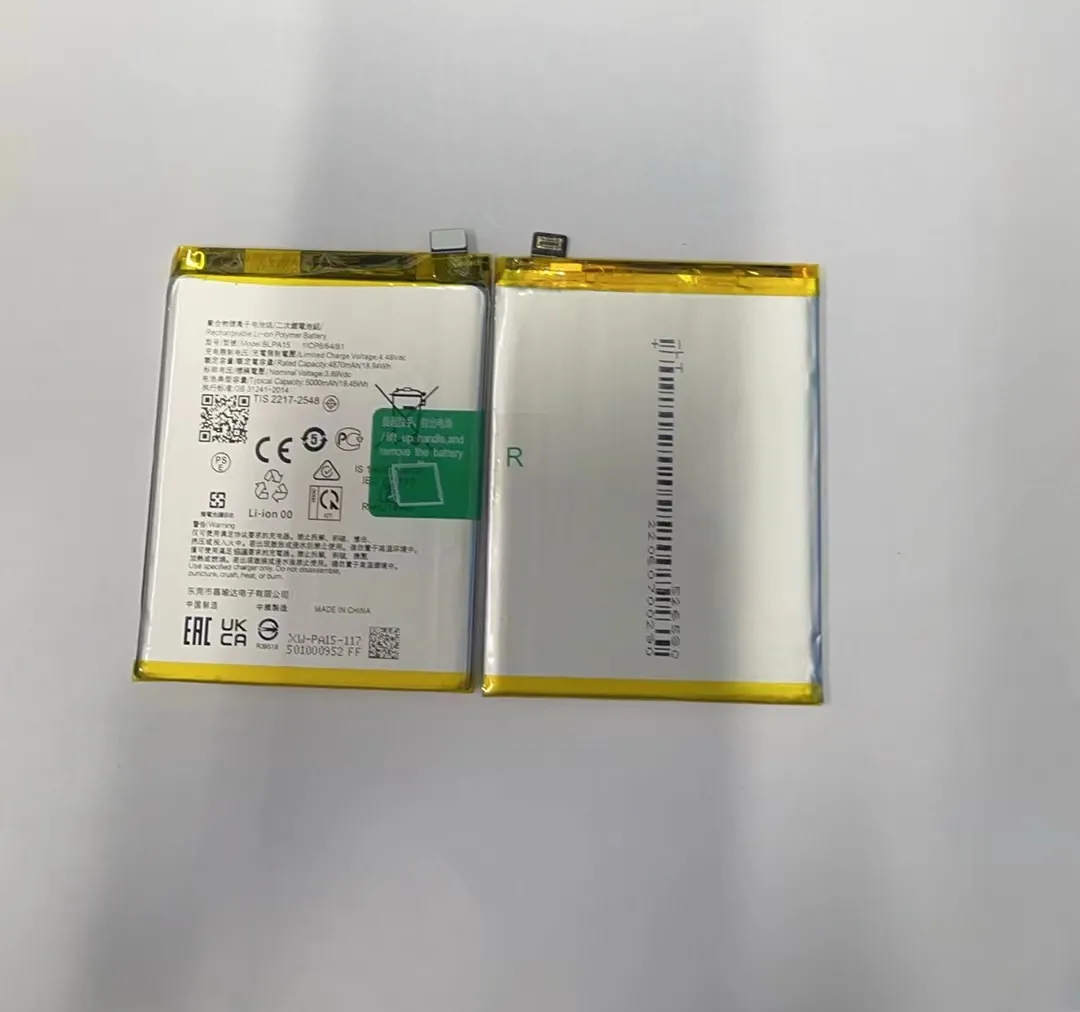
Why lithium wins
Energy density
Lithium‑ion batteries store much more energy per gram than NiMH or NiCd. That lets phones last hours without being bulky. Older nickel batteries could not store enough energy for high‑power tasks like video or gaming. Lithium cells deliver enough energy for heavy use.
Size and weight
Lithium cells are lighter and thinner. That helps phones stay slim and portable. Older technologies needed heavier, thicker cells for the same runtime. Designers could not make thin smartphones with nickel batteries. Lithium lets phones stay pocket‑friendly.
No memory effect
Nickel-based batteries suffered “memory effect.” If they were not fully discharged before recharging, their capacity dropped. Users needed to drain them fully before recharge. Lithium batteries do not have this issue. People can charge often without losing capacity. That makes daily use easier.
Charging speed and cycles
Lithium batteries charge faster than older ones. They also support more charge cycles before degradation. Typical lithium‑ion can handle 300–500 full cycles before capacity drops noticeably. Nickel batteries often wore out sooner. Faster charging and longer life make lithium more convenient.
Summary comparison
| Feature / Property | Lithium‑ion / Li‑Po | NiMH / NiCd | Lead‑Acid (not for phones) |
|---|---|---|---|
| Energy per gram | High | Low | Very low |
| Size / Weight | Compact, light | Bulkier, heavy | Very heavy |
| Memory effect | None | Yes | N/A |
| Charge cycles | ~300–500+ | ~100–200 | Low |
| Charge time | Fast | Slower | Very slow |
| Ideal for phones? | ✅ Yes | ❌ Rarely | ❌ No |
Because of these benefits, lithium batteries suit smartphones much better. They give long runtime without bulk. They charge quickly. They last months or years. Older batteries could not match these demands.
What are the risks of using lithium in phones?
Many people assume lithium is perfectly safe. Others heard about battery fires or swelling. They worry what can go wrong.
Lithium batteries carry risks: overheating, swelling, fire, and chemical pollution.
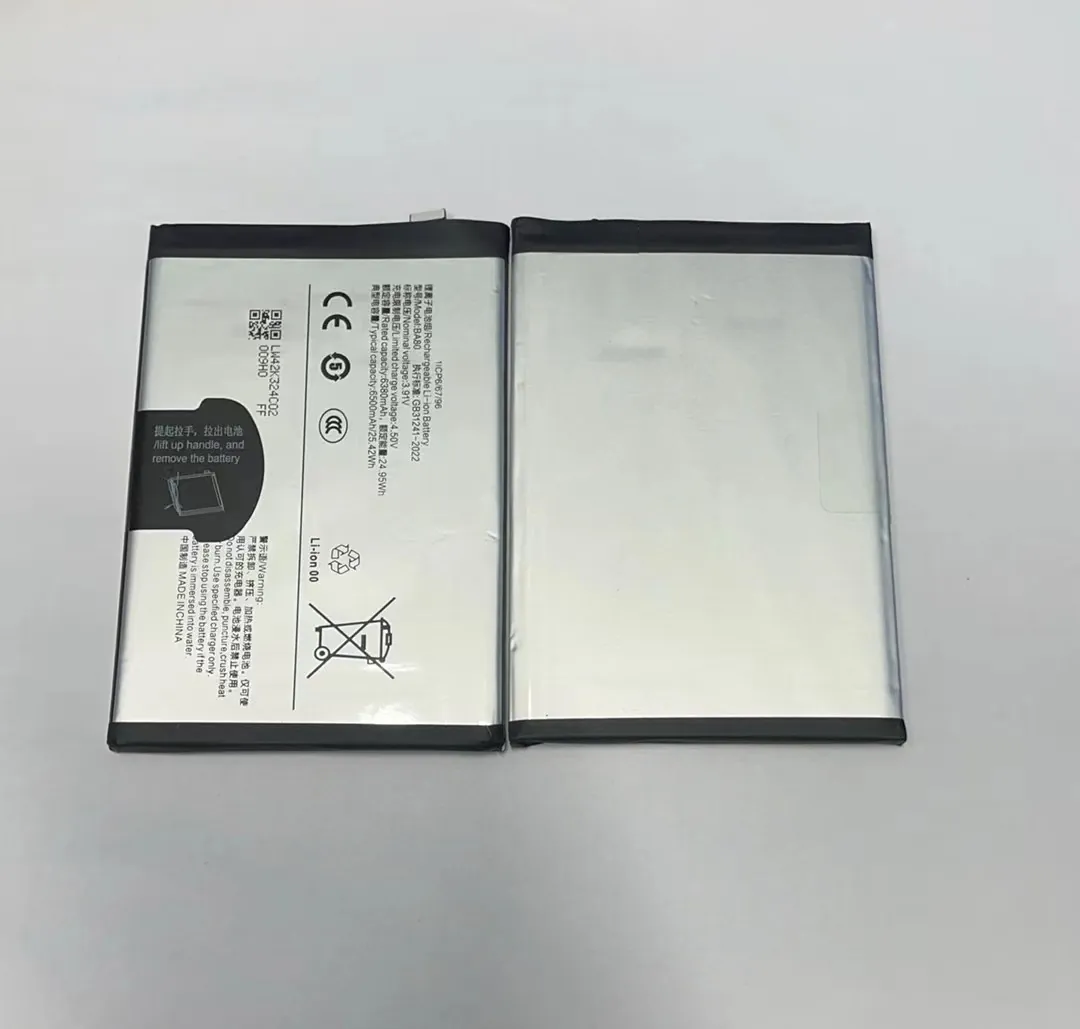
Major risks in detail
Thermal runaway and fire
Lithium‑ion cells store a lot of energy. If internal parts are damaged — for example, through a sharp bend, impact, or manufacturing defect — the battery can short internally. That can cause overheating. Once it starts, heat can trigger chemical reactions. This is called thermal runaway. It can lead to fire or explosion. Phone makers protect batteries with safety circuits and casings. But misuse (like puncturing the battery) or bad chargers can trigger danger.
Battery swelling and leakage
Over time, lithium batteries degrade. Gas may build inside cells when they overheat or over‑charge. That pushes layers apart. Battery swells. Swollen batteries can press against phone housing. That can crack screen or case. They can also leak chemicals if casing breaks. Battery leakage is dangerous for both device and user.
Capacity loss over time
Each full charge/discharge cycle slowly reduces capacity. After many cycles, battery holds less charge. That means phones run shorter time. Users may see this as “battery dying”. For old phones, replacement battery quality matters. A bad third‑party battery can lose capacity even faster.
Environmental and disposal concerns
Used lithium batteries contain metals and chemicals. Throwing them in regular trash harms environment. If landfill water leaks or improper incineration occurs, chemicals can pollute soil and air. Recycling lithium batteries safely is important. Not all recycling centers take small phone batteries. People must use proper electronic waste channels.
Risk vs Mitigation
| Risk type | Cause | Mitigation advice |
|---|---|---|
| Fire / explosion | Internal damage, bad charger, overheating | Use original or certified charger; avoid dropping or puncturing phone |
| Swelling / leakage | Over‑charge, wear, heat | Replace battery when swelling appears; avoid extreme heat |
| Capacity loss | Normal wear, many cycles | Replace battery after 2–3 years; buy tested batteries |
| Environmental harm | Improper disposal | Use proper e‑waste or battery recycling centers |
I once saw a badly swollen battery in a phone repair shop. It puffed so much that the case lifted. Repairer warned that had the user kept charging it, it could catch fire. That memory shows that lithium risks are real. People should treat batteries with care and choose tested parts.
Why are lithium batteries preferred in mobile devices?
People often take battery choice for granted. Some ask: “Why don’t phone makers use other safe battery types?” The answer lies in balance of performance, cost, and manufacturing readiness.
Manufacturers prefer lithium batteries because they offer high performance, low weight, stable supply, and good economics for mass production.
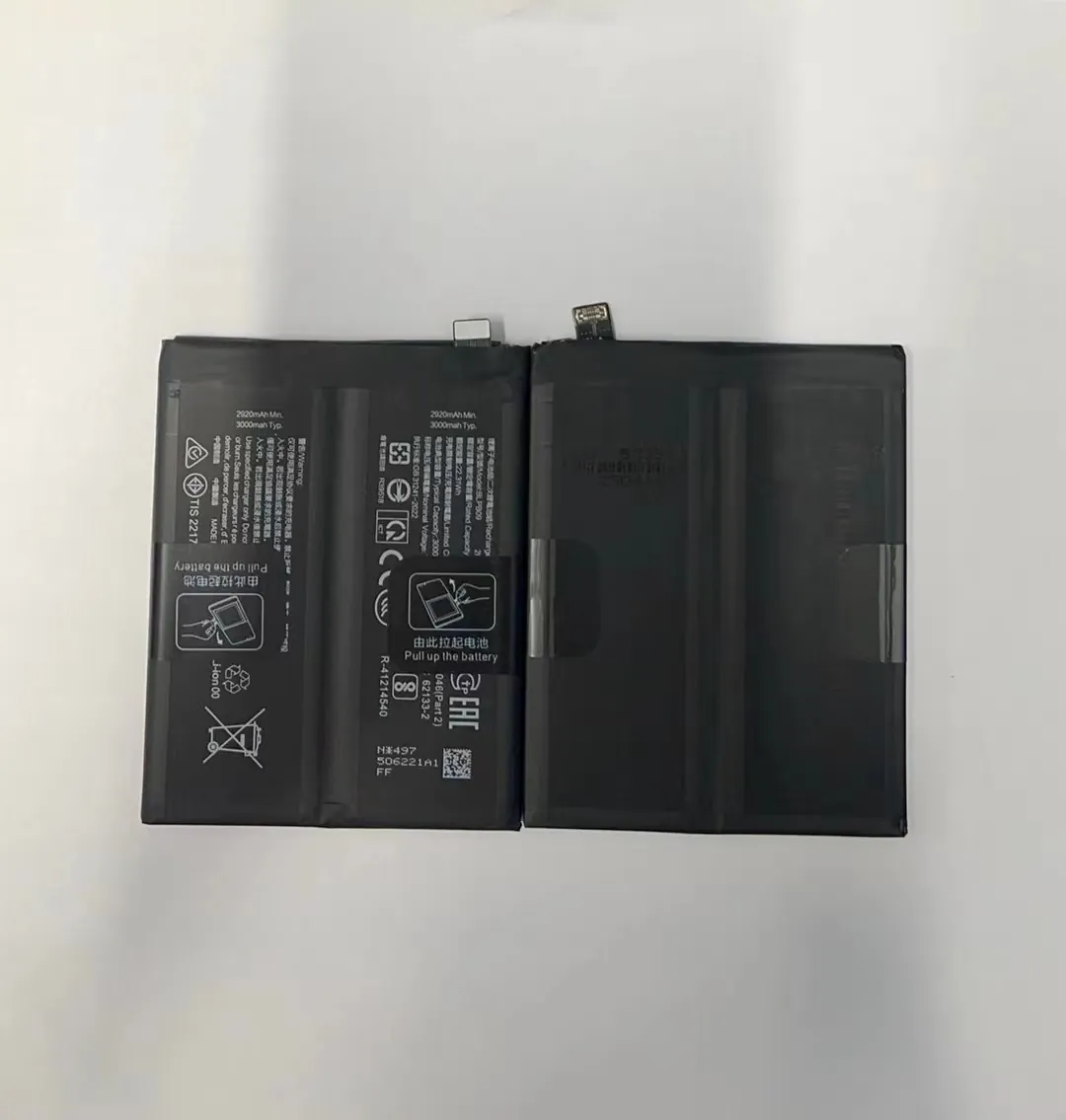
Factors driving preference
High performance with small size
Smartphones need power for screen, processor, camera, network, graphics. All in a thin shell. Lithium batteries give enough energy without much bulk. Other battery types would make phones thick or heavy. Lithium enables slim design and strong performance.
Mature supply chain and standardization
Battery makers worldwide standardized on lithium cells decades ago. Factories, shipping, testing protocols, safety standards — all built around lithium chemistry. That makes sourcing and testing cheaper. Phone manufacturers get reliable lithium cells in large volumes. Building a supply chain around new chemistry would cost more.
Cost‑effectiveness at scale
Lithium battery factories produce millions of cells per month. High volume brings down cost per unit. Alternative battery types lack the same scale. For phone makers, lithium gives best price-to-performance ratio. That helps keep phone prices reasonable while giving good battery life.
Longevity and user convenience
Lithium‑ion batteries tolerate many charge cycles. That matches users who charge phones daily or frequently. They avoid “memory effect”. They allow quick and convenient charging. Old users remember needing full discharge before recharge. Lithium removed that pain. That improves user experience.
Support for fast charging and new features
New phones support fast charging, wireless charging, power-hungry apps like video calls, gaming, GPS, high‑resolution display. Lithium batteries handle high discharge and recharge rates better. That supports modern phone features.
Real‑world benefit summary
- Slim phones with high battery life.
- Fast recharge and daily convenience.
- Stable, tested battery supply worldwide.
- Affordable battery cost due to mass production.
- Support for new phone features without battery issues.
Because of all these factors, lithium batteries remain the best fit. Until a new battery technology matches lithium’s power, size, and cost, lithium will stay as standard.
Conclusion
Smartphones mainly use lithium batteries. They give strong power, thin design, and long life. Risks exist but are manageable. For now, lithium remains the top choice for mobile devices.
