

Many people wonder what kind of battery powers their phone. They open a box or buy a phone and they want a battery that lasts long. They want safe power and a reliable battery.
Most phones today use lithium‑ion batteries because they offer strong energy and rechargeability, and they balance size, cost, and performance.
Phones keep improving. So understanding what battery is inside helps you know how your device works. Let’s go deeper into battery types and future trends.
Is lithium‑ion the dominant battery in all phones?
Batteries break down fast. Many users worry about how long their phone will last. They want long life and safety.
Yes. Almost all modern smartphones use lithium‑ion batteries because they are light, rechargeable, and stable enough for daily use.

Modern smartphones seldom use older battery types. Lithium‑ion (Li‑ion) gives high energy density. That means a full charge fits much power in a small, light pack. Also, Li‑ion can recharge many times. It tends to handle many charge cycles before capacity drops much. The battery chemistry gives good voltage stability. Phone makers trust those traits.
Many early phones used older chemistries. Some used nickel‑cadmium (NiCd) or nickel‑metal hydride (NiMH). Those were common when phones were larger and simpler. They held less energy, weighed more, and lost charge quickly. Unlike Li‑ion, they had “memory effect.” That meant partial charging and discharging changed their maximum capacity. For user, that led to reduced lifetime.
Smartphone makers moved to Li‑ion around early 2000s. By 2010s, almost every brand used it. That move happened because Li‑ion offered:
- High energy per weight
- Rechargeability without serious memory effect
- Acceptable cost for volume production
- Acceptable safety when built with care
Today, Li‑ion remains dominant. Even many budget phones use it. Flagship phones use top-grade Li‑ion cells from trusted suppliers. Manufacturers often balance price and quality. They choose cells that pass safety tests and deliver expected battery life.
But “all phones” is slightly broad. Some older or very cheap phones might still use older tech. Or some rugged or special-purpose phones may use lower‑cost or simple battery packs. Yet for mainstream smartphones, Li‑ion is the standard. In short, Li‑ion is the dominant battery type across modern mobile phones.
How has mobile battery technology evolved over time?
Old phones had short lives. They died quickly and charged slowly. That frustrated many users.
Mobile battery tech moved from heavy, low‑energy nickel packs to lightweight, high‑density lithium‑ion cells, and kept improving energy density, safety, and recharge cycles.
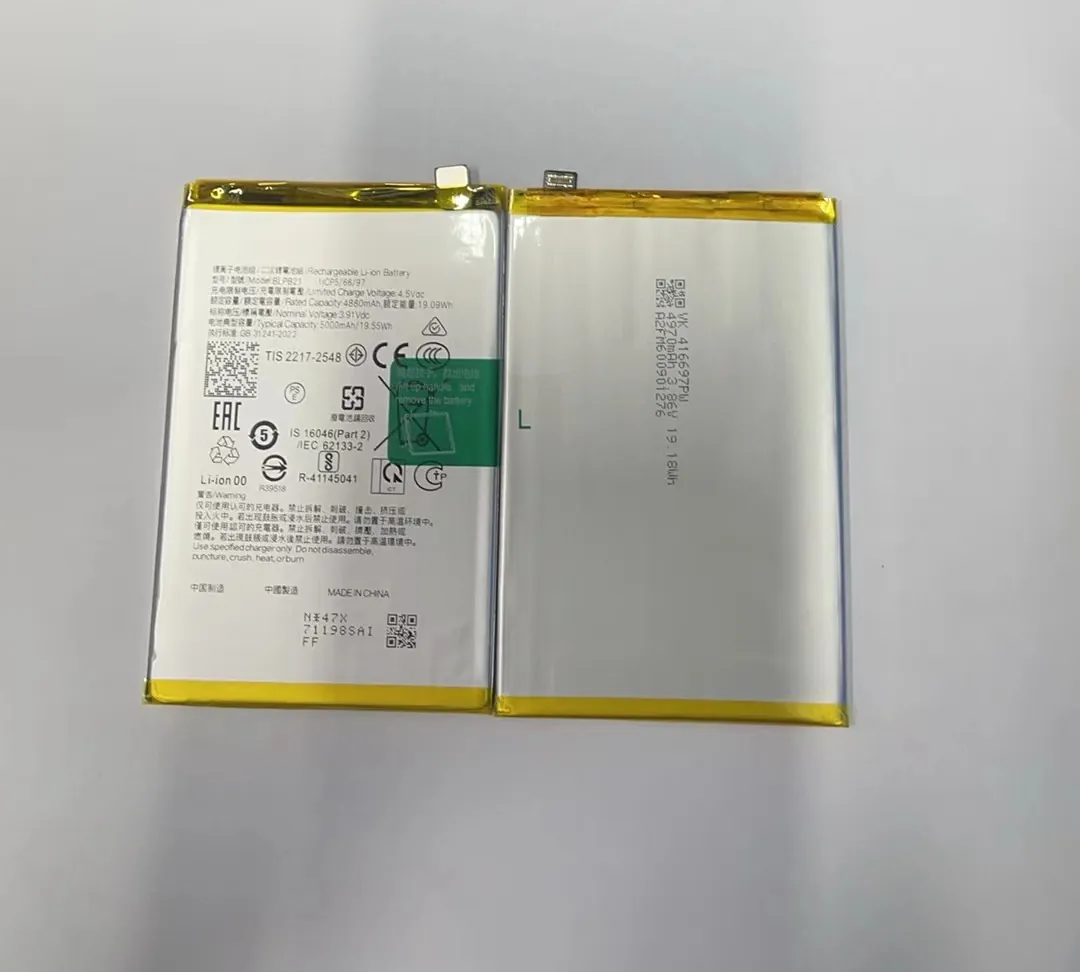
Technology changed as phones evolved. Early mobile phones in the 1990s and early 2000s tried simple batteries. Most used:
- Nickel‑Cadmium (NiCd)
- Nickel‑Metal Hydride (NiMH)
These batteries had clear downsides. NiCd suffered from memory effect. If user did not fully discharge it, the battery “forgot” full capacity. That reduced useful life. Also, both NiCd and NiMH offered low energy density. Phones needed large bulky packs. That made devices heavy and thick.
When phones moved to “smartphone” style and makers wanted slimmer devices, they needed better batteries. Then lithium‑ion emerged. Li‑ion gave more energy for less weight. That allowed sleeker phones with longer battery life. Recharge cycles improved: typical Li‑ion could handle hundreds of cycles before dropping much capacity. That meant phones could last years.
Over time, Li‑ion cells themselves improved. Manufacturers improved electrolytes, cell design, and safety features. Battery controllers became smarter. Phones added battery management software. That improved lifespan and safety.
Beyond just chemistry, battery shape and form factor changed. Early battery packs were large blocks or removable packs. Users could swap them. Later, phones moved to non‑removable or built-in batteries. That allowed thinner designs, stronger bodies, and water resistance.
Modern phones often support fast charging and battery health monitoring. Some even charge wirelessly. Those changes rely on stable battery chemistry and good design.
Summary of battery evolution
| Era | Common Battery Type | Pros | Cons |
|---|---|---|---|
| 1990s–2000s | NiCd / NiMH | Cheap, easy to produce | Heavy, low energy, memory effect |
| Early 2000s onward | Early Li‑ion | Higher energy, rechargeable | Still early tech, moderate energy |
| 2010s–present | Advanced Li‑ion (improved cells) | High energy density, stable, safe | Requires smart management, still wear over time |
With each step, batteries got lighter. Phones got slimmer. Battery life got better. Charging got faster. Risks like memory effect or rapid drain faded. Battery safety improved too.
Therefore mobile battery technology evolved by improving chemistry, shape, and management. That evolution allowed phones to become more powerful and portable. As long as manufacturers follow safe standards, modern Li‑ion cells meet modern phone needs well.
Are future phones moving toward solid‑state batteries?
Many users worry about battery life and safety. They hope for longer life and fewer fire risks.
Yes. Many phone makers and battery researchers aim to shift from liquid‑electrolyte lithium‑ion to solid‑state batteries. These could offer higher energy, better safety, and longer life.
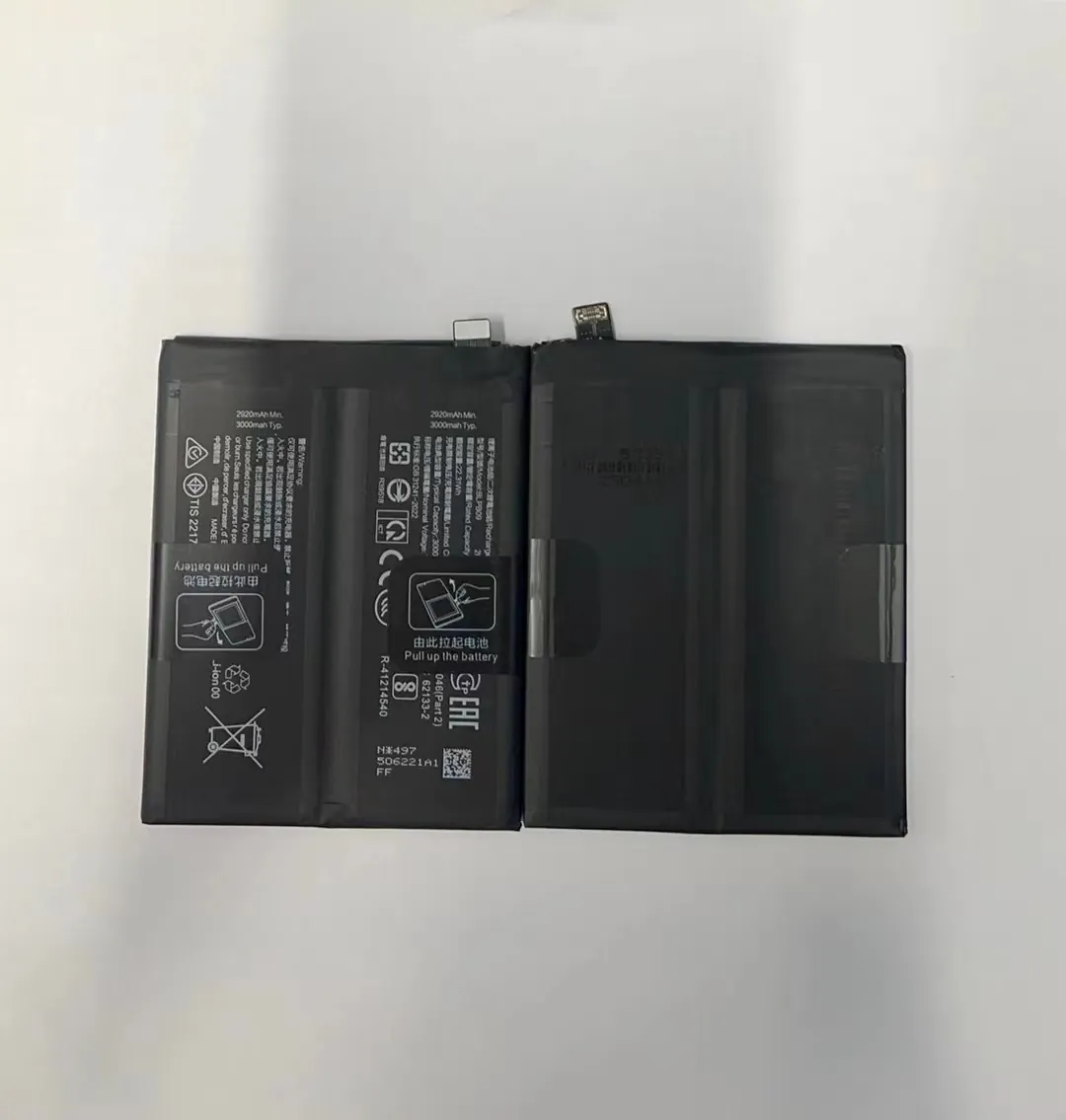
Solid‑state battery research draws attention now. The idea is simple: replace the liquid or gel electrolyte inside Li‑ion with a solid material. That reduces leak risk, lowers fire hazard, and may allow more energy per volume.
What are solid‑state batteries?
In a typical lithium‑ion battery, ions travel through liquid or gel electrolyte between positive (cathode) and negative (anode) electrodes. In a solid‑state battery, the electrolyte is solid. The design may use different anode materials too. Some proposals use lithium metal anodes, which can hold more energy than current graphite anodes.
Solid‑state batteries could bring:
- Higher energy density: more battery life in same size.
- Better safety: solid electrolyte is less flammable than liquid.
- Longer cycle life: less chemical breakdown over repeated charging.
Many researchers and some companies reported early prototypes. Some worked with phones, others with electric cars. But there are challenges.
Challenges before wide release
Solid‑state batteries face hurdles before they reach everyday phones:
- Manufacturing cost is still high. Making consistent, defect‑free solid cells at scale is hard.
- Solid electrolytes can crack or fail under pressure. Phones are thin and see bending. That stress can damage delicate solid materials.
- Charging speed may be slower unless materials improve. Faster charge often requires good ion flow; solid electrolytes sometimes flow slower than liquid.
- Longevity under real‑world conditions (heat, pressure, frequent charging) is uncertain. Researchers need many tests for reliability.
Because of these issues, phone makers have not widely shipped solid‑state phones yet. It may take several years before they appear. Maybe high‑end flagship devices first, or special models where battery safety is critical.
When might solid‑state phones come?
Many battery firms aim for a release window around mid to late 2020s. They target prototypes for electric vehicles first because those batteries are larger and less sensitive to bending. Once manufacturers solve issues for large formats, they might down‑scale for phones.
Some early‑stage solid‑state battery shows promise. They may double energy density compared to Li‑ion. That could give phones two‑day battery life or slimmer phones with same life.
Until then, phones will most likely stay with Li‑ion. But I believe that in the next five to ten years, at least some phones may adopt solid‑state cells.
Do all phones use the same battery form factor?
Most users expect swapping batteries to be easy. But many wonder: is every phone battery the same?
No. Phones use different battery form factors depending on design, size, and manufacturer. Batteries can vary in size, shape, capacity, and whether they are removable.
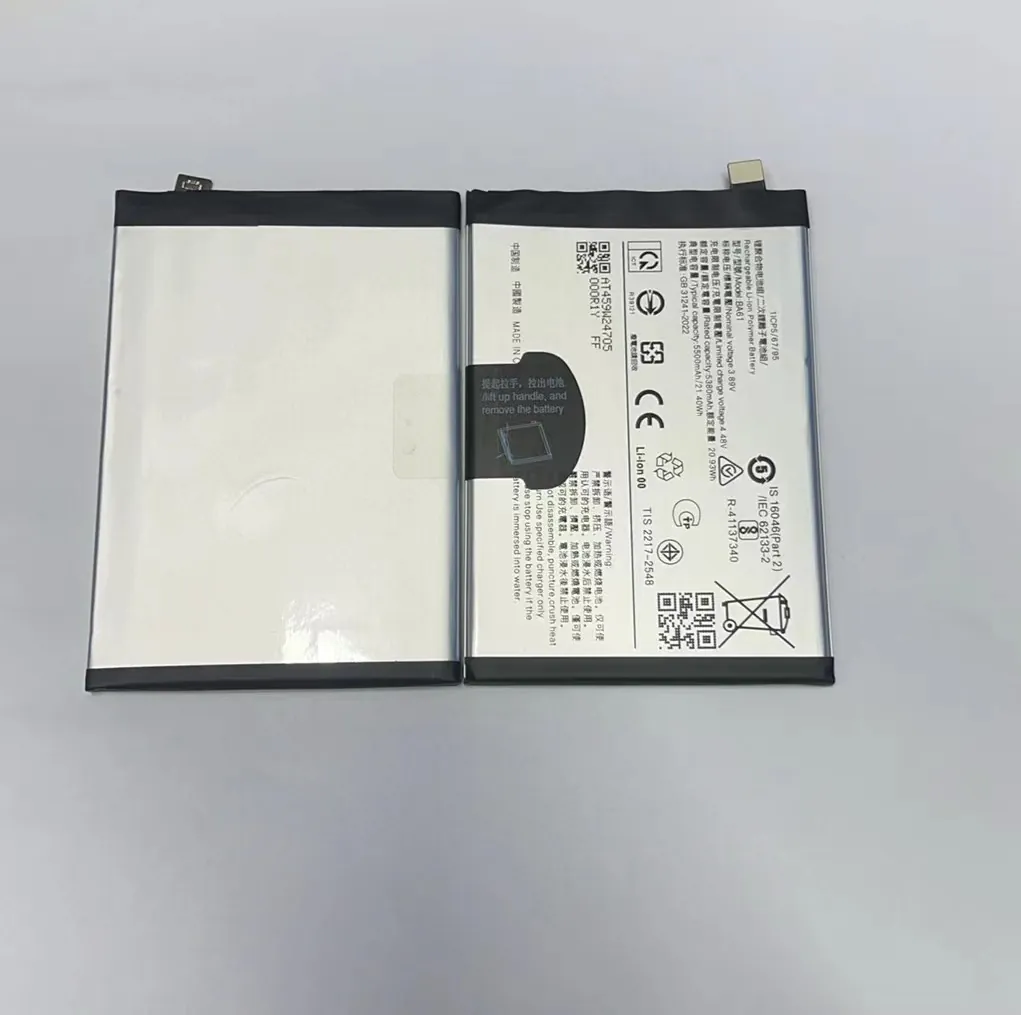
Phones vary a lot. Some are compact. Some are large. Some are slim. That variety leads to different battery designs. Battery form factor depends on many things: phone thickness, internal layout, features, and brand design choices.
Types of battery form factors
- Removable block batteries. Common in older phones and some budget models.
- Built-in flat pack batteries. Common in modern smartphones. Often slim and wide.
- Integrated multi‑cell packs. For large phones or tablets.
- Custom shapes. For phones with curved edges or odd layouts (foldable phones, dual‑battery phones).
Here is a table showing how form factors vary:
| Form Factor | Where Used | Pros | Cons |
|---|---|---|---|
| Removable block | Old phones, budget devices | Easy to replace, cheap | Bulkier, less compact |
| Flat pack (built‑in) | Most modern smartphones | Thin design, lighter weight, water/dust sealing | Hard to replace, requires professional repair |
| Custom shaped pack | Foldables, large phones | Fits design, optimizes space | Hard to produce, pricey, harder to replace |
Flat pack batteries dominate phones today. They help keep phones slim and light. They allow water and dust sealing. They help fit other parts like camera modules, chips, and antennas.
Why form factors differ
Phone makers adjust battery shape to match design goals. For example:
- A large screen phone may need a long, narrow battery to avoid making the device too thick.
- A phone with curved back may use a curved battery pack to match.
- Foldable phones need special battery layout to fit hinge mechanism.
- Budget phones may keep removable battery packs to allow easy user replacement.
Even battery capacity differs. Two phones might both use Li‑ion but have 3000 mAh vs 5000 mAh. That means run time and size vary a lot. Some big phones insert two cells in series or parallel to hit long battery life. Others use one cell to keep compact size.
Impact on repair and replacement
Built‑in flat batteries make repair harder. A broken battery often means opening the phone, removing glued or screwed parts, maybe even removing screen. That needs tools and care. For small shops or end‑users, replacement is harder than removable battery packs which people could swap themselves.
Some manufacturers glue battery packs tightly. That improves sealing but reduces serviceability. For users this means they need authorized repair shops or risk improper replacement.
Because phone models differ so much, replacement batteries are seldom interchangeable across models. A battery for Model A may not fit Model B. That matters for repair shops and resellers. For wholesale battery suppliers, this means carrying many SKU types to cover many phone models.
Conclusion
Mobile phones mostly use lithium‑ion batteries today because they balance energy, size, cost, and recharge cycles. Battery technology evolved from heavy nickel packs to powerful Li‑ion, and now solid‑state research promises even better future. Battery shapes vary by phone design, so not all phones share the same form. Understanding these differences helps people and repair professionals make wiser battery choices.
