
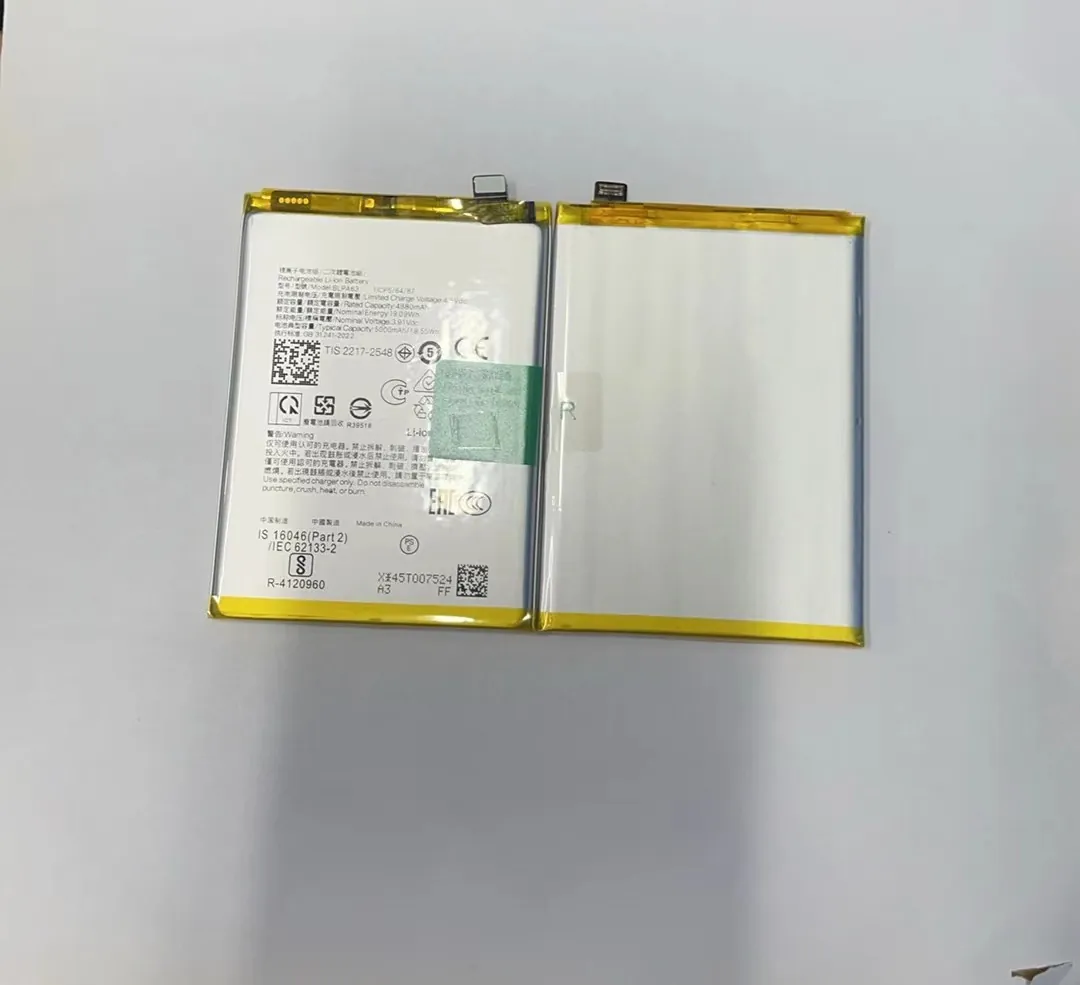
Mobile phone owners often wonder about battery replacement cost when their battery life drops. The cost can vary a lot depending on a few factors.
A new mobile phone battery usually costs between $20 and $80 USD depending on quality and phone model.
If you think your phone battery is dying, it helps to know what makes the cost vary. Below you will find what affects price, whether original batteries cost more, how to get cheaper options, and whether replacing battery is worth it.
What affects the price of replacement batteries?
Replacing a battery can feel expensive, but cost depends on things. What matters can change price by a lot.
Battery cost depends on phone model, battery type, quality, and where you buy it.
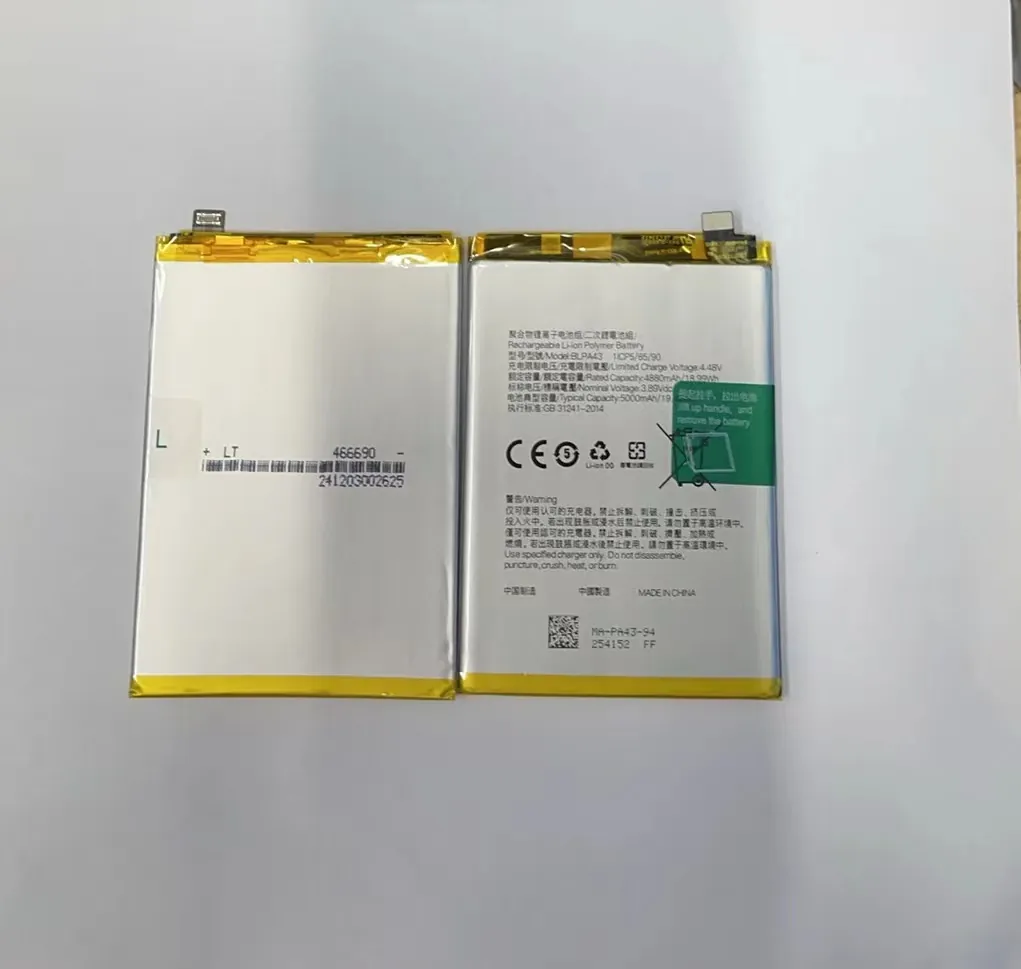
Many factors change how much you pay. First, the phone model matters. Old phones or rare phones often have harder‑to‑find batteries. Phone makers design different batteries — shape, size, connector type, smart chips. If the phone is popular, battery makers may produce many units, so cost is lower. If the phone is uncommon or old, battery cost goes up.
Second, battery type and quality matter. There are simple batteries and “smart” ones that track charge cycles or communicate with phone firmware. Smart batteries cost more. High‑capacity batteries (with more mAh) also cost more. Cheap batteries may cut corners. They may use lower‑grade cells or weak protection circuits. Those cost less, but risk fails or swelling.
Third, where you buy and who installs matters. If you order online from a big supplier, bulk discount can lower cost. If you buy from a small shop or get labor included, cost will include extra charges. Local shops might charge more for labor.
Fourth, shipping and taxes matter. For overseas orders or international buyers, shipping adds. Customs or VAT may add cost too.
Finally, supply chain and demand affect price. If many people buy batteries at same time, prices go up. If new phone models come out, battery makers shift supply, making old batteries rarer.
In short, you pay not just for battery cells. You pay for design, quality, location, shipping, demand.
Are OEM batteries more expensive than third-party?
Many buyers see batteries labeled “OEM” and expect a higher price. That idea often holds.
OEM batteries tend to cost more because they match original phone specs and offer higher reliability than many third‑party ones.

When I say “OEM”, I mean batteries made by the original phone maker or licensed makers. OEM batteries use the same materials and quality control as original phone. They usually match battery capacity, connector layout, smart chip functions.
Third‑party batteries are made by independent makers. They may aim to match specs, but they often cut cost using cheaper cells or skip thorough testing. Because of that, their price is usually lower.
Third‑party batteries may cost 30–60% less than OEM. For example, if OEM battery costs $60, a third‑party may cost $25–$40. The price gap can widen for premium phone models.
Some third‑party batteries try to match OEM quality. They may use good cells and protect circuits. In that case, price may approach OEM price. But many cheaper ones skip checks. That can cause shorter lifespan, capacity loss, or safety risks like overheating.
When buyer values long life and safety, OEM is usually better despite higher cost. For shops or resellers, third‑party may cut cost, but risk customer complaints.
In practice, OEM batteries give stable performance and fewer problems. Cheap third‑party may save money at first, but cost more in the long run if they fail quickly.
Comparison of OEM vs Third‑Party Batteries
| Feature | OEM Battery | Typical Cheap Third‑Party Battery |
|---|---|---|
| Price | Higher (e.g. $50–$80) | Lower (e.g. $20–$40) |
| Quality of cells | High-grade, tested | Varies widely |
| Compatibility | Guaranteed | Often works, but not always precise |
| Smart features / firmware communication | Fully compatible | Sometimes incomplete or buggy |
| Lifespan | Longer (many cycles) | Shorter, may degrade fast |
| Risk of issues | Low | Higher (overheating, swelling) |
How to find cost-effective battery replacements?
Paying too much is a waste. Paying very little may get low quality. There is middle ground.
You find cost‑effective replacement by comparing quality, price, seller reputation, and warranties.
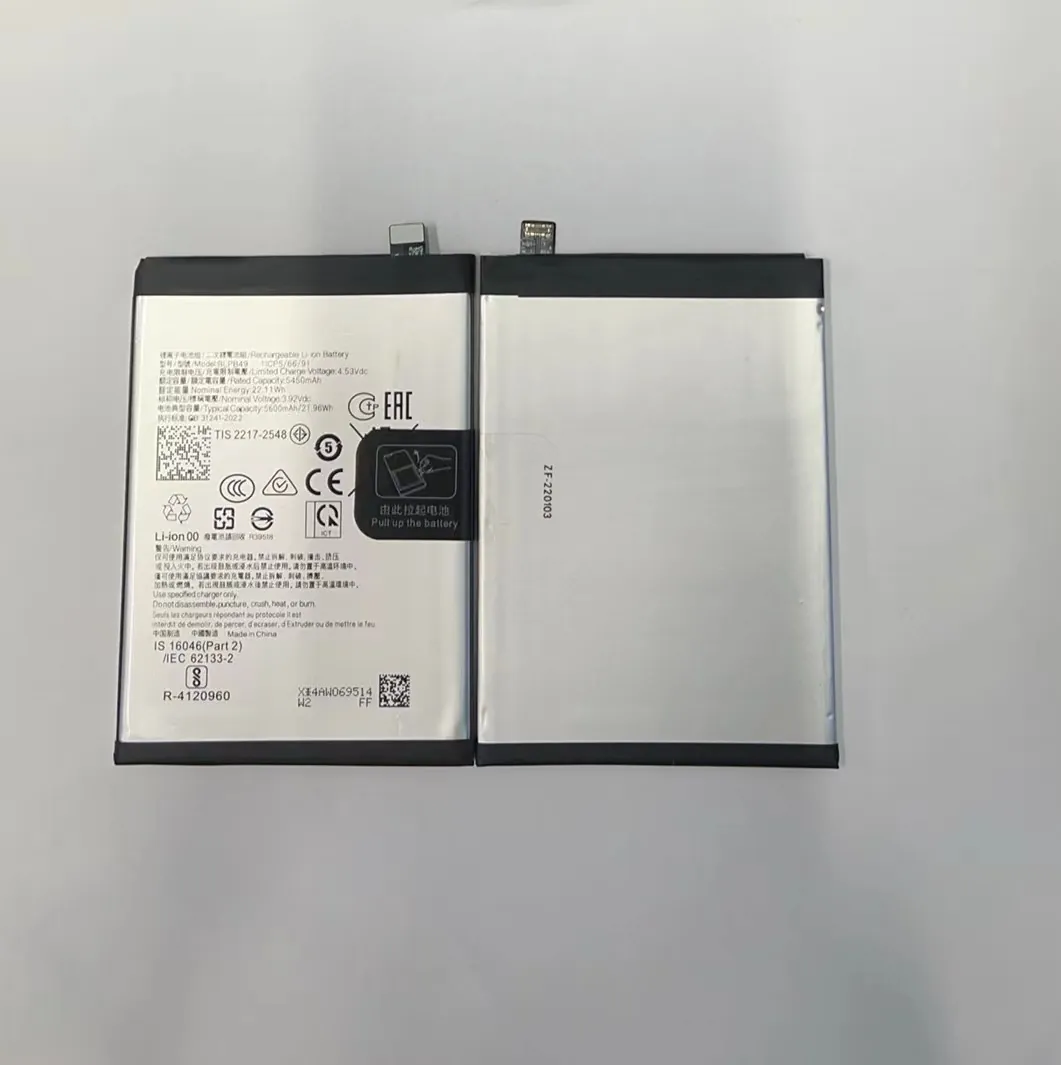
When I needed a battery for an old phone, I checked seller reviews. I looked for those who mention capacity and test results. I looked at price against warranty. The choice was clear: pick a well‑reviewed seller even if price was slightly higher.
To find a good battery without overpaying, follow steps: find several sellers, check battery specs (capacity, voltage), read reviews, compare price, ask about testing or certification, look at warranty or return policy.
Avoid the cheapest alone. Because price alone does not reflect real worth. Think of total cost if battery dies soon.
Is battery replacement worth the investment?
Replacing a battery costs time and money. You wonder if it is worth it. Usually yes.
Battery replacement is often worth it because it restores phone life and delays buying a new phone.
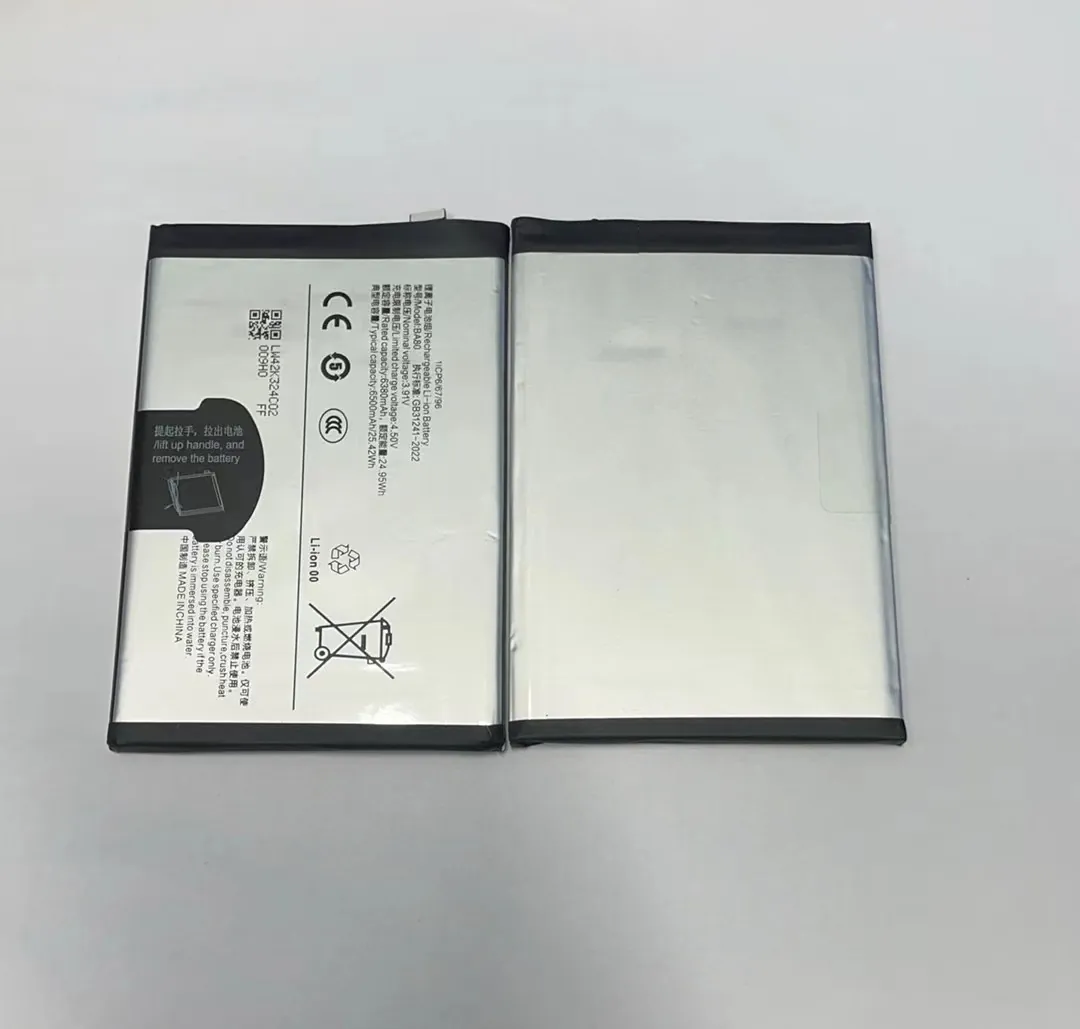
A single good battery can give your phone two to three more years of good life. Replacing battery costs much less than a new phone. The old phone knows your apps, accounts, data. Battery change restores speed and endurance.
Even if phone is old, battery change may improve performance. Batteries degrade over time. A worn battery can cause slow charging, random shutdowns, overheating. New battery solves those.
If phone hardware is good and you just need more battery life, replacement is very cost effective. If phone is already slow or screen broken, replacing may not help. Then maybe new phone makes sense.
When replacement makes sense
- Phone works fine except battery drains fast
- Phone body and screen are in good shape
- Apps you use still run smoothly on old hardware
- Replacement battery cost is small compared to phone value
When replacement is not best
- Phone is very old and slow
- Many hardware parts also failing
- Repair cost for battery plus other parts near price of a new phone
In many cases battery replacement extends life. It is a cheap way to keep using a phone for more time.
Dive deeper: How to find cost-effective battery replacements?
I describe how I choose cost‑effective battery replacements. I focus on quality, price, seller, and other details. I show a table of tips at end.
When you look at replacement batteries, ask these questions:
- Is the listed capacity equal to original battery? Lower capacity means shorter runtime.
- Does the battery description mention cell brand or testing? That affects quality.
- Does seller show clear photos of battery label, packaging, and protection circuit?
- Do customers report battery holds charge, no swelling, safe use?
If many buyers report good result, that changes risk.
Also watch for price that is suspiciously low. If price is much lower than most offers, maybe they used low‑grade parts. That may cause quick failure or safety issues. Saving $5 now may cost you $20 later in problems.
Consider warranty or return policy. Good sellers often offer few months warranty. That shows confidence. Ask seller for proof of testing or quality control.
Look for seller location. Batteries shipped long distance may take time. If you need fast stock, local stock or fast shipping helps. Low price but long shipping may cost time and money.
Another thing: sometimes mid‑range “branded third‑party” batteries strike balance. They are not OEM, but use good cells, proper circuits, decent testing. Their price sits between cheap third‑party and OEM. They may offer good enough quality at lower price than OEM.
Here is a table with suggestions to judge cost‑effective batteries:
| What to Check | Why It Matters | What to Look For |
|---|---|---|
| Capacity (mAh) | Determines how long battery lasts | Equal or near original spec |
| Cell Quality | Affects safety and lifespan | Mention of known cell brand, test data |
| Smart chip / circuit | Ensures proper phone‑battery communication | Proper connector, protection circuit |
| Seller reputation | Reduces risk of fraud or poor quality | Reviews, feedback history, warranty |
| Price vs competitors | Avoid ultra‑cheap risk or overpaying | Moderate price in mid‑range |
| Warranty / return policy | Provides safety net if battery fails | At least some guarantee period |
| Shipping & delivery time | Affects convenience, especially if urgent | Clear shipping time, tracking info |
If you follow these checks, you often get a battery that is safe, lasts long, and costs significantly less than OEM. Mid‑range third‑party with good review often gives best value.
In some cases price difference between OEM and good third‑party is small. Then decision depends on your comfort with risk and value of phone. I picked a mid‑range brand because it had good reviews and battery life was similar to OEM. That saved money while avoiding failures.
When picking replacement battery, consider total cost: cost of battery, shipping, risk, time without phone. A slightly higher price now may avoid trouble later. Cheap battery may cut cost today but cost more in time and problems.
Conclusion
Replacing a phone battery usually costs $20–$80 and depends on many factors like quality, battery type, and seller. Choosing a mid‑range but trusted third‑party battery often gives the best balance of price and reliability. If your phone is still useful, replacing battery is usually worth it instead of buying new.
