
Sometimes your charger disappears when you need it most. You panic. But don’t worry—there are still smart ways to charge your phone without a traditional charger.
You can charge your mobile phone without a standard charger by using wireless charging pads, USB ports, power banks, or even car chargers and solar options in emergencies.
Let’s explore each method, so next time your charger is missing, you’ll be ready.
Is wireless charging an alternative without a charger?
Wireless charging seems like magic—no cables, no plugs. But is it really useful when you don't have your usual charger?
Yes, wireless charging is a reliable way to charge your phone if you have a wireless charging pad and your phone supports it. You won’t need your usual charger or cable.
Wireless charging uses electromagnetic fields to transfer power from a charging pad to your phone. This method has become common in modern smartphones. Most new models from brands like Apple, Samsung, and Google support it.
How wireless charging works
Your phone needs a built-in wireless charging coil. The pad connects to a power source, and your phone receives energy wirelessly when placed on the pad.
Here’s a basic comparison between wired and wireless charging:
| Feature | Wired Charging | Wireless Charging |
|---|---|---|
| Speed | Faster | Usually slower |
| Convenience | Less (needs cable) | More (just place device) |
| Port wear & tear | High (plug in/out) | Low |
| Cost | Low (basic cable) | Higher (wireless pad) |
What you need to make it work
Even though you don’t need your usual charger, the pad still needs power. You can plug the wireless pad into:
- Laptop USB ports
- Power banks
- Car USB outlets
- Any USB power source
Limitations
If you’re outside or without a power source, wireless charging won’t help. It’s only a cable-free solution—not a power-free one.
Can USB cables be used without a charger block?
You might have a USB cable but no charger block. Can that still work?
Yes, USB cables can charge your phone if connected to power sources like computers, TVs, game consoles, or car ports. The charger block is not always necessary.
USB cables are versatile. They transfer both power and data. If you have one, and the device you plug it into can send power, your phone will charge.
Common power sources for USB cables
Here are some devices that can charge your phone using only a USB cable:
| Device | Charging Capability |
|---|---|
| Laptop/PC | Yes (slow) |
| Smart TV | Yes (very slow) |
| Car USB port | Yes |
| Gaming console | Yes |
| Printer (with USB port) | Sometimes |
Practical tips for charging with USB
- Use the right port: Some devices have data-only ports that won’t charge.
- Be patient: These methods often charge slower than wall outlets.
- Avoid heavy usage: While charging from weak sources, using your phone can drain the battery faster than it charges.
USB-C vs Micro USB
Modern phones use USB-C. These cables can transfer more power compared to older micro USB cables. If possible, choose USB-C for better results.
This method is great when you're in places like airports, offices, or cafes with computers or TVs nearby.
What emergency methods can power a phone?
When you have no cable, no charger, and no electricity nearby, what then?
In emergencies, you can use solar chargers, hand-crank generators, or even DIY battery packs to power your phone. These can keep your device alive when all else fails.
Emergencies demand creativity. Here are a few ways people have charged phones without usual tools:
1. Solar power banks
Solar power banks use the sun to charge their internal battery. Once charged, they can power your phone like any regular power bank.
- Pros: Works anywhere with sunlight
- Cons: Slow, needs long exposure to sun
2. Hand crank chargers
These are small generators. You turn the crank to generate electricity.
- Pros: Needs no power source
- Cons: Physically tiring, charges slowly
3. DIY battery chargers
Using 9V batteries, paper clips, and USB connectors, people have built emergency chargers. This method is risky and not recommended unless you know electronics.
4. Jump starter power banks
These are used for cars but many models come with USB ports. They hold a lot of power and are useful in cars or outdoors.
5. External battery packs (charged earlier)
Always keep one fully charged. They’re lifesavers during blackouts or travel delays.
Tips to maximize emergency charging
- Turn on battery saver
- Close all background apps
- Lower screen brightness
- Disable Wi-Fi and Bluetooth
- Keep the phone in airplane mode when not in use
These can help stretch every bit of emergency power you get.
Should you charge with a power bank instead?
Many people now rely on power banks instead of chargers, especially while traveling. Is it a good idea?
Yes, power banks are a practical and portable alternative to phone chargers, especially when you're on the go or in places without power outlets.
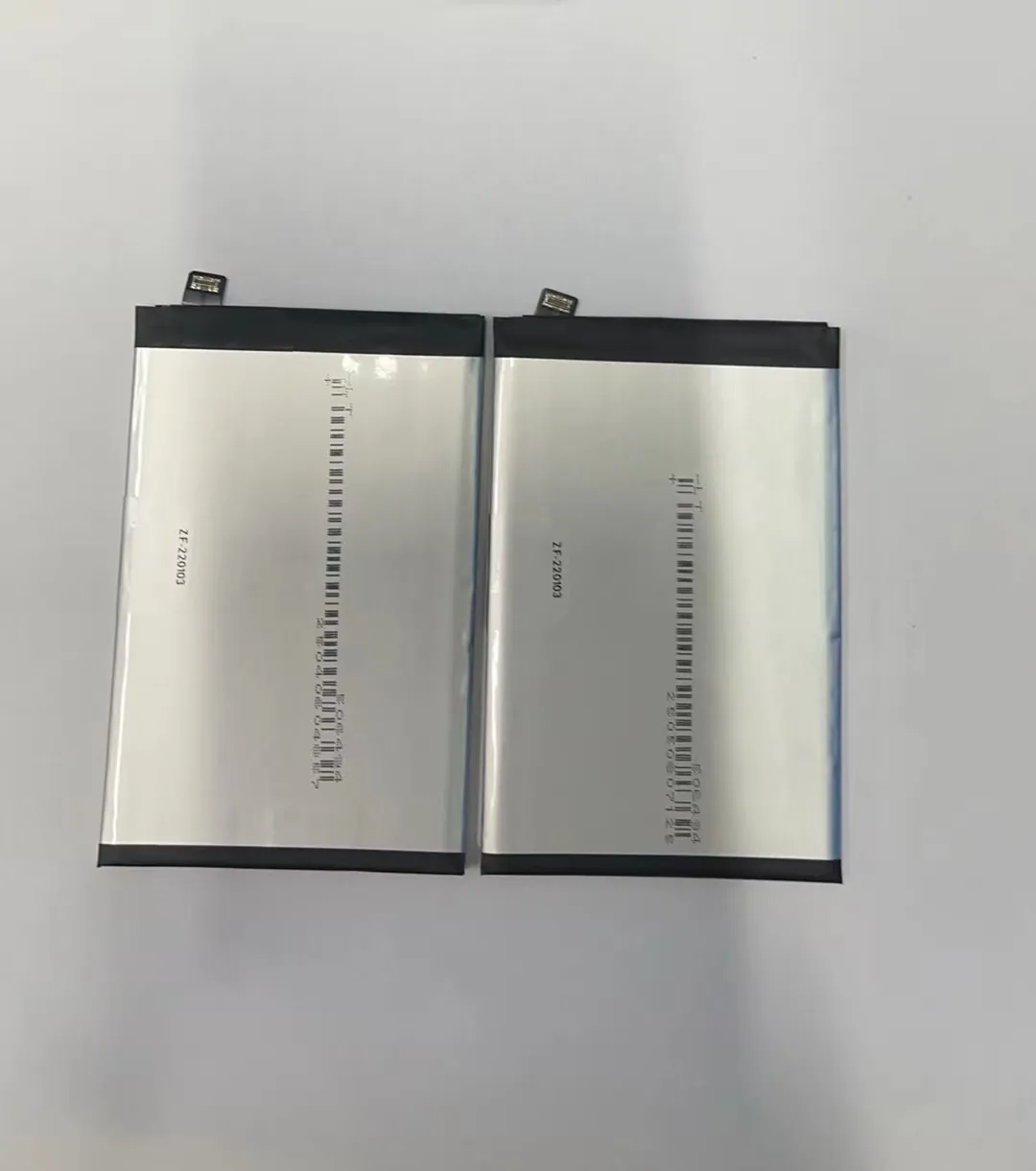
Power banks are portable batteries. You charge them ahead of time, then use them to charge your phone later. They’re perfect for travel, outdoor work, and emergency kits.
How to choose the right power bank
The capacity of a power bank is measured in mAh (milliamp hours). The higher the number, the more it can charge your phone.
| Power Bank Size | Capacity (mAh) | Number of Charges |
|---|---|---|
| Small | 5,000 | 1–1.5 charges |
| Medium | 10,000 | 2–3 charges |
| Large | 20,000+ | 4–5 charges |
Charging speed and ports
Many power banks now support fast charging. Look for:
- USB-C PD (Power Delivery)
- Quick Charge (QC) support
- Multiple USB ports
These features help charge your phone faster.
Tips for using power banks
- Keep it fully charged before travel
- Store in a cool, dry place
- Use a short, good-quality cable for faster charging
- Avoid dropping or overheating
Power banks are the most convenient way to keep phones running without a wall outlet. They’re better than most emergency methods because they’re efficient, safe, and easy to use.
Conclusion
There are many ways to charge your mobile phone without a charger. From wireless pads to USB ports, emergency solar kits, and reliable power banks—each has its time and place. Be ready, stay charged.
