
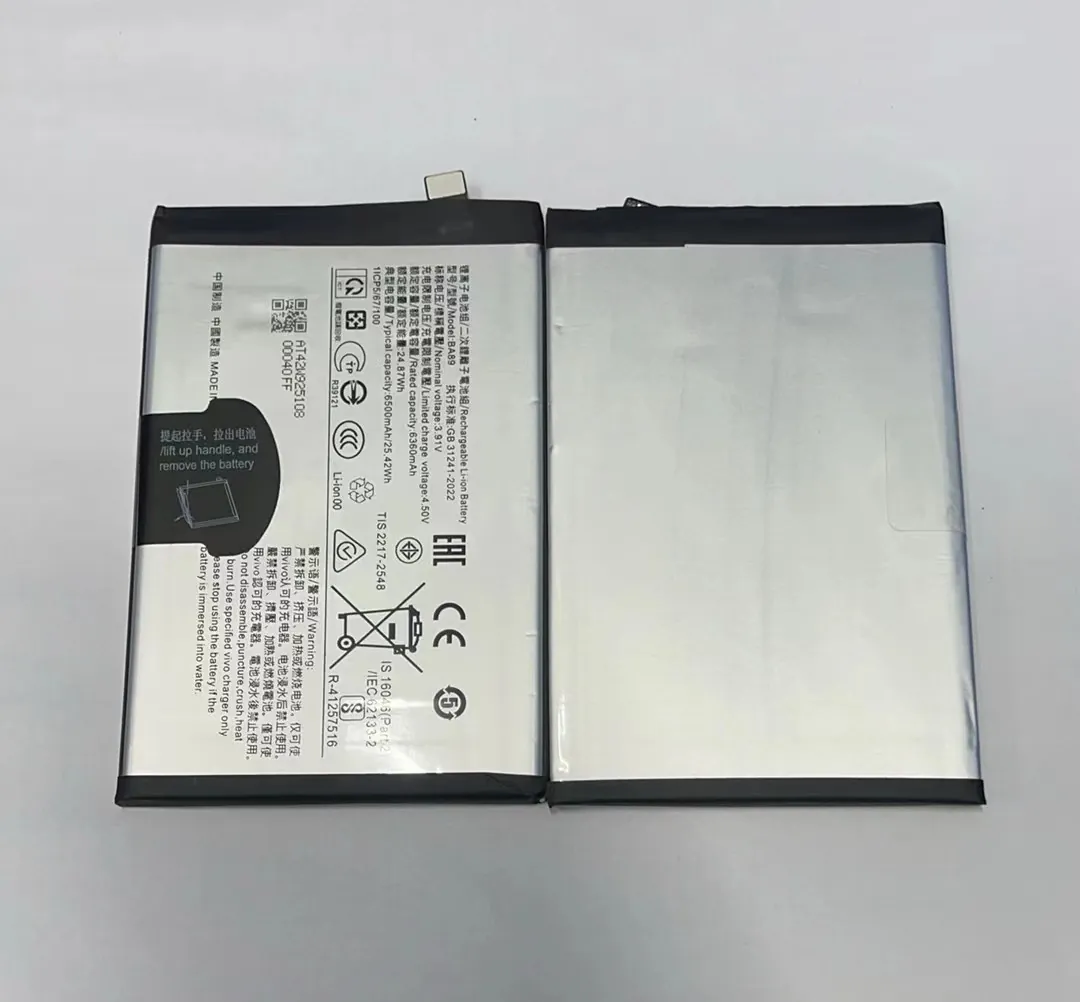
When your phone’s battery swells or dies, a hidden danger lurks — bad parts, leaks, or weak power.
A healthy battery keeps your device alive and safe.
This article shows what hides inside those thin battery packs we use everyday.
A typical phone battery is a complex mix of metals, chemicals, and parts that store energy safely for hours.
It blends carbon, lithium, metals like nickel or cobalt, and plastic or metal casing to deliver power.
Let’s dig into how all that works — and what you should know for safety and performance.
What materials make up a lithium-ion battery?
Ever wondered what is inside the slim battery pack? It is not empty space. It holds many layers of materials that store and deliver power.
A lithium-ion battery uses layers of metal‑oxide and carbon electrodes, liquid electrolyte, and thin separators to work.

Diving deeper, a lithium-ion battery — the kind inside a phone — has several key parts. First, there is the anode. Usually the anode is made of graphite, a form of carbon. Carbon works well because it can hold lithium ions when battery charges. Opposite the anode is the cathode. The cathode is often made from a mix of metal oxides, like lithium‑cobalt oxide (LiCoO₂), lithium‑nickel‑manganese‑cobalt oxide (NMC), or lithium‑iron phosphate (LiFePO₄). These materials let lithium ions move in and out safely while maintaining stability.
Between the anode and cathode sits a separator — a thin sheet of porous plastic or polymer. This sheet stops the anode and cathode from touching directly (which would cause a short circuit), but still lets ions flow through the liquid.
Speaking of liquid, that is the electrolyte. The electrolyte usually is a mixture of organic solvents and a lithium salt (like LiPF₆). This liquid carries lithium ions between electrodes when the battery charges or discharges. Without a good electrolyte, ions cannot move and battery won’t work.
Around all that is a metal shell or soft pack pouch. In many phone batteries you find a slim metal case or laminated foil pouch. This case holds everything tight. It helps protect the internal layers and prevent leaks. There are thin copper and aluminum foils that connect the electrodes to battery terminals. Those foils guide current to your phone circuits.
Finally, there are small parts like welds, tabs, insulation, and safety elements. These help make sure the battery acts safe. Manufacturers often add a protection circuit too. The circuit monitors temperature, voltage, and current. It stops the battery if something goes wrong.
In a simple table:
| Component | Purpose |
|---|---|
| Graphite (anode) | Stores lithium ions when charging |
| Metal‑oxide cathode | Hosts lithium ions during discharge/charge |
| Electrolyte | Lets ions travel between electrodes |
| Separator | Prevents short circuits, allows ion flow |
| Aluminum/Copper foils | Conducts current to device |
| Metal/plastic housing | Encloses cells securely |
| Protection circuit & tabs | Control safety and output voltage |
Each penny‑sized piece plays a critical role in making a battery work inside a phone. Without one of them, the battery would either not store power well or be unsafe for daily use.
Therefore, when we say “phone battery,” we mean a small but carefully built system of metals, liquids, plastics, and safe design. That makes it amazing that such a small pack can power a phone for hours.
How is energy stored chemically in batteries?
Phones last hours because battery stores energy inside, not just by holding a charge like a capacitor. There is chemical magic inside.
Chemical reactions inside electrodes store and release energy by moving lithium ions and electrons between electrodes.

A battery stores energy with chemistry. In a lithium-ion battery, energy storage happens when lithium ions move from cathode to anode during charging. At the same time electrons move through an external circuit. This motion stores energy. When you use the phone, lithium ions go back to the cathode and electrons flow through circuits — that delivers power.
To understand better, imagine two rooms (anode and cathode) separated by a door (separator) filled with slippery floor (electrolyte). When you charge the battery, workers (lithium ions) cross from cathode room to anode room. At same time, electricity (electrons) goes outside through wires. The anode room gets full of ions — that stores energy. When you turn phone on (discharge), ions return to cathode room. Electrons flow through wires to power the phone.
Inside the electrodes, the metal oxide cathode holds lithium ions in layers between metal and oxygen atoms. This layered structure is stable. Graphite works the same: it stores lithium between its carbon layers. That way, ions sit in the structure until they move again.
The strength of this system is high energy density. That means lots of energy in small weight and size. It lets phones be slim but powerful. Chemical storage also gives stable voltage. Graphite‑oxide system keeps voltage around 3.6–4.2 V per cell. This makes it easy to design phone circuits.
The battery cell also has safety thresholds. If overcharged, voltage climbs too high — that damages internal materials. If overheated, ions move too fast and may degrade materials. That is why phones include protection circuits and control charging.
In short, energy is not “stored” like water in a tank. It is stored by placing lithium ions in chemical structures inside electrodes. When battery runs, those ions shift back, releasing stored energy as electricity.
This chemical method is efficient. It gives high energy in lightweight package. It also lets battery survive many cycles of charge and discharge. That is why lithium-ion is best for portable devices like phones.
Are rare metals used in phone batteries?
Many people worry whether phone batteries hide rare or dangerous metals. Actually, they do use some metals that are not common to recycle. But not all are “rare earth.”
Phone batteries often include metals like cobalt, nickel, manganese. These metals are not rare‑earth metals, but some are scarce and hard to mine.

The cathode active materials usually mix metals such as cobalt, nickel, manganese, or iron. For example, a common cathode formula is NMC — nickel‑manganese‑cobalt oxide. Another type is NCA — nickel‑cobalt‑aluminum oxide. Some use iron phosphate (LiFePO₄) which avoids cobalt.
Even though cobalt or nickel are metals that appear less often in daily life compared with iron or aluminum, they are not part of the “rare‑earth metals” group (like lanthanum, cerium, neodymium). Instead they are transition metals. But mining and refining cobalt or nickel can be expensive. Supply issues or concerns about ethics or environment often arise.
Here is an approximate breakdown of elements inside a typical phone battery cell by weight share (varies by cell type):
| Element / Material | Approximate share (%) |
|---|---|
| Lithium (in salts / oxides) | ~2–3% |
| Cobalt (in cathode) | ~5–15% |
| Nickel | ~10–20% |
| Manganese | ~5–10% |
| Graphite (anode) | ~15–20% |
| Aluminum & Copper (foils, tabs) | ~10–15% |
| Electrolyte and separator | ~20–30% |
Because cobalt and nickel are valuable, some newer designs aim to reduce them or replace with iron phosphate. Some battery makers label cells “cobalt‑free” or “low‑cobalt.” That reduces reliance on scarce or problematic metals.
It matters for environmental impact and supply chain. Cobalt mining may harm communities. Nickel mining can pollute water. Using less or no cobalt/nickel helps reduce risk. Some countries even ask battery makers to report metal sources.
In sum, phone batteries do use metals that are not everyday metals like iron or aluminum. Some are scarce or mined under challenging conditions. But battery makers work on reducing rare or risky metal use. This helps make batteries cheaper, safer, and more sustainable over time.
Is there a risk of battery materials leaking?
People often worry if phone battery chemicals can leak out. It is possible, but proper design reduces risk a lot.
If a lithium‑ion battery is damaged, overheated or badly made, liquid electrolyte or internal metals may leak or vent. But good battery design and casing normally avoid leak risk.
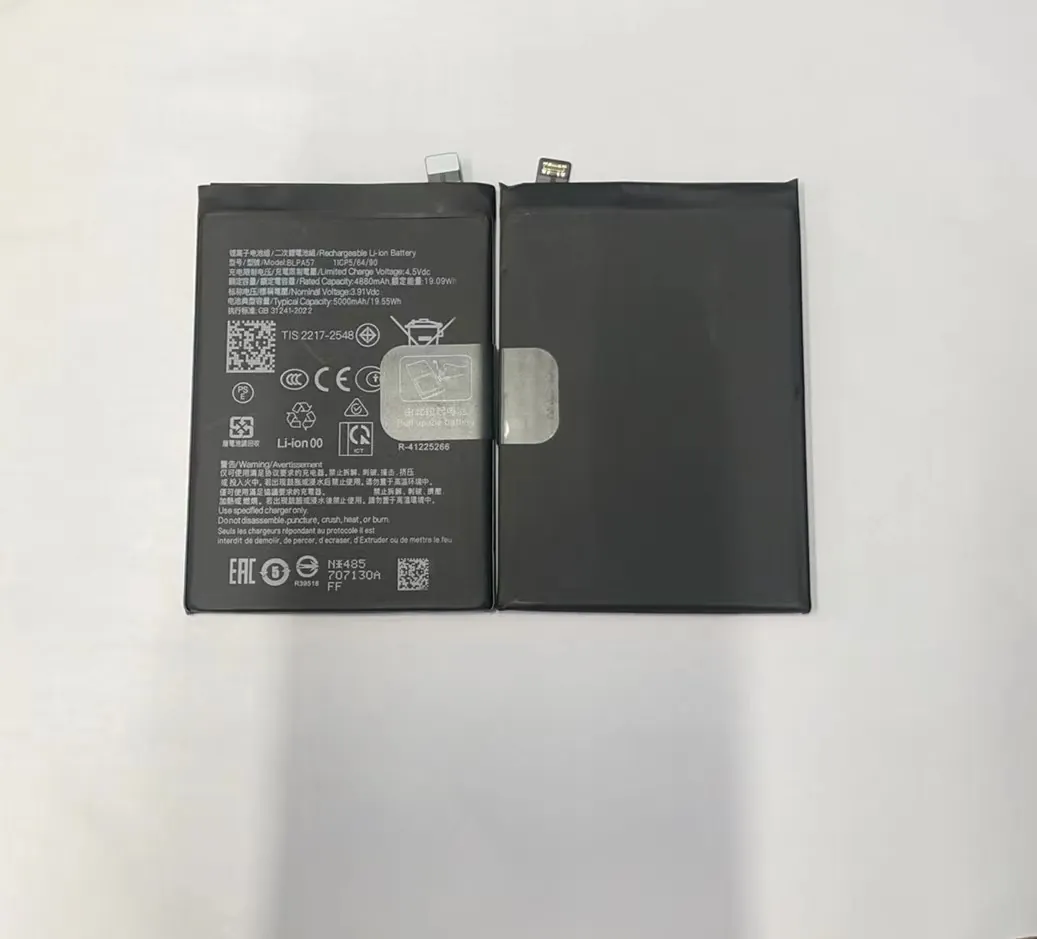
A phone battery holds a sealed cell. In good case, all chemicals stay inside. But under certain bad situations, problems happen. For example, if battery is punctured (like after a drop), internal layers may get damaged. Separator may tear. Then electrodes can touch. That can cause a short circuit. Short circuit means too much current flows. That can heat battery. Heat may break internal chemical bonds. Then electrolyte may boil or gas may form. Battery may bulge, leak, or even catch fire.
Also if charging goes wrong — like using wrong charger or high temperature — the battery may overheat. High heat stresses materials. Electrolyte may break down. Metals may corrode. That can lead to leakage or venting.
Defects in manufacturing increase risk. A bad weld, thin separator, cracked casing or impurity inside can cause failure. Quality control, good housing, and protective circuits help avoid that.
When leakage happens, it may release electrolyte liquid. That liquid is often toxic or corrosive. It may contain organic solvents and lithium salts. It can irritate skin, damage devices, or harm environment when thrown away.
Phones rarely leak under normal use. But battery swelling is a warning sign. If your phone battery swells or deforms, you should stop using it and get replacement. Swelling means buildup of gas or breakdown inside.
To lower risk you should:
- Use original or good quality chargers.
- Avoid overheating (do not leave phone in hot car).
- Avoid dropping phone or puncturing battery.
- Replace battery when swelling or bulging occurs.
In a table below, you can see some common risk causes and their possible effects:
| Risk Cause | Possible Effect |
|---|---|
| Physical damage (drop, puncture) | Short circuit, heat, leakage or fire |
| Over‑charging or overheating | Chemical breakdown, gas formation, swelling |
| Manufacturing defects | Weak seals, improper insulation, early failure |
| Aging or heavy use | Lower capacity, internal stress, possible swelling |
Phones work well when design, materials, and use are safe. But misuse or damage may trigger chemical risks. Carefully treat batteries, avoid rough treatment, and watch for swelling or overheating. Then leak or fire risk stays low.
Conclusion
Phone batteries pack metals, chemicals and clever design into thin cells. They store energy by moving lithium ions in tiny layers. Metals like cobalt or nickel play key roles, though new designs try to reduce them. Batteries rarely leak or fail — but poor handling or damage can cause serious risks. Smart use and quality parts keep phones powered safely.
