
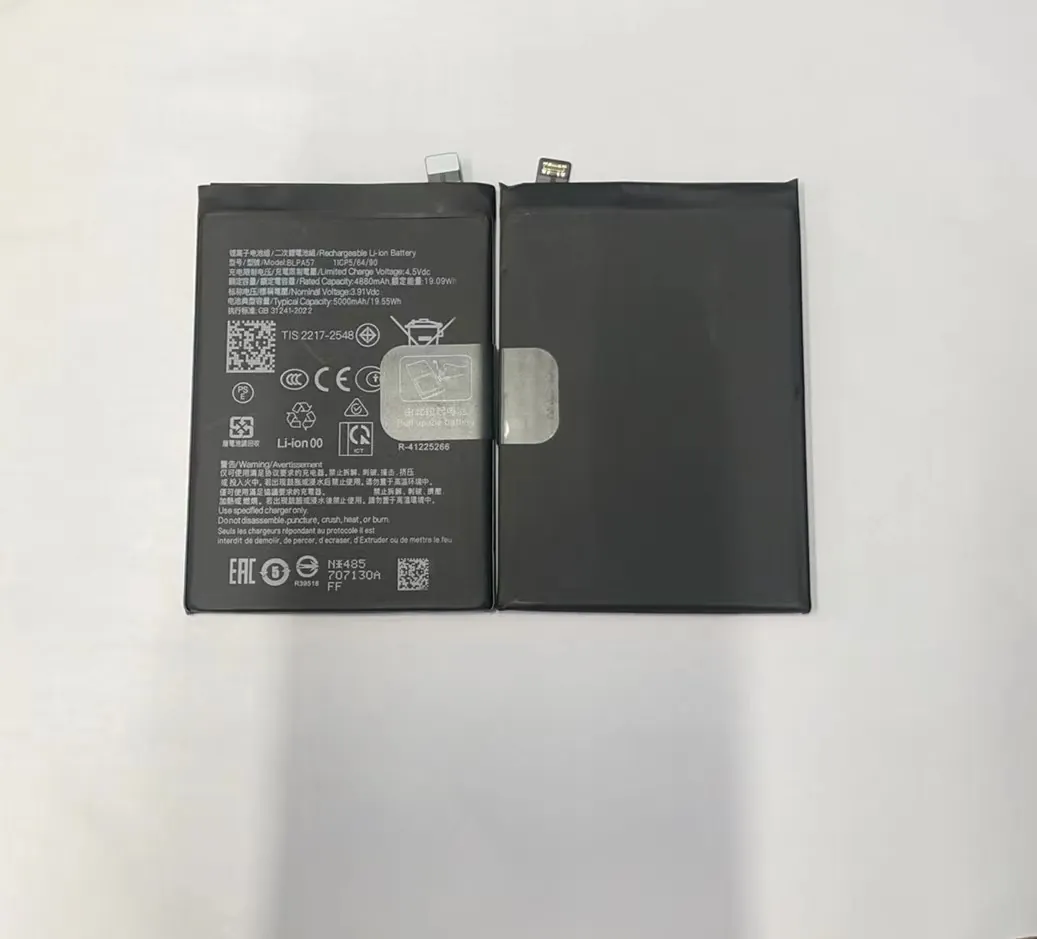
Many people are frustrated by how fast their phone batteries run out. They want a phone that can last the whole day—or even longer—without needing a charge.
Some flagship smartphones now offer exceptional battery performance, with efficient hardware, smart software, and large batteries working together to provide long-lasting use.
Choosing the right phone with a long battery is not only about battery size. Many features affect how long a phone can run before it needs charging.
What features contribute to longer battery life?
Many users believe that a larger battery means longer battery life. But that’s not always true. Battery life depends on more than just the size.
Battery life is influenced by display type, refresh rate, software optimization, processor efficiency, and background app management.
Key Features That Impact Battery Life
The following features play the most important roles in real-world battery performance:
| Feature | Description |
|---|---|
| Battery Capacity | Measured in mAh. Bigger often means better, but not always. |
| Display Type | AMOLED and OLED screens use less power than LCDs. |
| Refresh Rate | 60Hz uses less power than 90Hz or 120Hz screens. |
| Processor | Newer chips are more energy-efficient. |
| Software | Systems that manage background tasks better save battery. |
Why Bigger Isn't Always Better
Some phones with 5000mAh batteries don't last as long as others with 4000mAh. This is because other components use more power, or the software is not optimized. A well-balanced phone with moderate battery capacity and good power-saving features often performs better.
For example, OLED displays consume less power when showing black pixels. So, dark mode can help extend battery life. Also, the newer 4nm processors in 2023 and 2024 use less energy to do the same tasks, which helps phones last longer even with smaller batteries.
Which flagship phones offer best battery runtime?
Most users expect flagship phones to last at least a day. Some models now even reach two days of use with a single charge.
As of late 2024, phones like the iPhone 15 Pro Max, Samsung Galaxy S24 Ultra, and ASUS ROG Phone 7 are leading the battery life charts.
Real-World Battery Tests
Tests by tech reviewers like GSMArena, PhoneArena, and DXOMARK show which phones perform best in actual use.
| Phone Model | Battery Capacity | Screen-on Time | Standby Time |
|---|---|---|---|
| iPhone 15 Pro Max | 4422 mAh | 13h 10min | Excellent |
| Galaxy S24 Ultra | 5000 mAh | 12h 50min | Excellent |
| ASUS ROG Phone 7 | 6000 mAh | 15h 20min | Great |
| OnePlus 12 | 5400 mAh | 13h 40min | Very Good |
| Pixel 8 Pro | 5050 mAh | 11h 10min | Good |
What Makes These Phones Stand Out?
The iPhone 15 Pro Max uses an Apple A17 Pro chip and iOS optimizations to deliver great efficiency, even with a smaller battery. The Galaxy S24 Ultra, with its large 5000mAh battery and adaptive refresh rate screen, manages power smartly. The ROG Phone 7, designed for gaming, includes a massive 6000mAh battery and extra cooling systems to avoid heat, which helps battery longevity.
How do battery sizes compare across top models?
Some users compare battery size only in mAh, but battery life depends on more factors. Still, battery capacity is an important base to compare.
Battery size across top phones ranges between 4200mAh to 6000mAh, with gaming phones offering the highest capacities.
Comparing Popular Models by Battery Size
| Brand | Model | Battery Capacity |
|---|---|---|
| Apple | iPhone 15 Pro Max | 4422 mAh |
| Samsung | Galaxy S24 Ultra | 5000 mAh |
| Pixel 8 Pro | 5050 mAh | |
| OnePlus | OnePlus 12 | 5400 mAh |
| ASUS | ROG Phone 7 | 6000 mAh |
Why Bigger Batteries Matter Less Than Before
Even though ASUS has the largest battery here, it’s also a larger and heavier phone. Apple, on the other hand, uses a smaller battery but achieves excellent results because of tight hardware and software control.
Phones with higher refresh rate screens, 5G radios, or high-resolution displays may use more energy. So, manufacturers must balance size, weight, and performance.
Many users prefer a slightly smaller battery if the phone is lighter and thinner but still lasts all day. That’s why Apple’s 4422mAh battery often outperforms bigger batteries on Android phones.
Is battery optimization better in Android or iOS?
This question has been debated for years. Both systems have made big improvements, but there are differences.
iOS generally handles background activity more tightly, giving iPhones better standby time, while Android offers more customization and control.
Key Differences Between iOS and Android
| System | Strengths | Weaknesses |
|---|---|---|
| iOS | Excellent standby time, strict background task limits | Less user control |
| Android | More tools to manage power, better app control | Some phones poorly optimized |
Software Makes a Big Difference
iOS devices usually have fewer background processes. Apple tightly controls how apps run in the background. This means less battery drain when the phone is idle. That’s why iPhones often have better standby performance.
Android, however, gives users more control. You can force-stop apps, turn off background data, or use battery saver modes. But some Android brands don't optimize their systems well, so battery life varies.
Google’s Pixel phones do well because of clean Android. Samsung’s One UI also adds good battery-saving tools. But cheaper Android phones often lack this level of polish, leading to faster drain.
Conclusion
Phones like the iPhone 15 Pro Max, Galaxy S24 Ultra, and ROG Phone 7 show that long battery life comes from a mix of size, smart design, and software. Bigger batteries help, but optimization is key.
