
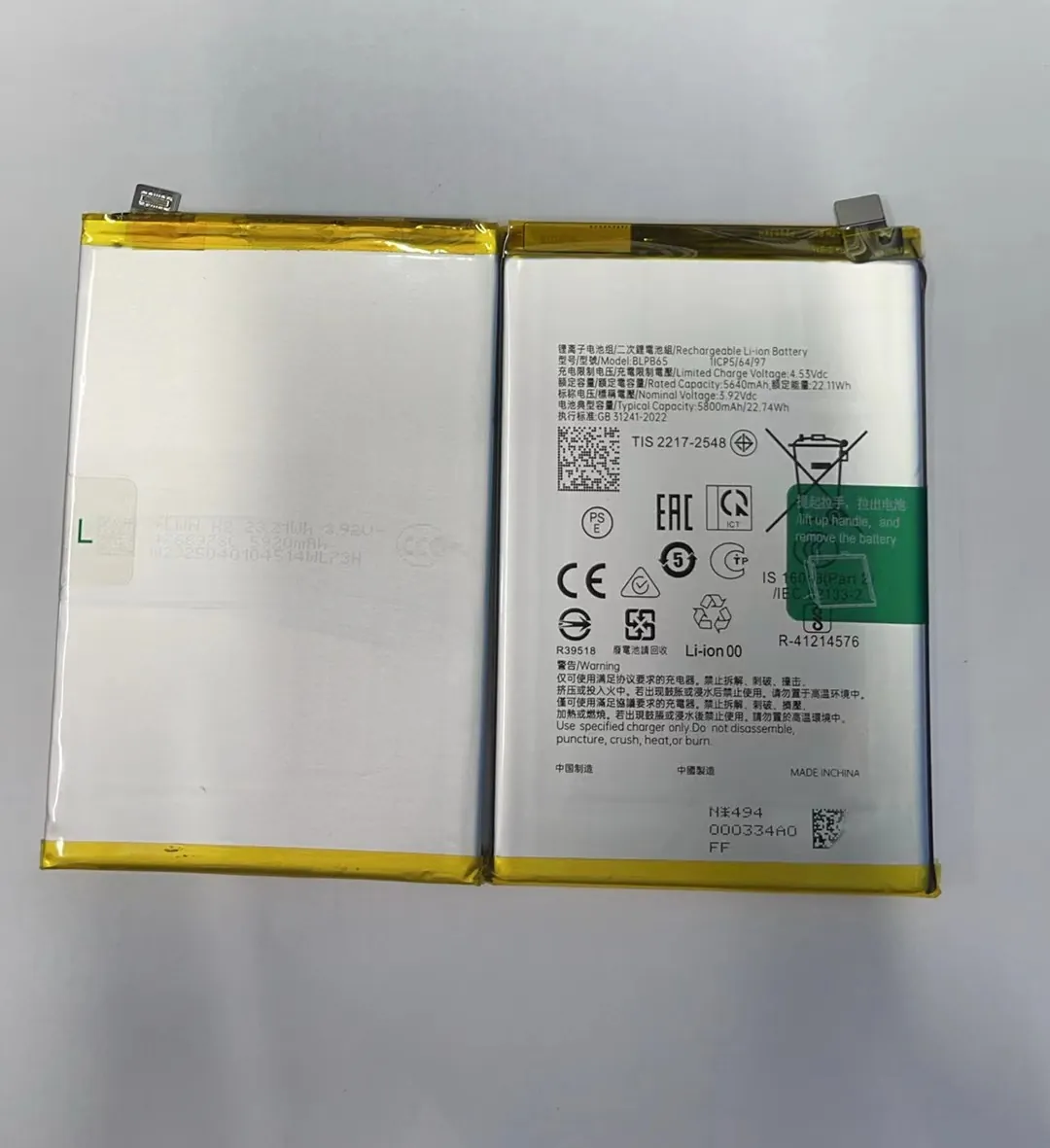
Many people wonder if a phone can work without its internal battery. Phones usually need power from the battery, but there are real ways to power them without that component.
You can power some phones without a battery by using external power sources, special accessories, or built‑in support for continuous charging.
In this article, I explain what accessories let a phone run without a battery, whether wired power is safe, if phones can work while charging only, and which phones support passthrough power.
What external accessories enable battery-less phone operation?
Using a phone without a battery sounds unusual, but it is possible with the right accessories. These accessories supply stable power directly to the phone’s power input.
External accessories like USB power banks with constant output, DC power supplies, and special battery eliminator adapters make battery‑less operation possible.
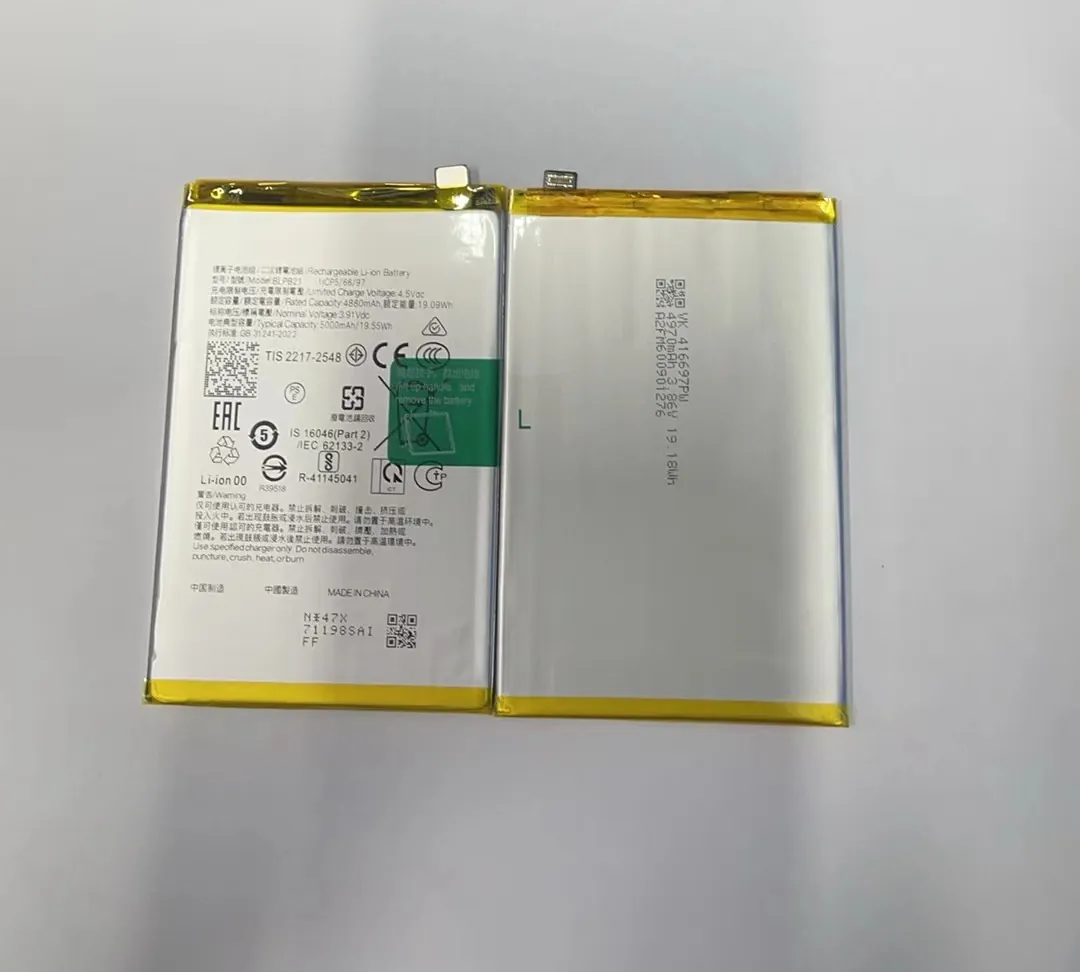
Phones generally rely on their battery to buffer power. But certain tools and adapters can replace that buffer and deliver electricity directly.
Main accessories that help power phones without a battery
| Accessory Type | How It Works | Typical Use Case |
|---|---|---|
| USB power bank with constant mode | Delivers steady power without shutting off | Testing phones or repairs |
| DC power supply | Adjustable voltage to match phone needs | Lab or workshop power source |
| Battery eliminator adapter | Mimics battery output for direct connection | Development and repair work |
| Solar panels with regulator | Converts solar energy to phone power | Outdoor or off‑grid use |
| Power injector cables | Supplies power through phone port | Specialized repair and testing |
USB power banks with constant power mode
Most power banks turn off if the output current is low. But some advanced models have a “constant output” or “always‑on” mode. This mode lets the power bank keep supplying power even if the phone draw is low. These devices are useful in repair shops to power a phone without a battery during testing, data recovery, or screen fixing.
Using a power bank is simple: connect the phone’s USB port to the power bank with a cable. If the power bank supports constant output, the phone will stay on even without a battery.
DC power supplies
A DC bench power supply gives adjustable voltage and current. In repair labs, technicians use these to set the exact voltage a phone needs. Most phones expect around 5 volts from USB, but exact requirements depend on phone model and charging standards.
DC supplies are precise tools. They let technicians test phones safely. However, they require skill because the wrong settings could damage the phone.
Battery eliminator adapters
These adapters go inside the phone where the battery normally sits and connect to a regulated power source. They simulate the battery’s presence by providing direct power to the phone’s internal circuits.
Battery eliminators are made for specific phone models because battery connectors differ. They are common in phone repair environments where many phone models are handled.
Solar panels with voltage regulators
Solar panels alone cannot directly power most phones because they produce fluctuating voltage. But when paired with a regulator, they can supply steady power. The regulator keeps voltage at a level the phone can handle.
This setup is useful outdoors, on boats, or anywhere grid electricity is unavailable. A solar charger with built‑in regulation can act like a power bank and keep a phone running without a battery.
Power injector cables
These are specialized tools used by technicians to inject power directly into the phone’s circuitry. They are not common consumer products but are valuable in professional repair and testing.
Summary of external accessories
These accessories allow phones to run without a battery, but they are mostly used by technicians. For day‑to‑day use, most people find using a battery more convenient.
Is wired power supply safe for phones?
Providing power directly to a phone without the battery raises safety questions. Many worry if this method damages the phone or creates risks.
Wired power supply can be safe if done with the correct voltage, current, and protection, but it is not risk‑free. The battery normally acts as a buffer that smooths voltage spikes, so removing it changes how power interacts with the phone.

Understanding how wired power affects the phone helps you decide when and how to use it safely.
Key safety considerations
| Safety Factor | Why It Matters | Risk Level |
|---|---|---|
| Voltage accuracy | Incorrect voltage damages circuits | High |
| Current capacity | Too much current can overheat | High |
| Surge protection | Prevents spikes from reaching phone | Medium |
| Connector stability | Loose connections cause shorts | Medium |
| Heat buildup | Can degrade components | Medium |
Voltage and current requirements
Phones are designed to accept power at specific voltage and current levels. Most USB‑powered phones work around 5 V, and many modern phones support higher voltages with fast charging (like 9 V, 12 V, or more). But outside of USB standards, phone boards are not designed for random voltages.
A stable and matched power source is critical. If the voltage is too high, the phone can overheat or fail instantly. If too low, it can reset or behave unpredictably.
The battery as a buffer
When a phone has a battery, the battery buffers power from the charger. The phone draws from the battery while the charger recharges the battery. This buffer smooths power fluctuations.
Without a battery, there is no buffer. That means any irregularities in power delivery go straight to the phone’s internal components. This makes precise power control even more important.
Protection circuits
Phones include built‑in protection circuits. These prevent overcurrent and overvoltage from damaging internal parts. Still, external power that fluctuates or spikes higher than expected can disable these protections.
Using power supplies with good regulation and protection lowers risk. Consumer USB chargers and power banks often include these protections, which is one reason they are safer to use than raw power supplies.
Connector quality
Loose or poor connectors can create short circuits or sparks. This can damage the phone’s port or internal board. Using quality cables and stable connections reduces this risk.
Heat and long‑term effects
Even with correct voltage, some power supplies cause slight heating. Heat over time can degrade internal components. That is less of a concern for short tests, but long‑term use of wired power without a battery may contribute to wear.
When it is safer
- When using certified chargers or power banks with stable outputs
- When powering the phone only for short periods (testing, data recovery)
- When accessories include surge and overcurrent protection
When it is unsafe
- Using unregulated or homemade power supplies
- Connecting high‑voltage sources not designed for phones
- Leaving the phone without proper ventilation during use
Practical advice
For most people, powering a phone without a battery is safe only if done carefully and with proper gear. For daily use, a battery remains safer and more reliable.
Can a phone operate while charging only?
Most people charge their phone while the battery stays inside. But some ask: can a phone work solely from the charger without a battery installed?
Many modern phones can operate while charging only, but this depends on phone design, charger type, and power management features.
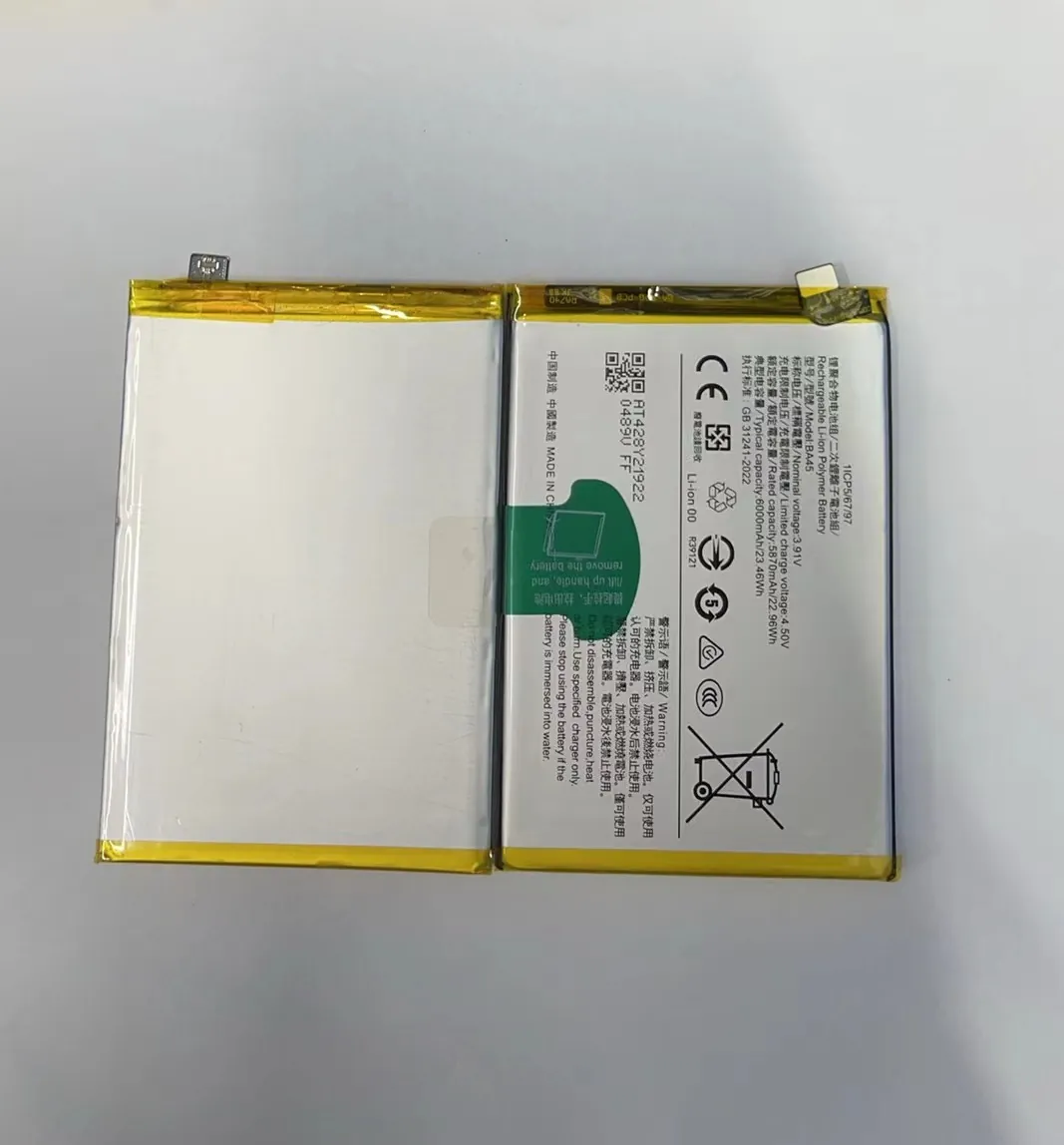
Whether this works reliably varies by model and manufacturer. Some phones need the battery to regulate power and prevent shutdowns.
Typical behavior when there is no battery
| Phone Type | Works Without Battery? | Notes |
|---|---|---|
| Many Android phones | Yes, in many models | Charger powers device directly |
| iPhones | Often no | iPhones usually require a battery |
| Feature phones | Depends | Some older phones run without battery |
| Rugged phones | Often yes | Designed for field use |
Android phones
Many Android models will turn on when connected to a charger even if the battery is not inside. The phone draws power directly from the charger circuit. This works because the phone’s design can accept power at the right voltage and current.
Android phones from some brands often behave this way, making them easier to test or repair without a battery.
iPhones
Most iPhone models are designed to shut down if the battery is missing. This is part of Apple’s power design strategy, where the battery plays a role in power management even when the phone is plugged in.
Some technicians use special adapters that trick iPhones into thinking a battery is present, allowing them to power on without the real battery installed.
Older and simpler phones
Basic feature phones and older models often work without a battery when connected to a charger. These phones use simpler power circuits and do not depend on battery buffering as much.
Gaming or high‑power phones
Phones with high power demands — gaming phones or large screen devices — can sometimes struggle to work without a battery because they may draw more current than a simple charger can provide. A strong power source is key in these situations.
Charger quality matters
A weak charger may not supply enough current for the phone to run well without a battery. Phones that can run without a battery often need a charger with sufficient current capacity (e.g., 2 A or more).
Practical use cases
- Repair shops use this feature to test phones without batteries.
- Data recovery may be possible without installing a worn battery.
- Emergency use if a battery is dead and needs replacement soon.
Limitations
Phones without a battery may:
- Shut down if power fluctuates
- Restart randomly if current drops
- Heat more because power is not buffered
What mobile models support passthrough power?
Some phones support a feature called passthrough power. This means they can run entirely on external power without needing the internal battery to be active.
Support for passthrough power varies widely and is more common in certain Android models and specialized devices, while many mainstream phones do not officially support it.
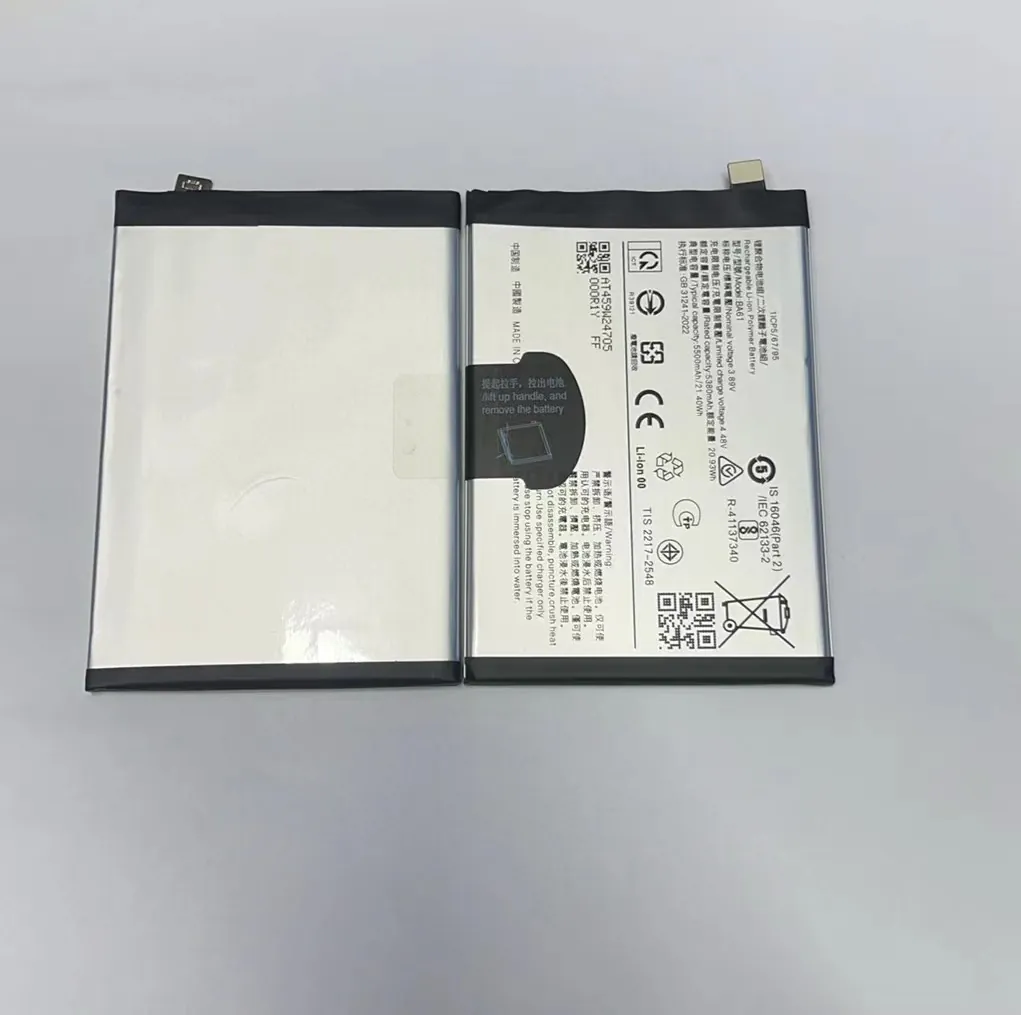
Known passthrough power behavior by brand
| Brand | Passthrough Power Support | Notes |
|---|---|---|
| Samsung | Many models yes | Especially older and mid‑range models |
| Xiaomi | Many models yes | Works during repair mode and testing |
| OnePlus | Yes in many cases | Charger must supply stable current |
| Google Pixel | Varies | Newer models may require battery |
| Apple iPhone | Limited | Often needs a battery |
Why support varies
Passthrough power depends on how the phone’s internal power management works. Some phones design the power system to always include the battery as part of the circuit. Others allow the charger to drive the phone without battery buffering.
Typical Android behavior
Many Android phones from brands like Samsung, Xiaomi, OnePlus, and Motorola will boot and operate while connected to USB power without a battery installed. This is particularly true when:
- The phone is in test mode
- The charger supplies enough amperage
- The phone firmware does not block power without battery
When passthrough power fails
Phones that do not support passthrough power may:
- Refuse to boot
- Show error messages about missing battery
- Enter charging screen but not start
In such cases, technicians may use battery emulators or adapters to make the phone think a battery is present.
Specialized and rugged devices
Phones designed for industrial or outdoor use often support operation without a battery. These devices may include:
- Field phones
- Phones with removable batteries
- Devices with external power ports
These features make them more reliable for continuous power applications.
Summary of passthrough support
Knowing whether a phone supports passthrough power helps in:
- Repair work
- Testing and troubleshooting
- Emergency power scenarios
When choosing a phone for use in special conditions, check if the model’s firmware and hardware allow it to run without its internal battery.
Conclusion
Phones can be powered without a battery using external power supplies, USB power banks with constant output, or special adapters. While many Android phones support running on wired power alone, safety and proper voltage are critical. Not all models allow uninterrupted operation without a battery installed, so knowing how passthrough power works helps make informed choices.
