
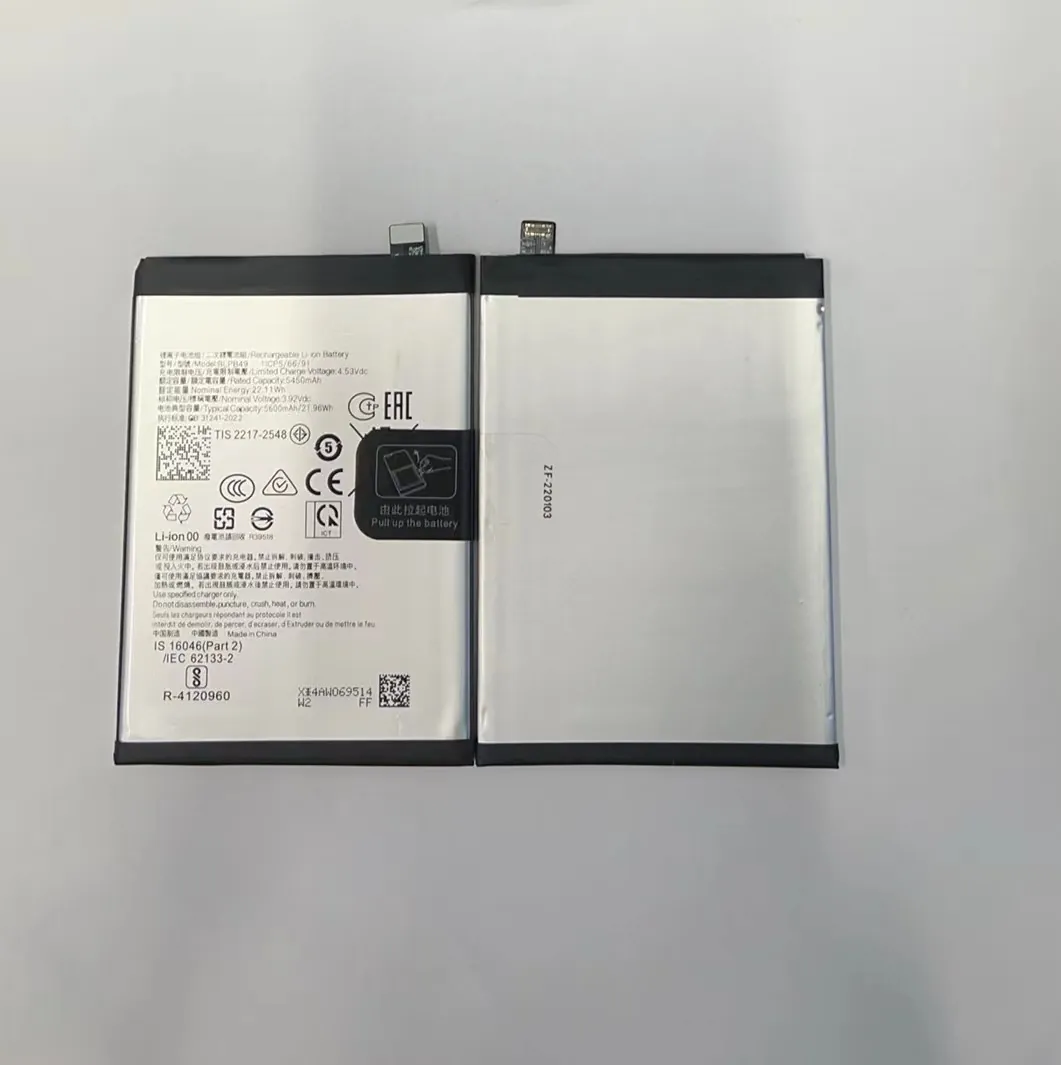
Mobile battery issues can strike at any time. Faulty battery life is frustrating and stops your phone from working well. Warranty might save you money. But there is confusion about what counts.
Yes, mobile phone batteries may be covered under a manufacturer’s warranty. Most brands include defects in manufacturing but not damage. The scope and period vary by maker. Always read the warranty terms to be sure you qualify.
It is vital to know what is covered before you file a claim. Many users buy phones and do not check this part of the contract. This lack of knowledge can lead to denied claims. I have seen many cases where users think they are covered and then they are not. Keep reading so you know what to look for.
What conditions allow warranty claims?
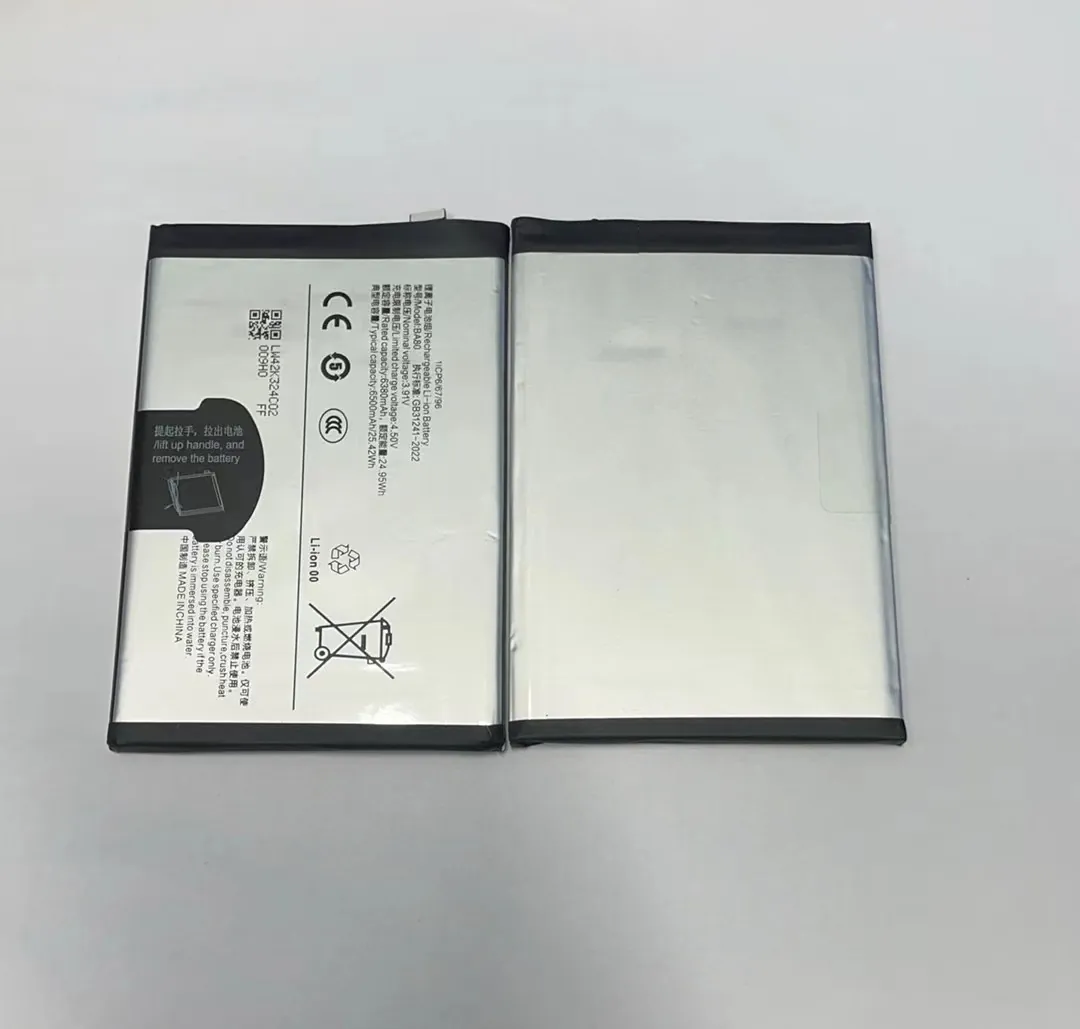
The thought of a free replacement can seem hopeful. Users want long battery life and worry when it drops fast. This section will explain the conditions that usually allow a warranty claim. You will learn how to know if your battery issue qualifies.
Battery warranty claims are usually valid when the battery stops working due to a manufacturing defect or rapid capacity loss within the warranty term. Normal wear and tear may not be covered by all manufacturers.
It is not enough to just have a bad battery. Warranty claims depend on many conditions. You must prove the battery has a fault that is not due to your use. The manufacturer may check the phone to confirm the issue.
What are defects?
A defect means the battery fails because it was wrong at the factory. It might overheat for no reason, fail to charge, or drain power too fast soon after purchase. These issues are not from user handling. The battery must have a real fault, not just typical aging.
Warranty period matters
Most manufacturers set a time limit for battery claims. For example, one year or two years from the purchase date. If your battery fails after that, the claim may be denied. Some brands offer extended battery coverage, but not all.
| Condition type | Usually covered? | Notes |
|---|---|---|
| Manufacturing defect | Yes | Must show fault not caused by user |
| Normal aging | Often no | Batteries wear down over time |
| Physical damage | No | Damage from drops or water voids warranty |
| Non‑original parts | No | Repaired with non‑OEM parts can void warranty |
What you need to file a claim
You often need proof of purchase, like a receipt. The date must fall in the warranty term. If you bought from a carrier or third party, the warranty may differ. Some companies require original packaging or serial numbers.
Carrier warranties
Sometimes phone carriers have service warranties that include tire battery support. These are separate from the manufacturer’s promise. Check what the carrier covers and for how long. You might pay an extra fee for this coverage.
You should also check local laws. Some regions require minimum warranty support for batteries regardless of the manufacturer’s policy. For example, some countries protect consumers with a minimum 2‑year warranty for parts. Always check the legal protections where you live.
Why physical damage voids warranty?
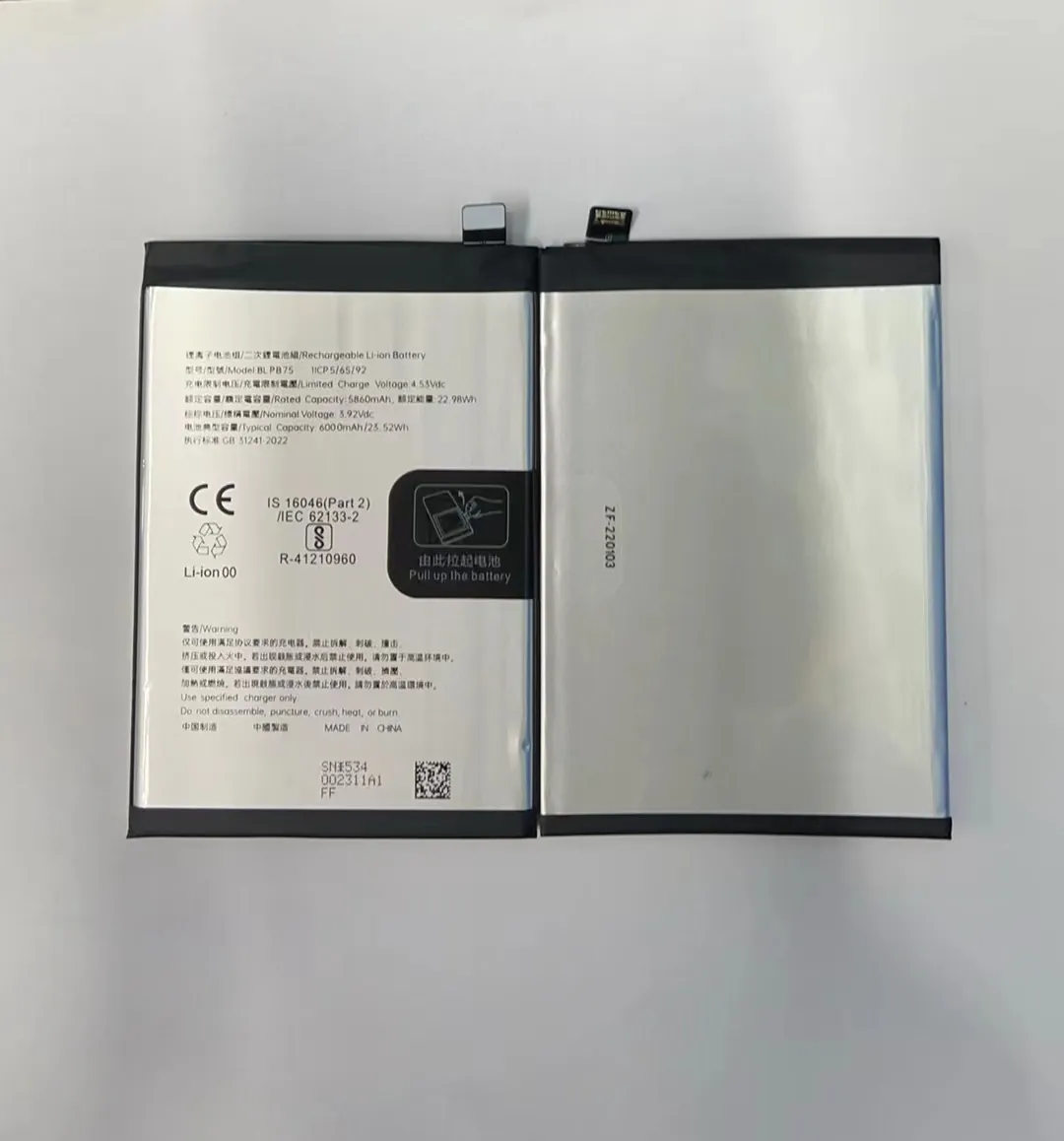
Users often do not realize how easy it is to void a warranty. A single drop or liquid spill might be enough to make the claim invalid. Understanding why physical damage affects coverage will help you protect your rights.
Physical damage usually voids battery warranty because the fault is caused by user action and not a manufacturing error. Breaks, dents, or heat damage from misuse are not defects.
When a phone is dropped, inside parts shift. The battery can get tiny cracks that you do not see. This can lead to poor performance later. The manufacturer sees this as user damage, not their mistake.
How do manufacturers check damage?
Most phones have damage indicators inside. These stickers or color markers change if water enters the phone. If the sticker is altered, the company may refuse service. They also check the phone body. Bent frames or broken screens show impact. These signs often mean the battery issue is not covered.
Common physical damage scenarios
- Dropping the phone on hard floors
- Sitting on the phone
- Water or food spills
- Extreme temperature exposure
- DIY repairs gone wrong
Example: How a fall affects battery
When a phone falls, the battery may shift inside. Even if there are no outer marks, internal contacts can break. A loose battery will fail over time. This is a result of the impact, not a defect in materials. Manufacturers consider this user damage.
| Damage type | Warranty status |
|---|---|
| Crack in phone body | Voids warranty |
| Water exposure | Voids warranty |
| Battery swelling from normal use | May be covered |
| DIY teardown marks | Voids warranty |
Why mishandling is excluded
Warranty exists to protect against bad parts. It does not cover issues caused by you. If the phone been opened or modified without permission, all protection can be lost. This includes installing third‑party batteries or parts not approved by the maker. Even well‑intended repairs can remove seals or damage components.
What if damage is borderline?
Some damage may be hard to classify. For instance, slight dents may not affect the battery. If the phone still turns on and shows no water marks, the claim may still be valid at the maker’s discretion. Always ask for an inspection. Do not assume denial.
Which brands offer longer coverage?
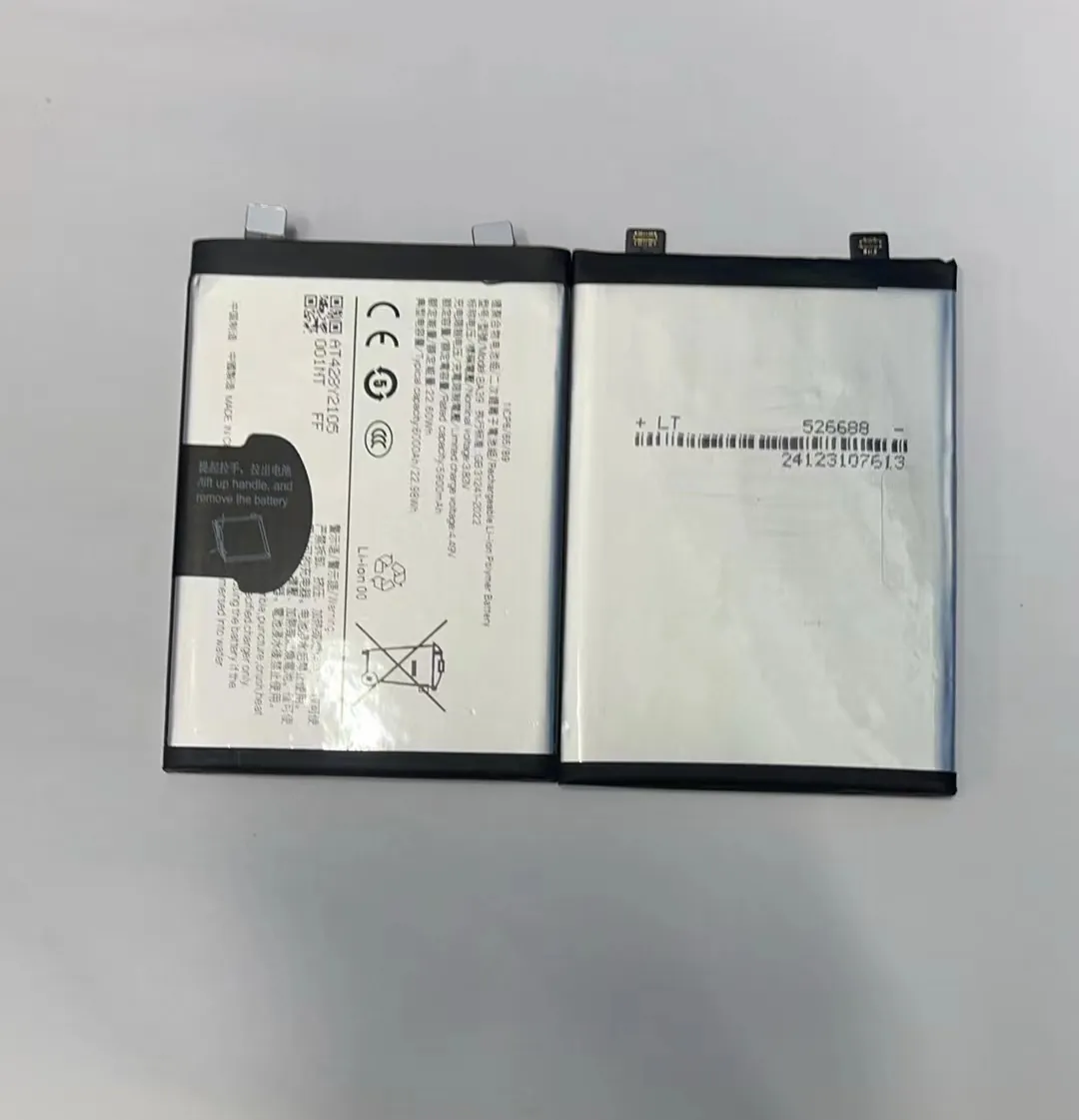
Not all companies treat battery warranty the same. Some are generous with time and terms, others are strict. Knowing the differences helps when you buy a new phone. You can choose a brand that matches your needs.
Some manufacturers offer longer battery warranties or separate protection plans. Apple and Samsung often provide extended plans that include battery coverage beyond the standard term. Other brands may offer only the basic coverage.
Apple battery warranty
Apple typically includes a warranty for one year with every device. If the battery holds less than 80% capacity in that period, Apple may replace it. If you buy AppleCare+, you get extended coverage up to two years or more. This includes battery service for similar conditions.
Samsung warranty options
Samsung also offers a standard one‑year warranty. They have Samsung Care+ which extends to two years. With care plans, battery replacement is included under certain conditions. Without it, you might pay full cost after the first year.
Google Pixel
Google Pixel devices come with a one‑year warranty in many regions. Battery coverage is similar. Extended plans are available for extra cost. Battery health must show a manufacturing issue for a free replacement.
Other brands
Smaller or budget brands may offer different terms. Some give six months on battery, others a full year. It depends on the company’s policy. Always check before buying.
| Brand | Standard warranty | Extended option |
|---|---|---|
| Apple | 1 year | AppleCare+ |
| Samsung | 1 year | Samsung Care+ |
| 1 year | Extended plans | |
| Other brands | 6‑12 months | Varies |
What extended plans cover
Extended plans often cover:
- Battery defects after standard term
- Accidental damage protection
- Loss or theft in some plans
They may charge a fee. Some plans require purchase soon after phone activation. Prices vary by region and phone model.
How to decide if extended coverage is worth it
Ask yourself:
- How long do you plan to use the phone?
- Do you drop phones often?
- Is the battery critical for your usage?
If you keep phones longer than one year, extended coverage is useful. Otherwise, standard warranty may be enough. High usage phones may benefit from extra battery protection.
Regional differences
Warranty terms can vary by country. Some regions require longer minimum coverage. Extended plans might not be available everywhere. Check the terms where you bought the phone.
How do users check warranty status?

Knowing if your phone is still under warranty is key before you call support. This section explains easy ways to check the status. You will learn how to get proof so you can make a claim.
Users can check warranty status by using the phone’s serial number on the manufacturer’s support site, checking the original receipt, or using built‑in phone settings for warranty info.
Find your serial number
Every phone has a unique serial number or IMEI. You can find it in:
- Phone settings
- The original box
- Under the battery (if removable)
Check online
Most brands have online tools where you enter the serial number to see warranty status. These tools tell you the start and end date of coverage. Some also list extended plans if purchased.
Check via settings
Some phones show warranty info in settings. For example:
- Go to “About phone”
- Look for “Warranty” or “Legal”
This shows date and coverage details. Not all brands provide full warranty info on the phone itself.
Check receipt or invoice
Your proof of purchase often has the date and seller info. The warranty term starts the day you bought the phone. If you cannot find online info, the receipt can help support confirm coverage.
Contact support
If you are unsure, contact customer service. Provide:
- Serial number
- Date of purchase
- Description of the battery issue
They will check their system and tell you if coverage is active. Keep records of your communication.
Record keeping tips
| Item | Why it matters |
|---|---|
| Receipt/invoice | Shows purchase date |
| Serial/IMEI | Needed for online check |
| Photos of issue | Helps support team |
| Warranty docs | Full terms and limits |
Before you file a claim
- Charge phone to at least 50% to test properly
- Take photos of battery performance if possible
- Note any errors or unusual activity
This can speed up the process.
Using apps
Some brands have support apps. These can show warranty and service options. They may tell you how to start a claim without a phone call.
Carrier checks
If you bought from a carrier, their app or website may list warranty status too. But this often shows carrier plans, not the manufacturer warranty. Ask to be sure which coverage is shown.
Conclusion
Mobile phone batteries often are covered under warranty if the fault is due to manufacturing defects and within the warranty period. Physical damage usually voids the claim. Brands differ in coverage, and users should check status with serial numbers, receipts, or support tools to be sure before filing a claim.
