
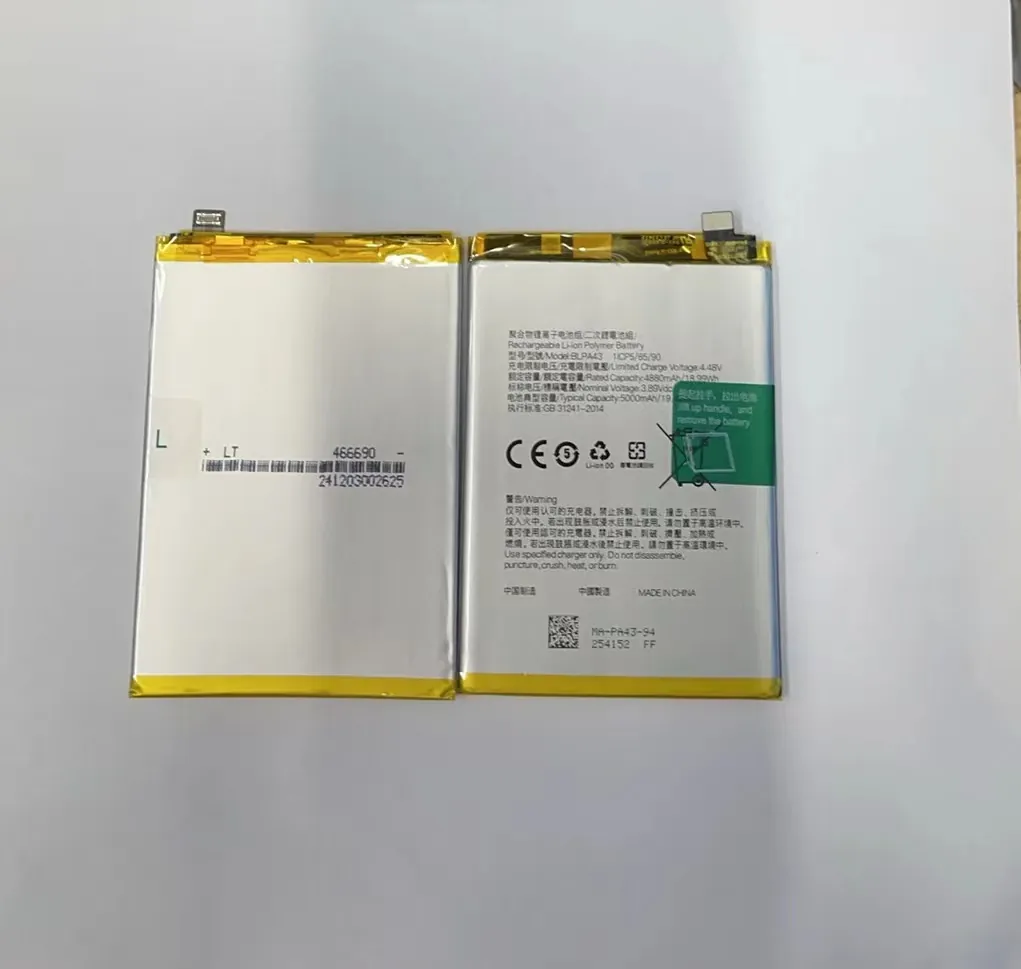
Mobile phone batteries may look the same from the outside, but inside, a very specific chemistry powers nearly every device we use today.
Yes, almost all mobile phone batteries today are lithium-based, specifically lithium-ion or lithium-polymer. These batteries offer the best combination of energy density, size, and reliability for smartphones.
If you're running a mobile phone business or sourcing parts, knowing the battery type helps you understand performance, safety, and compatibility.
Why Are Lithium Batteries Used in Phones?
Smartphones have powerful features but limited space. That creates pressure to use compact and efficient batteries.
Lithium batteries are used in phones because they are lightweight, high in energy density, and support fast charging cycles with a long lifespan.

Lithium technology gives smartphone makers more design freedom. It provides enough power for advanced screens, fast processors, and long-lasting apps.
What Makes Lithium Batteries Ideal for Phones?
Lithium batteries outperform older battery types in key areas. Let's break it down:
1. High Energy Density
They store a lot of power in a small space. This is perfect for phones, where size matters.
2. Lightweight
Lithium is the lightest metal. This helps keep phones slim and portable.
3. Long Cycle Life
These batteries handle many charge cycles before performance drops. Users can recharge them daily for years.
4. Low Self-Discharge
Lithium cells lose power slowly when not in use. This makes phones last longer between charges.
5. Fast Charging
Modern lithium batteries charge quickly. Some support high-speed charging up to 65W or more.
Here’s a simple table showing how lithium compares to older battery types:
| Feature | Lithium-ion | Nickel-Metal Hydride | Nickel-Cadmium |
|---|---|---|---|
| Energy Density | High | Medium | Low |
| Weight | Light | Medium | Heavy |
| Charging Speed | Fast | Slow | Slow |
| Memory Effect | None | Mild | High |
| Self-Discharge Rate | Low | High | High |
The modern phone experience—quick charging, long usage, and sleek designs—depends on lithium technology.
What Are the Pros and Cons of Lithium Batteries?
Lithium batteries seem perfect, but they do come with downsides you should know.
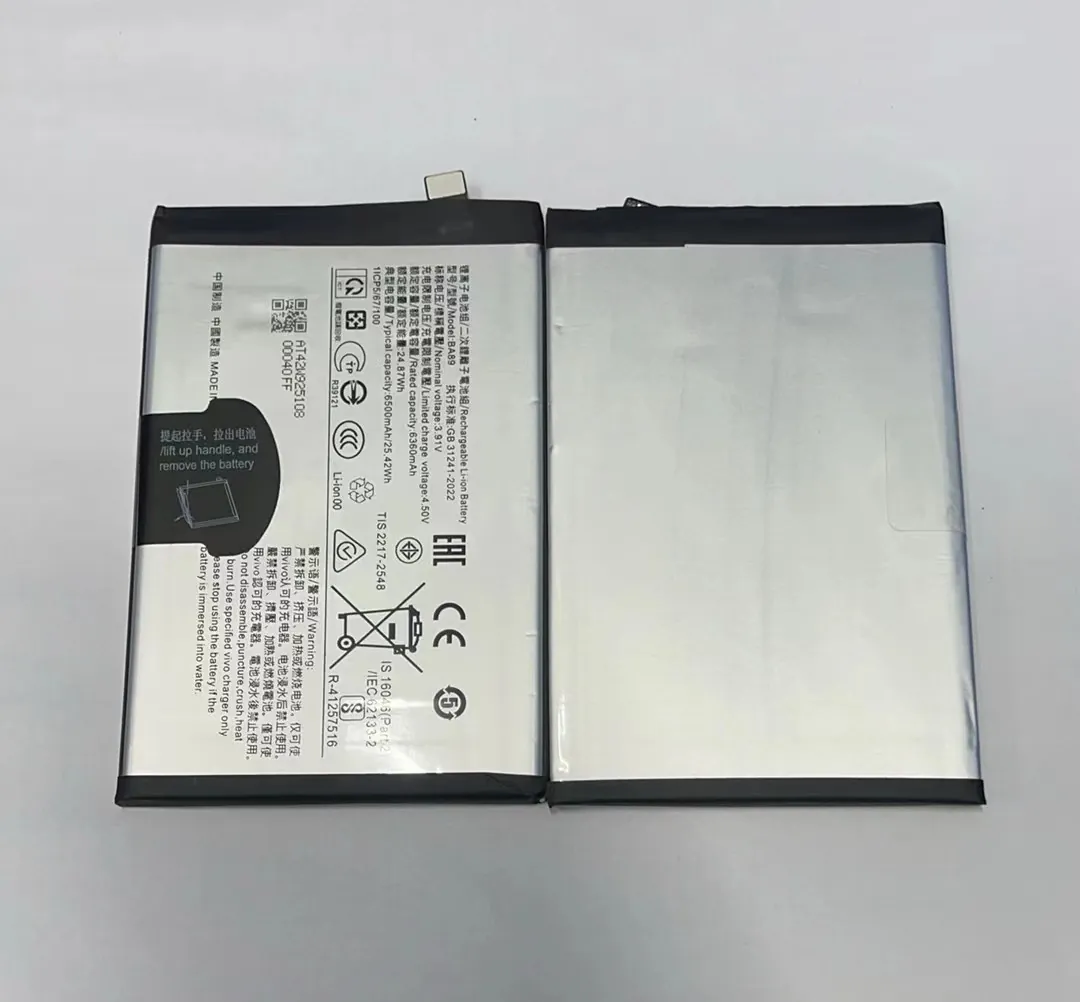
The main advantages of lithium batteries are energy efficiency, fast charging, and long lifespan. The main disadvantages are aging, high cost, and safety risks if damaged.
Pros of Lithium Batteries
1. High Power Output
Lithium batteries provide stable voltage and high current. This supports demanding phone features like video recording or gaming.
2. Compact Size
Because of their high energy density, they need less space than other battery types.
3. Long Life Span
With proper care, lithium batteries last 2–3 years or 500–1000 cycles.
4. No Memory Effect
You don’t need to fully discharge them before recharging. This makes them easier to use.
Cons of Lithium Batteries
1. Expensive Materials
They are more costly to produce than older battery types.
2. Sensitive to Heat and Impact
If punctured or overheated, they can swell or catch fire. That’s why protective circuits are necessary.
3. Aging Effect
Even if not used often, lithium batteries age. After a few years, they hold less charge.
4. Requires Special Disposal
These batteries contain materials that can harm the environment if not recycled properly.
Here’s a quick summary:
| Aspect | Advantage | Disadvantage |
|---|---|---|
| Size/Weight | Compact and light | None |
| Power | High energy and voltage | Sensitive to damage |
| Lifespan | Long (if well-maintained) | Natural aging even without use |
| Cost | High performance | More expensive |
| Safety | Protected by circuits | Risk of overheating if damaged |
Overall, the pros still outweigh the cons in most mobile phone applications.
Do All Smartphones Use Lithium-Ion Batteries?
Most phones today use lithium-ion technology, but some use a different form of lithium.
Yes, nearly all modern smartphones use lithium-ion or lithium-polymer batteries, which are both lithium-based.
Types of Lithium Batteries in Phones
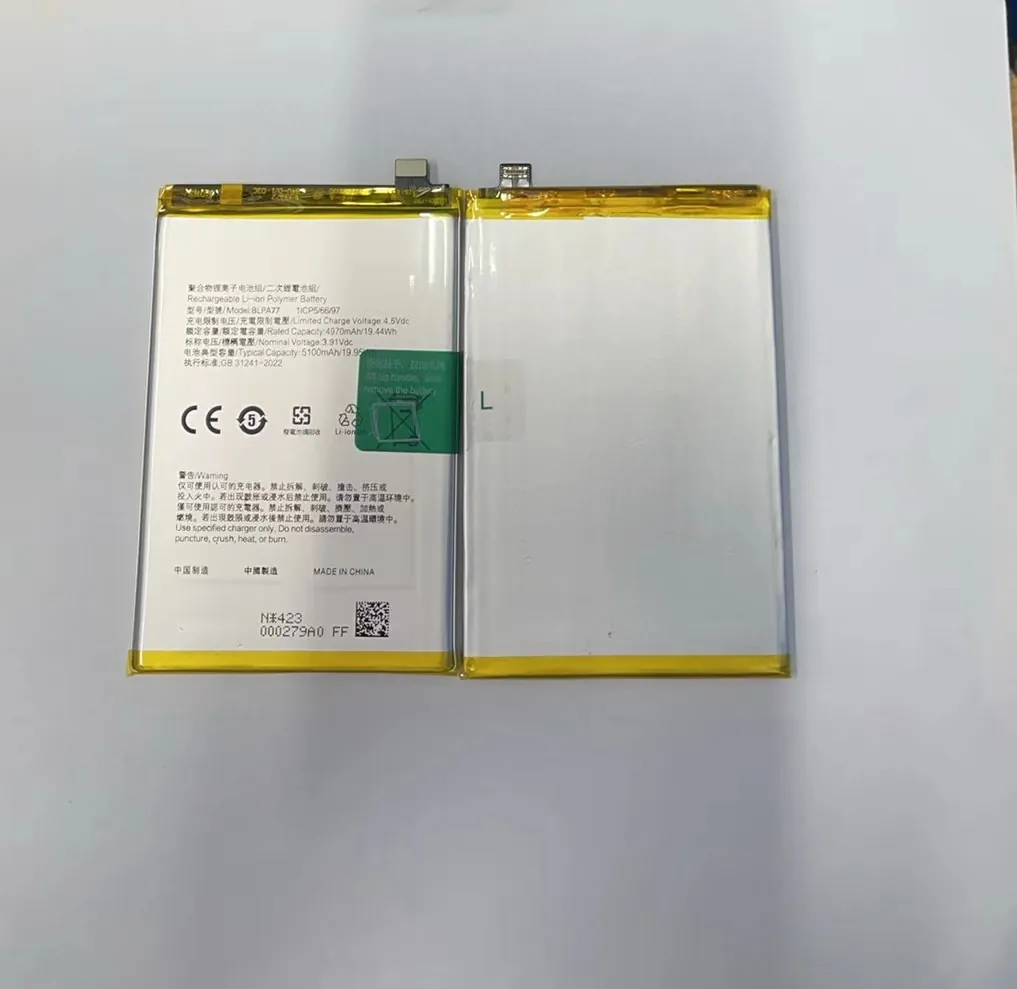
There are two main types used in smartphones:
Lithium-Ion (Li-ion)
These batteries are common in older or budget phones. They have a solid shape and are cost-effective.
Lithium-Polymer (Li-Po)
Newer or premium phones use Li-Po. They are lighter, can be shaped flexibly, and are less likely to leak.
| Type | Features | Common Usage |
|---|---|---|
| Lithium-Ion | Solid form, high capacity, cheap | Entry-level and mid-range phones |
| Lithium-Polymer | Flexible shape, safer design | Flagship phones, thin models |
Some phones even mix both, depending on the layout and manufacturer preference.
Real-World Use Examples
- iPhones have used lithium-polymer batteries since the iPhone 6 series.
- Samsung Galaxy phones also use Li-Po, especially in flagship models.
- Older phones like the Nokia series used Li-ion before Li-Po became affordable.
All of them rely on lithium chemistry. No major smartphone maker uses non-lithium batteries today.
Are There Alternatives to Lithium Phone Batteries?
Technology moves fast, and researchers are always exploring better battery options.
Currently, there are no mainstream alternatives to lithium batteries in phones, but technologies like solid-state and graphene are in development.
What Alternatives Are Being Explored?
1. Solid-State Batteries
These batteries use solid electrolytes instead of liquid. They are safer, last longer, and charge faster.
Pros:
- No fire risk
- Can pack more energy
- Longer lifespan
Cons:
- Expensive
- Not ready for mass production yet
2. Graphene Batteries
These batteries use graphene material. They can charge in minutes and offer higher capacity.
Pros:
- Super-fast charging
- Less heat
- Long life
Cons:
- Still under research
- Production is expensive
3. Sodium-Ion Batteries
These are based on sodium instead of lithium. Sodium is cheaper and more abundant.
Pros:
- Lower cost
- Environmentally friendly
Cons:
- Heavier and larger
- Lower energy density
Why Lithium Still Leads
Right now, lithium batteries are the only proven and scalable option for mobile phones. Alternatives are exciting, but they’re not ready yet.
When solid-state or graphene batteries reach the market, they might change the way phones are designed and charged. Until then, lithium remains the best choice.
Conclusion
Lithium batteries power nearly every phone today because they offer high energy, fast charging, and a compact size. While alternatives exist in labs, lithium remains the top choice for smartphones.
