
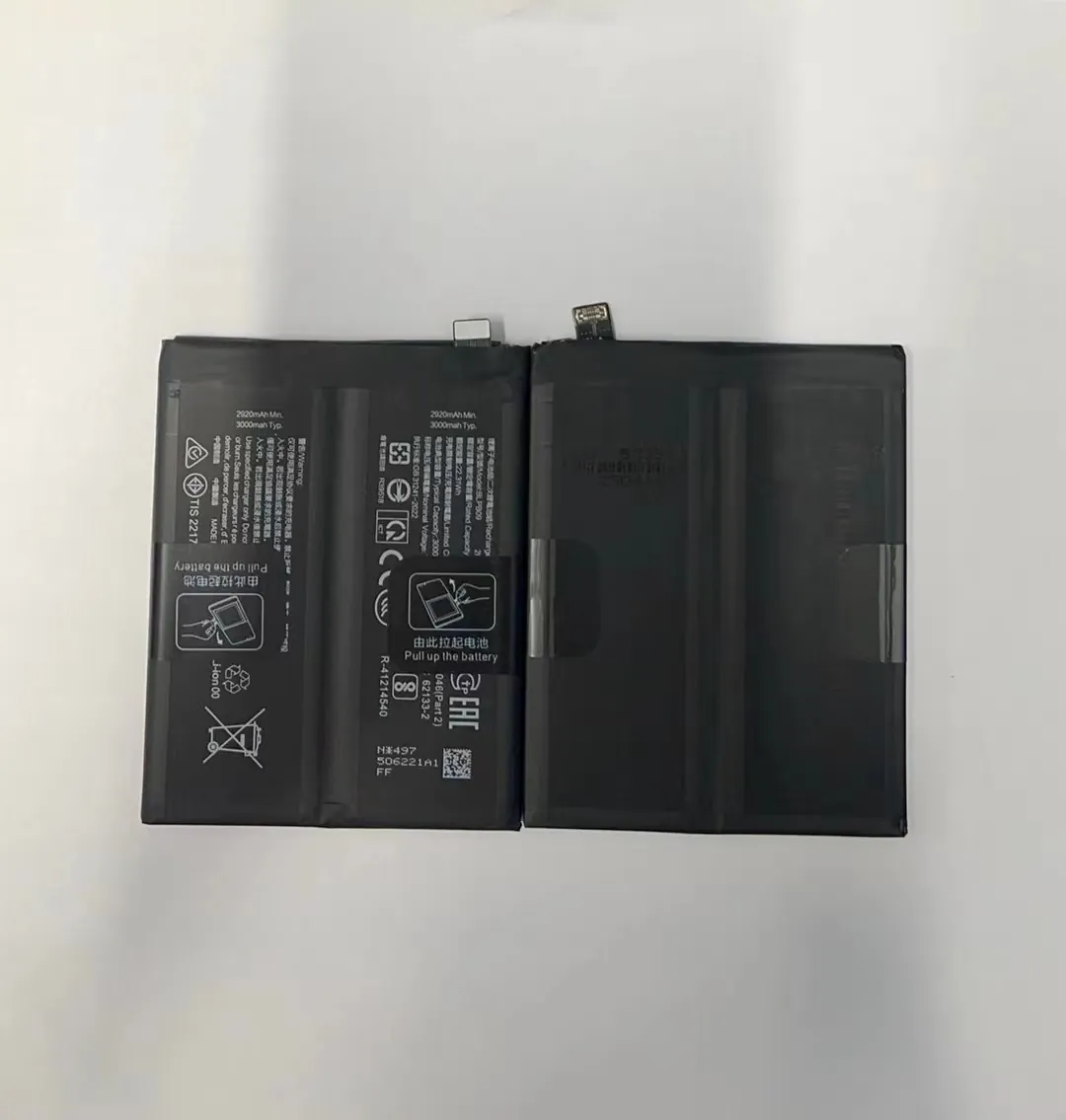
You grab your phone, check the battery, and wonder—what kind of battery powers this device? Is it always lithium?
No, not all mobile phones have lithium batteries, but nearly every modern smartphone today does. Older models and rare niche devices used different battery chemistries.
Most phones today use lithium-ion or lithium-polymer batteries for one simple reason: they work better. But the journey from old nickel-based cells to modern lithium was full of trade-offs and improvements.
What exceptions use other chemistries?

Back when mobile phones were chunky, heavy, and could barely last a day, their batteries were very different from what we use today. Older mobile phones didn’t use lithium batteries. Instead, they used nickel-based batteries like NiCd and NiMH.
Some early mobile phones used Nickel-Cadmium (NiCd) or Nickel-Metal Hydride (NiMH) batteries instead of lithium-based ones. These were the standard before lithium became dominant.
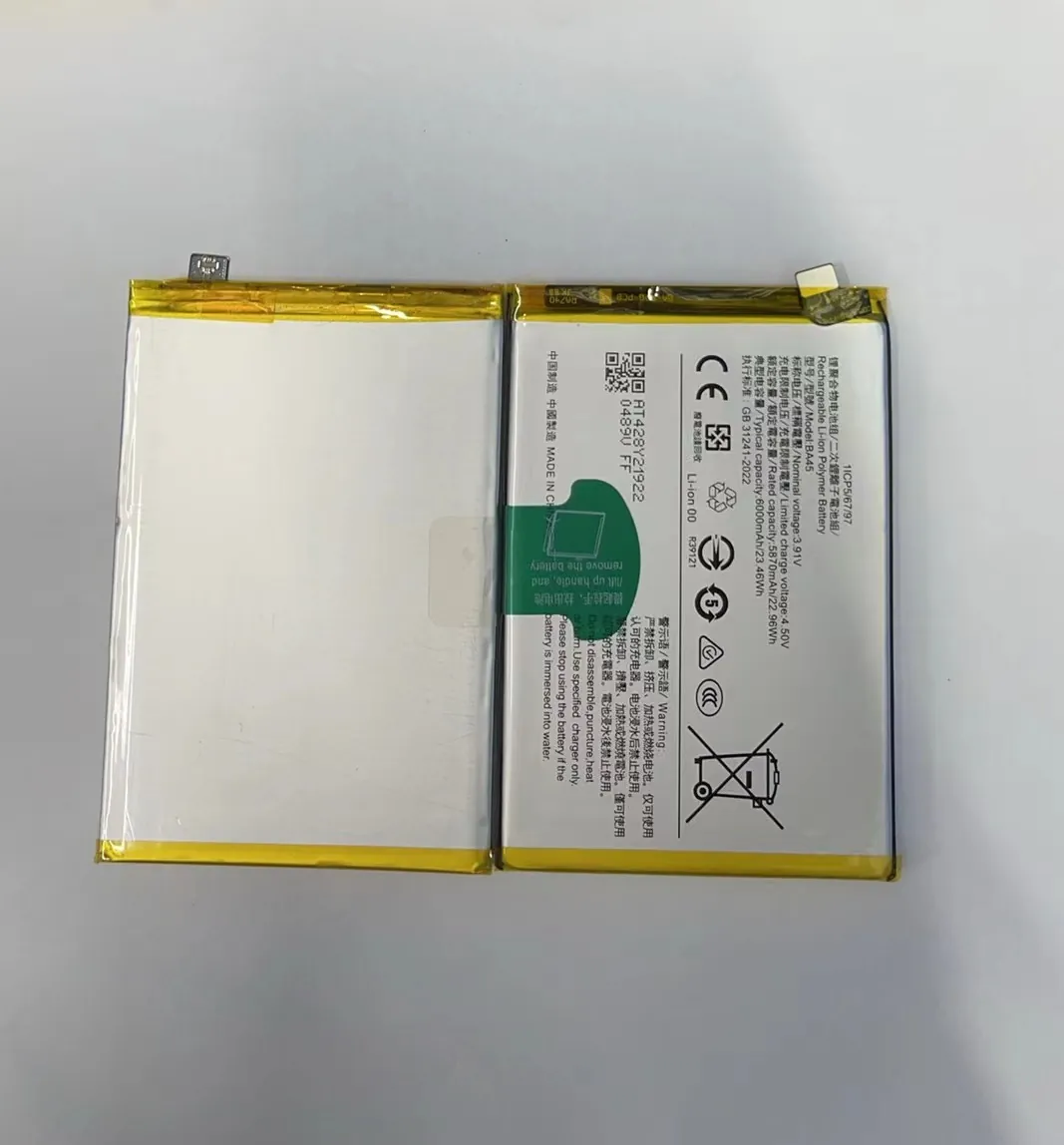
Why were they used?
These older batteries were popular because they were mature, available, and cost-effective. At the time, lithium technology was still expensive, less stable, and less understood.
Here’s a comparison to understand the key differences:
| Battery Type | Used In | Advantages | Disadvantages |
|---|---|---|---|
| NiCd | Very early mobile phones (1990s) | Durable, low cost | Memory effect, low energy density |
| NiMH | Feature phones (late 1990s to early 2000s) | Better capacity than NiCd, less toxic | Still bulky, shorter life than lithium |
| Lithium-ion / Lithium-polymer | Smartphones (2005 onward) | High capacity, compact, no memory effect | Higher cost, needs protection circuitry |
Where are these exceptions today?
Some rugged devices, special industrial phones, or old feature phones might still use non-lithium chemistries. But they are rare. Unless you’re using a phone that’s over 15 years old, you’re likely holding a lithium-powered device.
How do older models differ?

You might remember phones where you could just pop off the back cover and replace the battery in seconds. Those were the days of Nokia, Motorola, and other early phones. And their batteries were very different.
Older phones had removable batteries and often used NiMH or NiCd cells, which were heavier, had shorter lifespan, and lower energy density compared to lithium.
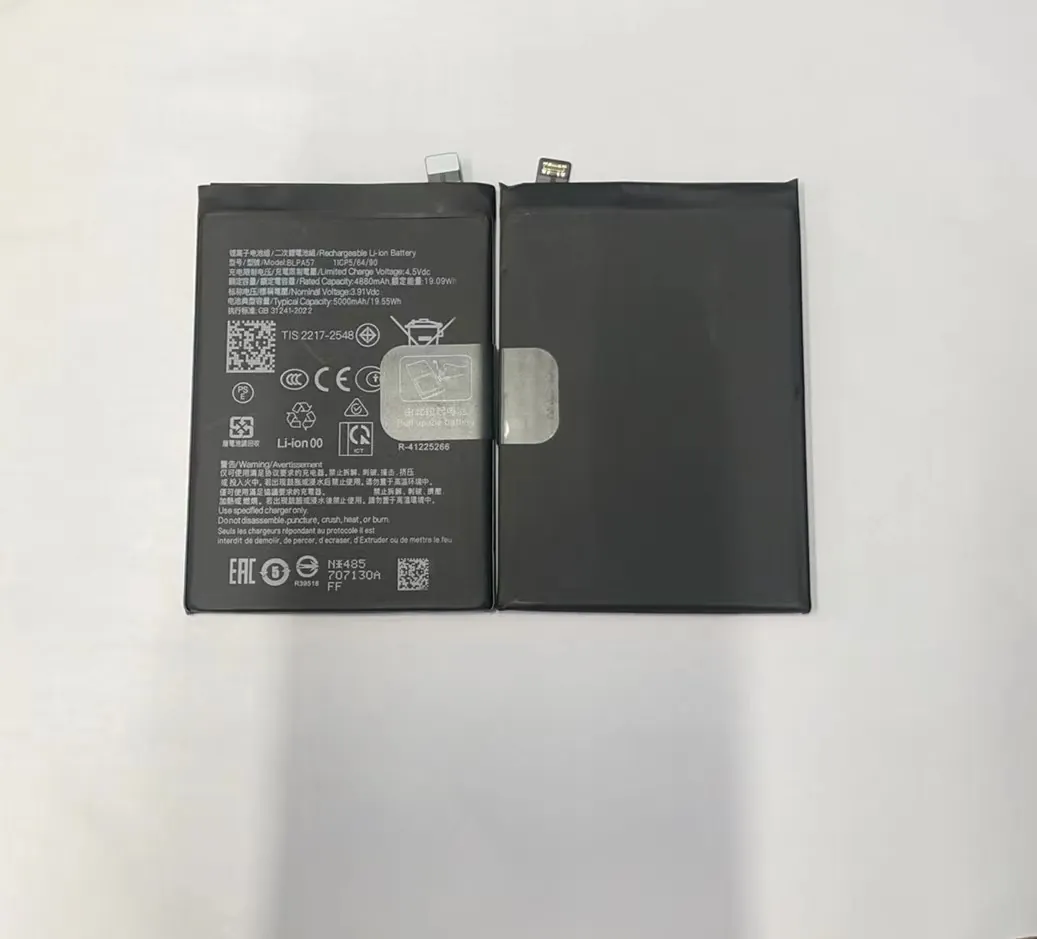
Main differences between older and modern models
1. Battery Chemistry
Older phones used NiCd or NiMH. They were bulky and needed frequent charging. Lithium changed that by offering more power in less space.
2. Removability
Old batteries were removable. You could carry a spare and swap it out. Today, batteries are sealed inside the phone to make the device thinner and more water-resistant.
3. Weight and Size
Nickel batteries were heavier and bulkier. Lithium batteries are lighter and thinner, allowing sleek phone designs.
4. Charging Habits
Older batteries had a “memory effect.” If you didn’t fully discharge them before charging, they would lose capacity. Lithium batteries don’t suffer from this, giving users more flexibility.
5. Voltage and Performance
Older batteries operated at lower voltages and needed more cells for the same performance. Lithium batteries provide higher voltages with fewer cells, making phones more efficient.
Summary Table
| Feature | Old Phones (NiCd/NiMH) | Modern Phones (Lithium) |
|---|---|---|
| Battery Chemistry | NiCd / NiMH | Lithium-ion / Lithium-polymer |
| Battery Access | Removable | Built-in |
| Memory Effect | Yes | No |
| Weight | Heavier | Lighter |
| Charging Behavior | Full discharge recommended | Partial charges acceptable |
| Energy Density | Low | High |
This shows how technology has improved, allowing better performance and user experience in newer phones.
Why lithium became universal?
With smartphones becoming essential tools—used for everything from photos to GPS—battery demands increased. Users wanted thinner phones with longer battery life. That’s why lithium took over.
Lithium batteries became the standard because they offer high energy density, light weight, no memory effect, and compact size—all perfect for modern smartphones.
Why lithium works so well
High Energy Density
Lithium batteries store more energy per gram. That means more battery life in a smaller space.
Light Weight
Because of their chemistry, lithium batteries are much lighter than older options. That made it possible to design thinner and lighter phones.
No Memory Effect
Users no longer have to wait for a full discharge before recharging. That makes daily charging much simpler and safer for battery health.
Design Flexibility
Lithium-polymer batteries can be shaped to fit unique phone designs. Whether a phone is curved or flat, lithium batteries can match the form.
Safety and Control
Modern lithium batteries come with built-in circuits to prevent overcharging and overheating. That makes them safer for daily use.
The move to Li-ion and Li-polymer
Lithium-ion and lithium-polymer are the two common types of lithium batteries in phones today. The main difference lies in the structure:
- Li-ion: Uses a liquid electrolyte; more energy dense.
- Li-polymer: Uses a gel-like electrolyte; more flexible in shape.
But both fall under the lithium battery family.
With these advantages, lithium became the go-to choice for all smartphone makers. It’s rare today to find a new phone using anything else.
Which devices still avoid lithium?
Not every electronic device uses lithium batteries. In fact, a few still avoid them for very specific reasons. These usually aren’t your daily smartphones though.
Only specialty, industrial, or very old phones avoid lithium batteries. Modern phones from the last 15 years all use lithium-based power.
Devices that may still use other batteries
-
Very old feature phones
Devices from the 1990s or early 2000s may still have NiMH or NiCd batteries if you find them in storage or use them in rare regions.
-
Rugged industrial phones
Some extremely durable phones used in construction, mining, or military zones may use custom batteries designed for temperature extremes or longer shelf life.
-
Research prototypes
Some labs are exploring other chemistries like sodium-ion or solid-state, but these aren’t commercially available yet.
-
Toys and accessories
Basic tech like budget walkie-talkies or remote controls sometimes still use NiMH batteries. But these aren’t smartphones.
Why avoid lithium?
There are a few cases where lithium isn’t ideal:
- Safety concerns in high-heat environments.
- Shelf life requirements where lithium would degrade too fast.
- Cost constraints for ultra-low-cost gadgets.
But for phones? Lithium wins almost every time.
So unless you’re working with specialty gear or have an antique flip phone, you’re using lithium.
Conclusion
Almost all modern mobile phones run on lithium batteries today. While older phones used NiCd or NiMH, lithium took over because it offers better capacity, lighter weight, and no memory effect. Only rare or outdated devices still use other chemistries. If you’re holding a phone made in the last 15 years, chances are—it’s lithium-powered.
