

Phones have changed a lot over the years. One big change is the move from removable batteries to built‑in batteries. Many people still ask if any current T‑Mobile phones have removable batteries. They want to know if they can swap a battery easily or if they must use tools and open the phone.
This article explains whether any current T‑Mobile phones have removable batteries, why manufacturers stopped making them, the safety and efficiency of removable vs built‑in batteries, and how users can replace a T‑Mobile phone battery safely.
Understanding this helps you plan phone purchases and know what to expect when the battery wears out.
Which T‑Mobile models still have removable batteries?
Most modern T‑Mobile phones do not have removable batteries. In the past, many phones let users take out the battery, but that changed as design trends shifted. Removable batteries are now rare in new phones from all major brands, including the phones sold by T‑Mobile.
Today’s mainstream T‑Mobile phones almost never include removable batteries. Instead, they use built‑in batteries that require tools and careful steps to replace.

When T‑Mobile lists new phones on its website, you will see popular models from Apple, Samsung, Google, and other brands. None of these latest models have removable batteries. They all use built‑in battery designs that are sealed inside the phone.
However, there are a few exceptions in very basic or feature phones. Some entry‑level phones and simple models still come with removable batteries. These are usually older designs or low‑cost phones that are not meant to compete with flagship devices.
Examples of Feature Phones with Removable Batteries
| Model Type | Removable Battery? | Notes |
|---|---|---|
| Simple feature phone | Yes | Often basic and affordable |
| Entry‑level smartphone | Rarely | More common built‑in batteries |
| Flagship or modern smartphone | No | Always sealed |
For example, some basic phones with simple screens and limited features retain a removable battery. These devices are often marketed as durable or easy to repair.
Still, if you are looking at the main T‑Mobile smartphone lineup, you will not find models with removable batteries. This includes popular T‑Mobile phones released in the last few years.
Why did manufacturers stop removable battery designs?
In the early years of mobile phones, removable batteries were normal. Users could buy a spare battery and swap it when needed. Yet today, almost no major phone has a removable battery. Why did this change happen?
Manufacturers stopped removable battery designs mostly because sealed batteries allowed thinner, more durable phones with better waterproofing and larger screens. These design goals became more important to users over time.
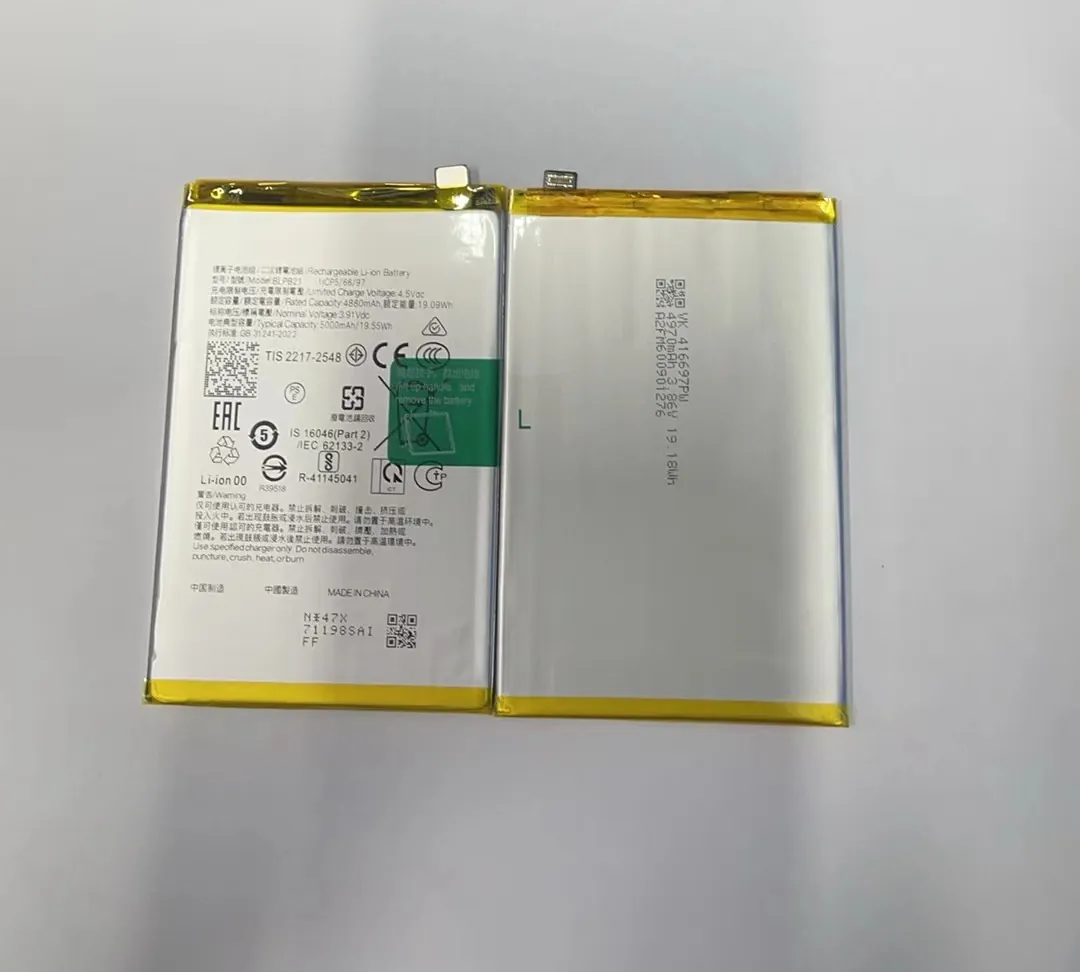
Below are the main reasons phone makers moved away from removable batteries.
1. Slimmer and More Modern Designs
Phones became thinner and sleeker over time. To make phones look modern and attractive, designers needed to remove the large battery doors and latches. Built‑in batteries fit better into slim designs, letting screens grow larger without increasing phone size.
Users now expect phones with minimal bezels and big displays. These design trends require space that removable batteries simply cannot support.
2. Better Sealing and Waterproofing
Built‑in batteries help make phones more water and dust resistant. With a sealed body, manufacturers can add gaskets and seals more easily. Most new phones are designed to survive splashes or even temporary immersion. Removable battery phones often cannot achieve a high level of water resistance.
3. Bigger Battery Capacity
Sealed designs make internal space simpler to manage. Without the need for a removable back or battery latch, designers can use every bit of space for a larger battery. This helps phones last longer on a single charge. Bigger batteries also support bigger screens, faster chips, and more features.
4. Structural Strength
Built‑in batteries help make phones stronger. A glued‑in battery and sealed body provide a more rigid structure. Phones with removable batteries often had more moving parts, which could weaken the frame.
Table: Reasons for Ending Removable Batteries
| Reason | Benefit of Built‑in Battery |
|---|---|
| Slim design | Thinner phone |
| Water resistance | Better sealing |
| Bigger battery | Longer battery life |
| Strong body | More durable |
Overall, removable batteries were sacrificed for larger goals. Users today value thin phones, long battery life, and water resistance more than the ability to swap a battery quickly.
Are removable batteries safer or less efficient?
This question is not simple because “safe” and “efficient” mean different things. People who like removable batteries often think they are safer because they can be replaced easily. Others argue that built‑in batteries with modern protections are more reliable.
Removable batteries are not inherently safer or more efficient. Built‑in batteries benefit from better design, but removable batteries can be easier to replace. Each has pros and cons depending on user needs.
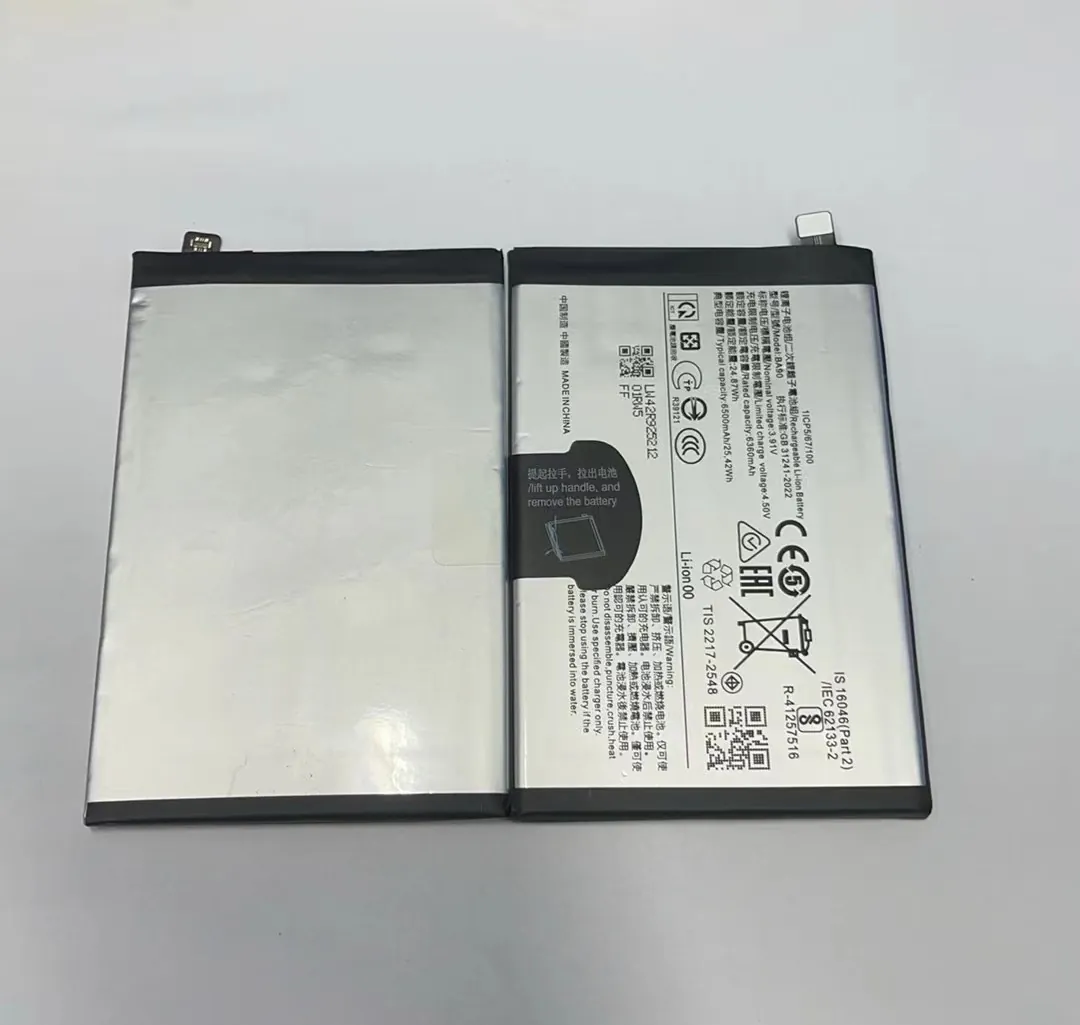
Below is a breakdown of the differences between removable and built‑in battery safety and efficiency.
Safety and Protection
Modern phones with built‑in batteries usually include complex battery management systems. These systems monitor temperature, voltage, and charging speed to avoid overheating and damage. Because the battery is built‑in, the manufacturer can optimize the phone around the battery.
Removable batteries may lack some of these protections depending on the phone model. Older phones did not include advanced safety systems. This meant a higher risk of battery issues if the wrong charger was used or the battery was damaged.
Efficiency and Optimization
Built‑in batteries tend to be better integrated with phone hardware and software. This means power use is optimized for performance and longevity. Built‑in batteries often support fast charging, wireless charging, and adaptive charging that slows down charge rates at night to protect battery health.
Removable batteries are not always tuned this way. Because they are designed for easy replacement, the connection systems may not support advanced charging features as well.
Pros and Cons
| Feature | Removable Battery | Built‑in Battery |
|---|---|---|
| Ease of replacement | Easy | Requires tools |
| Water resistance | Hard | Easier to achieve |
| Advanced safety systems | Varies | Often better |
| Charging features | Limited | More advanced |
| Long‑term performance | Depends | Often better optimized |
User Perspective
If you prefer simple phones for basic calling and texting, a removable battery might feel safer because you can swap it when it gets weak. But for most users who want modern features, the built‑in battery with optimized software and safety systems offers better performance and longevity.
In terms of pure efficiency and modern safety, built‑in batteries have the advantage. But removable batteries still have value in budget or rugged phones where ease of replacement matters more than advanced features.
Can users replace T‑Mobile phone batteries easily?
Most T‑Mobile phone users today face built‑in batteries that are not user‑removable. This raises questions about how easy battery replacement really is.
Users cannot easily replace built‑in batteries without some tools and care. But battery replacement is still possible through proper steps or professional repair services.
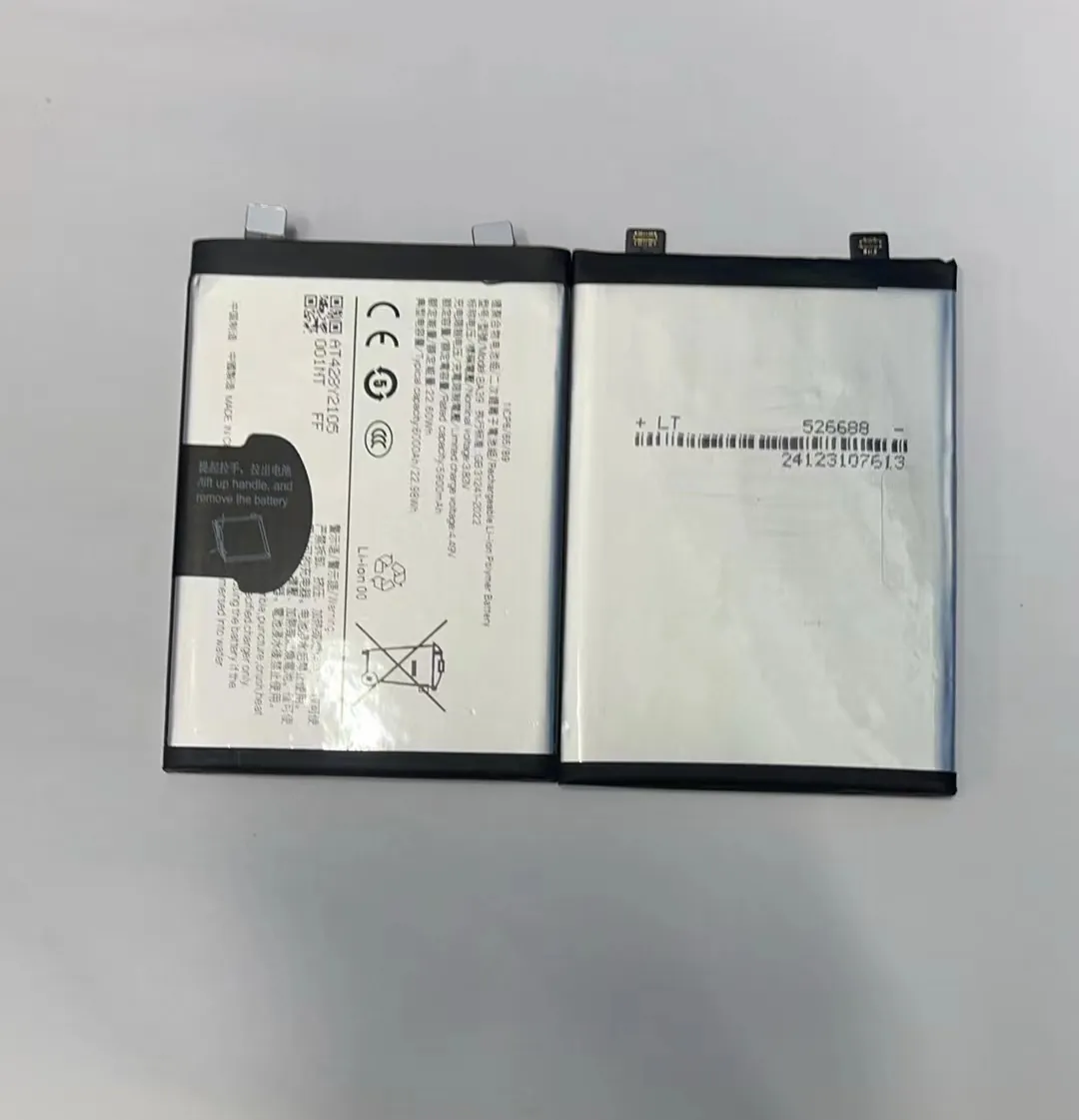
DIY Replacement
Technically, many phones can have batteries replaced by users if they have the right tools and knowledge. This often involves:
- Heating the glue that seals the back panel
- Using prying tools to open the phone
- Disconnecting delicate cables
- Removing the old battery
- Installing a new battery
- Resealing the phone
This process is not simple. Without experience, users risk damaging screens, cables, or internal parts. Water‑resistant seals are often compromised if not replaced properly.
Professional Repair Services
Because DIY replacement is hard, many users choose professional repair. T‑Mobile stores or third‑party repair shops can replace batteries using correct tools and parts. This is safer for most people, and professionals can ensure water resistance is restored.
Parts and Warranty
One challenge with built‑in battery replacement is finding the right parts. Using original or certified replacement batteries helps maintain performance and safety. Unauthorized or low‑quality batteries can cause:
- Poor battery life
- Overheating
- Damage to the phone
Also, replacing the battery yourself can void the phone warranty. Professional services may protect your warranty or offer guarantees on the repair.
Table: Battery Replacement Options
| Method | Ease | Risks | Best For |
|---|---|---|---|
| DIY | Hard | High | Experienced users |
| Professional repair | Easy | Low | Most users |
| Manufacturer service | Moderate | Low | Warranty protection |
Final Advice
If you need a battery replacement for a T‑Mobile phone, check the model and battery type first. If the phone is still under warranty, contact T‑Mobile or the manufacturer. If not, professional repair shops are a good choice.
For basic phones with removable batteries, replacement is easy and user‑friendly. For modern smartphones, built‑in batteries require more care. The most important thing is to use quality parts and correct steps to protect your phone’s performance and safety.
