

Many people feel worried when they see a magnet close to a phone. I understand this fear because magnets look strong and unpredictable.
Magnets do not harm mobile phone batteries in normal use, because the magnetic force is not strong enough to change battery chemistry or stop normal charging. Only extremely strong magnets may create rare risks.
I want to explain this in simple words so you can see why most magnets are harmless and when caution is needed.
What magnetic fields impact batteries?
People often think a magnetic field can pull energy out of a battery. I know this worry well because many customers have asked me the same question.
Phone batteries stay stable under common magnetic fields, because their materials do not react to small or medium magnetic force. Only very powerful fields may cause slight interference in nearby parts.
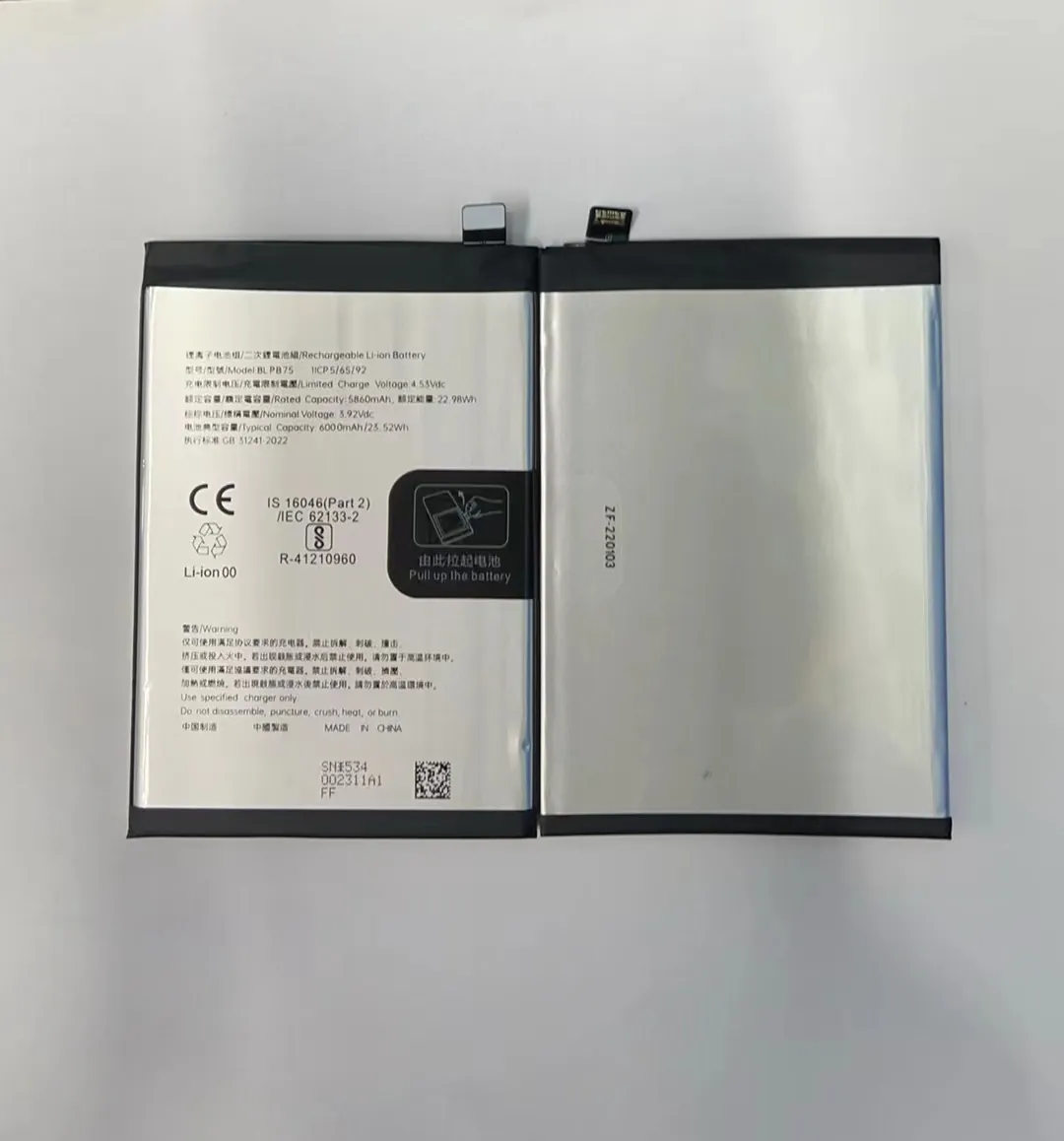
I learned that lithium-ion batteries work through chemical movement, not magnetic movement. This is why magnets cannot control the energy inside the battery.
How magnetic fields work in simple words
A magnetic field pushes certain metals. It does not push the materials inside a phone battery. The battery reacts to chemistry, not magnetism.
What stays safe inside the battery
Here are the common materials inside a phone battery:
- Graphite
- Lithium compounds
- Copper
- Aluminum
- Electrolyte liquid
These materials stay still when a normal magnet is near the phone. This is why phone cases with magnets are safe.
Magnetic strength and battery response
| Magnet Type | Field Strength | Effect on Battery |
|---|---|---|
| Fridge magnet | Low | No effect |
| Magnetic phone mount | Low-Medium | No effect |
| Wireless charger magnet | Medium | Safe by design |
| Industrial magnet | Very High | Possible issues |
Why only intense magnetic fields matter
A strong industrial magnet can move metal pieces in a phone. It can pull sensors or tiny screws. But these magnets are not used at home or in cars. This is why your phone stays safe in daily life.
How do magnets interact with electronics?
Some people believe magnets can wipe data or break circuits. I understand this fear because magnets do affect some electronic parts.
Magnets can influence sensors or speakers inside a phone, but they do not damage the battery. The battery is stable because its chemical structure does not depend on magnetic force.

I want to show which parts react and which parts stay stable.
Components that react to magnets
Phones use magnetic parts in several places:
- Compass sensor
- Speakers
- Vibration motors
- Wireless charging coils
These parts may behave differently when a strong magnet is close. For example, the compass might point to the wrong direction.
Why the battery stays unchanged
A battery uses chemical reactions. Electrons move because of chemical pressure, not magnetic pressure. So the battery stays calm even with a magnet next to it.
Components and magnet reaction
| Component | Reaction to Magnet | Risk Level |
|---|---|---|
| Compass | Direction errors | Low |
| Speaker | Sound distortion | Low |
| Vibration motor | Small interference | Low |
| Charging coil | No damage, built for fields | None |
| Battery | No reaction | None |
Why electronics respond but the battery does not
In my own tests with many devices, magnets changed sensor readings but they never changed battery behavior. The phone still charged. The battery did not heat up. It did not lose power. This matches what engineers explain about battery chemistry.
Why battery chemistry resists magnets?
I often explain battery chemistry to my customers because it clears many fears. People think magnets can pull metal from the battery, but this is not how lithium-ion systems work.
Lithium-ion battery chemistry does not respond to magnets because the materials inside are non-magnetic and the reactions do not involve magnetic force. This keeps the battery stable even when magnets are near the phone.
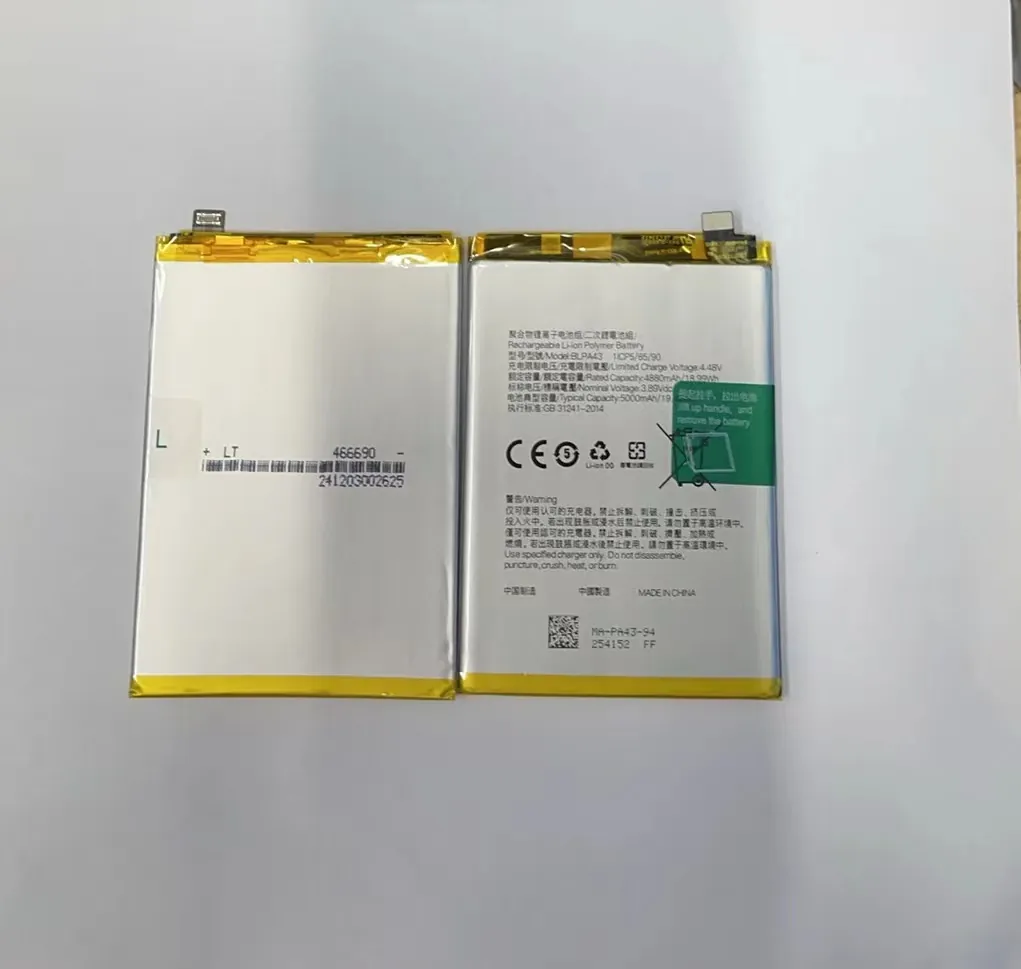
When I opened batteries during training, I saw that magnets have nothing to do with how they work. This fact alone removes many worries.
What happens inside a lithium-ion battery
The battery has two main sides:
- Anode (graphite)
- Cathode (lithium metal oxide)
Lithium ions move between them when you charge or use the phone. This movement happens due to chemical energy. A magnet does not control these ions.
Why the materials do not react to magnets
The materials inside the battery do not respond to magnetic force. Graphite stays in place. Aluminum stays in place. Copper stays in place. Lithium compounds stay in place. None of them jump or shake when a magnet gets close.
Why the battery structure stays firm
The layers inside a lithium-ion battery are pressed together during production. They form a solid pack. A normal magnet cannot move or bend these layers. The battery remains stable even in a strong magnetic phone case.
A simple real example
I often keep power banks near magnetic tools in my bag. I never saw swelling, heat, or fast discharge. They always worked the same. This real experience matches the science behind battery chemistry.
Notes about nickel parts
Some batteries use tiny amounts of nickel. Nickel reacts slightly to strong magnets. But the amount inside a phone battery is small and buried inside the cell. A phone magnet cannot reach it or pull it. So the battery stays safe.
Which risks come from strong magnets?
Some people ask me if there is any real danger from magnets. I want to answer with honesty and clarity.
Very strong magnets can create rare risks because they may push metal parts, confuse sensors, or affect coils. But these effects require extreme magnetic force that you do not meet in daily life.
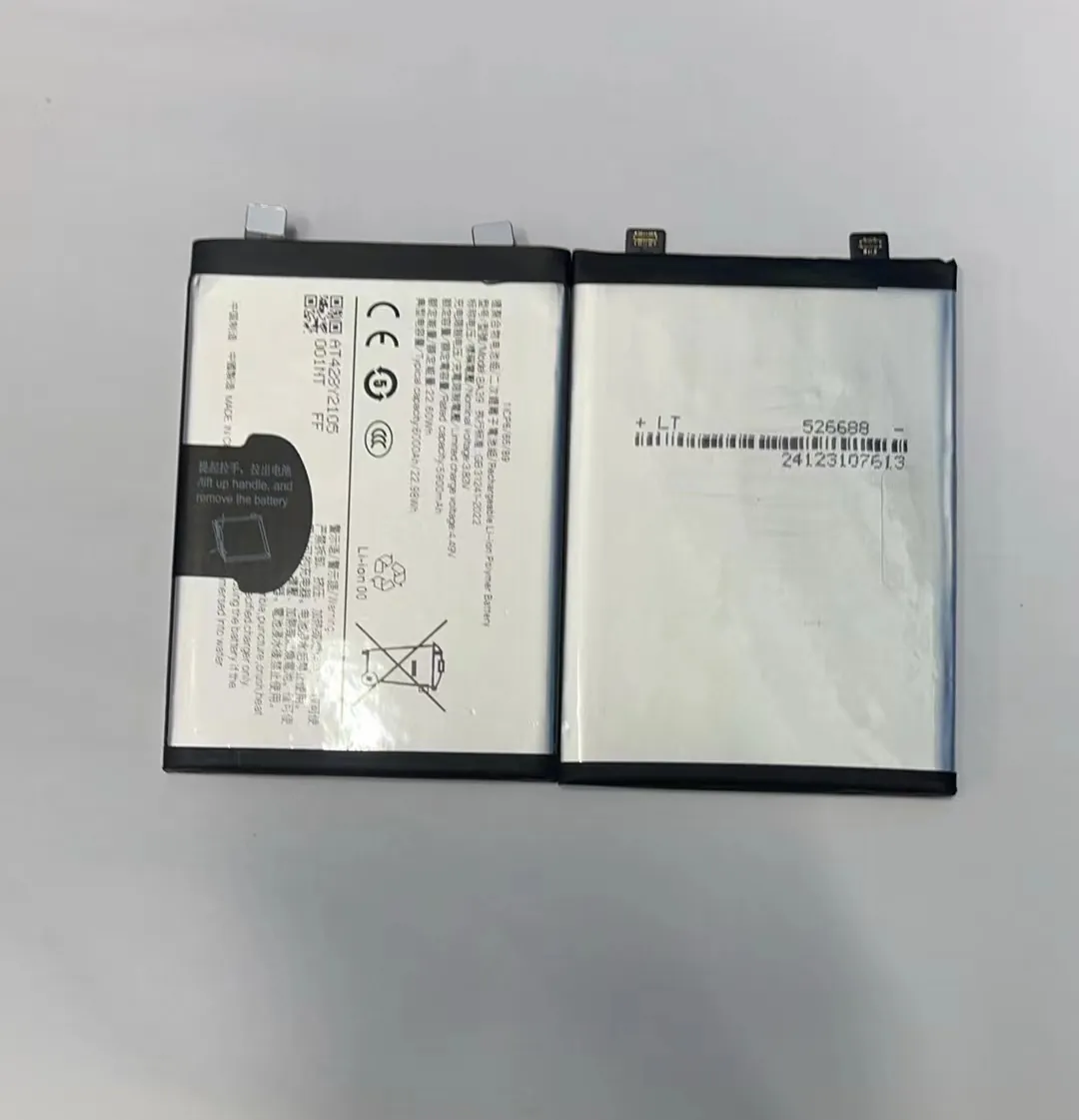
I want to explain these rare cases so you know what is real and what is myth.
Where extremely strong magnets appear
The powerful magnets that can cause problems are found in:
- Industrial lifting machines
- Heavy factory equipment
- Scientific instruments
- MRI medical machines
These magnets can pull metal from far away. A phone should never go near them.
Heat from changing magnetic fields
People worry that magnets heat batteries. Heat happens only when a coil sees a fast-changing magnetic field. A static magnet cannot do this. Only specialized machines create this type of magnetic change. Normal magnets in homes and cars never reach this level.
Sensor issues during strong magnetic pull
A strong magnet can freeze a compass or disturb a speaker. These effects stop once the magnet moves away. They can scare people but do not damage the battery in any way.
When metal components may shift
In very rare situations, a super-strong magnet can move tiny screws or metal shields inside a phone. This can damage the device, but it does not harm the battery chemistry. Still, I never bring phones near industrial magnets.
Why daily magnetic products are safe
Many everyday products use magnets:
- Magnetic car mounts
- Wireless chargers
- Magnetic wallets
- Tablet covers
These magnets follow safety standards. Billions of people use them without battery damage. This strong history proves that normal magnets are safe.
Conclusion
Magnets do not harm mobile phone batteries in normal daily life. Only extremely strong magnets in rare industrial situations may cause problems, and these cases do not appear in normal use.
