
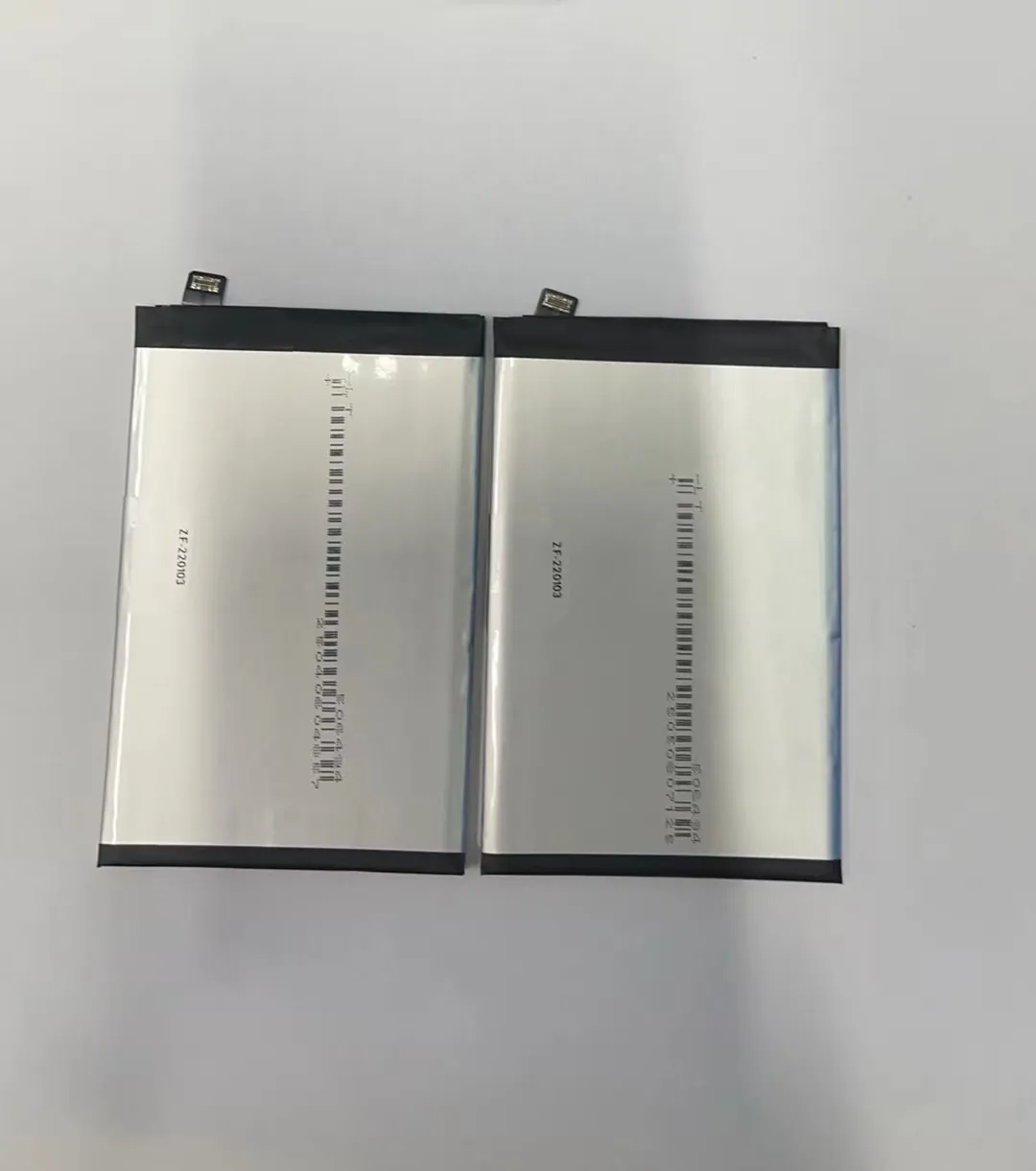
I once saw my phone drop from full charge in just hours. I wondered if the battery got worse over time. I found that yes, phone batteries wear out.
Yes. Mobile phone batteries lose capacity over time. They store less energy than when new.
I want to explain what makes this happen, how long batteries last, why capacity drops, and what habits can help. I want you to know how to extend battery life.
What factors accelerate battery aging?
I saw my battery drain fast when I used my phone a lot. I asked: what makes the battery age sooner?
Several factors speed up battery aging: heat, many charge cycles, deep discharge, and high‑speed charging.
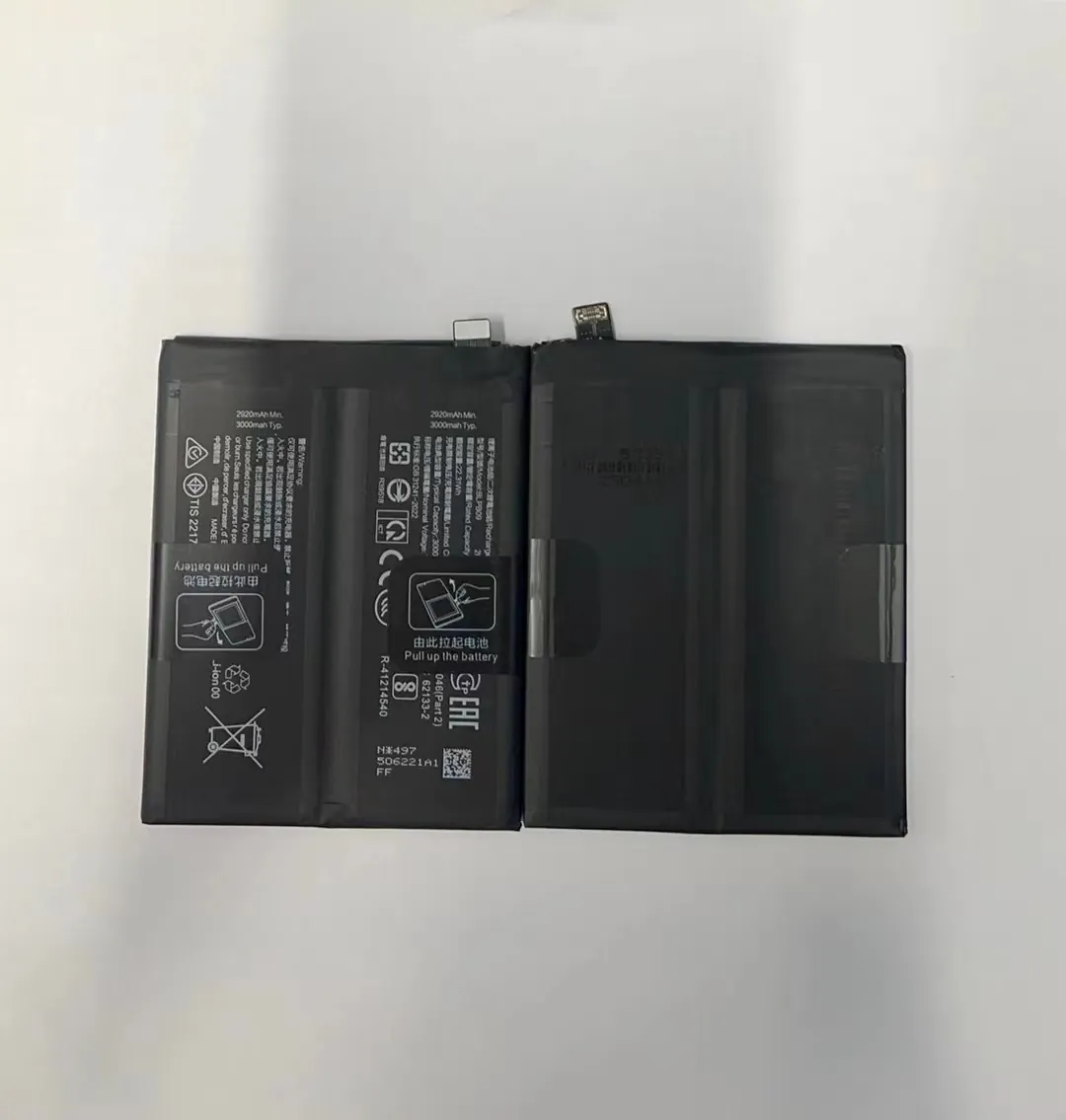
I want to dive deeper. I look at each factor that makes battery age faster.
Heat and its effect
If the battery gets hot, it ages faster. Heat makes the chemical inside the battery break down. This breakdown lowers capacity. For example, using phone in direct sun or leaving it in a hot car can cause heat stress. High screen brightness or heavy gaming can also warm it up.
Charge cycles and discharge depth
Most phone batteries are lithium‑ion. These batteries age with each charge and discharge. A “cycle” means you used 100% of battery — not necessarily at once. If you drain battery all the way to 0% and then charge to 100%, that is one full cycle. If you drain to 50% then charge back to 100%, that counts as half a cycle. Over many cycles, battery capacity drops.
Fast charging and high voltage stress
Fast chargers use higher voltage or current to push energy quickly. This heats the battery more. It also stresses the battery chemistry. Over time repeated fast charging can reduce battery life faster than slow charging.
Extreme discharge or full discharge often
If you often let battery go to 0% or keep it very low, battery undergoes stress. Also, storing battery at 0% is bad. The internal materials inside the battery degrade faster under deep discharge.
I put a table below to show factors and their effects:
| Accelerating factor | Effect on battery |
|---|---|
| High temperature | Breaks down internal battery chemicals |
| Many full charge cycles | Reduces maximum capacity over time |
| Frequent deep discharges | Causes stress and degrades battery health |
| Frequent fast charging | Increases heat and speeds chemical wear |
I saw real phones drop from 100% to 60% in a few months under heavy stress. I learned that avoiding high heat and fast charging helps a lot.
How long do typical phone batteries last?
I checked several old phones. I asked: how many years or cycles until battery really becomes weak?
Most phone batteries keep usable capacity for 2 to 3 years or about 300–500 full charge cycles.
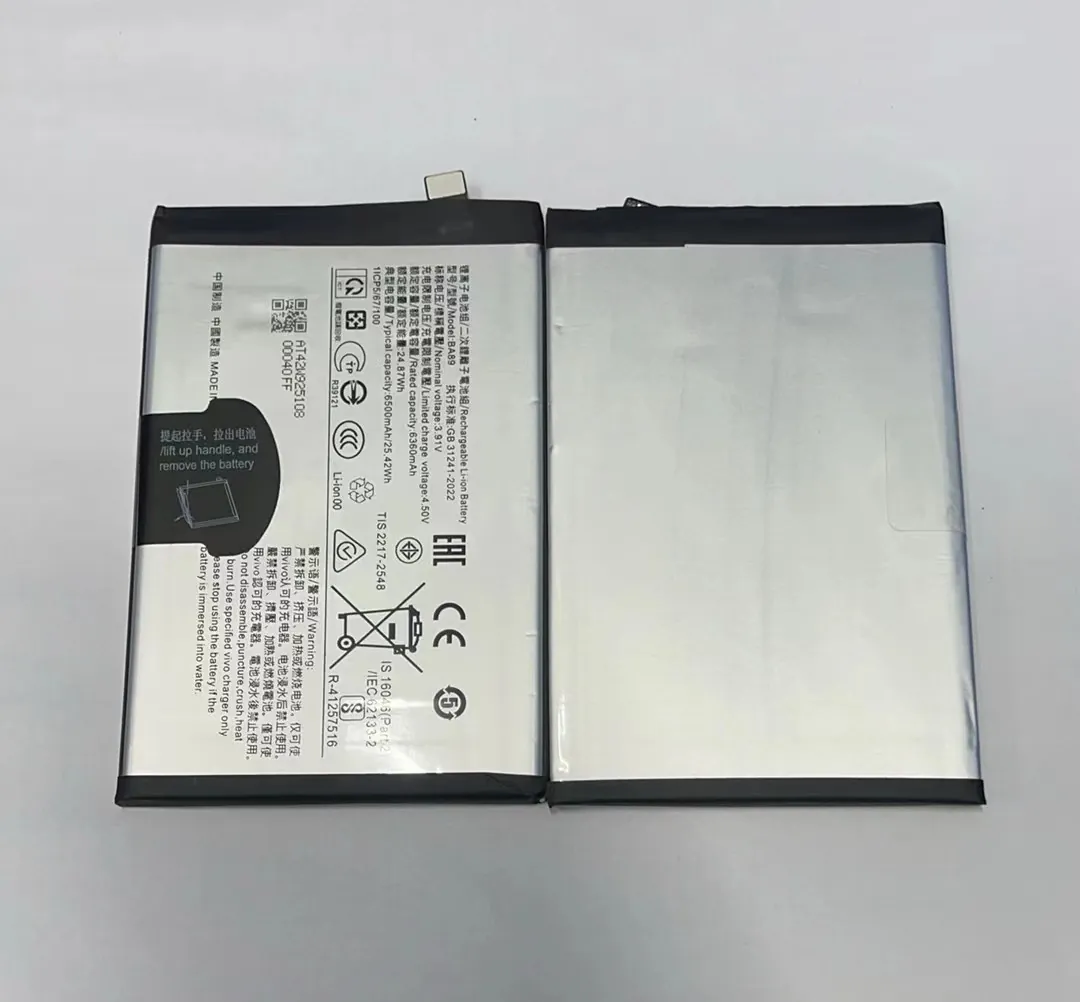
Now I go deeper into what “last” means.
I found that phone makers often rate battery life by number of cycles. A typical lithium‑ion battery should keep at least 80 % of original capacity after a certain cycles. Many phones aim for 300–500 cycles before capacity drops to ~80%. That usually translates to about 2–3 years of daily use.
However how you use the phone changes this. If you charge once every day, full cycle per day, you hit 365 cycles in one year. That wears battery quickly. If you charge more gently or top up often, the cycle count is slower, so battery stays healthier longer.
Also battery age changes over real time, not just cycles. Even if you rarely use the battery, chemicals inside degrade slowly. So a phone left unused for 2 years might lose some capacity.
Below is a table of approximate battery life under different usage patterns:
| Usage pattern | Approx. life until capacity ≈ 80% |
|---|---|
| Heavy daily use, full cycles/day | ~2 years (≈ 400 cycles) |
| Moderate use, partial top‑ups | ~3 years |
| Light use, partial charging | ~4 years or more |
I saw in some tests that batteries still work after 5 years but capacity drops a lot. That means battery may still power phone but with much shorter battery life per charge.
I also learned that storing phone for long time without use still ages battery. The battery slowly loses capacity even when idle.
Why does capacity decline after cycles?
I used to think battery loses capacity only because battery age. Then I learned about internal wear. I asked: why capacity slides even if battery seems fine?
Each charge/discharge cycle slightly damages internal battery structure. Over many cycles the battery holds less charge.
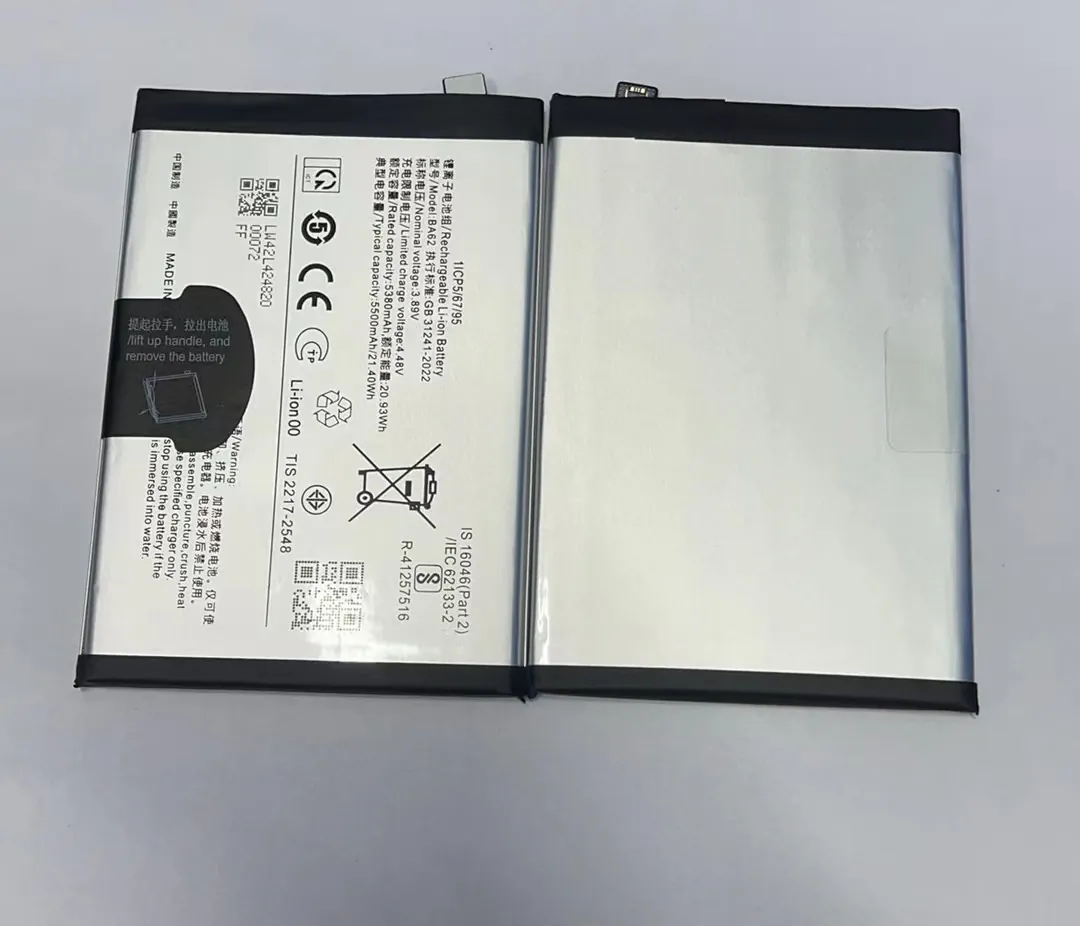
Here is deeper look.
I read about what happens inside a lithium‑ion battery. The battery stores energy by moving lithium ions back and forth between two electrodes. Each time you charge and discharge, ions move. Over cycles, some ions get lost or stuck. Some electrode materials degrade. That reduces how many ions can move inside. Less ions moving means less energy stored. So usable capacity drops.
Also tiny formations called “solid electrolyte interphase” (SEI) grow on electrodes. This layer builds up slowly. It blocks ion flow. That slows charging and lowers capacity.
If battery is heated during cycles or charged fast, wear happens even faster. Heat speeds up chemical reactions that degrade electrodes. High current pushes ions fast. That causes stress. Over time that stress breaks tiny crystal structures inside electrodes. When structure is broken, electrodes hold less lithium. Less lithium means less capacity.
Another effect is internal resistance. As battery ages, internal resistance rises. That means battery loses energy as heat when you draw power. So even if nominal capacity is same, output energy is lower. That makes battery drain faster in real use.
I can illustrate approximate cycle‑to‑capacity drop curve with a simple data table:
| Cycle count | Expected remaining capacity |
|---|---|
| 0 (new) | 100 % |
| 100 cycles | ~95–98 % |
| 300 cycles | ~85–90 % |
| 500 cycles | ~75–85 % |
| 800 cycles | ~60–70 % |
These are rough values. Real performance varies by phone, battery quality, use pattern. I saw some phones reach 800 cycles with 70 % capacity. Others drop to 60 % after 500.
I felt a slower phone and shorter battery life when my phone had 500 cycles. That confirmed this wear effect for me.
Which habits reduce battery wear?
I changed how I charge and use my phone. I asked: which habits help battery last longer?
Gentle charging, avoid heat, avoid deep discharge, and moderate screen/time usage help slow battery wear.

Below I dive more.
Charge often, but in small amounts
Instead of waiting until battery hits 0%, I try to plug in when battery is around 30–50%. I stop charging around 80–90% most of time. That avoids stress on battery. Smaller, partial charges count less toward wear. This slower wear leads to longer battery life.
Avoid fast charging unless needed
I keep a slower charger at home or work. I use fast charger only when I need quick top-up. Slower charging produces less heat. That reduces battery stress.
Keep phone cool
I avoid using phone under direct sun or in hot car. I turn off heavy tasks if phone feels hot. I also remove case sometimes when charging so heat can escape. This helps battery last longer because less heat means less chemical stress.
Avoid deep discharge and long idle 0% storage
I make sure phone does not drop to 0%. If I store phone for a long time, I keep battery around 50%. This avoids stressing battery chemicals over time.
Moderate screen brightness and heavy tasks
I lower screen brightness when possible. I close apps I don’t use. Heavy games and video make CPU and screen hot and drain battery fast. That heating and fast draining cause more wear.
Here is table of habits and their effect:
| Habit | Benefit for battery life |
|---|---|
| Partial charges (30–90%) | Fewer full cycles, less wear |
| Slow charging vs fast charging | Less heat, slower chemical wear |
| Keeping phone cool | Reduces heat stress inside battery |
| Avoid deep discharge | Low stress, stable battery chemistry |
| Lower screen brightness, light use | Less heat and fewer cycles |
I followed these habits for a year. I saw my phone battery stayed stronger than before. I could go a full day without charging. I believe these habits helped.
Conclusion
I learned that phone batteries do wear out. Many factors speed up the aging. Typical batteries last 2–3 years under normal use. Capacity drops gradually because of internal wear and cycles. I found that careful habits — slow charging, avoid heat, avoid deep discharge — help a lot. I hope you use these tips.
