
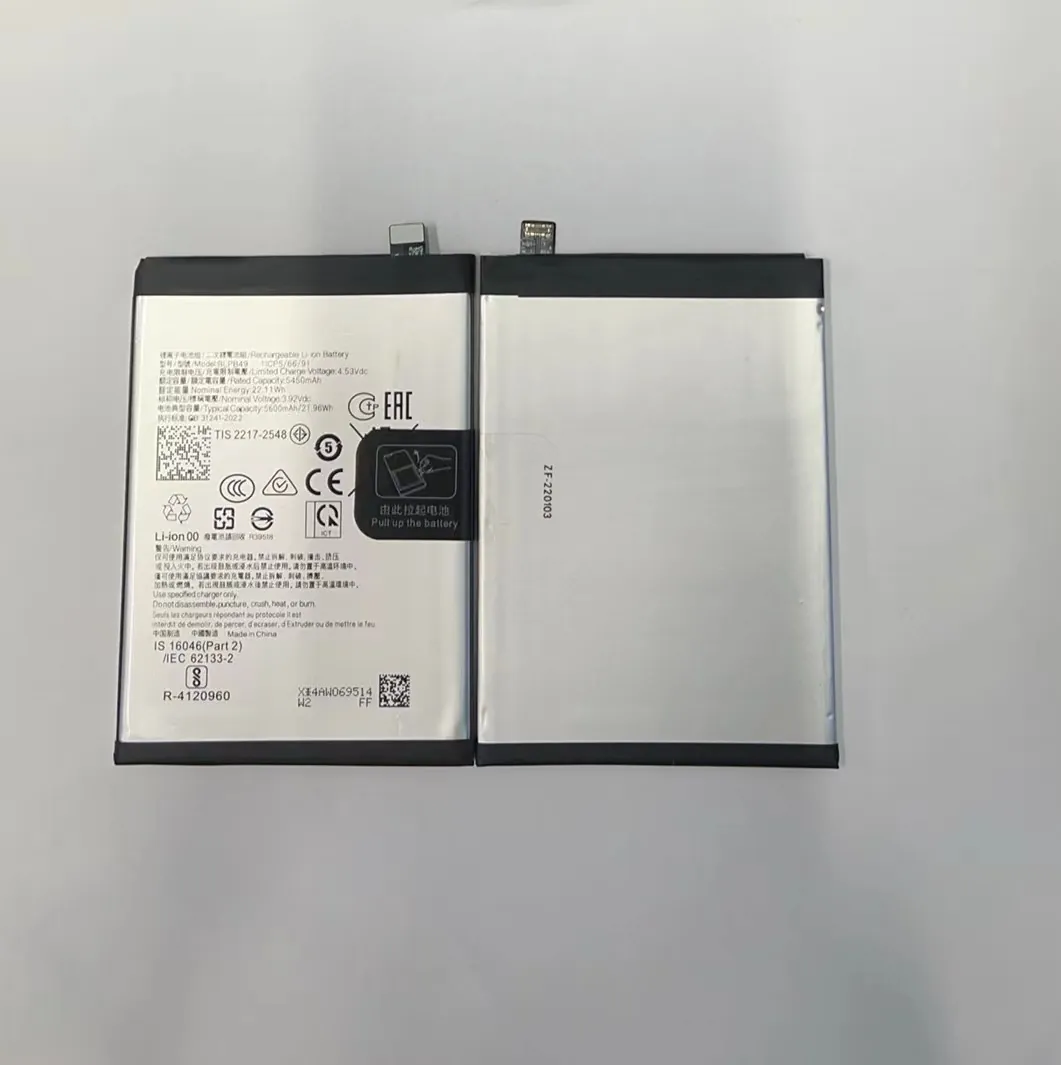
Choosing a replacement battery for your phone can feel stressful. I’ve been there.
Yes — ASDA does sell batteries and has phone‑battery related guidance, but it doesn’t appear to specialise in stand‑alone mobile‑phone replacement batteries like a dedicated phone‑parts wholesaler.
Let’s keep reading to explore what ASDA is, the value it offers for phone battery buyers, how to use or choose such a battery via ASDA (or similar), and what future trends matter.
What is ASDA?
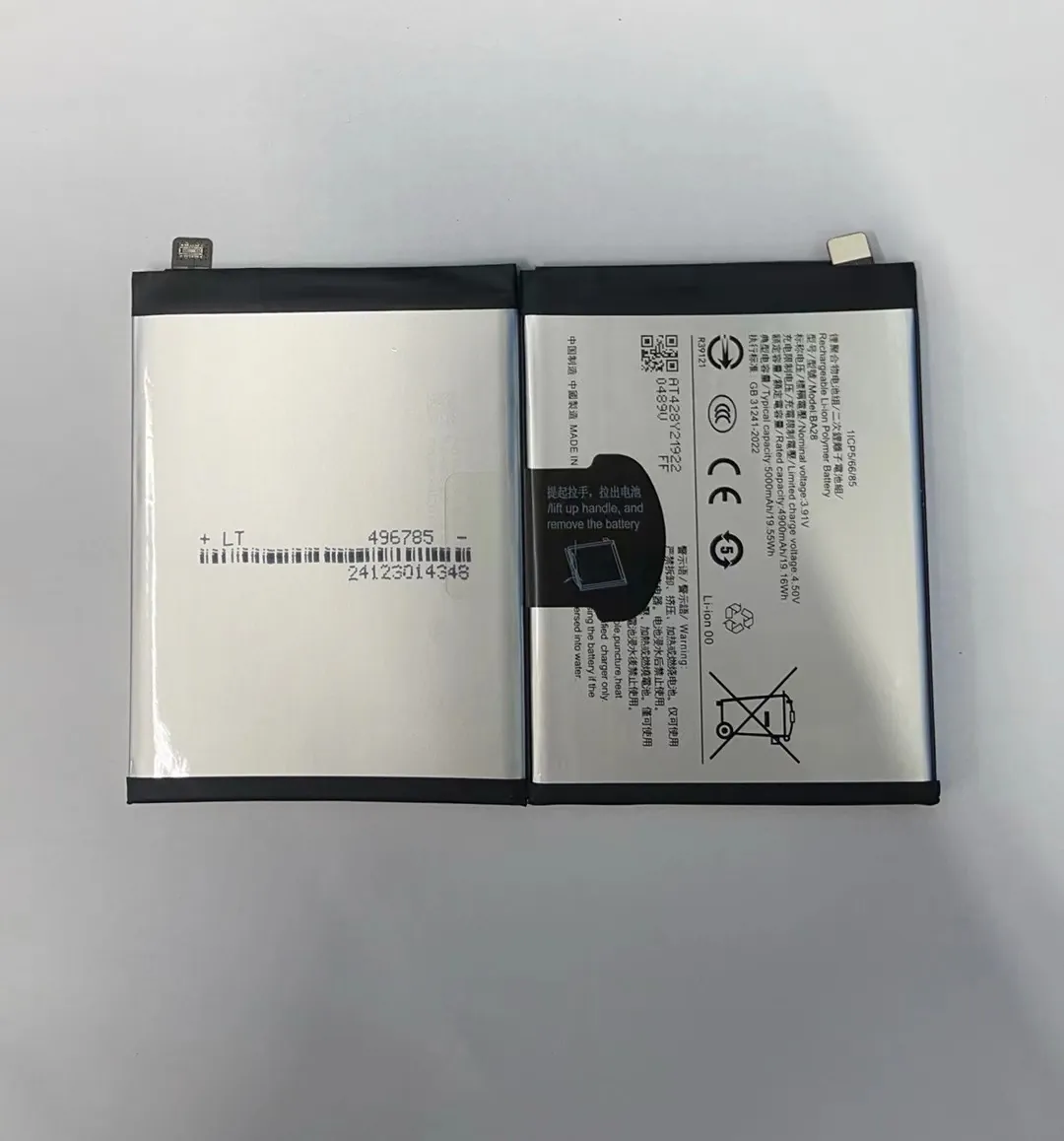
I first visited ASDA’s website to check their battery offering. ASDA is a major British supermarket chain that also sells a wide range of electronic accessories. Their battery category covers many types of batteries (home, AA/AAA, rechargeable packs) but I couldn’t find a clear dedicated section for mobile phone internal replacement batteries. For example, ASDA’s “Batteries & Light Bulbs” section lists standard household batteries. (asda.com)
Also, their blog via “ASDA Mobile” has guides about phone batteries (removable vs non‑removable) and how to charge your phone battery. (mobile.asda.com)
In other words, ASDA offers battery‑products and phone‑battery advice, but for a phone repair business or wholesale mobile‑phone‑battery specialist, ASDA may not cover highly specific internal phone battery replacements in bulk or custom packaging.
What is its value?
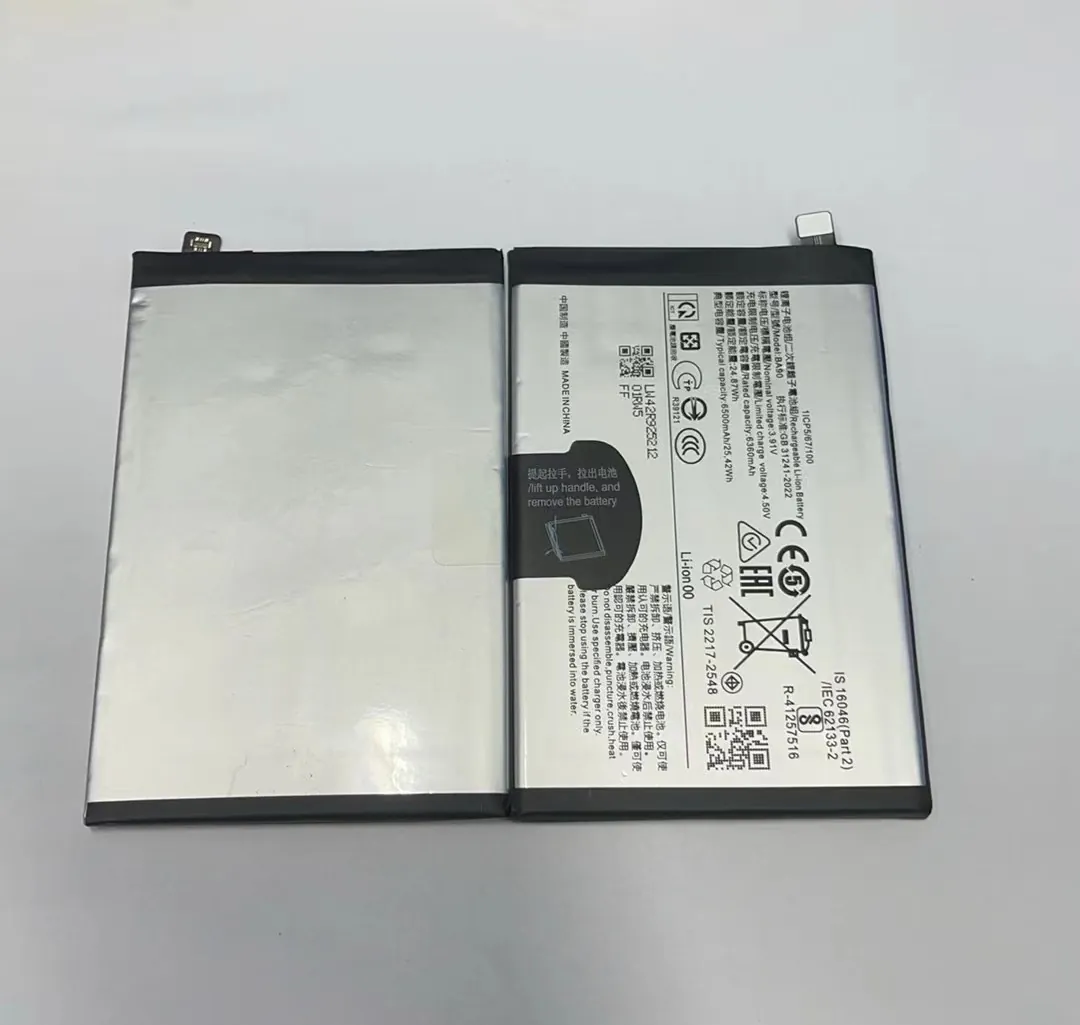
When I think about the value ASDA offers for mobile phone batteries (or related accessories), here are key points:
- Retail convenience & brand trust: ASDA is a known brand. If someone needs a battery quickly or a general replacement, going to ASDA gives them a recognised retailer.
- Battery guidance & education: Their blog posts help consumers understand differences (e.g., removable vs non‑removable batteries) and how to charge or preserve battery life. (mobile.asda.com)
- Standard battery stock: They carry standard battery formats and accessories, so if the replacement battery need is generic or the phone model common, it may be available.
But:
- For a specialist mobile‑phone battery wholesale business (such as you), ASDA’s offering may lack the depth of model‑specific parts, custom branding, packaging, large quantities, and export support.
- If you’re looking for internal lithium‑ion phone‑specific replacement batteries, you’d want to check stock, lead times, model match, warranty, etc.
Value breakdown table
| Value dimension | What ASDA offers | What to check or may be missing |
|---|---|---|
| Brand & trust | Recognised retailer with broad product range | May not specialise in internal phone batteries |
| Inventory convenience | Standard batteries and accessories in‑store/online | May not carry rare phone‑battery models or bulk orders |
| Consumer education | Guides and blog posts on phone battery usage | Less tailored to wholesale/repair business needs |
| Specialist support | General retail customer service | May lack packaging customization, export terms, MOQ |
In summary: ASDA offers value for general battery needs and consumer advice, but for your B2B wholesale mobile‑phone‑battery business it may be a supplementary source rather than a primary specialist supplier.
How to use or choose it?
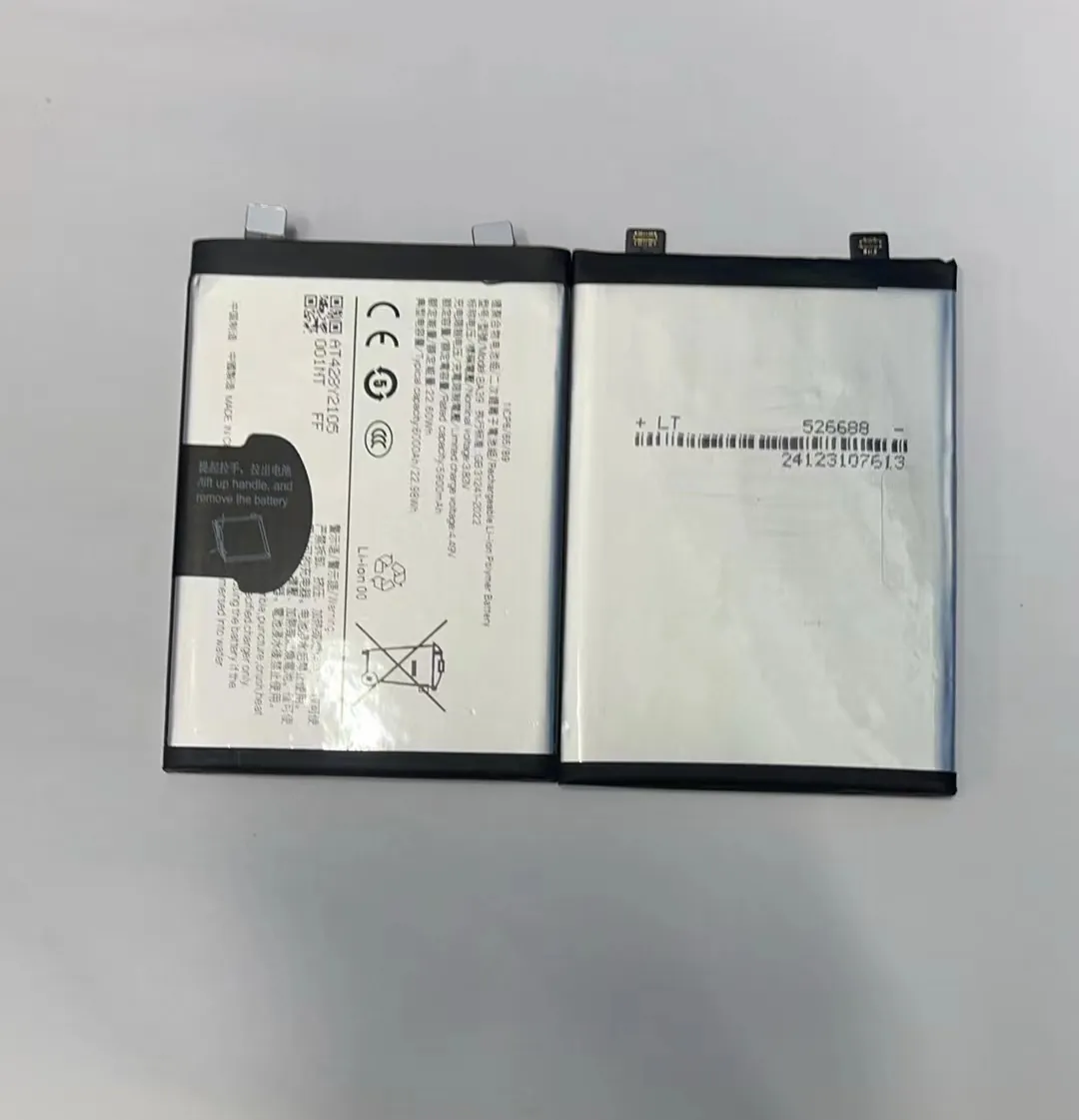
Choosing the right mobile phone battery isn’t just about picking the cheapest option. You need to consider compatibility, quality, and warranty to ensure you’re getting a product that lasts. Here’s a guide to help you make the right decision when buying from ASDA.
Step 1: Identify the exact battery model you need
- I check the phone make/model and the original battery’s part number, voltage, capacity, size, and connector.
- I verify whether ASDA lists that exact model or a compatible replacement. If not listed, I may need to contact them or look for a specialist supplier.
Step 2: Confirm compatibility and specs
- Make sure the replacement matches the original in voltage and connector type.
- Check capacity (mAh) is equal or better but safe for the phone.
- If ASDA’s product listing is generic, ask for deeper specs.
- Use their blog advice about phone battery types (removable vs non‑removable) to understand install‑difficulty. (mobile.asda.com)
Step 3: Check quality, warranty and support
- Determine if ASDA’s battery carries a warranty or is a third‑party product.
- For a wholesale context, I need to know return terms, batch traceability, and failure rate. ASDA may be fine for retail but less flexible for B2B customisation.
Step 4: Buy with logistic and inventory considerations
- Check availability: is stock immediate? Is click & collect offered? ASDA offers click & collect/delivery for batteries. (asda.com)
- For bulk purchases: ask MOQ, volume discounts, shipping to your region (if you are exporting).
- Inspect on arrival: check physical fit, voltage reading, capacity test if possible (especially for use in a repair business).
Step 5: Use and install properly
- Follow the phone’s instruction: if battery is internal (non‑removable), installation is more complex and may require special tools and professional skill (ASDA blog acknowledges this). (mobile.asda.com)
- After installation, calibrate the battery by charging fully, then discharging once, etc.
- Provide end‑user advice: safe charging, avoid temperature extremes, avoid leaving at 100% for long periods (ASDA gives tips). (mobile.asda.com)
Table: Choosing a phone battery – checklist
| Item | Requirement | Notes |
|---|---|---|
| Part number match | Yes, exact or certified equivalent | Prevents misfit or damage |
| Voltage & connector | Must match | Wrong voltage or connector = risk |
| Capacity (mAh) | Equal or better, safe fit | Higher capacity is good but check physical fit |
| Warranty / return policy | Clear terms | Especially for business use |
| Stock & delivery | Available now, lead time known | Avoid stockouts |
| Installation feasibility | Internal vs removable battery | Non‑removable means more risk & labour |
| User advice / support | Guidance on safe charging & usage | Reduces failures and returns |
By following these steps, I would either use ASDA as part of my sourcing for simple models or fallback to a specialised supplier when the model is rare or my B2B needs are high‑volume/custom.
What are the future trends?
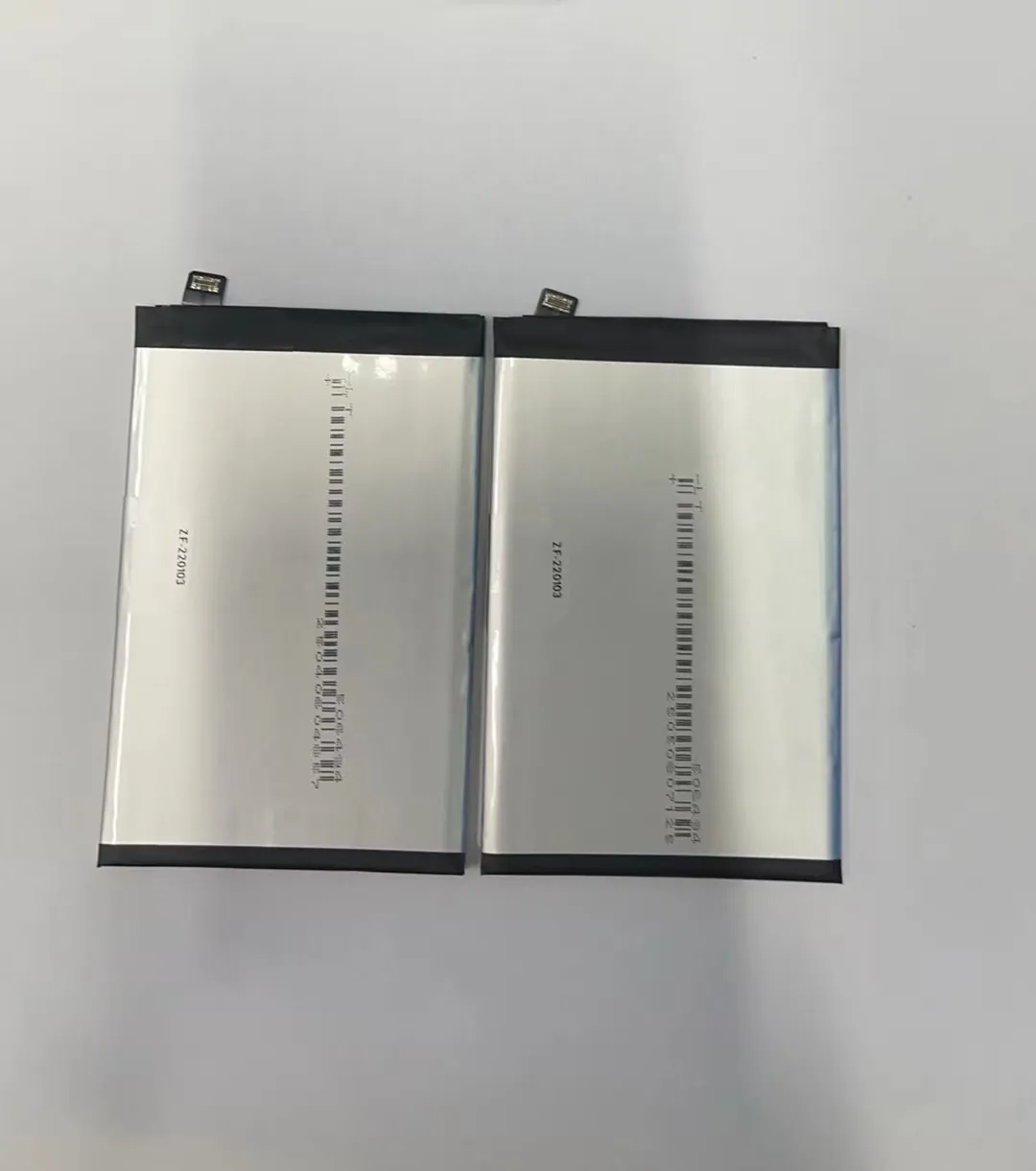
I keep an eye on battery trends because they affect both my sourcing strategy and what customers expect. Here are some key trends relevant to mobile phone batteries and how they might influence how a supplier like ASDA or a mobile‑parts wholesaler should react.
Trend 1: Non‑removable / integrated batteries increasing
ASDA’s blog already points out that most modern phones use non‑removable batteries. (mobile.asda.com) This means more phone repair jobs will require internal replacement parts rather than simple swap‑out batteries. For a supplier this means: stock internal replacement batteries, tools, installation advice.
Trend 2: Focus on battery health and lifespan
Consumers increasingly care not just about capacity, but how many cycles the battery can survive, how charge‑fast it is, and how the phone manages battery degradation. ASDA’s article on fast charging notes that while fast charging doesn’t inherently damage a battery, the way you use and charge the phone does matter. (mobile.asda.com) For a business this means offering batteries with good cycle life, supporting fast‑charge protocols, and educating the buyer.
Trend 3: Sustainability and recycling
Battery manufacturing and disposal are under scrutiny for environmental impact. Retailers and suppliers will need to offer recycled materials, take‑back schemes, or certifications. ASDA may already provide battery recycling or eco‑advice in store. For your business, sourcing from suppliers who meet these standards gives you a competitive edge.
Trend 4: Customisation & niche model support
As phones proliferate in models (foldables, dual‑screen, rugged, gaming phones) the battery types become more niche. Suppliers who carry rare model batteries, provide low MOQ, custom packaging, export‑ready units will win. A general retailer like ASDA may not serve that niche as well; it’s where a specialist wholesaler (your business) has the edge.
Trend 5: Smart battery management
Phones are getting smarter about managing battery health, temperature, charge‑cycles and showing “battery health” information. Replacement batteries must integrate well with that. The future may see batteries built with better sensors or firmware. Suppliers should look ahead to stocking “smart replacement batteries”.
Implications for sourcing table
| Trend | Implication for sourcing & business |
|---|---|
| Non‑removable batteries | Stock internal models, support installation tools |
| Battery health focus | Specify cycle life, fast‑charge compatibility |
| Sustainability | Choose eco‑certified parts, offer recycling or green labels |
| Niche/varied phone models | Keep wide model‑range stock, low MOQ for rare models |
| Smart battery tech | Source batteries compatible with advanced battery monitoring |
In short: The market is shifting from simple “battery replacement” to “battery ecosystem” (performance, health, sustainability, customisation). As a wholesale parts supplier, staying ahead of these trends gives you the advantage.
Conclusion
In conclusion, yes — ASDA does sell batteries and offers advice about phone batteries, but they appear more general‑retail than a specialist mobile‑phone‑battery wholesaler. For everyday battery replacement their offering has value, thanks to brand trust and convenience. If you are sourcing for a B2B mobile‑repair business you will want to check model‑specific stock, warranties, custom packaging and export terms. The future of phone batteries will emphasize internal replacements, battery health, sustainability and smart management — so your supplier strategy should evolve accordingly.
