

I felt worried when I accidentally placed a strong magnet near my phone and asked myself: could it damage the battery?
In short: for typical consumer‑grade magnets and smartphones, the battery (especially a lithium‑ion one) is not significantly affected by the magnet’s field.
Now I’ll walk you through how magnetic fields interact with batteries, how phone accessories use magnets, and whether you really need to worry about damage.
How do magnetic fields interact with lithium batteries?
Picture this: a magnet hovering over your phone battery — could it disturb the chemistry inside? That’s the problem many people imagine.
Studies show that static or weak magnetic fields have minimal direct impact on the charge/discharge or capacity of lithium‑ion batteries, though stronger fields or dynamic fields can cause measurable changes in specific experimental setups.
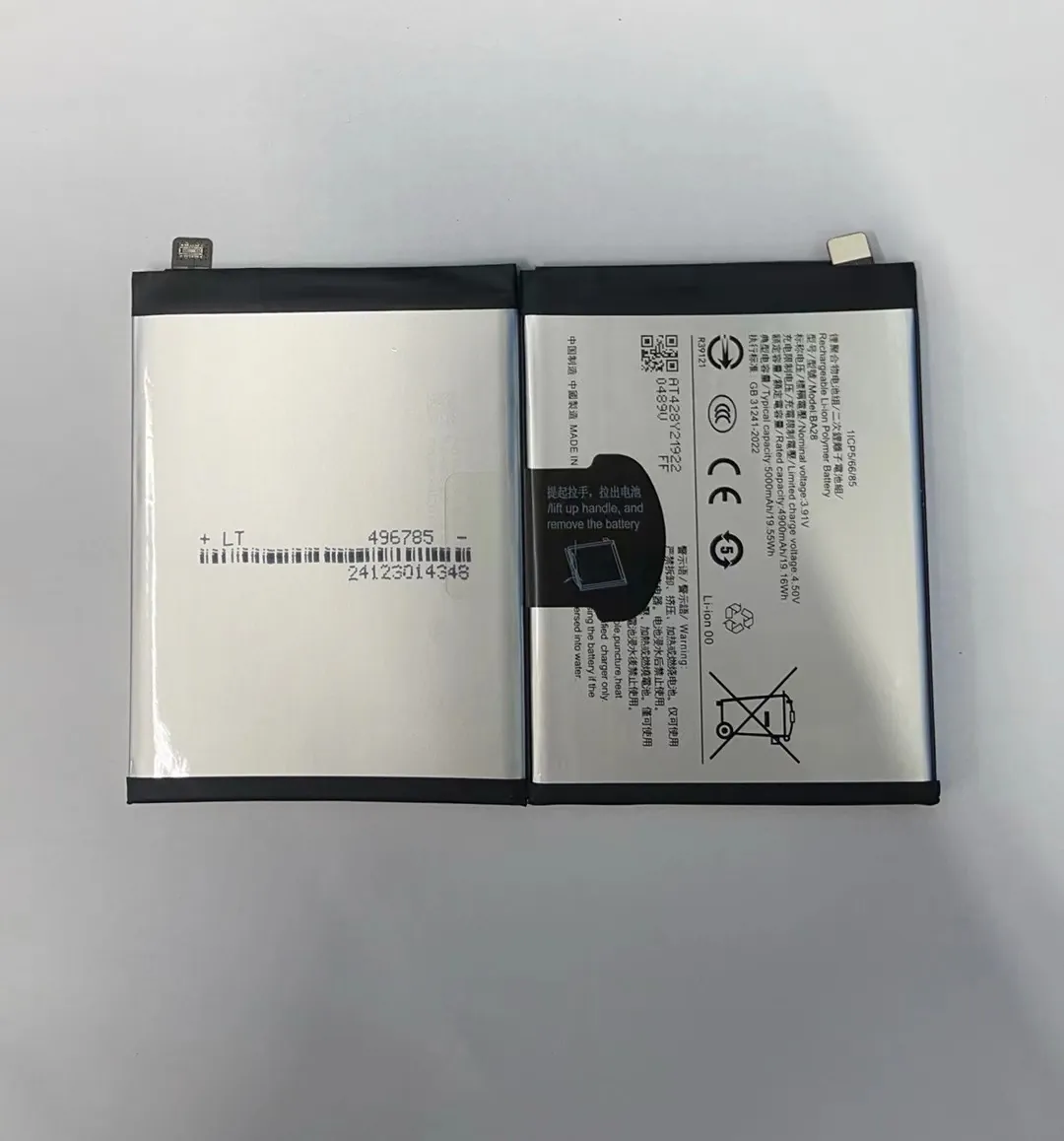
When I looked into the research, I found a few key points worth unpacking:
What is inside a lithium‑ion battery
A lithium‑ion battery has an anode, cathode, electrolyte and separator. Ions move between the electrodes during charging and discharging. The materials are mostly non‑ferromagnetic (they don’t get strongly magnetised). That means a magnet nearby doesn’t trigger the same effects as it would on iron or other ferrous metals.
What magnetic fields can do in theory
Research like a thesis by Mahon (2019) showed that applying external magnetic fields could reduce charging/discharging times under experimental conditions. Another review on magnetic field application in Li‑S batteries noted that magnetic field gradients and paramagnetic effects may influence ion transport. In simpler terms: if the field is strong, or changing (dynamic), it may influence ions, fluid motion, or microstructure in the battery.
What the evidence shows for normal usage
However, most blog‑style or consumer‑oriented write‑ups report that for everyday magnets and phones, the battery is not affected. The reasoning: the battery chemistry is electrochemical, not magnetic‑storage based. So the simple presence of a magnet doesn’t disrupt the battery function.
Summary table: theoretical vs practical
| Factor | Theoretical effect | Practical relevance for phone battery |
|---|---|---|
| Static weak magnet | Very small or negligible disturbance of ion paths | Practically none in typical use |
| Strong magnet or changing field | Possible induction, local heat, altered ion transport | Uncommon in phone context |
| Ferromagnetic materials in battery | Not typical | So no major magnetic “drag” effect |
| Long‑term exposure / very high fields | Could degrade components or change lifetime in lab | Not typical for consumer phone |
So when I place my phone case with some magnets, the battery is not likely to lose capacity or behave badly because of the magnet alone. That being said, there are caveats: if the magnet is extremely strong (industrial grade) or placed near sensitive circuit parts, there could be indirect effects (e.g., heating or interference) rather than direct battery chemistry damage.
Can phone cases with magnets cause issues?
I’ve seen plenty of phone cases with built‑in magnets for wallets or mounts, and I wondered: do they pose a hidden risk to the battery?
For most magnetic phone cases designed for smartphones, there is little to no evidence that they harm battery performance — provided the magnet is moderate and placed correctly.

I dug into how magnetic phone cases work and what risks they might bring.
How magnetic cases are built
Many modern phone cases include small neodymium magnets or magnetic rings to support mounting or wireless charging compatibility. The magnets are typically low in strength relative to industrial magnets, and positioned around the phone’s edges or back cover.
Potential issues and what the research says
- Battery damage: As described earlier, the battery chemistry is largely immune to moderate static magnetic fields.
- Sensor interference: One possible effect is interference with the phone’s magnetometer (compass) or other sensors near the magnet.
- Wireless charging & mounting alignment: Magnetic cases may affect how wireless charging coils align, or how mounting works. If alignment is off, charging efficiency may drop.
- Heat or metal debris: If a magnet attracts metal debris (tiny metal particles), you might get heat or short‑circuit risks.
Practical tips
- Choose cases from reputable manufacturers that specify compatibility and safety.
- Make sure the magnet is not placed directly over the battery pack.
- Avoid using large industrial magnets near your phone for long durations.
- If your phone gets unusually hot during wireless charging in a magnetic case, remove the case and test without it.
Summary
For magnetic phone cases: the risk to the battery is negligible in normal use. The more likely issues are indirect (charging inefficiency, sensor quirks) rather than direct battery damage.
Why are magnets used in some phone accessories?
I wondered why phone makers include magnets — what benefit do they bring? Could there be hidden downsides?
Magnets are used in phone accessories mainly for convenience (mounting, attachment, wireless charging alignment) rather than to influence battery behavior, and when designed properly they pose minimal risk.
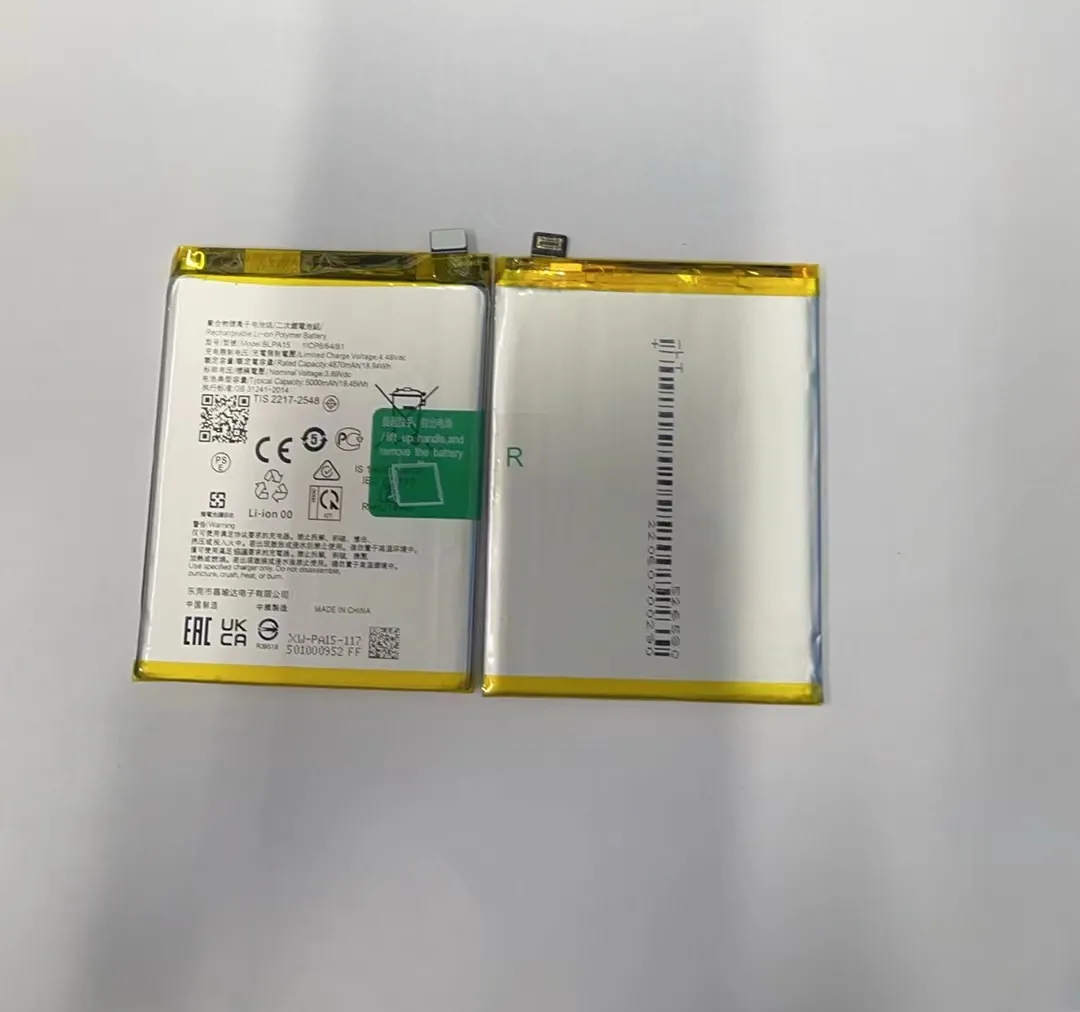
Let me explain the practical reasons and implications.
What common accessories use magnets
- Magnetic mounting systems
- Wireless charging magnetic alignment
- Wallet‑cases with magnetic clasps
- Modular magnetic accessories
Why magnets help
- Quick attachment / detachment
- Precise alignment
- Slim design
- Brand differentiation
Are there downsides relative to battery/phone health?
- Misalignment in wireless charging → longer charge time → more heat
- Magnetic debris attracted near battery → risk of heating or short
- Sensor interference → miscalibration → battery drain
- Physical design interference → altered airflow → heat buildup
Table: Accessory use vs potential battery effect
| Accessory Type | Use of Magnet | Battery/Phone Implication |
|---|---|---|
| Car mount | Snap phone to mount | Minimal impact — magnet doesn’t touch battery cell |
| Wireless‑charging magnetic case | Align coil | Could slightly reduce efficiency if misaligned |
| Wallet case with magnetic clasp | Secure flap | Low risk to battery |
| Strong industrial magnet accessory | Rarely used | Could risk sensor interference or heating |
Magnets in phone accessories are mostly a benign feature, and the benefits (ease of use, alignment) outweigh the minimal risks — as long as you use quality products and avoid extreme magnetic exposure.
Are battery components sensitive to magnets?
I asked: even if the whole battery seems safe, are the internal components (cells, wiring, PCB) sensitive to magnets?
Most smartphone battery cells and their associated control circuitry are not significantly sensitive to typical external magnets; the main risk lies in other parts (e.g., sensors, antenna, charging coil) rather than the battery cell itself.
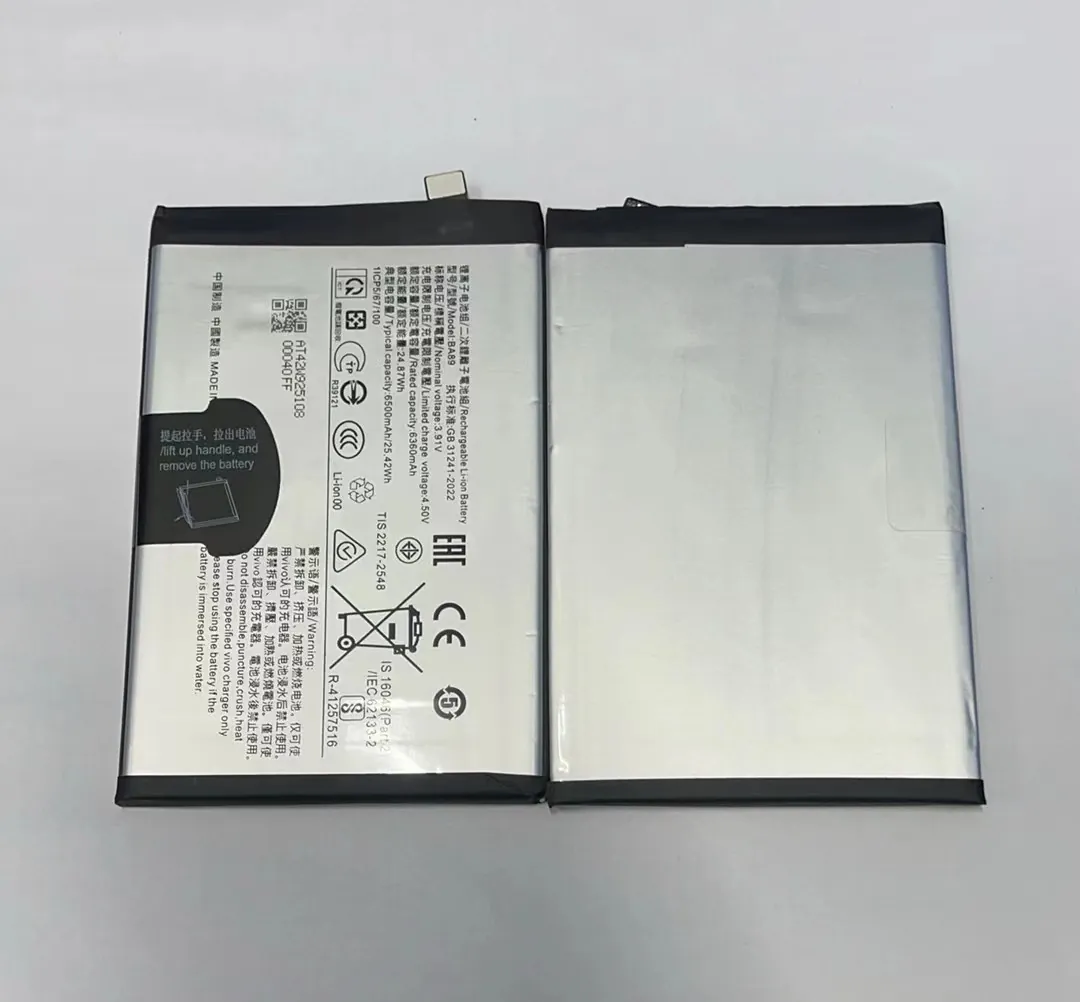
I’ll break down the internal battery/battery pack components and how they respond (or don’t respond) to magnetic fields.
What components exist in a phone battery assembly
- Battery cells
- Battery management system (BMS)
- Connectors and wiring
- Main logic board
Sensitivity of the battery cell to magnets
Lithium‑ion cells do not rely on magnetic materials. The ions are lithium, not magnetic. The housing and separator are not ferromagnetic. Therefore, a moderate external static magnet will not disturb ion movement. Some research suggests very strong or dynamic fields may affect ion transport in labs, not typical phone use.
Are the supporting components more sensitive?
- Magnetometer/compass: Can be affected by external fields
- Wireless charging coil: Misalignment can reduce efficiency
- Wiring/PCB: Very strong changing fields could induce currents
- Speakers/actuators: Internal magnets could interact with external fields
Safety margin in design
Phone makers know users will use magnetic cases and accessories. So they build devices with shielding and layout to handle moderate fields.
When might battery components be at risk?
- Prolonged close contact with a strong magnet
- Attracting debris that causes heat or shorts
- Magnet disrupting airflow or heat dissipation
- Poor accessory design interfering with sensors or charging
From my experience, magnetic mounts and cases have not caused issues. Just avoid industrial magnets and buy accessories from reputable brands.
Conclusion
Most consumer magnets in cases or accessories do not directly harm mobile phone batteries. The risk is indirect: overheating, interference, or poor alignment. With normal use and quality products, magnets are safe for phone batteries.
