
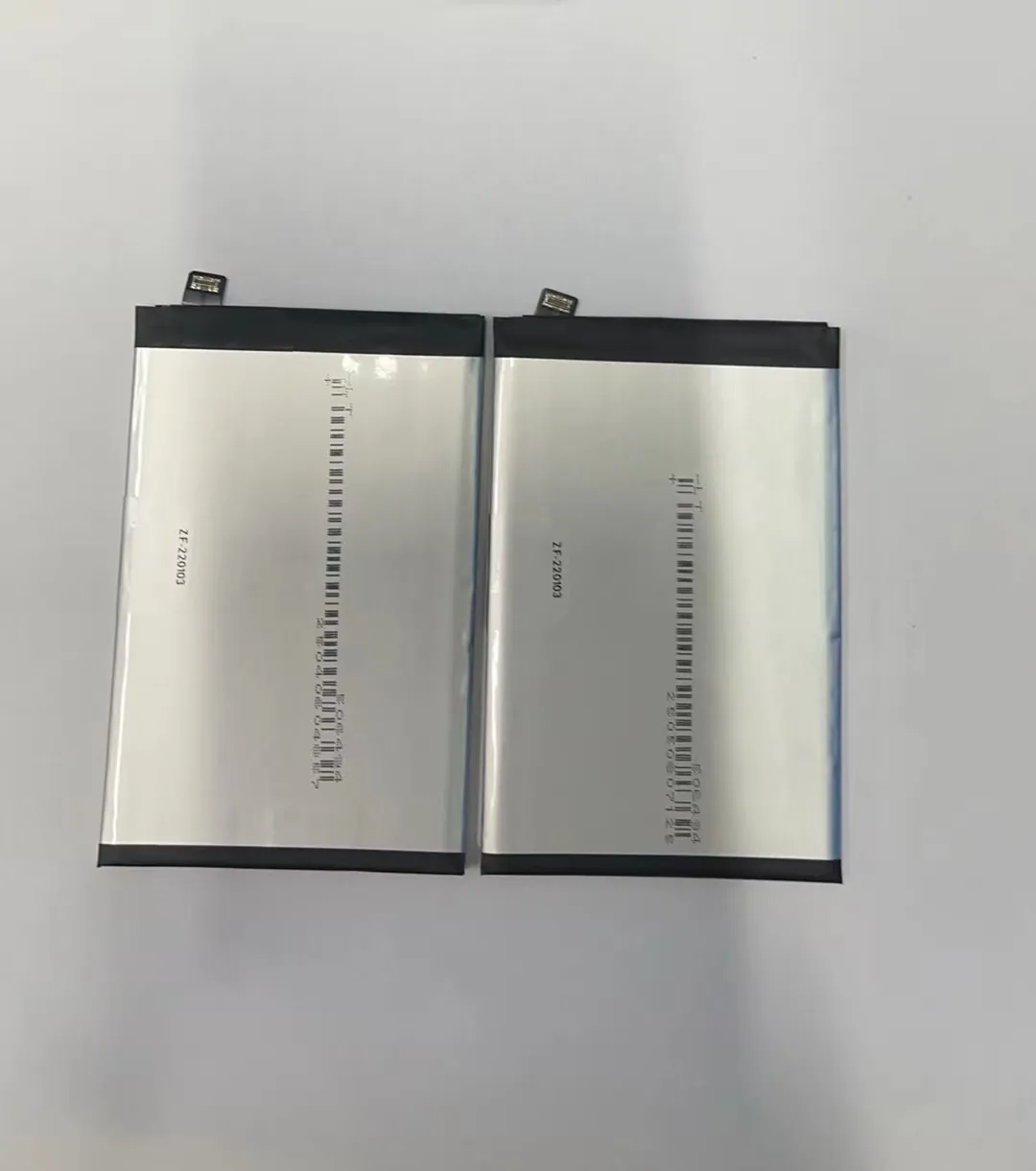
I know how annoying it feels when your phone battery goes bad. You expect your phone to last, but one wrong drop or one battery glitch and you get stuck. Many people ask: can battery problems get fixed under insurance?
Yes. In many cases, mobile phone insurance does cover battery problems, but only specific kinds of battery failures — not all.
I will walk you through what kinds of battery issues are covered by insurance. I will also show how insurance differs from warranties. I will talk about swollen batteries. I will show how coverage changes by provider. I want you to know what to expect before you pay for insurance.
What battery issues are typically covered?
I have heard many stories where batteries failed fast. People lost battery life, or phones died soon. That worries me. I wonder if insurance helps in those cases.
Battery issues like sudden failure, rapid drain, or failure to charge can be covered under many mobile phone insurance policies.

I looked at many insurance documents. I saw that insurance plans often list "battery does not hold charge" or "battery stops working" as eligible problems. These happen without user fault. That means if your phone battery just dies or drains super fast, insurance may replace it.
What kind of failures count
| Battery problem | Covered by most insurance plans? | Notes |
|---|---|---|
| Battery stops working suddenly | Yes | Without signs of physical damage or misuse. |
| Battery drains very fast (normal use) | Often yes | Must show battery health drop. |
| Battery charging fails | Yes | Charger and port may be tested too. |
| Battery age-related wear | Rarely | Many plans exclude wear & tear. |
| Physical damage to battery due to drop or crush | Often No | Insurance may treat it as accidental damage, check case. |
I saw that insurance firms focus on electronic failure. That means they replace battery if failure comes from inside — circuitry, capacity loss, or charging circuits. They expect no visible outside damage. If you accidentally smash phone screen and battery warps, some plans may still replace as “accidental damage,” but that depends on provider.
I also saw claims that programs demand battery health tests. They may ask you to prove battery health dip using software info. They may want logs that show battery capacity dropped sharply. They avoid covering old batteries. So they define “acceptable failure” carefully.
In short, covered battery problems tend to be sudden and not due to age or misuse. If battery fails under normal use, insurance helps. If battery just wore down over years, it may not.
How do warranties differ from insurance?
Sometimes I confused warranty and insurance. I bought my phone and I saw a warranty. I thought all battery issues would be covered. Later I bought insurance too. I wondered why both exist.
Warranties cover manufacturing defects and normal wear during a short period; insurance covers certain failures or damage over longer time, often with a service fee.
Warranties come from phone makers. They promise that the phone works as built for a given time. If battery failed because of a defect, warranty might help. But warranty often ends in one or two years. After that, battery wear or failures won’t be covered. Warranties seldom cover accidents, drops, or liquid damage.
Insurance is different. It may cover accidental damage, electrical failures, and other problems beyond manufacturing flaws. Insurance often lasts longer — maybe 2–3 years or the life of phone. Insurance may cover battery failures even after warranty ends. But insurance usually has a deductible. You pay a fee when you claim. Insurance may reduce coverage for older phones.
Key differences between warranty and insurance
| Feature | Warranty | Insurance |
|---|---|---|
| Coverage start | Manufacturer defect or flaw | More issues (accidental damage, battery failure) |
| Covers wear & tear | Rarely | Sometimes yes, but depends |
| Covers accidents (drops, spills) | No or limited | Often yes |
| Cost to user on claim | Often free | Usually deductible or co‑pay |
| Duration | Short (1–2 years) | Longer (up to phone life) |
Because warranty is narrow, I think insurance is safer. I use insurance when I expect phone lives long. I pay for peace. If battery fails after a year or two, warranty may not help. But insurance may save me money then.
I also saw that some insurance plans give optional add‑ons. You can pay extra so they cover battery age issues. If you expect heavy use, that option is worth it.
In the end, warranty and insurance serve different goals. Warranty protects manufacturer faults early. Insurance protects usage problems and accidents later.
Can swollen batteries be replaced under insurance?
I once saw a phone with swollen battery. The screen lifted. That looked scary. I heard swelling is dangerous. Many ask: does insurance cover swollen battery replacement?
Swollen batteries are often covered under insurance if swelling comes from internal battery fault and no external damage is found.
Swelling usually happens because battery cells fail. That can be a hidden defect. Insurance often treats it as internal failure. So they may replace battery or phone. But this depends on proof. They may inspect battery. They check if swelling caused by misuse (heat, water, bending) or by internal fault.
What matters in swollen battery claims
- The phone shows no external damage such as cracks or dents.
- The user did not drop phone or expose it to water or heat.
- The swelling happened without misuse.
- The phone is within policy timeframe.
- The claim is reported quickly before swelling worsens.
If these conditions are met, you stand good chance. If phone shows external bends or cracks, insurer may deny as user damage.
What I learned from different claims
I saw one claim from a user. The phone never dropped. Battery just swelled after a year use. Insurance replaced battery. Another user dropped phone once. Battery swelled slowly. Claim was denied because insurer said drop damage caused swelling.
I think insurers check carefully. If they see scratches or shell bends, they suspect external stress. If nothing visible, they treat as battery fault.
Still, swollen battery is trickier than simple battery drain. Insurer may ask more documentation: photos, device serial, battery health logs. They may ask repair shop to confirm swelling cause.
If you have insurance, you should report swelling fast. Do not press phone back together. Do not use charger until check. That helps.
In any case, swollen battery claims are possible. But you need to meet insurer’s criteria.
Does coverage vary by provider?
I tried to compare five insurers. I saw big differences. That surprised me. Insurance is not the same everywhere.
Yes. Insurance coverage varies widely by provider. You must read terms carefully to know if battery issues are covered.
I saw that some providers list battery explicitly. Others use general words like “electrical failure.” Some exclude battery wear or age problems. Some add extra fee for battery replacement.
How insurance plans differ
| Provider Type | Coverage for battery death or drain | Coverage for swollen battery | Accidental damage cover | Typical deductible |
|---|---|---|---|---|
| Full‑coverage phone insurance | Often yes | Often yes | Yes | $50–$150 |
| Basic insurance | Sometimes yes | Rarely | Sometimes no | $75–$200 |
| Manufacturer‑backed insurance | Maybe limited | No | No | $0–$100 |
| Third‑party insurance (low cost) | Often no | No | No or limited | $100–$250 |
I checked real plans. Full‑coverage plans often cover battery failure. Basic or cheap plans often exclude battery issues. Some plans cover battery only if caused by accident or water. Others require device is under a certain age (less than 2 years).
Questions to check before buying
- Does the plan mention “battery” in list of covered parts?
- Does it cover internal failure, not just external break?
- Is swollen battery or bloating covered?
- What is the deductible or fee for battery replacement?
- Do they exclude batteries older than certain months or years?
I also saw that some providers ask for proof of battery health. They may rely on system info or charge cycles. If you used many charge cycles, claim may be denied.
Because of this variation, I always read the fine print. I also compare at least three offers before I pick one. I pay more for a plan with clear battery coverage. I avoid vague plans that say “device only” or “mechanical failure only.”
If I buy phone insurance again, I first list what I need (battery, screen, water). Then I read the coverage table. I also check the deductible. For phone aging over 2 years, I may skip battery coverage if plan denies old batteries.
Conclusion
Mobile phone insurance sometimes covers battery issues but only under clear terms. You must read policy details. If you want battery protection, pick a plan with explicit battery coverage and low deductible. That keeps your phone safe from unexpected battery trouble.
