
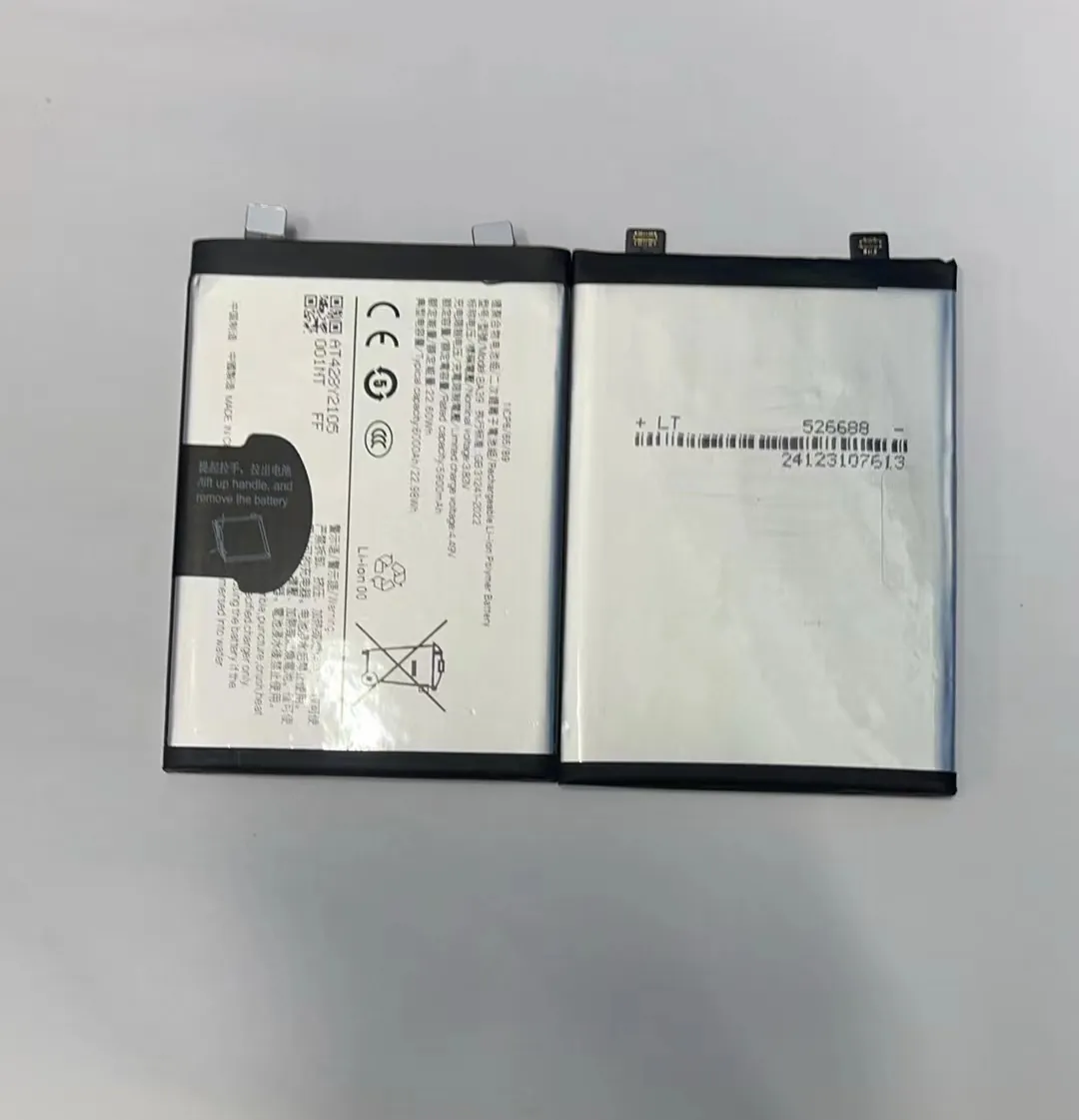
When your phone battery dies or starts swelling, panic kicks in. You ask yourself — is this covered? Is T-Mobile going to help, or are you on your own?
T-Mobile phone insurance may cover battery issues caused by defects or accidents, but not aging or normal wear and tear. Battery replacements are approved only under specific conditions.
It’s not always black and white. The difference between a defect and natural wear can decide whether you pay from your pocket or get coverage. Let's go deeper into what counts.
What battery issues are covered under insurance?
A phone that dies suddenly or starts overheating is more than annoying. It’s disruptive. And expensive.
Battery failures due to manufacturing defects, sudden malfunctions, or accidental damage are often covered by T-Mobile phone insurance. Gradual aging or wear is not.
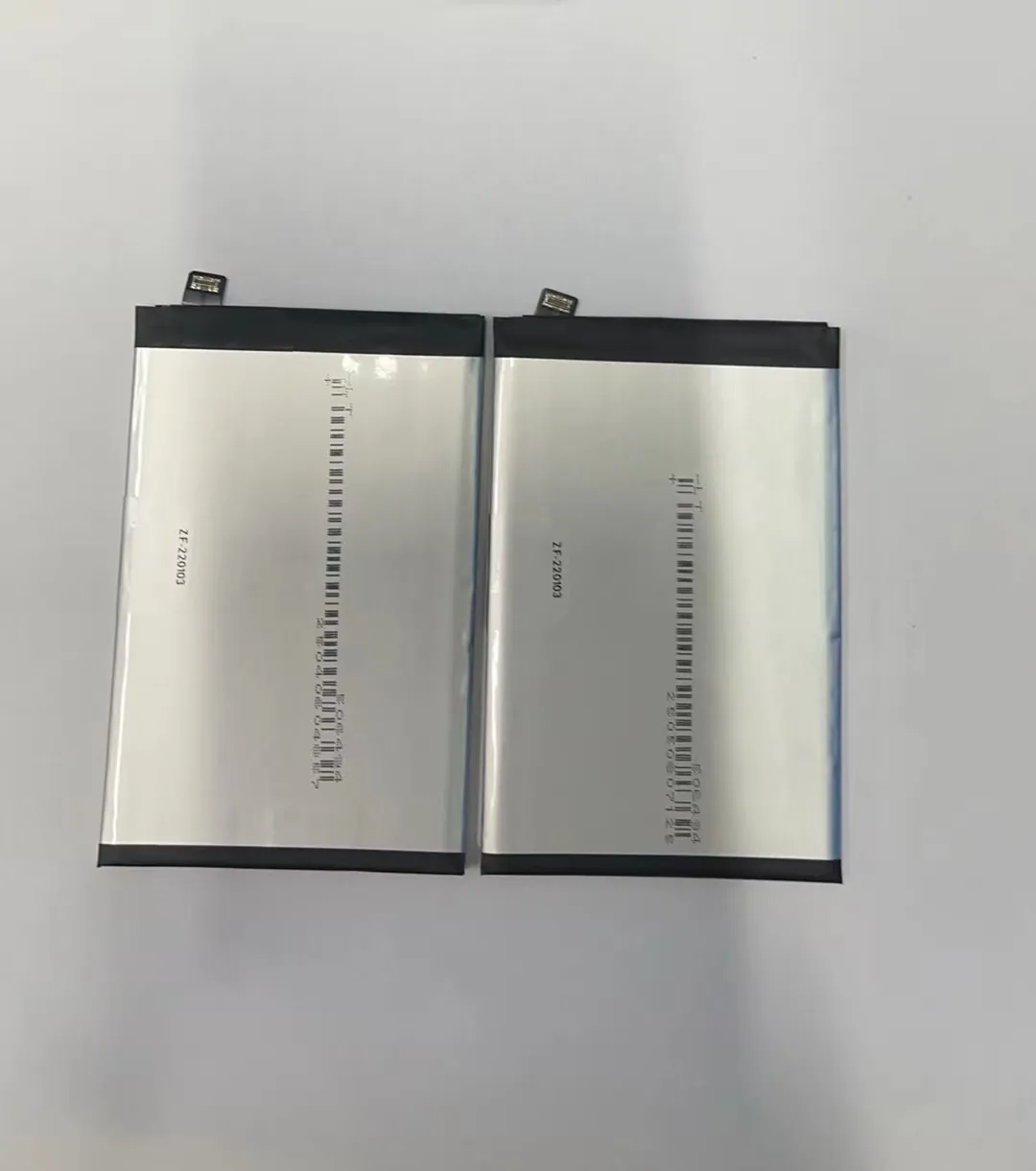
When it comes to insurance, not all battery issues are treated the same way. Insurers look at the cause. They check if the battery stopped working due to a clear external event or fault. T-Mobile's Protection<360> insurance, administered through Assurant, usually includes coverage for sudden battery failures if they’re not caused by regular aging.
Common Battery Issues and Coverage
| Issue Type | Covered? | Explanation |
|---|---|---|
| Swelling from internal fault | Yes | Treated as battery malfunction |
| Not charging suddenly | Yes | Could be defect, needs verification |
| Cracked battery after drop | Yes | Accidental damage usually covered |
| Losing charge quickly | No | Treated as wear and tear |
| Fails after 2 years of use | No | Considered battery aging |
You’ll often see support for issues that happen out of the blue. These cases are seen as product faults. But when the battery performance drops gradually over time, that’s different. That’s normal use, and the policy won't help.
Another key point — any third-party replacement battery or tampering may void coverage. T-Mobile and their partners usually only honor claims if the device hasn’t been altered.
How do you file a claim for battery problems?
A bad battery creates real pressure. The last thing you want is a long, confusing claims process.
To file a claim, you must contact T-Mobile or their insurer, explain the issue, and follow their steps. You may be asked to ship your phone or visit a store.
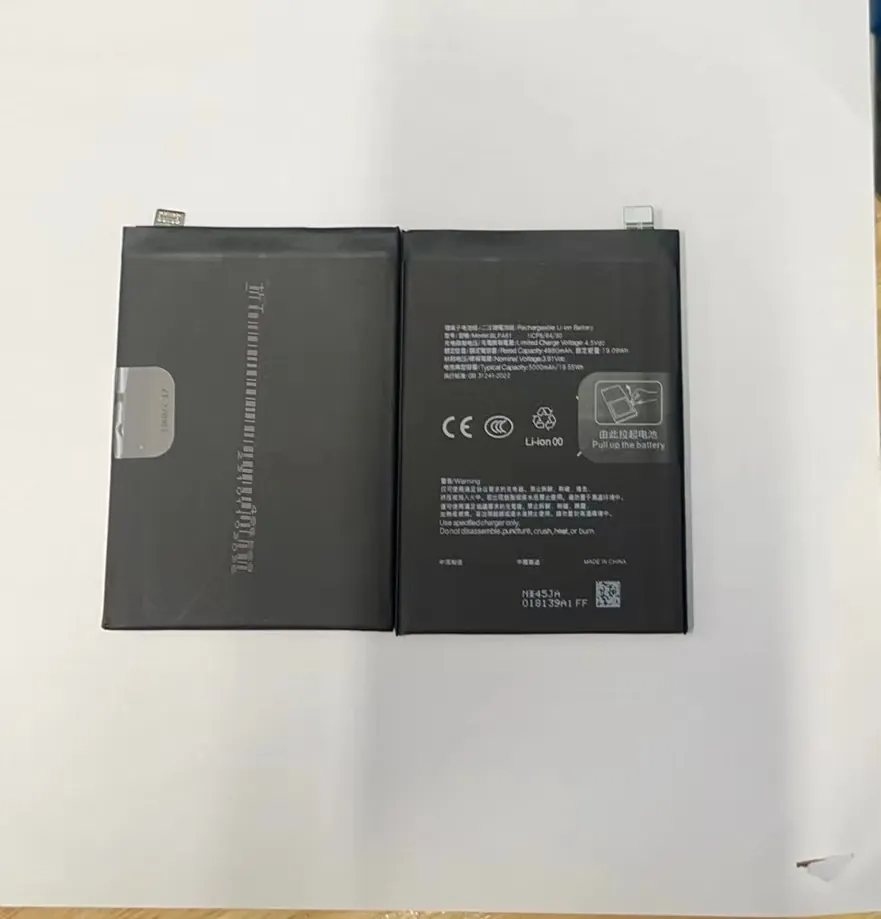
The claims process is fairly straightforward but needs some attention to detail. You need to be sure about what went wrong, and you should act quickly. If your battery swells, stops charging, or overheats, that could be eligible for support.
How to File a Battery Claim
| Step | Action |
|---|---|
| 1 | Go to the T-Mobile Protection<360> website |
| 2 | Log in and locate your device |
| 3 | Start a claim and describe the issue |
| 4 | Submit photos if needed |
| 5 | Pay the deductible |
| 6 | Ship your phone or go to a T-Mobile store |
You’ll be prompted with questions about when the problem began, whether there was an accident, and if the device was exposed to water. You should give clear and honest answers.
If approved, T-Mobile may send a replacement battery or phone. Sometimes they replace the whole unit if the battery cannot be safely replaced.
Pro Tip:
Always keep your original receipt, insurance documents, and avoid unauthorized repairs. These steps keep your claim valid and easy to process.
Are aging batteries considered wear and tear?
Phones don’t stay the same. Over time, batteries lose strength. But is that something insurance covers?
No, aging batteries are considered normal wear and tear by T-Mobile insurance. This type of issue is not covered under any standard plan.

Battery life degrades slowly. Even the best lithium-ion batteries drop in performance after hundreds of charge cycles. This decline is not a malfunction — it’s expected. That’s why insurers treat it as "wear and tear".
What counts as wear and tear?
- Reduced battery life after 12+ months
- Phone needing more frequent charges
- Charging time getting longer
- Mild battery swelling over years
- No clear fault or damage
Policies typically exclude any issue that occurs due to "normal aging" or "usage over time". If your battery once lasted all day but now dies by lunchtime, that doesn’t qualify for a claim.
Why wear and tear is excluded
Insurers want to cover unexpected issues — not slow decline. Otherwise, everyone would file claims just because their phone is older. That would drive up premiums. It’s also hard to prove when aging ends and faults begin. That’s why policies draw a clear line: no coverage for slow battery decline.
When dealing with older phones, users often need to make a decision. Either replace the battery out of pocket or upgrade the device entirely. For businesses with many devices, planning for this type of maintenance becomes part of cost management.
Does insurance include battery replacement costs?
Battery replacements can be costly. When insurance applies, it can take away the financial sting. But what exactly does it pay for?
T-Mobile insurance may cover battery replacement costs if the failure is due to a covered reason like accidental damage or defect. It does not cover normal aging.

If the battery stopped working because of an eligible cause, the replacement cost is often included in the claim. You will still have to pay the deductible, which varies by phone model.
Let’s look at some examples.
Who Pays? Insurance or You
| Battery Problem | Covered? | Who Pays? |
|---|---|---|
| Factory defect after 3 months | Yes | Insurance (minus deductible) |
| Swelling from heat exposure | Yes | Insurance (with deductible) |
| 2-year-old phone battery draining fast | No | You |
| You want better battery performance | No | You |
T-Mobile’s policy focuses on incidents that affect the phone’s core performance due to fault or damage. When your phone can’t stay powered, and that problem is tied to an accident or manufacturing flaw, the insurance takes over.
Deductibles and Limits
Deductibles are standard with claims. For many phones, this can range from $29 to $99 or more. It's important to check your specific plan to know your cost.
Also, there may be claim limits. Most policies only allow a set number of claims per year. If battery damage happens more than once, you may not be eligible the second time unless it's a full phone replacement.
What happens if you're not covered?
You can always visit a third-party repair center. But be careful. Using non-authorized parts might void your warranty. Also, some low-quality batteries can cause future problems. High-quality, tested batteries are a safer choice.
If you manage a business or repair shop, it might be more efficient to keep tested spare batteries on hand. That saves time compared to filing insurance claims repeatedly.
Conclusion
T-Mobile phone insurance does cover battery issues — but only in specific cases. Defects and accidental damage qualify. Slow aging or reduced performance does not. Filing a claim is easy if the problem meets the terms. But if your battery simply got old, you’ll need to handle that on your own.
