
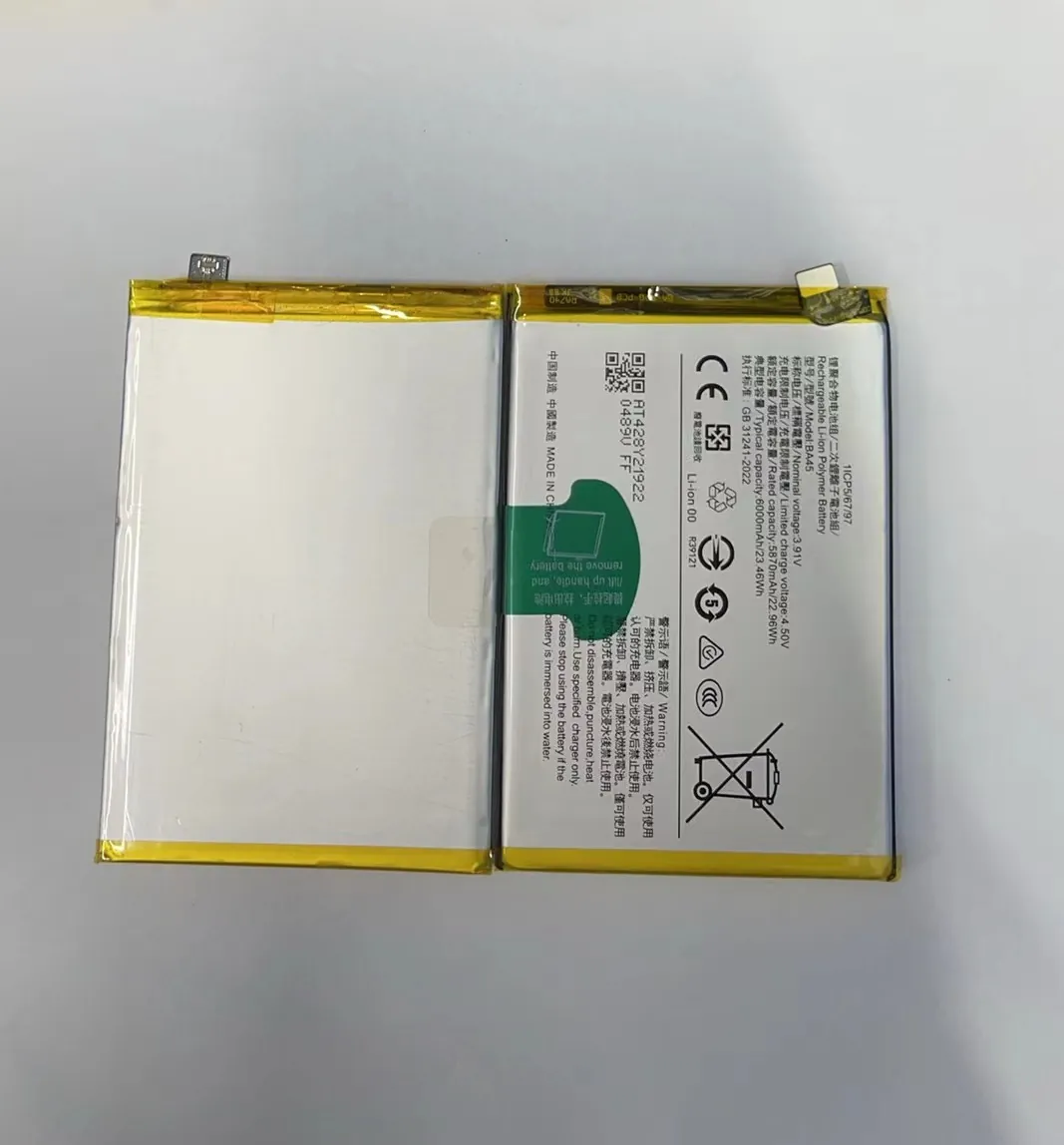
I know many phone users feel confused when their battery drains fast, even when they do not use the phone heavily. I hear this question often from my buyers, and I once had the same worry when I first entered the mobile parts business.
Mobile phone batteries work because lithium ions move between two main parts inside the battery. This movement stores energy and releases energy when the phone needs power.
I want to guide you through this topic in a simple way, so you can understand how these tiny parts drive your phone every day.
What is the role of lithium ions?
Many people feel lost when they hear words like ions or chemical reactions. I felt the same when I first started to sell and test batteries. I worried that the subject was too complex to explain. But the truth is much simpler.
Lithium ions move back and forth inside the battery and act as the main carriers of energy. When these ions travel to one side, the battery charges, and when they travel back, the battery discharges.

How lithium ions move
Lithium ions are tiny charged particles. They sit between two main parts:
- The anode
- The cathode
A liquid called electrolyte sits between them. This liquid allows the ions to move. When I charge my phone, the ions move from the cathode to the anode. When I use my phone, they move back.
This simple movement creates electric energy. The phone then uses this energy to run apps, power the display, keep the signal stable, and do everything else we need it to do.
Why lithium ions matter
Lithium ions are very light. They can hold a lot of energy in a small space. This is why almost all modern phones use lithium-ion batteries. They help phone makers keep devices slim and powerful.
A simple table to show ion roles
| Component | What it does | Why it matters |
|---|---|---|
| Lithium ions | Carry charge | They store and release energy |
| Anode | Stores ions during charging | Helps the battery hold power |
| Cathode | Releases ions during charging | Controls energy output |
| Electrolyte | Allows ion movement | Keeps the reaction stable |
Why this movement is stable
I test thousands of batteries each year. These tests show me that this ion movement is stable because the materials inside the battery keep the reaction controlled. Still, if the battery has low-quality materials or poor protection, the reaction can become unstable. That is why good suppliers test batteries many times before shipping.
I see how small mistakes in production cause big problems in performance. Stable ion movement means a longer life, steady power, and a safer battery.
How does energy move inside batteries?
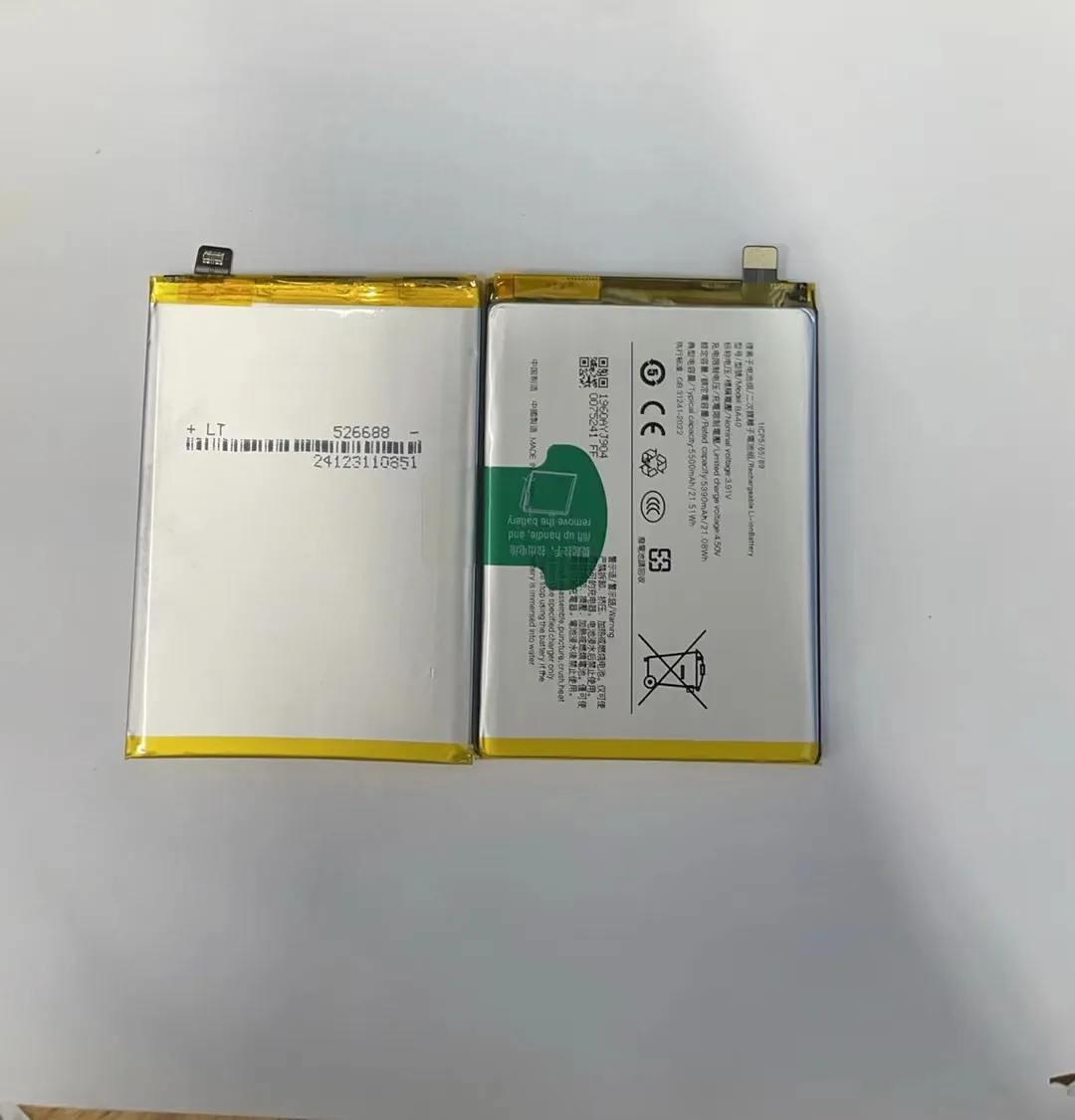
I know many users ask why a simple rectangle of metal and chemicals can run an entire smartphone. I remember the first time I held a disassembled battery and wondered the same thing.
Energy moves inside a battery because electrons flow through the phone’s circuits while lithium ions move inside the battery. The ions move internally, and the electrons move externally, creating usable power.
How the electrons travel
When I turn on my phone, the electrons leave the anode and move into the phone’s components. They run through the motherboard, display, CPU, and other parts. They follow a simple direct path.
The phone uses these electrons to power every feature. When the electrons return to the battery, the ions inside shift again to keep the flow steady.
How the internal and external paths work together
There are two “loops” inside every battery:
1. Internal loop (ions)
Ions move through the electrolyte between the anode and cathode.
2. External loop (electrons)
Electrons move through the phone’s circuits.
These two loops must work at the same time. If one side stops, the phone shuts down.
Why energy moves smoothly
I test batteries before shipping. The best-performing batteries show smooth electron flow because:
- The internal materials are pure.
- The ion path is clean.
- The protective circuits respond fast.
These factors help the phone maintain stable power during heavy use, like gaming or long video calls.
A table about energy flow
| Path | What moves | Where it moves | What it powers |
|---|---|---|---|
| Internal path | Lithium ions | Inside the battery | Stores and releases energy |
| External path | Electrons | Through phone circuits | Powers all phone functions |
This system looks simple. But I see how small defects inside a battery can block the ion path or weaken the electron flow. This is why good testing is important.
Why do batteries degrade over time?
Everyone asks this question, especially repair shops and wholesalers who want steady quality. I ask suppliers the same thing when I see test data on aging batteries.
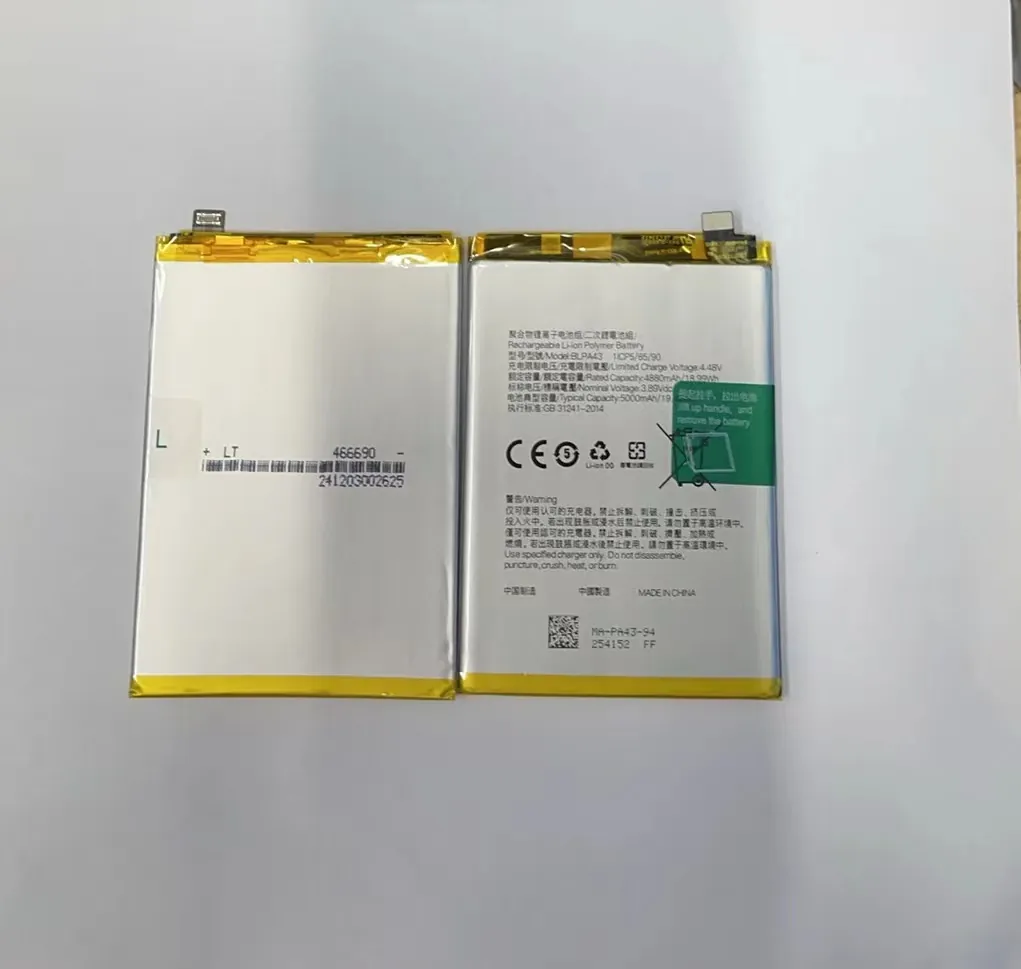
Batteries degrade because the materials inside wear out as ions move back and forth. This wear reduces capacity, increases resistance, and makes the battery hold less charge over time.
What happens inside during aging
Battery aging does not happen in one big moment. It happens slowly. Each charge cycle adds a very small amount of wear.
Here is what slowly damages the battery:
- The anode forms a layer called SEI (solid electrolyte interface).
- The electrolyte becomes less active over time.
- Some ions get trapped and cannot return to the anode.
- The internal resistance grows.
Why the SEI layer grows
When I first tested aged batteries years ago, I saw the internal resistance numbers rise. This increase comes from the SEI layer. It forms naturally to protect the anode, but it grows thicker as the battery ages.
A thicker SEI layer means:
- The ions move more slowly
- The phone drains faster
- The battery heats more easily
- The charging speed slows down
How fast aging happens
Batteries do not age at the same speed. I see fast-aging batteries when:
- The materials are low grade
- The electrolyte is unstable
- The battery is used in very hot conditions
I also see slow-aging batteries when:
- The manufacturer uses high-purity materials
- The cells pass strict testing
- The protective circuits are accurate
Why capacity drops
Capacity drop happens when many ions become trapped and cannot move back. When the battery loses these ions, it cannot hold the same amount of energy.
Repair shops often tell me: “This battery says 90% health, but it drains like 70%.” This usually means the internal resistance is high. The phone then shuts down early because it cannot pull enough power fast enough.
Which factors affect battery efficiency?
I talk with many clients about this. Some think battery efficiency is only about capacity, but the truth is more complex.
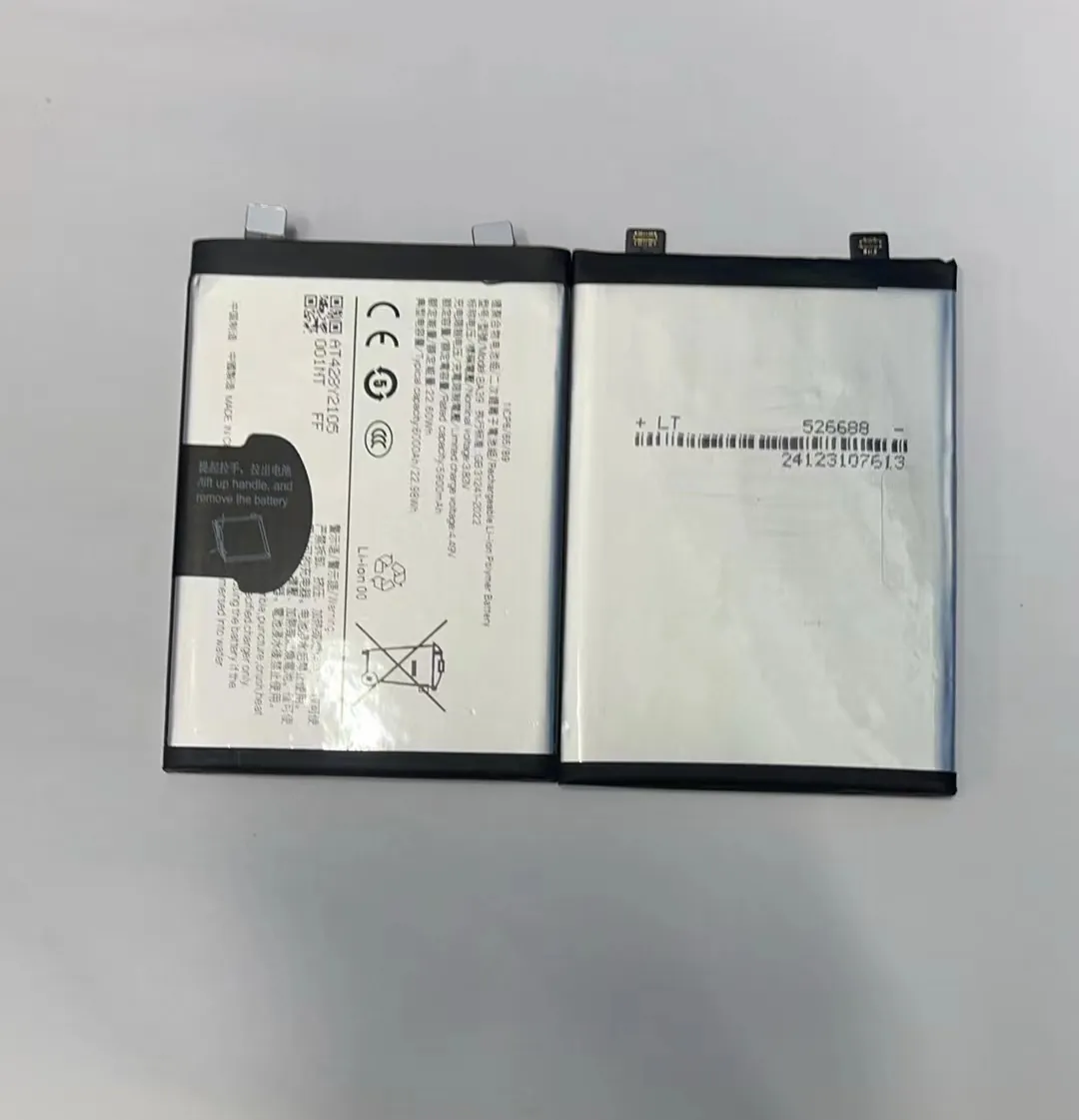
Battery efficiency depends on temperature, charge cycles, usage habits, charging speed, internal resistance, and the quality of the materials inside the battery.
Temperature effects
I test batteries at different temperatures. The results are clear. Temperature affects efficiency more than people expect.
Cold temperature
Cold slows the movement of ions. The battery feels weak. The phone may shut down early.
Hot temperature
Heat increases chemical activity too much. It causes faster aging. It also increases the risk of swelling. I warn repair shops to avoid exposing batteries to direct sunlight or hot storage rooms.
Charge cycle effects
Each charge cycle causes tiny damage. A cycle means the battery goes from 0% to 100%, but it does not need to be in one go.
For example:
- 50% to 100% = half cycle
- Then 50% to 0% = another half cycle
Together, that is still one cycle.
Charging speed effects
Fast charging is helpful. But it produces more heat. Heat speeds up aging. When I test aged fast-charged batteries, they show higher resistance and lower stability.
Material quality
Different factories use different materials. When I buy high-grade cells, I see:
- Lower resistance
- Better stability
- Longer cycle life
With cheap cells, the numbers drop fast after a few cycles.
A table showing efficiency factors
| Factor | Effect on Efficiency | What I see in testing |
|---|---|---|
| Temperature | Very high impact | Cold reduces power. Heat speeds aging. |
| Charge cycles | Slow impact | More cycles = less capacity. |
| Charging speed | Medium impact | Fast charging adds heat and wear. |
| Material grade | Very high impact | Better materials = long life. |
| Usage habits | Medium impact | Heavy loads heat the battery. |
How users can keep efficiency high
I tell my repair shop clients simple advice:
- Keep the phone cool
- Avoid heavy use during charging
- Do not let the battery hit 0% often
- Use tested, high-quality replacement batteries
I see real data every week. Phones with these habits always show slower aging and more stable health.
Conclusion
Mobile phone batteries work because lithium ions move between two sides and create power for the phone. Their performance depends on the materials, temperature, and how people use them. When we understand these parts, we make better choices and keep our phones healthy for a longer time.
