
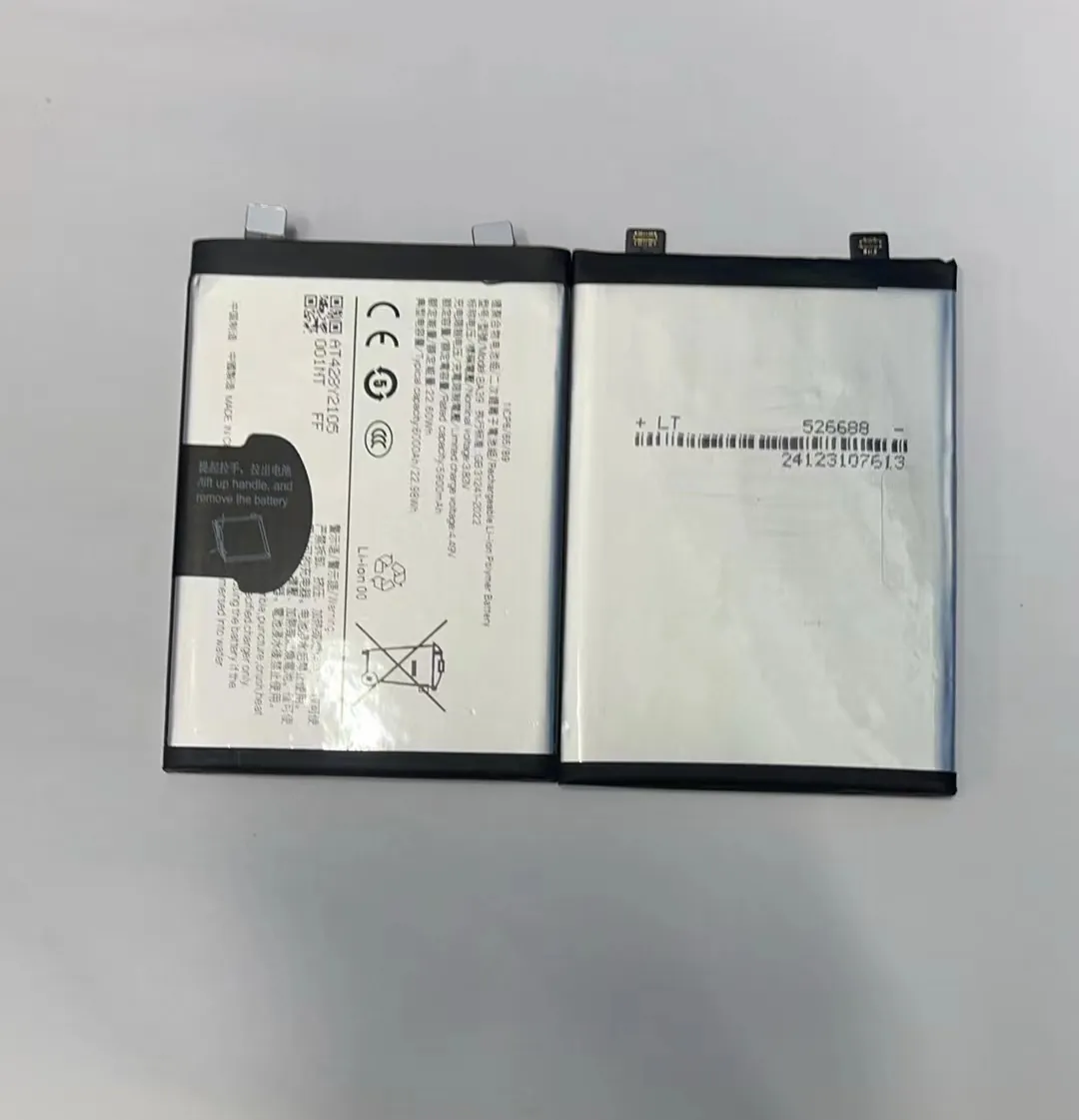
Modern smartphones are powerful, portable, and packed with features—but without a battery, they are just lifeless bricks. Understanding how a battery powers a phone can help users make smarter choices when replacing or maintaining it.
A mobile phone battery works by converting stored chemical energy into electrical energy using controlled chemical reactions inside a cell. This energy powers the phone's circuits and functions.
Our daily devices depend on unseen processes inside the battery. Let’s break these processes down and see how they allow phones to run efficiently, and where the power sometimes gets lost.
What chemical reactions generate power?
Chemical energy stored in the battery transforms into electricity, but how exactly does this happen?
A phone battery produces power through a redox reaction, where lithium ions move between electrodes, releasing electrons to create an electric current.

Basic chemistry behind phone batteries
Mobile phones usually use lithium-ion (Li-ion) or lithium-polymer (Li-Po) batteries. Inside each battery are three main components: anode, cathode, and electrolyte. These components work together to produce electricity through a reaction called a redox reaction.
Here's how it works:
- Anode (usually graphite): This is the negative side of the battery. It releases electrons during discharge.
- Cathode (usually lithium metal oxide): This is the positive side. It accepts electrons during discharge.
- Electrolyte: This is a liquid or gel that helps lithium ions move between the anode and cathode.
When the battery discharges:
- Lithium ions leave the anode and move through the electrolyte to the cathode.
- Electrons can't pass through the electrolyte. Instead, they flow through the phone’s circuit from the anode to the cathode.
- This flow of electrons is electricity. It powers the phone’s processor, screen, and other components.
Table: Common Cathode Materials in Li-ion Batteries
| Cathode Material | Full Name | Used In | Pros | Cons |
|---|---|---|---|---|
| LCO | Lithium Cobalt Oxide | Phones, cameras | High energy density | Shorter life, less safe |
| NMC | Nickel Manganese Cobalt Oxide | EVs, high-end phones | Balanced power & safety | More expensive |
| LFP | Lithium Iron Phosphate | Budget devices, tools | Long life, high safety | Lower energy density |
These chemical reactions are reversible. That’s why lithium-ion batteries are rechargeable. During charging, energy is used to reverse the process, sending lithium ions back to the anode.
Why do electrons flow in circuits?
Electricity flows in the phone—but why do electrons move at all?
Electrons flow in a circuit because of a difference in electric potential between two points in the battery, driving them from the anode to the cathode through the phone's electronic components.

Understanding the electron movement
When a battery is connected to a phone, it creates a closed circuit. This allows electrons to move in one direction. The driving force behind this flow is voltage, or electric potential difference.
Inside the battery:
- The anode has excess electrons. It wants to get rid of them.
- The cathode has fewer electrons. It wants to gain them.
Electrons move from an area of high potential (the anode) to an area of low potential (the cathode). But they can't move through the battery's internal electrolyte directly. So, they travel through the external circuit—your phone.
That flow powers everything:
- Your screen lights up.
- The processor runs apps.
- The camera captures images.
Without a complete circuit, electrons can’t flow, and the phone won’t turn on.
Analogy: Water in a pipe
Think of voltage like water pressure, and electrons like water molecules:
- The anode is like a full tank on a hill.
- The cathode is like an empty tank downhill.
- The wire is the pipe.
Water (electrons) flows from high to low. Once the pressure equalizes, the flow stops. Similarly, when the battery discharges fully, the voltage drops, and electron flow stops.
How does the phone manage energy?
The battery produces power, but how does the phone decide how and when to use it?
Smartphones use a power management system that regulates energy distribution, monitors battery status, and protects the phone from overcharging or overheating.
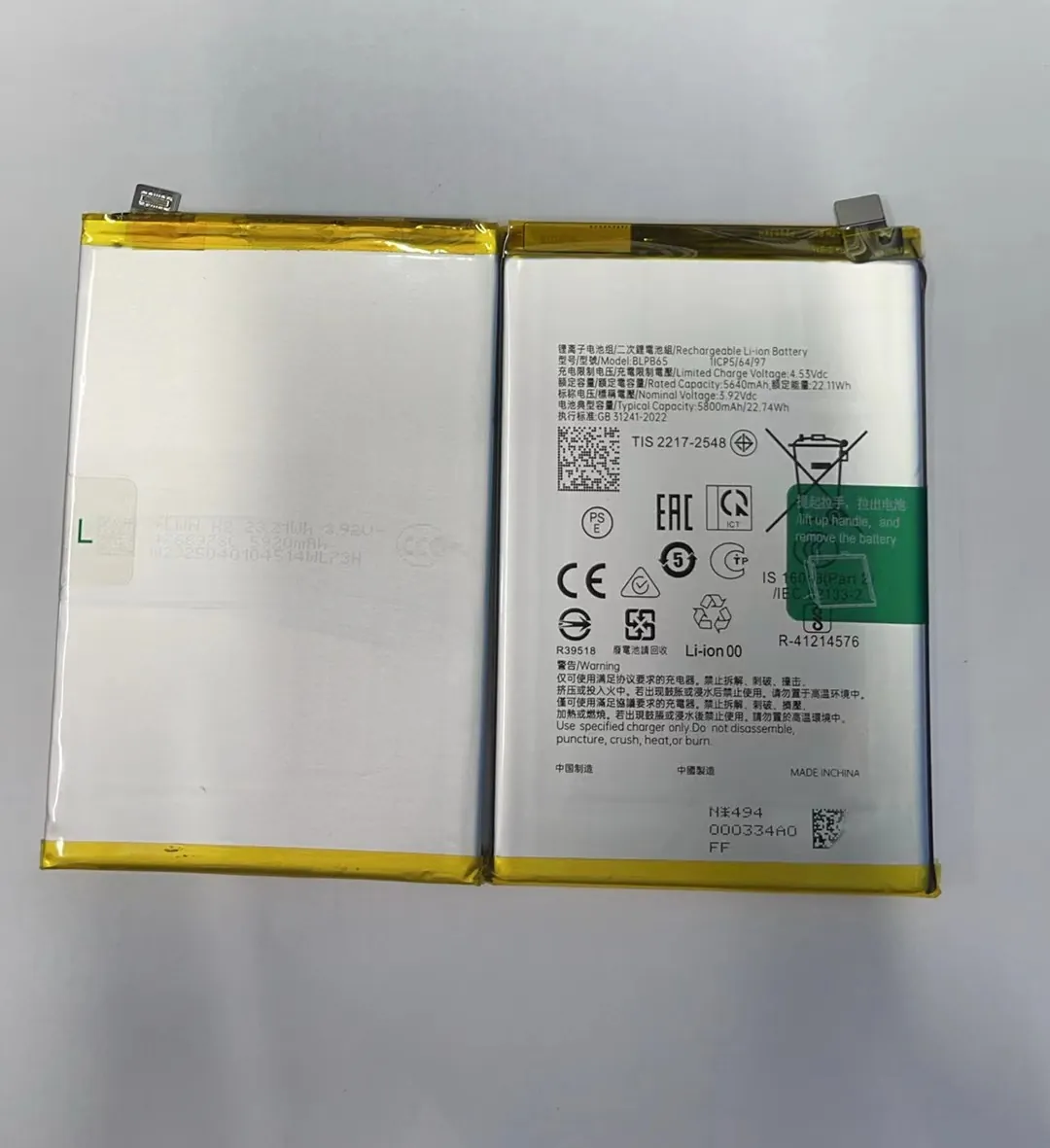
Power management inside smartphones
Every modern smartphone contains a Power Management Integrated Circuit (PMIC). This chip is like the traffic cop of energy. It ensures that the right amount of power reaches the right parts of the phone at the right time.
Key roles of the PMIC:
- Regulates voltage and current: Different parts of the phone need different voltages. The PMIC steps voltage up or down as needed.
- Monitors battery levels: It tracks how much charge is left and helps display accurate battery percentages.
- Controls charging: It prevents overcharging, which could damage the battery or cause overheating.
- Manages heat: If the phone gets too hot, the PMIC can reduce power to lower the temperature.
Table: Power Needs of Phone Components
| Component | Voltage Needed | Function |
|---|---|---|
| CPU | ~0.8V - 1.2V | Runs the operating system and apps |
| Display (OLED) | ~3.3V - 5V | Lights up the screen |
| Camera module | ~2.8V | Captures photos and videos |
| Wireless modem | ~1.8V - 3.3V | Handles mobile and Wi-Fi connectivity |
Without proper power management, a phone would quickly overheat, drain power too fast, or even shut down randomly.
Where do losses occur in operation?
Batteries power phones, but not all the energy ends up doing useful work.
Energy losses in phones happen due to heat, voltage conversion inefficiencies, and leakage currents inside circuits and the battery.

How energy is wasted
No system is 100% efficient. In smartphones, several factors cause power loss:
1. Heat loss in battery and circuits
When electrons flow through a conductor, they meet resistance. This creates heat. Some of the battery’s energy is lost this way. You might notice your phone warming up during gaming or charging.
2. Conversion loss in PMIC
Voltage regulators step power up or down. These processes are not perfect. Up to 20% of energy can be lost during conversion, especially in cheap or poorly designed phones.
3. Screen brightness and refresh rate
Screens are among the biggest power consumers. Higher brightness or refresh rates (like 120Hz) consume more power and increase heat.
4. Background processes and leakage
Even when idle, the phone runs background tasks. Also, small amounts of current leak through transistors and memory cells, especially in older or hot phones.
Summary of energy loss sources
| Source of Loss | Typical Impact | Can Be Reduced? |
|---|---|---|
| Heat from circuits | High | Yes, with better design |
| Voltage conversion | Medium | Yes, with high-efficiency chips |
| Display brightness | High | Yes, by reducing brightness |
| Background apps | Medium | Yes, by optimizing software |
| Battery internal loss | Low | Hard to reduce significantly |
Efficient hardware, software optimization, and smart battery design all help reduce these losses and improve battery life.
Conclusion
Phone batteries rely on chemical reactions to power our devices. This energy moves through circuits, managed by smart systems, and fuels every part of a phone. Some energy gets lost, but better designs keep phones running longer and cooler.
