
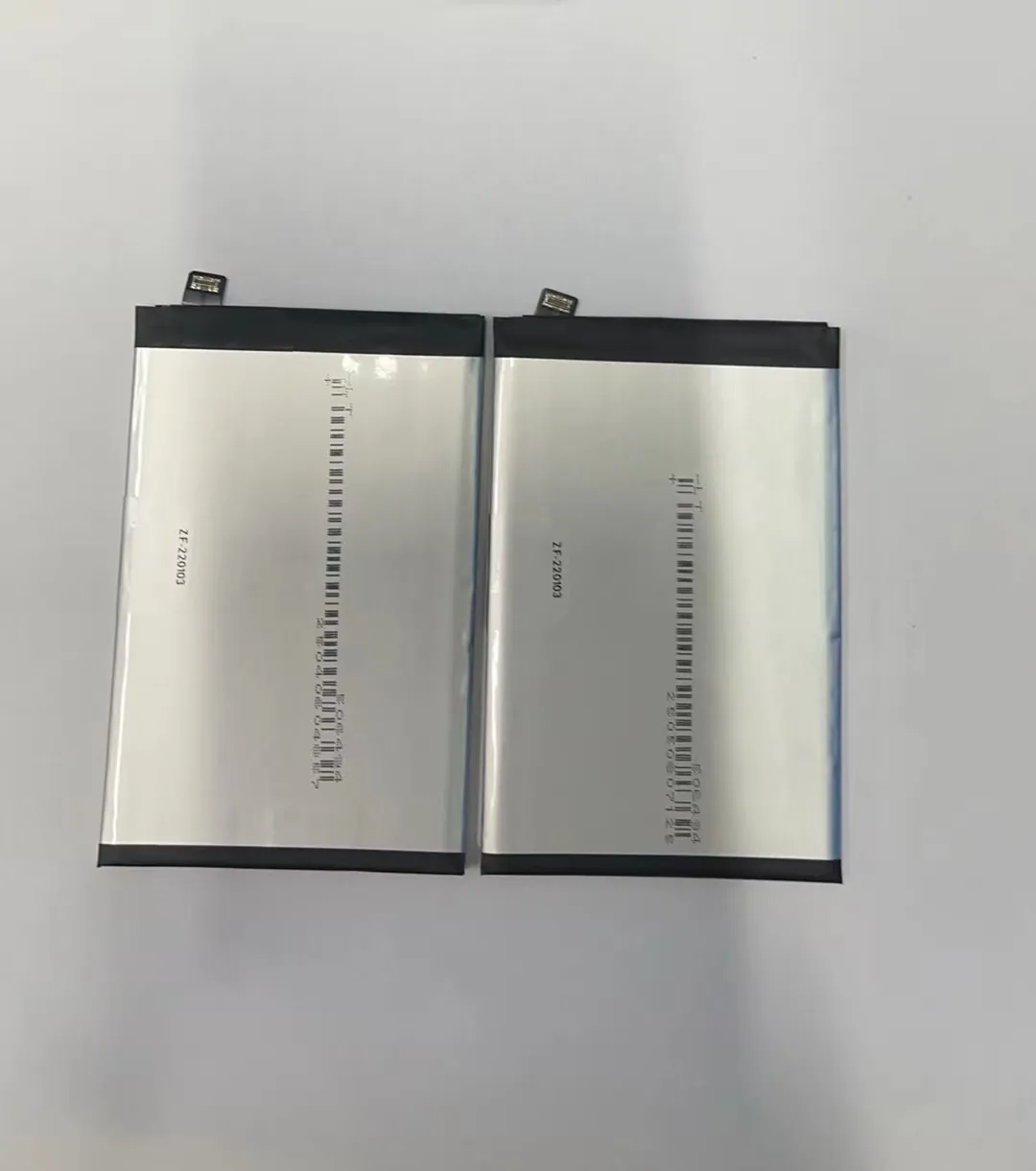
Mobile phone batteries drain fast. People worry their phone dies before the day ends. This article explores why battery life changes and what you can do about it.
Every phone battery has limits. It lasts a certain number of hours on a full charge. How long it lasts depends on many things. This article answers that.
Keep reading if you want to understand battery life better and make your phone run longer each day.
What shortens a battery’s usable hours daily?
Mobile phone battery life feels short when daily use is heavy. Many small daily habits and settings drain energy quickly. Some things we do every day make the battery drop faster than expected.
The phone’s battery loses usable hours when certain apps or settings use more power. Bright screen, constant updates, or high data use all shorten the hours your phone stays alive each day.

Battery life does not only depend on how old the battery is. It also depends on what the phone does every minute of the day. Some tasks are tiny drains of energy, while others use a lot of power very fast. Many users do not know which features use the most energy. They just see the battery dropping and feel frustrated.
What drains battery daily
The screen is one of the biggest battery users. High brightness and long screen-on time take more power. When you increase brightness to see outdoors or use apps for a long time, the battery drops fast. Auto-brightness helps, but it does not fully stop the drain. Watching videos or playing games at high brightness is especially heavy on power.
Background apps also hurt battery life. Many apps run in the background and refresh data constantly. Social media, email, or message apps update often. They check for new content every few minutes. This constant refresh hits the battery badly. Turning off background refresh for apps you do not need helps save daily battery hours.
Wireless communication also uses battery. Wi‑Fi, Bluetooth, GPS, and mobile data all use power. If the phone is constantly searching for a signal in a weak area, it uses even more energy. Turning off Bluetooth or GPS when not needed can help. Also, using Wi‑Fi instead of data might use less power, but it depends on signal strength.
High data tasks like streaming videos or downloading large files make the battery drop fast. These tasks keep the processor and wireless radios active. That means more power usage. Browsing light pages uses less than video or file downloads. So daily habits like watching long videos on mobile data shorten battery length more than light browsing.
Other settings like push notifications and vibration can add up. Each alert lights the screen and activates the processor. Silent notifications still wake the phone in small ways. Reducing notification frequency for apps you do not need can help extend daily hours.
Battery health vs daily use
Battery health is the long-term capacity of the battery. But daily usable hours is about how much power you use each day. A phone with good battery health can still drain fast if daily usage is heavy. A phone with lower battery health may last a whole day if used lightly. What matters each day is not only the battery itself. It is what the phone does every minute.
How to track daily battery performance?
Tracking battery performance helps understand why the phone dies early. Most phones have built‑in tools. These tools show which apps use the most power and how long the battery lasts. Tracking daily performance lets you change what drains power most.
You can check battery usage in settings and use stats to see which apps use the most energy and how your daily pattern affects battery life.
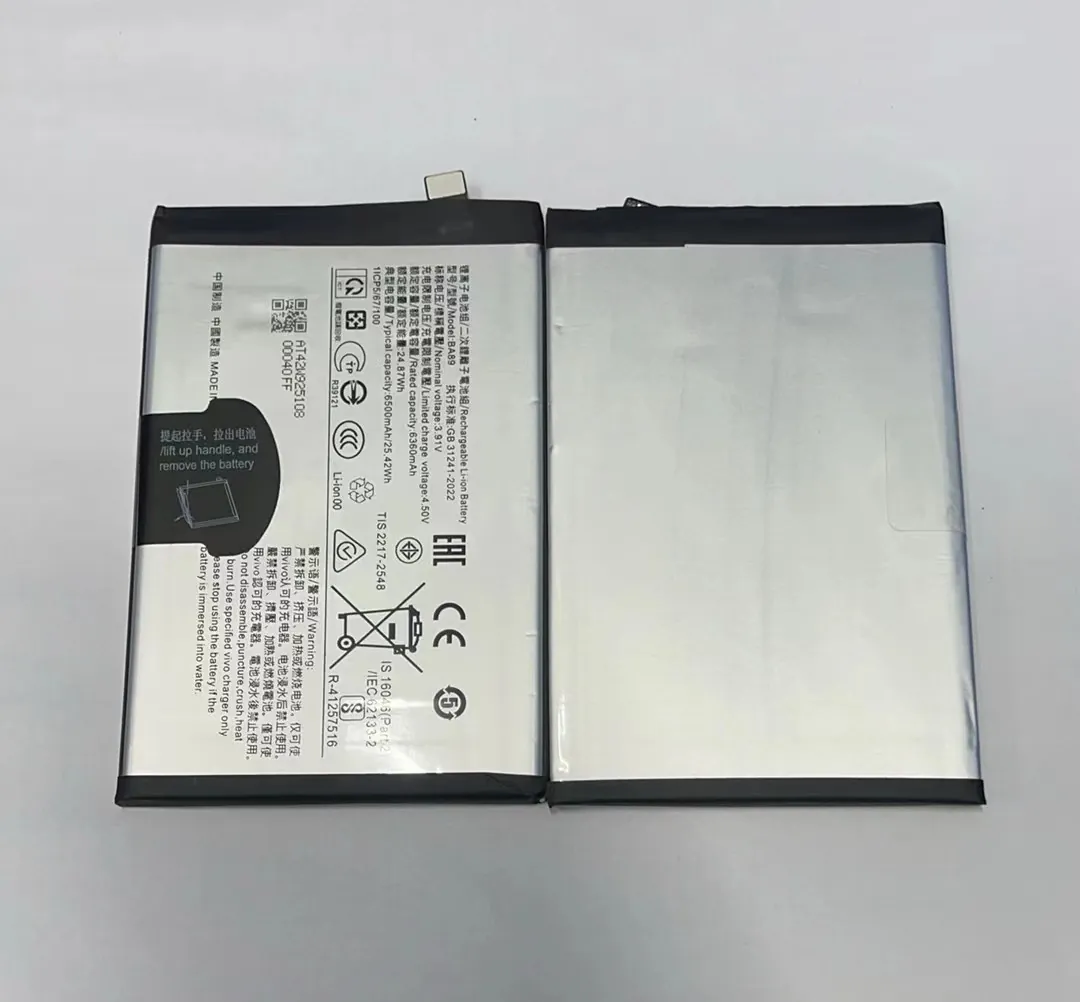
Phones give a daily breakdown of battery use. These details show how long each app has been on screen or in the background. This information is powerful because it tells you where the power goes. Changing habits based on these stats can make a big difference in daily life.
Using built‑in battery tools
Both Android and iOS have built‑in tools to show battery usage. You can open Settings and find Battery or Battery Usage. There you see a list of apps and services that use power. Each app shows a percentage of total battery use since the last full charge. This list tells you which apps drain power the most.
For example, if a social media app shows 25% of battery use but you only used it briefly, it may be running in the background too much. You can restrict background activity for that app or uninstall it if not needed. Some phones also show screen on time and screen off time. This helps you see how long the screen is active because the screen is a big battery user.
Third‑party tools for deeper tracking
Some third‑party apps show deeper battery data. These can track historical usage and show trends over days or weeks. They may show battery temperature, charge cycles, and more. This deeper history can help people notice patterns they miss in one‑day stats.
For example, if battery performance is worse on certain days, third‑party tools might show that location services or a new app caused more power use. These tools can help compare daily performance over time.
Simple tracking habits
You can track daily performance even without tools. Just note when you charge and how long the battery lasts. Try to notice after heavy use or certain apps if the battery drains faster. Writing a simple note each day helps you see patterns. For example, heavy video streaming days might show faster drops in battery level than light browsing days. This basic tracking helps you understand how your use affects battery life.
Using tracking to improve battery life
Once you know which apps drain battery, you can change how you use them. Reducing screen brightness, turning off background refresh, or closing unnecessary apps helps daily performance. Also, you can decide to charge at times when battery gets low to avoid stress on the battery. Tracking gives you information. You then use that information to make better choices that extend battery life day after day.
Why do some phones have better battery duration?
Not all phones are equal. Some phones last much longer than others on a single charge. Hardware, software, and design all matter. A bigger battery does not always mean longer life. How efficiently the phone uses power is just as important.
Phones with better battery life have a mix of larger capacity, efficient processors, optimized software, and smart power management.

Battery capacity is one key factor. It is measured in milliamp hours (mAh). Higher numbers usually mean more energy stored. But capacity does not tell the whole story. How the phone uses that energy matters most.
Battery capacity and size
Battery capacity refers to how much energy the battery can hold. Phones with larger batteries have more energy to use. For example, a phone with 5000 mAh will generally last longer than one with 3000 mAh if all else is equal. However, other parts of the phone also affect how fast that energy is used.
Field phones with big screens or high refresh rates can drain big batteries faster than expected. So size matters, but it is not everything.
Processor efficiency
The processor is the brain of the phone. Modern processors are designed to use less energy. Newer chips use smaller manufacturing processes that reduce power use. This means the phone can do the same tasks but use less energy. Efficient processors help phones last longer, especially under heavy use.
Software and power management
How the phone’s software manages tasks affects battery life. Some operating systems suspend apps that are not in use. Others optimize background work so apps do not drain power excessively. Phones with better power management can make the battery last longer even with smaller capacity. Updates from the manufacturer can improve power management over time.
Screen technology
The screen uses a lot of power. OLED screens can be more efficient than LCD in many cases because only the lit pixels use power. Dark mode uses less energy on OLED screens. Phones with adaptive refresh rates can lower refresh rate when not needed, saving power. These screen technologies help improve battery duration.
Other hardware factors
Other parts also matter. Network radios, camera hardware, and sensors all use energy. Better antenna design or efficient sensors help reduce wasted power. Efficient hardware across the phone adds up to longer battery life.
In summary, phones with better battery duration balance large capacity with efficient hardware and smart software.
Can software optimization extend daily battery life?
Software plays a big role in daily battery life. Even with the same battery size, some phones last longer because software manages tasks better. Software updates often include power saving features. These features aim to extend the time between charges.
Software optimization can make daily battery life longer by reducing unnecessary work and managing how apps use power.
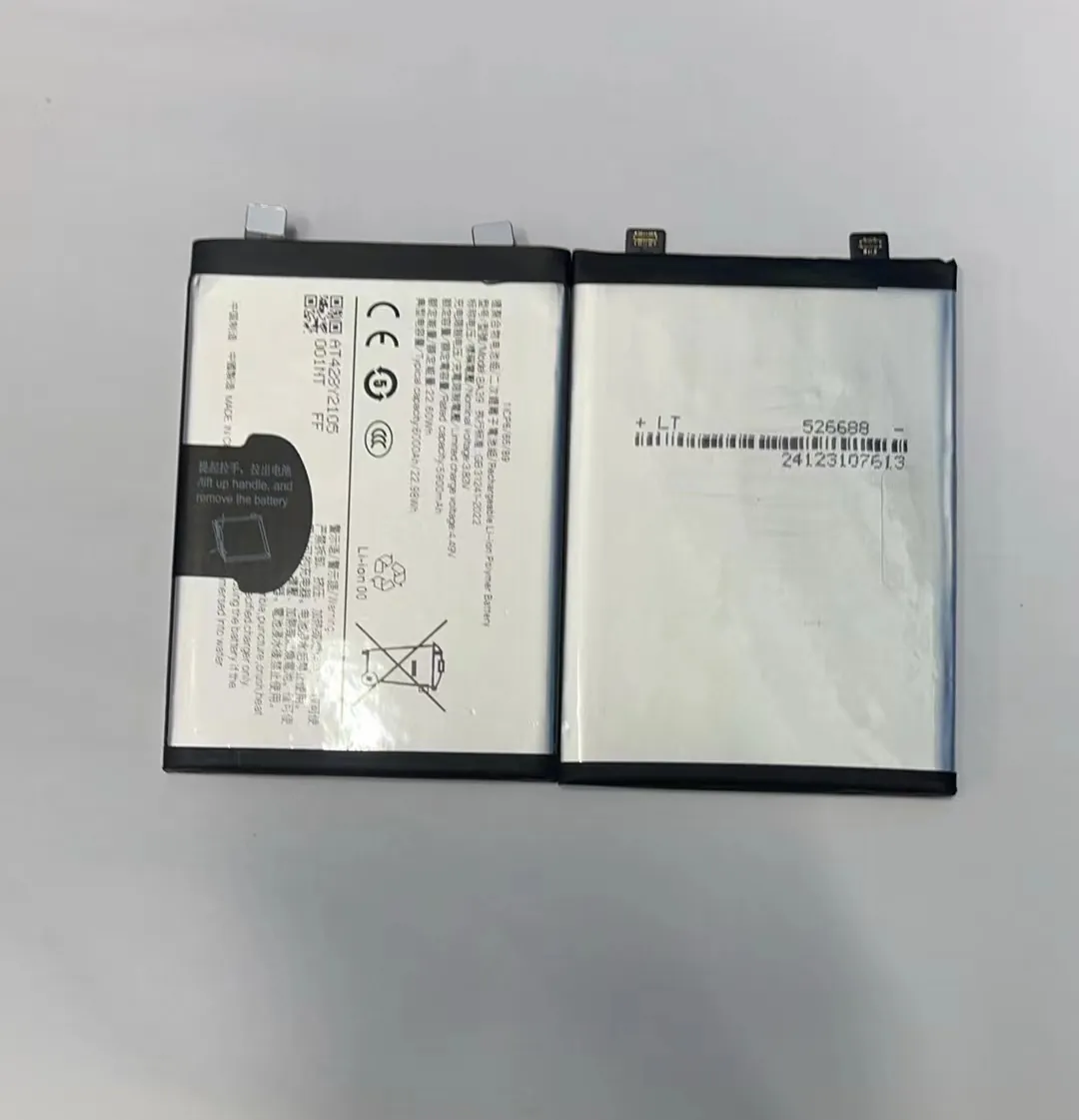
Software does more than show battery stats. It controls how the phone allocates power. It can turn off parts when they are not needed. Software can also limit how apps run in the background or schedule updates when the phone is idle. All of these reduce wasted energy and make daily battery life longer.
How software controls power
Software can put the phone into sleep modes when not in use. These sleep modes reduce processor activity and stop unnecessary tasks. For example, when the screen turns off, many tasks stop or slow down. This simple shift saves a lot of energy over time.
App management is another key part. Software can detect apps that use too much power in the background and restrict them. Some operating systems let users choose which apps can run in the background. Turning off background activity for non‑important apps helps daily battery life tremendously.
Updates that improve battery
Phone makers release software updates to improve many things. Often these updates include battery improvements. They fix bugs that cause power drains. They also improve power management algorithms. Installing updates promptly helps your phone use power more efficiently.
Power saver modes
Many phones have built‑in power saver modes. These modes reduce performance, lower screen brightness, and limit background activity. When battery level gets low, turning on power saver mode can make the phone last much longer. These modes are software features that help stretch battery life to the end of the day.
Intelligent scheduling
Some systems schedule heavy tasks like backups or updates when the phone is plugged in. This prevents these tasks from draining daily battery. Intelligent scheduling is a software trick that shifts power‑heavy tasks to times when the phone has plenty of energy.
In short, software optimization does extend daily battery life. It works with hardware and user settings to make the phone use energy in the best way possible.
Conclusion
Understanding battery life helps you use your phone better. Daily habits, tracking performance, phone design, and software all impact how long your phone lasts. By knowing how these parts work together, you can make choices that extend battery life each day.
