
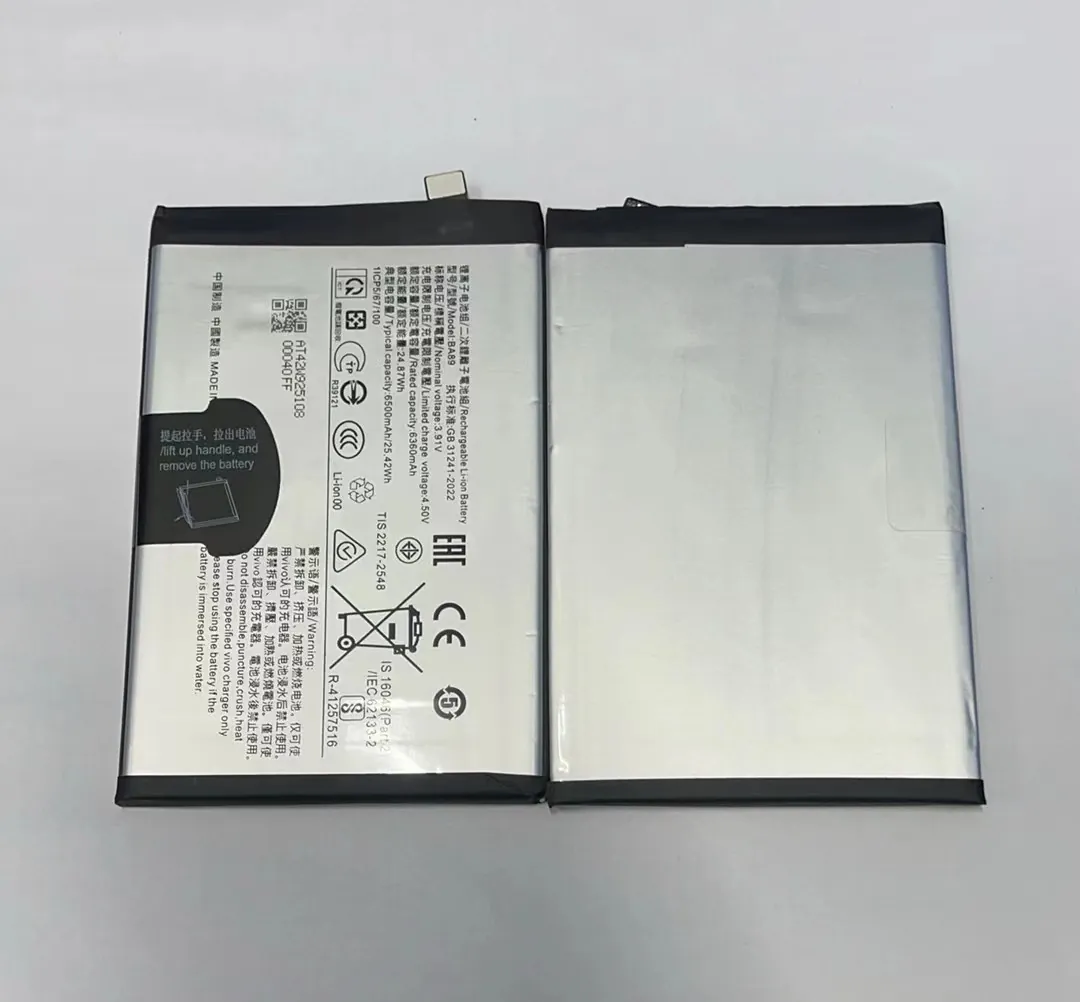
Many users find their phones losing battery even when not in use. This can be annoying, especially if you're expecting your phone to last overnight or during travel.
A smartphone battery should last between 48 to 96 hours on standby, depending on model, battery size, and settings.
But not all phones behave the same. Some drain fast even when idle. This article shows what’s normal, what’s not, and how to improve your phone’s standby time.
What is the average standby time for new smartphones?
Many people assume all phones have similar standby times. But each model, battery size, and software update makes a difference.
Most modern smartphones offer a standby time of 2 to 4 days, depending on usage, background tasks, and battery health.

Different phones offer different standby times. Flagship models often include high-performance features that may drain more battery. Mid-range phones often perform better in standby because they use less power when idle.
Here is a general overview of average standby time by phone category:
| Phone Type | Average Standby Time |
|---|---|
| Flagship (e.g. iPhone Pro, Galaxy S) | 48–72 hours |
| Mid-range | 72–96 hours |
| Budget phones | 80–100 hours |
| Feature phones | 5–15 days |
Battery life in standby mode depends on several things:
- Battery capacity (mAh)
- Processor efficiency
- Software optimization
- Network connectivity
- Display technology (always-on screens reduce standby)
If your phone is draining more than 5–10% overnight, even with minimal use, there may be a hidden issue such as background apps or poor battery health.
Which settings affect standby battery consumption?
Even when not actively using your phone, some settings stay active. These drain your battery silently over time.
Settings like Wi-Fi, mobile data, location services, and push notifications continue running during standby and consume battery.
Smartphones never truly “sleep” unless they’re turned off. While on standby, some services remain active. Here are common settings that impact standby consumption:
1. Wi-Fi and mobile data
If left on, these are constantly checking for updates, new messages, and other background activity. Disabling them when not needed can save battery.
2. Location services
Many apps access your location—even in the background. This drains battery, especially if GPS is used. You can turn off location access completely or limit it to apps in use.
3. Push notifications
Push notifications require a constant connection with servers. Apps like Gmail, Facebook, or WhatsApp keep checking for new data. Disabling push for non-essential apps reduces battery usage.
4. Bluetooth and NFC
Unless you're using wireless devices or tap-to-pay features, keeping Bluetooth or NFC off can reduce power usage during idle times.
5. Background app refresh
Many apps update content or sync files in the background. Turning off this option prevents apps from working when not in use.
Here’s a quick table of settings and their impact:
| Setting | Impact on Standby | Recommendation |
|---|---|---|
| Wi-Fi | Medium | Turn off when unused |
| Mobile Data | High | Use only when needed |
| GPS/Location | High | Disable for standby |
| Bluetooth/NFC | Low–Medium | Off unless needed |
| Push Notifications | Medium–High | Limit to key apps |
| Background App Refresh | High | Disable for most apps |
Making small adjustments to these settings can easily extend your phone's standby time by several hours—or even days.
How do background processes impact standby time?
You may not be using your phone, but your apps are busy behind the scenes. These processes can silently eat through your battery.
Background processes like syncing, data updates, and app activity reduce standby time by constantly waking up the phone.
Even with the screen off, apps can:
- Check for updates
- Send location data
- Sync emails
- Upload backups
- Receive push messages
Examples of battery-draining background apps:
| App Type | Common Apps | Impact on Standby |
|---|---|---|
| Messaging | WhatsApp, WeChat, Messenger | High |
| Gmail, Outlook | Medium | |
| Social Media | Instagram, TikTok, Facebook | High |
| Navigation | Google Maps | High |
| Cloud Services | Google Drive, iCloud | Medium |
How to control these processes:
Android
- Go to Settings > Battery > Background usage limits
- Use "Restricted" for apps not needed when idle
iOS
- Settings > General > Background App Refresh
- Turn off for all or specific apps
You can also see which apps used the most battery:
- Android: Settings > Battery > Battery usage
- iPhone: Settings > Battery > Battery Usage by App
Disabling background processes doesn’t stop the apps completely. They still work when you open them. But it stops them from using energy when you’re not looking.
Bonus tip:
Apps like Facebook or Messenger often consume the most standby power. If possible, use browser versions instead of native apps for better battery life.
Can airplane mode extend standby battery life?
Most people only use airplane mode during flights. But it can be a secret weapon for battery savings when you don't need connectivity.
Yes, airplane mode can double your standby battery life by turning off cellular, Wi-Fi, and Bluetooth radios.

Airplane mode disables all wireless connections. This stops your phone from:
- Searching for signal
- Connecting to Wi-Fi or Bluetooth
- Downloading or syncing content
When to use airplane mode:
- Overnight
- If you're not expecting calls or notifications, airplane mode can save up to 10% overnight.
- Long travel
- If you're not using your phone, switching to airplane mode prevents constant signal searching in weak areas.
- Remote areas
- When there’s no signal, phones drain battery trying to connect. Airplane mode stops this.
- Meetings or work
- If your phone needs to stay idle but on, this reduces power drain.
Can you still use Wi-Fi?
Yes. On both Android and iOS, you can manually turn Wi-Fi back on after enabling airplane mode. This allows:
- Chatting over Wi-Fi
- Checking emails (manually)
- Browsing when needed
Using airplane mode is one of the most effective and simple ways to extend standby time. It shuts down all unnecessary energy use in one step.
Conclusion
A healthy phone should last 2 to 4 days on standby. But background activity, poor settings, and constant connectivity reduce this time. By adjusting your phone’s settings, stopping unnecessary processes, and using features like airplane mode, you can extend your standby time without sacrificing performance.
