
I waited until my Samsung phone battery lasted just a day before I looked deeper into the problem.
A new Samsung phone battery can last around 10 to 12 hours of screen-on time or about one to two days on mixed use, depending on settings and tasks.
If you want your battery to hold up longer, it helps to know what affects its life. Keep reading to learn how to protect battery life and when to replace the battery.
What affects Samsung battery lifespan?
I worried when my phone died early after a firmware update.
Battery lifespan depends on how you use the phone, how you charge it, and how the phone hardware works.
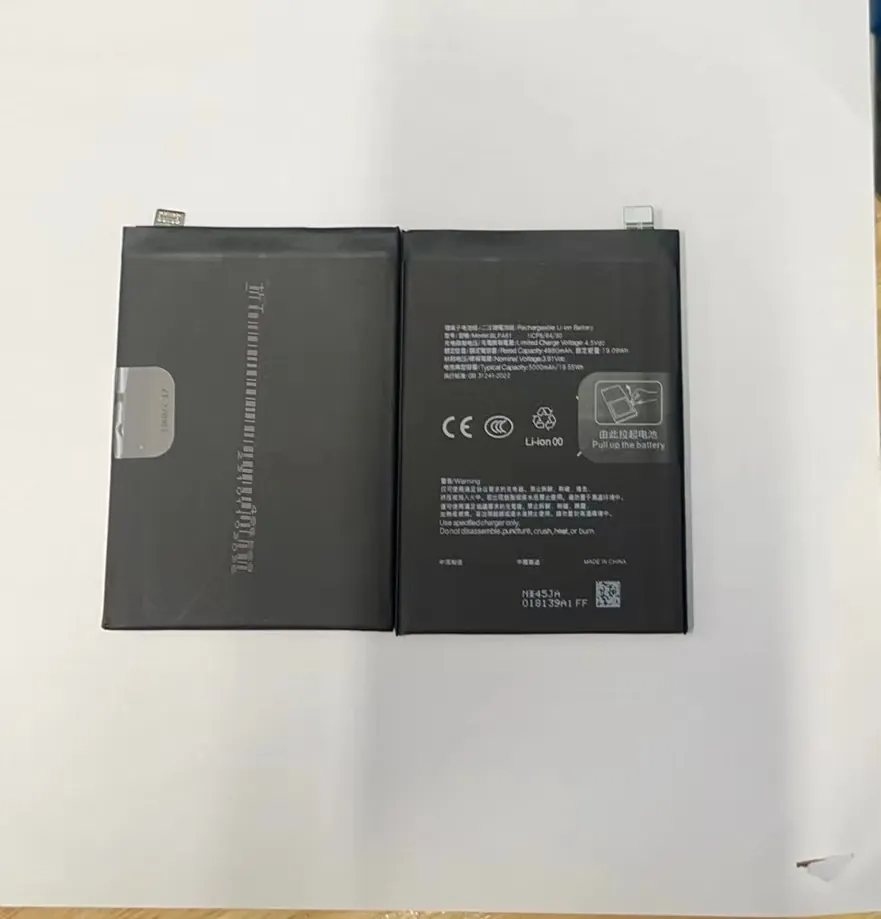
Many things can shorten or lengthen battery life. One main factor is how often you charge the phone. If you charge it every hour or let it drop to zero often, battery wear can speed up. Another factor is phone settings. Bright screen, high CPU load, GPS and mobile data all draw more power. Over time, that stress can reduce battery health. High heat can make a battery degrade faster. Cold may also harm performance. Even using heavy apps or games for a long period strains the battery.
The type of battery cell matters too. Some Samsung phones use stronger battery designs and some use weaker ones. A robust cell can keep capacity longer than a low‑quality cell. Charging accessories also matter. Cheap chargers or cables can overheat the battery or deliver uneven power. That can harm battery life.
Finally, operating system updates and app updates may change how much power the phone draws. Poorly optimized code can make the phone use more CPU or network, which drains battery faster. If people run many background apps, the battery works harder even when phone seems idle.
Because of these factors, two phones with same model can show very different life spans. Good habits and care help a lot.
Why do battery capacities degrade?
Sometimes the battery feels weak after one year or two. I wanted to know why.
Battery capacity drops because of chemical wear inside the cell, repeated charge cycles, and stress from heat or full discharge.
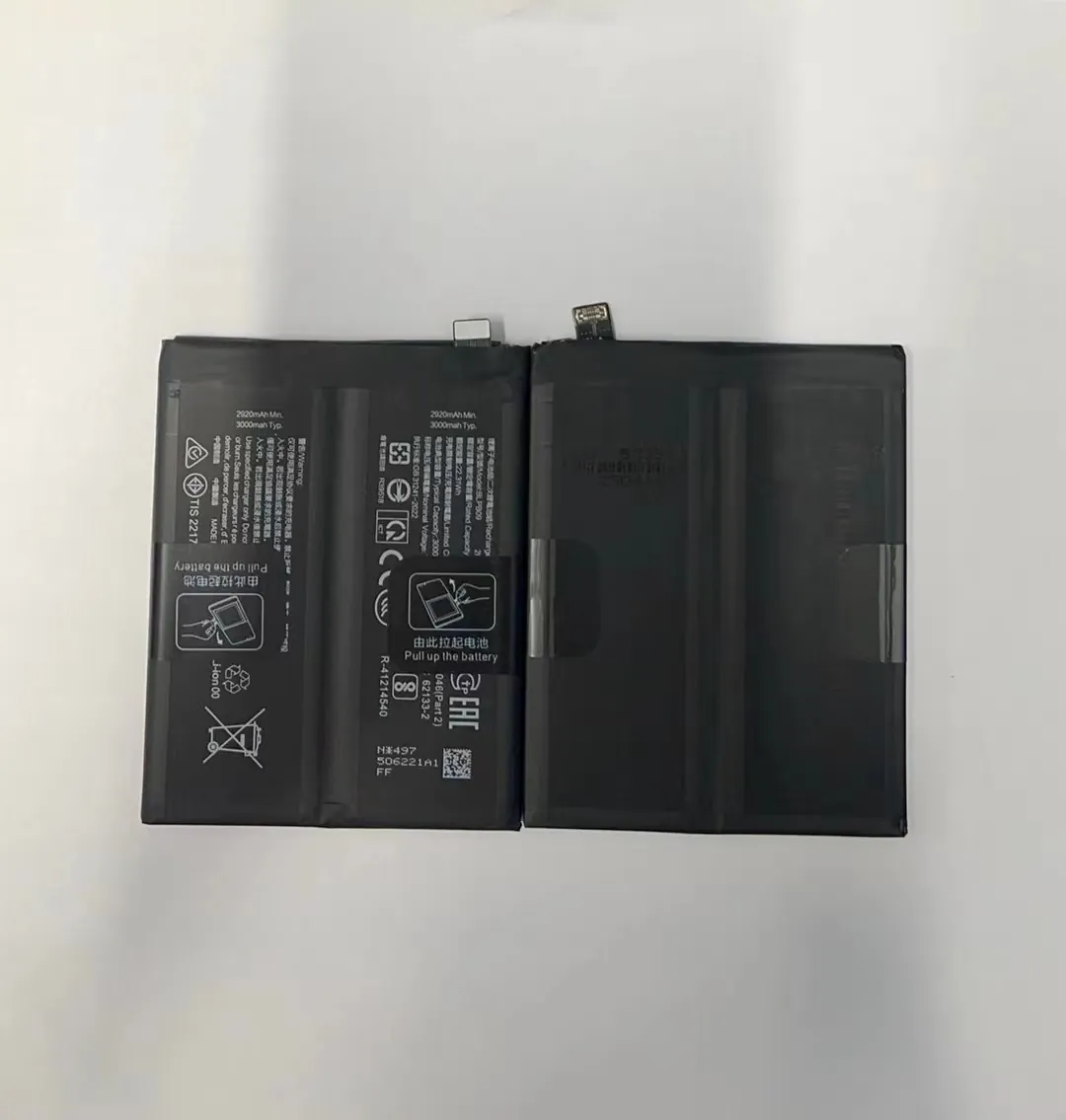
Battery cells lose capacity slowly over time. Inside, lithium ions move back and forth when charging and discharging. Each cycle causes tiny changes. Over many cycles the battery holds less charge. If you fully charge and fully drain the battery often, it cycles more deeply. Deep cycles stress the cell more than shallow cycles.
High temperature makes wear worse. Heat speeds up chemical reactions inside the battery. That can cause permanent damage to the internal structure. For example, leaving a phone in sun, in a hot car, or near heater can hurt the battery faster. Cold can cause temporary problems but is less damaging long term.
Another cause is aging of internal parts, like electrodes and separators. With time, they degrade. This reduces how many ions can move through. As a result, battery capacity drops. If phone hardware draws more power over time, battery drains faster even if capacity stays same. That shows as shorter battery life.
Battery voltage also changes slowly. The battery may still show 100%, but the actual capacity is lower. This misleads the user. Over time, the battery might die faster than expected.
Here is a simple table to show typical battery capacity decline over years for a phone used daily (charging once a day):
| Years of use | Approximate capacity left (%) | Expected screen‑on time (hours) |
|---|---|---|
| 0 (new) | 100% | 10–12 |
| 1 year | 85–90% | 8–10 |
| 2 years | 70–80% | 6–8 |
| 3 years | 60–70% | 5–7 |
This table is just a rough guide. Actual numbers depend on many factors.
How can users extend Samsung battery life?
I realized small habits helped me get more life per charge.
Users can extend battery life by avoiding extremes: charging too fast or draining too low, reducing screen brightness, closing heavy apps, and avoiding heat.
Here are some good habits to protect battery health and extend battery life over months and years:
Practical Tips
- Charge the phone when battery is around 20–30% rather than wait until 0%.
- Avoid full 100% charge whenever possible; stop around 80–90%.
- Use original or high‑quality charger and cable.
- Dim screen brightness and use adaptive brightness.
- Disable GPS, Bluetooth, mobile data or Wi‑Fi when not in use.
- Close heavy apps when done.
- Keep phone temperature moderate — avoid sun, hot cars, heaters.
One common mistake is fast charging all the time. Fast charging warms the battery. Warm battery ages faster. If possible, use slower, normal charging overnight. Do not charge under pillow or closed cover because heat builds up.
Another mistake is letting phone battery run to empty often. That deep drain stresses the battery. Instead, charge earlier.
Reducing screen brightness and turning off unused connectivity helps battery draw less power. That reduces load on battery. Lower load means slower wear.
Also avoid some battery draining apps. Some apps run in background. They consume CPU, network, battery. Periodically check battery settings to see which apps draw most power. Remove or limit them.
In cold seasons many people feel battery drains fast. That can be from low temperature. Cold does not harm battery long term. But it reduces immediate performance. Keep phone warm in cold weather for best performance.
Here is a summary of good and bad practices:
| Good Practices | Practices to Avoid |
|---|---|
| Charge between 20–90% | Let battery drop to 0% or go full to 100% always |
| Use quality charger | Use cheap or unknown charger |
| Keep phone cool or normal temp | Charge under pillow or high heat |
| Dim screen, turn off unused radios | Run heavy apps constantly, high screen brightness |

These tips help slow down capacity loss. That helps battery last longer in real use.
When is replacement necessary?
My battery life dropped below 50%. I asked myself: should it be replaced?
Replacement is wise when battery capacity drops below roughly 70% or device shuts off early even at 30–50% charge.
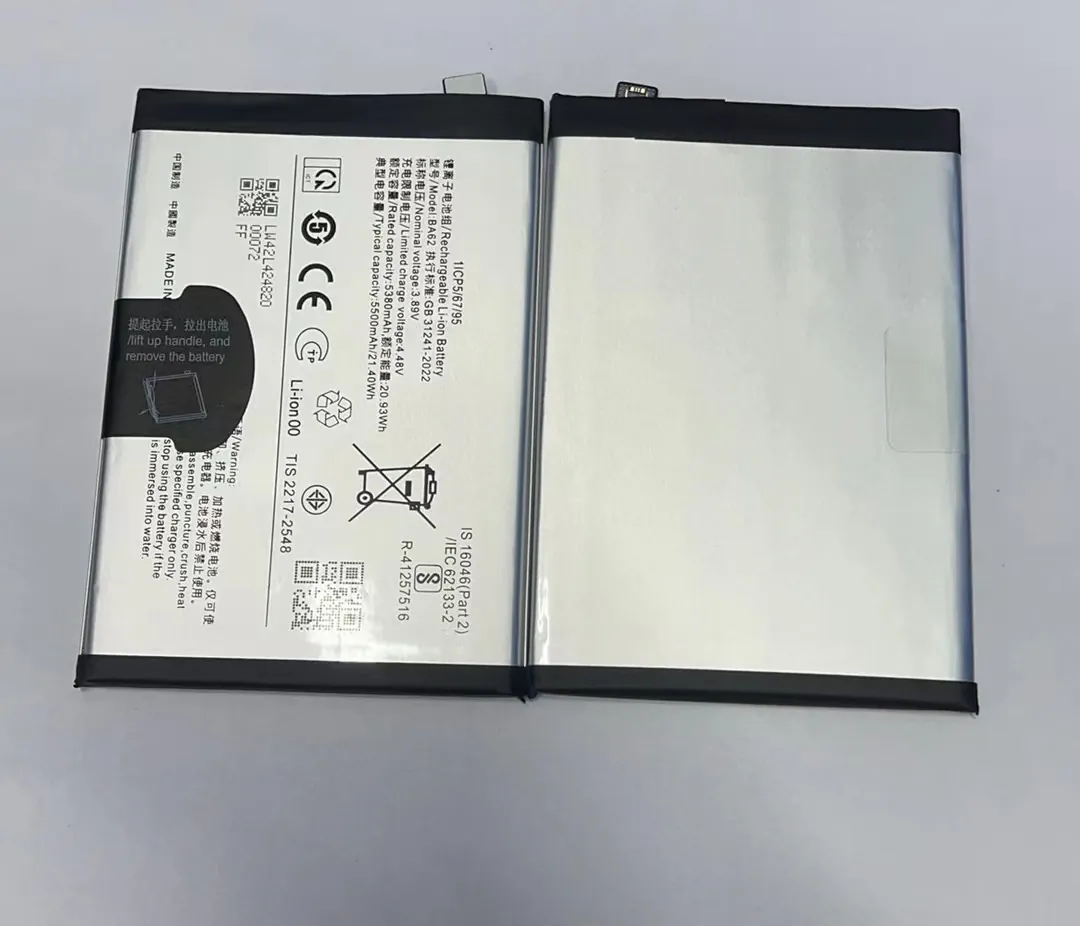
If the battery no longer holds charge enough to get you through a day, it might be time to replace. If phone shuts down when it shows 20–30% left, that signals wrong battery calibration or weak cell. If you see swelling, overheating, or strange battery behavior, stop using battery and replace it.
Battery also matters if you rely on long uptime. For example, if you use phone for work or travel, a weak battery will cause many problems. In that case, a new battery restores predictability.
Another sign is charging speed. If phone takes much longer than new or drains very fast during normal use, that shows battery health low. Sometimes battery case bulges or back panel warps. That is dangerous — battery can leak or swell more. In such case replacement is safer.
Professional repair shops or authorized service providers can check battery health by app or software. If capacity below 65–70%, they often advise replacement. That restores near‑original battery life.
In some older phones, battery age may cause internal resistance high. That leads to heating under load or charging. That affects phone performance too. Replacing battery then not only improves battery life but also performance.
Conclusion
Solid Samsung battery life depends on how you charge and treat the phone. With care you can get strong battery life for one to two years. If battery drops under 70% and fails quick on one charge, consider a proper replacement.
