
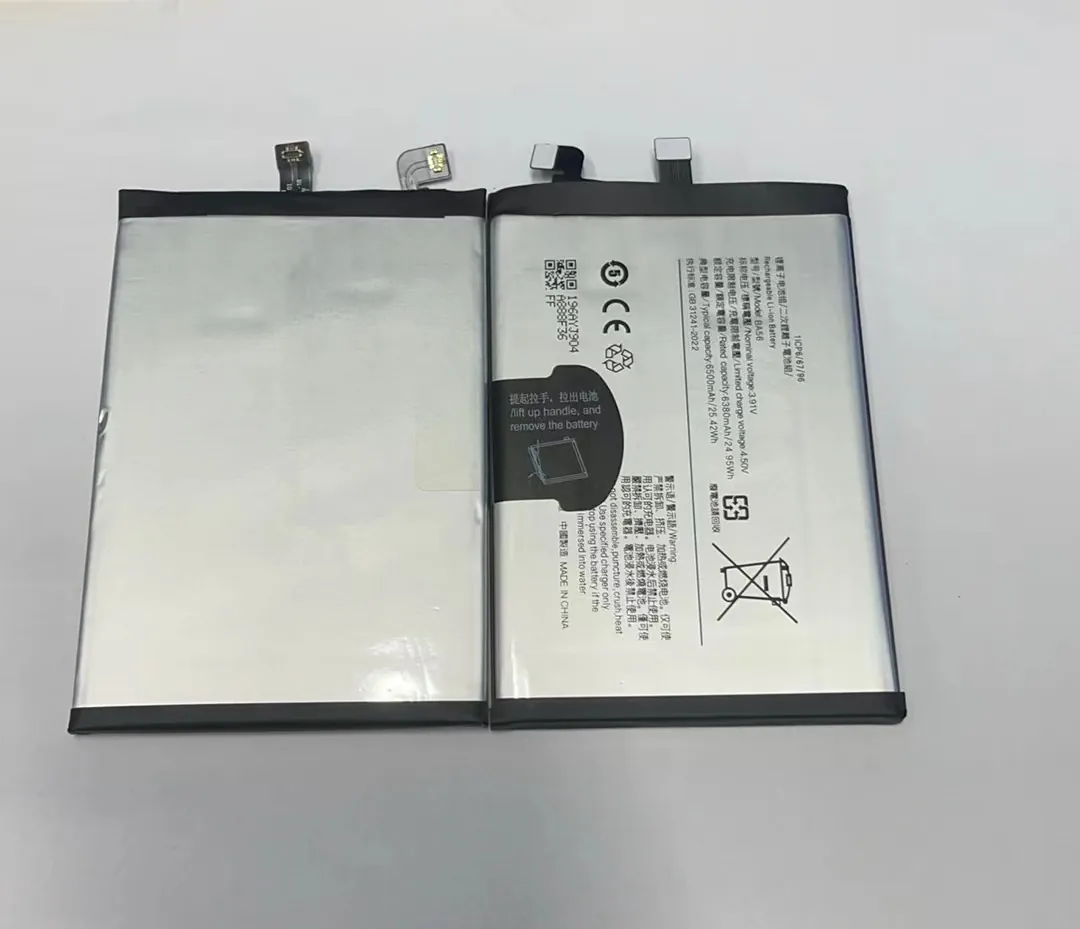
Getting a new phone is exciting, but knowing how to charge its battery the right way can be confusing. You don’t want to damage it on day one.
You should fully charge a new mobile phone battery once before use, then follow regular charging habits—no need for long or repeated initial charges.
Battery myths from older generations still cause confusion. But lithium-ion technology has changed the game. Let's clear up what really matters when charging a new phone.
What’s the optimum charge time for a brand-new battery?
Many still believe that charging a new phone for 8 hours on the first try is important. But is that true for modern batteries?
Modern phones come pre-charged and only need about 1 to 2 hours for a full first charge, depending on the charger and battery size.

Do new phones need 8-hour charges?
No. That advice was for nickel-based batteries used in old phones. Modern phones use lithium-ion or lithium-polymer batteries, which work differently.
These batteries don’t have memory effects. So there is no benefit in charging them for too long initially.
How long is enough?
Check your battery size and charger output. Most phones have 3000–5000mAh batteries.
| Battery Size | Charger Output | First Full Charge Time |
|---|---|---|
| 3000mAh | 5V/1A | ~2.5 hours |
| 4000mAh | 5V/2A | ~2 hours |
| 5000mAh | Fast Charge | 1–1.5 hours |
Charging the battery fully before first use helps calibrate the phone’s battery indicator. But there's no need to go beyond 100%.
Should I charge to 100% before turning on?
It's a good idea but not required. You can start using the phone at 70–80%, then charge to full later.
The key is to avoid letting it drain to 0% during setup or system updates.
Should I avoid overnight charging new phones?
Many people worry that charging overnight may harm a new phone. This fear comes from battery overheating concerns.
No, modern phones can safely charge overnight. Built-in battery management systems stop charging once full.

What happens when the phone reaches 100%?
Most smartphones stop drawing power once the battery is full. They trickle charge occasionally to maintain 100%, but that’s normal and safe.
Can overnight charging overheat the battery?
If you use a certified charger and a healthy battery, overheating won’t happen. Problems usually come from:
- Cheap third-party chargers
- Damaged cables
- Hot room temperature
Keep your phone on a hard surface, not under a pillow or blanket. Allow airflow.
Should I unplug my phone at night?
If you want to prolong battery health, unplug around 80–90%. But in daily use, overnight charging is fine.
Many people charge their phones while sleeping. Just use a reliable charger.
| Charger Quality | Safe for Overnight? | Risk of Overheating |
|---|---|---|
| OEM Charger | Yes | Very Low |
| Certified Third-Party | Yes | Low |
| Cheap Unknown Brand | No | High |
Modern battery controllers are smart. They regulate current, voltage, and stop charging when needed.
How does fast-charge impact new batteries?
Fast charging feels convenient. It can get your battery to 80% in 30 minutes. But is it safe for new batteries?
Fast charging is generally safe for new batteries if supported by the phone, but frequent use may slowly increase heat stress over time.
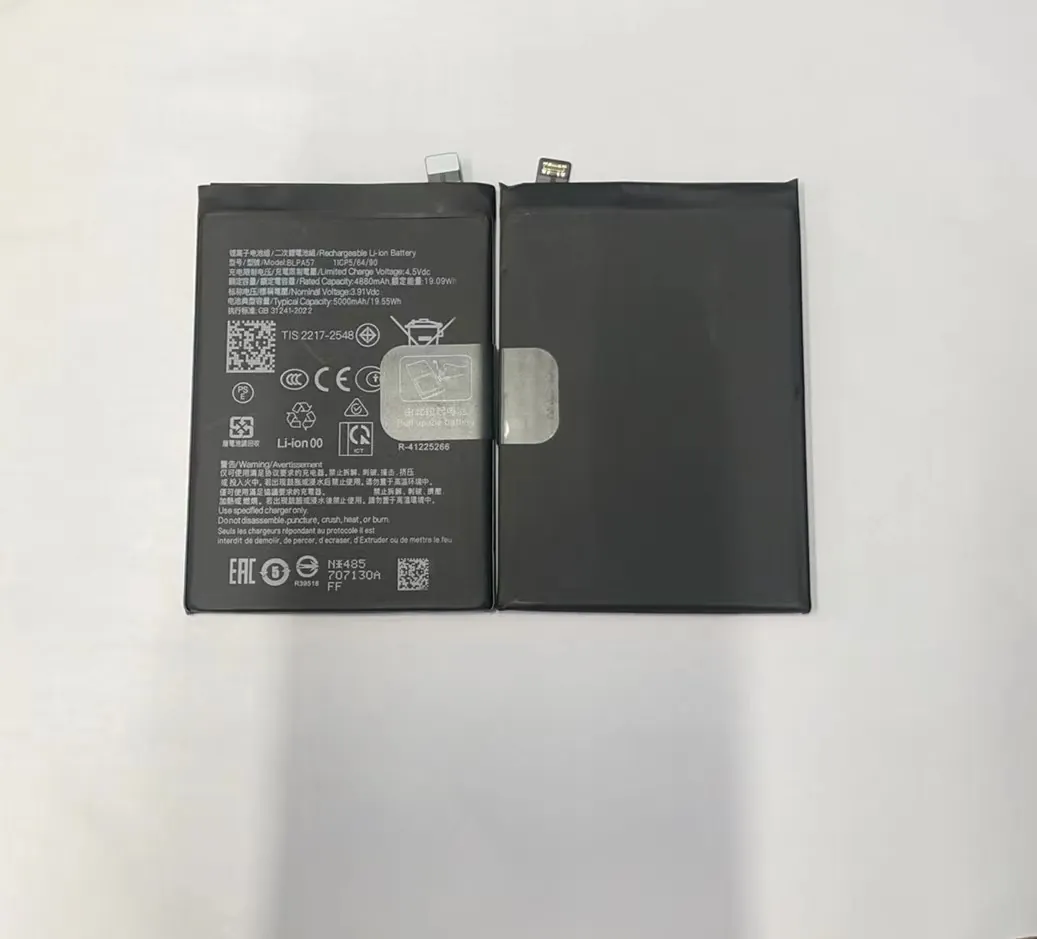
What is fast charging?
Fast charging increases the amount of current sent to the battery. It often uses protocols like:
- Qualcomm Quick Charge
- USB Power Delivery (PD)
- VOOC, Warp, SuperCharge (by brands)
These systems adjust voltage and current based on battery needs.
Is it bad for new batteries?
No. If your phone supports fast charging, it is designed for it. But faster charging generates more heat, which over time may affect long-term battery health.
Should you use fast charging all the time?
Try not to. Use normal charging for overnight or when you’re not in a rush.
Use fast charging when:
- You’re in a hurry
- Your battery is very low
- You need a quick top-up during the day
Battery heat is the real concern, not speed. Fast charging is fine if the phone stays cool.
Temperature matters more than speed
Heat is the biggest enemy of lithium batteries. Always monitor:
- Room temperature
- Phone surface temperature
- Charging environment (avoid hot cars or sunny windows)
If your phone gets hot, stop charging or switch to a slower charger.
When is the best moment to unplug a new battery?
You might think charging to 100% is always ideal. But some users worry about damaging the battery if they leave it plugged in too long.
The best time to unplug your new battery is when it reaches around 80%–90%, especially if you're not using the phone immediately.

Why not 100% every time?
Lithium-ion batteries wear down slightly each time they’re fully charged. Charging to 100% isn’t dangerous, but doing it every time can reduce battery lifespan over the long term.
Best practice for daily use
- Keep the battery between 20% and 80%
- Charge before it hits 10%
- Avoid deep discharges (0%)
- Try partial charging (e.g., 40% to 80%)
How often should I fully charge?
Once a month. This helps recalibrate the battery meter. It tells the phone’s system where 0% and 100% truly are.
| Charging Habit | Impact on Battery Life |
|---|---|
| Frequent 100% charges | Reduces lifespan |
| Charging to 80% | Extends lifespan |
| Deep discharges (0%) | Harmful |
| Partial top-ups | Good for health |
Should I unplug while using?
Yes, if you’re gaming or doing heavy tasks, unplug the charger. Charging + heating from use = double stress for the battery.
Use airplane mode while charging to reduce load and heat. And avoid using the phone heavily while plugged in.
Conclusion
You don’t need to overthink charging a new phone. Modern batteries are smart and efficient. Fully charge once at the start, avoid extreme heat, and unplug when convenient. Following basic charging habits will keep your battery healthy longer.
