


A new phone battery may seem ready fast, but wrong charging habits can hurt its life span.
A correct first charge lasts enough to fill the battery but not overfill. Around 2–4 hours is usually enough for modern phones.
Charging too little or too much can both harm battery health. It is wise to know what affects first-charge time.
Let’s explore what changes how we should charge a new battery.
What affects first-charge duration?
Charging time depends on many things — battery size, phone design, charger type, and environment.
Bigger batteries and slower chargers take longer; smaller batteries or better charging conditions fill faster.
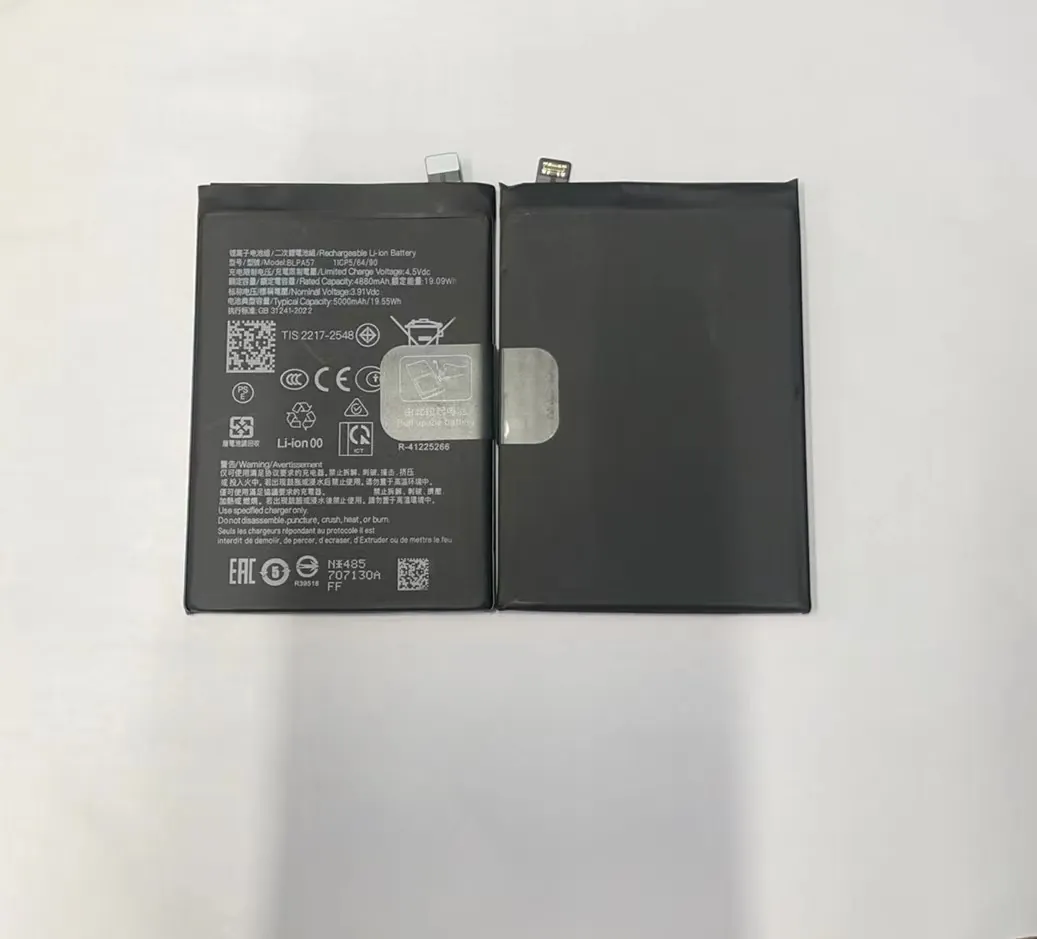
Battery capacity and charger output
Battery capacity is measured in milliamp-hours (mAh). A larger battery holds more energy. So it needs more time to charge fully. If a battery is 5000 mAh and you use a 10 W charger, it might take 3–4 hours. A 3000 mAh battery with the same charger may reach full charge in 2–3 hours.
Charger output matters too. A charger rated 5 W gives slower current than one rated 18 W or more. A low-power charger slows down charging a lot. So a small battery with a weak charger could still take 3 hours or more.
Phone design and internal resistance
Some phones use advanced battery protection circuits. These circuits slow charging as battery nears full to avoid damage. That means even if charger is strong, final 10–15% of charging may go slowly. This protects battery life.
Internal resistance inside battery also affects speed. If resistance is higher, battery heats up sooner and charging slows. Often new batteries have lower resistance, but design or brand may vary.
Temperature and environment
Battery works best in moderate temperature. Too cold or too hot slows charging. Cold makes battery resist current. Heat may trigger protective slow‑down. Room around 20–30°C (68–86°F) is best. If you charge in a very cold car or under sun, charging costs more time or may stop early.
Charging in stable temperature helps finish full charge reliably.
Summary view
| Factor | Effect on first-charge time |
|---|---|
| Battery capacity (mAh) | Larger battery → longer time |
| Charger output (W) | Higher output → faster charging |
| Phone protection circuit | Slows down near full → longer final phase |
| Temperature | Cold or hot → slower charging or cutoff |
Because of these factors, two identical phones in different conditions might finish the first charge at different times. Better to watch charging status than time alone.
Why shouldn’t you overcharge new batteries?
It might feel safer to keep charging until 100% even for new battery. But overcharging can reduce battery life and safety.
Keeping a battery at 100% for too long damages cells and shortens overall lifespan.
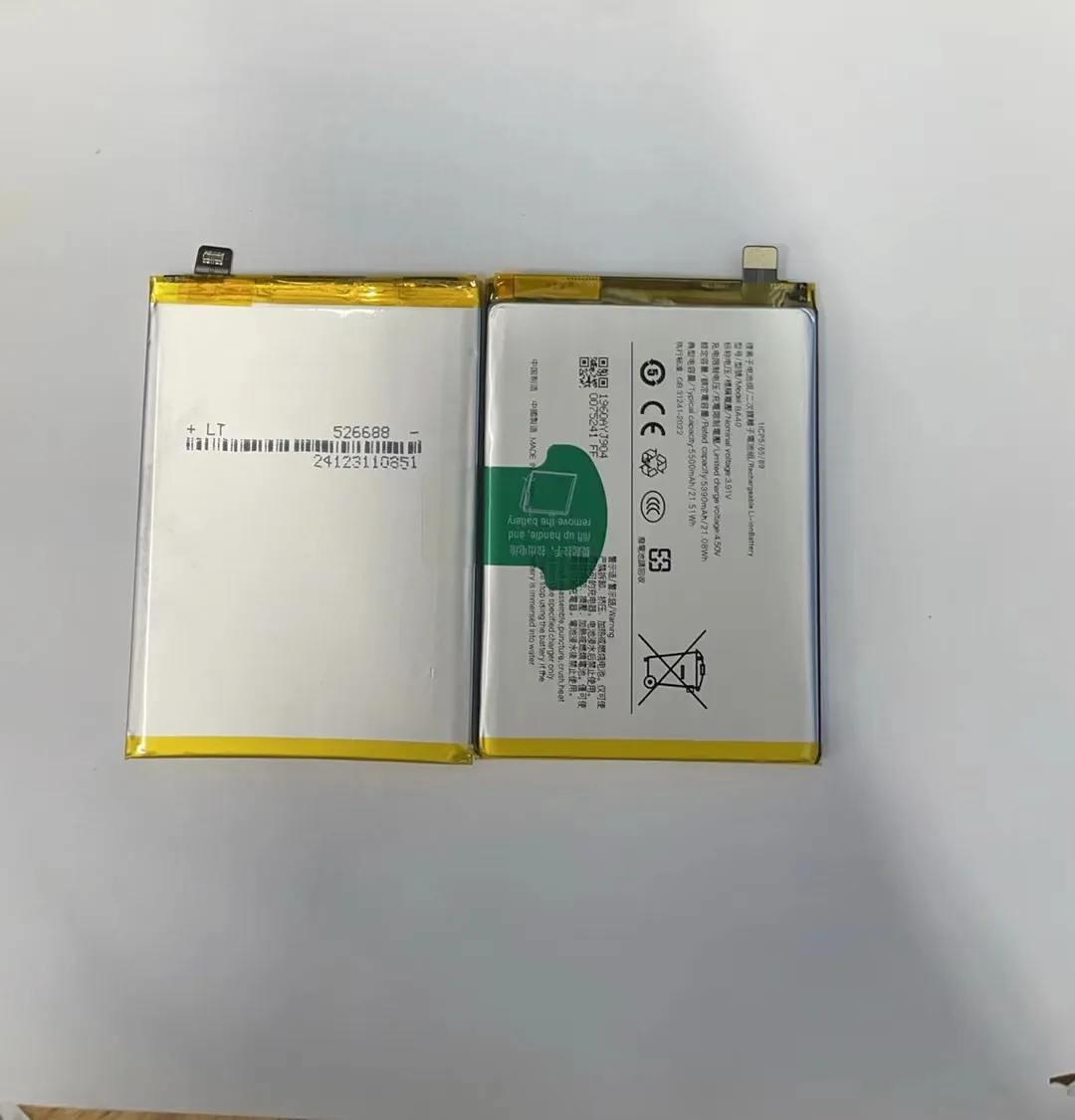
What happens when battery is full but charger stays connected
When a battery reaches full, charger circuit tries to stop further charging. But small trickle current or heat may persist. This keeps battery at high voltage for long. High voltage stresses lithium‑ion cells. Doing this often can reduce battery capacity over time.
Also, battery temperature may rise under full charge with current trickle. Heat plus high voltage speeds down battery health. Over time, you may see less hold time on a charge.
Battery chemistry and longevity
Lithium-ion batteries like a “middle zone” of charge. Staying around 20–80% is ideal for longevity. Constantly topping to 100% and leaving there stresses the battery. After many cycles, total capacity may drop faster.
For a new battery, first few charges matter; setting a bad habit may shorten useful life before you even notice.
Real‑world effect on battery life
Imagine a phone that could last 24 months before noticeable capacity drop. If you overcharge every night for 2 years, the battery might show significant wear by 18 months. That reduces its useful life and may frustrate users.
You don’t see damage immediately. You see slower battery drain or warm phone after heavy use. That reflects battery stress from past overcharging.
Table: Behavior vs Effect
| Charging Behavior | Effect on Battery |
|---|---|
| Unplug at ~100% and stable temp | Better long‑term health |
| Leave charging overnight often | Gradual capacity loss, heat stress |
| Use high current charger constantly to 100% | Cells wear faster, risk of swelling or failure |
Because overcharging harms battery health, it is wise to unplug soon after full charge. Do not keep charger connected for many hours.
How do fast chargers change first charge?
Fast chargers offer more power. They can fill battery faster. But they also change how we should treat first charge.
Fast chargers cut charging time but raise heat and stress, so first charge still needs care.
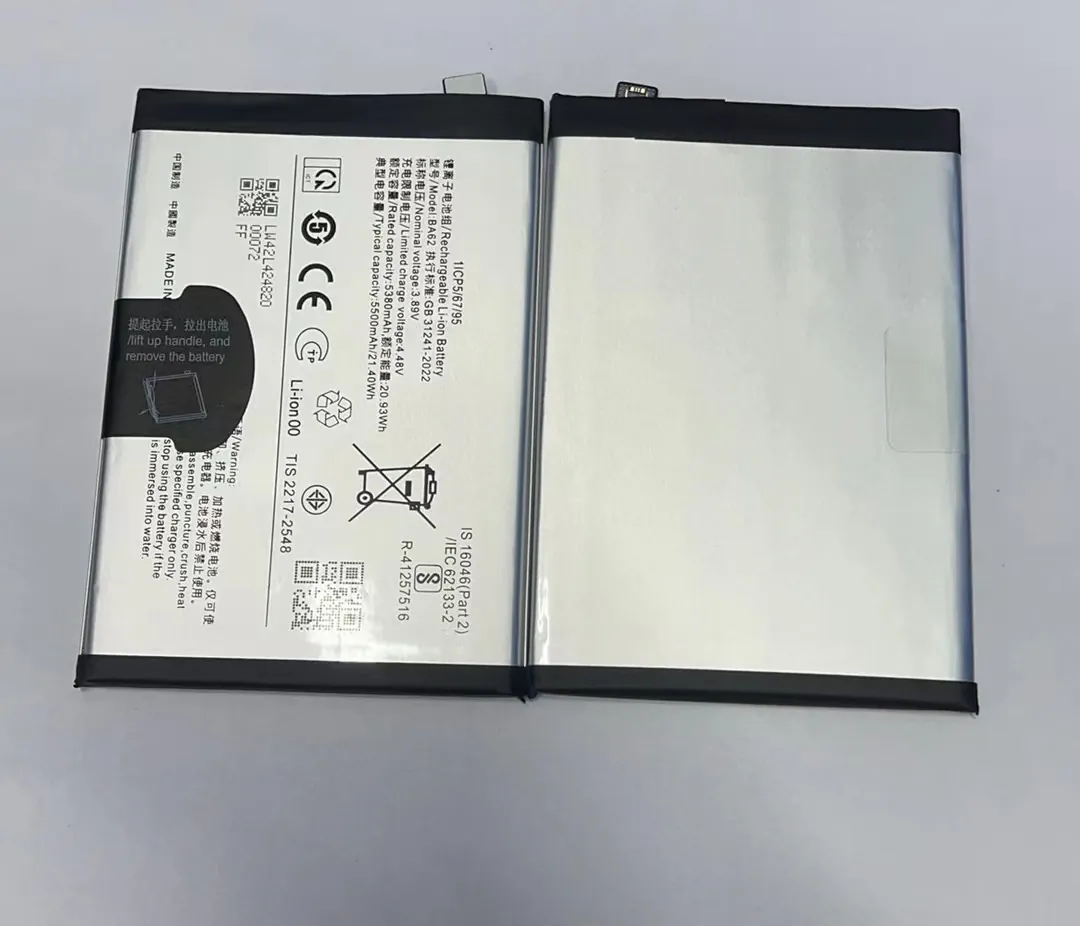
Benefit: quick charging
If a phone supports fast charging (like 18 W, 25 W, or more), it draws more current at start. This fills battery much faster. For example, a 4000 mAh battery may go from 0% to 50% in 30 minutes. First-time full charge might finish in 1.5–2 hours instead of 3–4.
Fast charger helps users save time. Especially useful if they want full battery quickly to set up their phone, install apps, restore data.
Drawback: more heat and stress
More current means more heat. High heat can increase internal battery resistance quickly. Battery protection may slow or stop charging to cool down. Sometimes fast charge cycles may end early or slow near full.
Heat plus fast charge may reduce long-term battery health. New batteries may handle it, but repeated fast charging—especially on first charge—adds stress.
What to do for first charge with fast charger
Use a fast charger only if phone supports recommended wattage. Monitor temperature during charging. If phone becomes warm, pause charging briefly or avoid fast charge next cycle.
It might be safer to slow‑charge first cycle using standard charger. That gives battery gentle start. Then later use fast charger when needed.
