

A new phone feels exciting, but battery worries appear fast. Many users fear doing something wrong on day one. One bad charge feels like it could ruin everything.
A new mobile phone battery usually needs a normal full charge of about 1.5 to 3 hours. Modern batteries do not need long first charges or special treatment.
Understanding how charging really works removes stress and helps the battery last longer.
Why initial charge matters?
Many people hear advice from the past. Long first charges sound important, but confusion remains.
The initial charge matters because it helps calibrate battery software, not because the battery needs activation or training.

The idea of a “first charge” comes from older battery types. In the past, batteries needed special care to reach full capacity. Today’s phones use lithium-based batteries, which work differently.
When a phone leaves the factory, the battery already has some charge. Manufacturers do this for safety and storage reasons. The battery is not empty, and it is not asleep. It is ready to use.
What matters during the first few charges is how the phone learns battery behavior. The phone software tracks voltage and charging levels. A full charge helps the system read accurate values.
What the first charge actually does
Helps battery calibration
The phone learns where 0% and 100% really are. This improves battery percentage accuracy.
Confirms charger performance
A normal full charge shows whether the cable and adapter work correctly.
Sets user habits
Early charging habits often continue long term. Good habits protect battery health.
What the first charge does NOT do
| Common belief | Reality |
|---|---|
| Activates the battery | Battery is active already |
| Increases real battery capacity | Capacity is fixed by design |
| Prevents future battery aging | Aging depends on long-term habits |
| Requires 8–12 hours charging | Not needed for modern batteries |
The first charge is about the system, not the chemistry. Charging normally is enough.
How long do modern batteries need?
Charging time depends on technology, not tradition.
Modern phone batteries usually need between 1.5 and 3 hours for a full charge, depending on charger power and battery size.
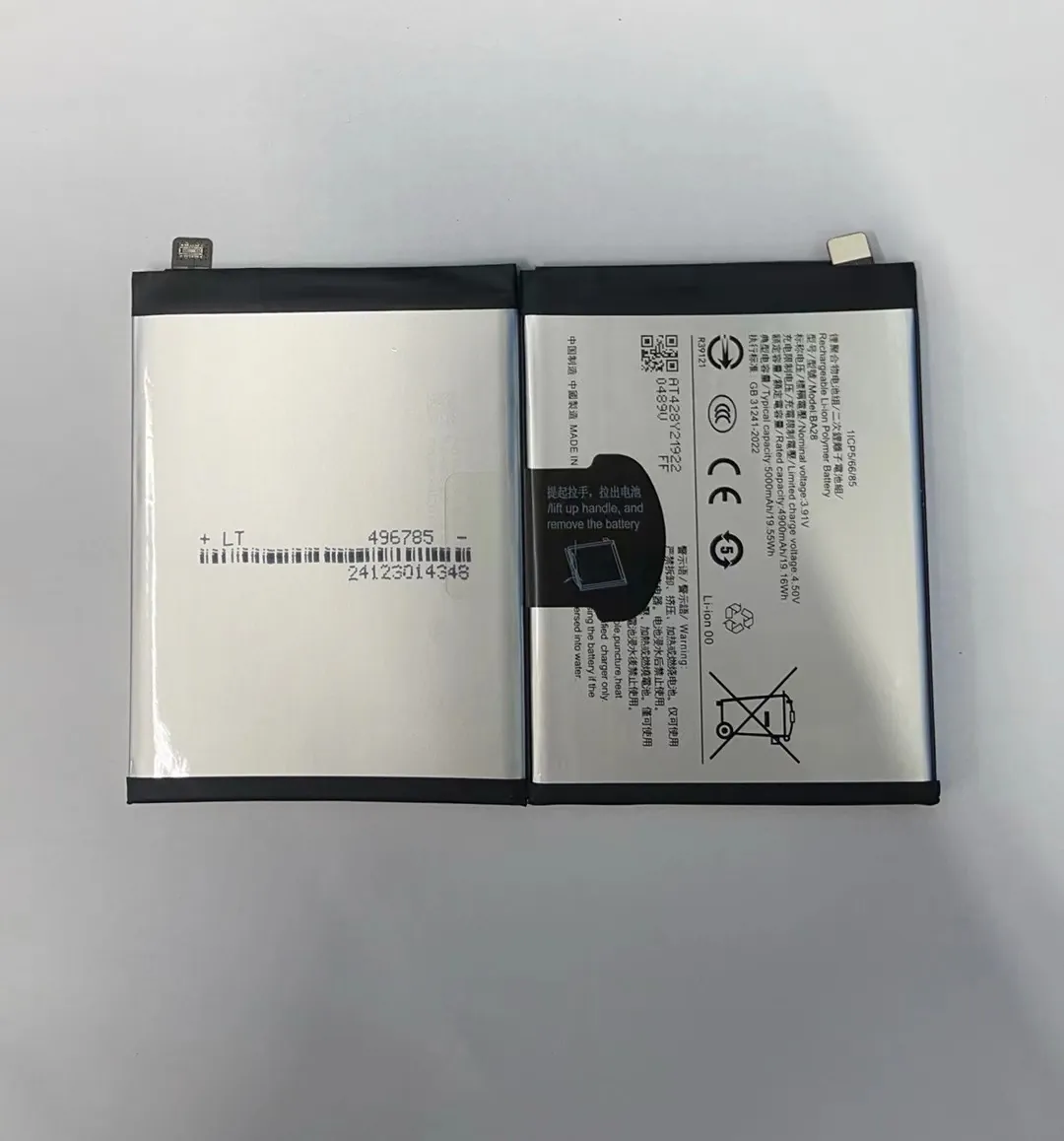
Most modern phones support fast charging. Some reach 50% in 30 minutes. Others charge slower to protect battery life. Charging speed depends on several factors.
Factors that affect charging time
Charger power
A 5W charger is slow. A 20W or higher charger is much faster.
Battery capacity
Larger batteries need more time to fill.
Charging technology
Fast charge systems adjust current based on battery temperature and level.
Phone usage during charging
Using the phone while charging slows the process.
Typical charging time ranges
| Charger Type | Power Output | Full Charge Time |
|---|---|---|
| Basic USB | 5W | 3–4 hours |
| Standard charger | 10–12W | 2–3 hours |
| Fast charger | 18–25W | 1.5–2 hours |
| Super fast | 30W+ | 1–1.5 hours |
When charging a new phone, it is best to let it reach 100% once. This does not need to be overnight. Once it reaches full charge, unplugging is fine.
Phones today stop charging automatically at 100%. They reduce current to avoid damage. Leaving the phone plugged in for a short time after full charge does not cause harm, but doing it every night for years adds stress.
What myths exist about first charging?
Battery myths spread fast and stay for years. Many of them are no longer true.
Common myths say new phone batteries need long first charges, full discharges, or special routines, but modern batteries do not follow these rules.
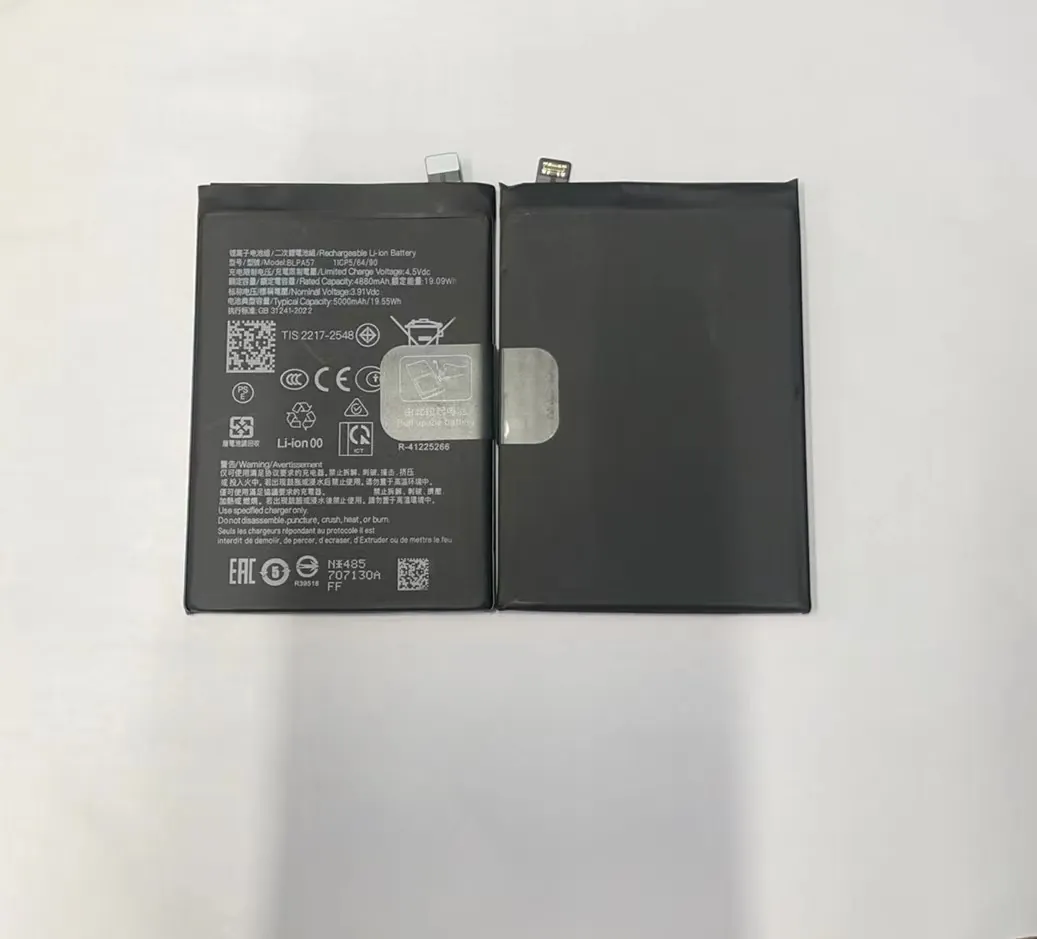
Most battery myths come from nickel-based batteries. Lithium batteries behave in a different way.
Common myths explained
Myth 1: First charge must be 8 to 12 hours
This is one of the oldest myths. It is no longer true. Phones stop charging when full. Extra time does nothing.
Myth 2: Battery must be fully drained before first charge
Deep discharge harms lithium batteries. Letting the battery drop to 0% often shortens lifespan.
Myth 3: Charging overnight damages the battery instantly
Occasional overnight charging is safe. The real issue is repeated heat and long-term stress, not one night.
Myth 4: First charge increases maximum capacity
Battery capacity is fixed during manufacturing. Charging cannot change it.
Myth vs fact table
| Myth | Fact |
|---|---|
| Long first charge is required | Normal charge is enough |
| Full discharge improves battery | Deep discharge causes wear |
| Overnight charging kills battery | Heat and time matter, not hours alone |
| Battery needs training | Software calibration is automatic |
These myths cause users to overthink charging. Simple habits work better than strict rules.
Which habits protect new batteries?
Battery health depends on daily behavior, not first-day rituals.
Healthy charging habits like avoiding extreme heat, partial charging, and quality chargers protect new batteries over time.
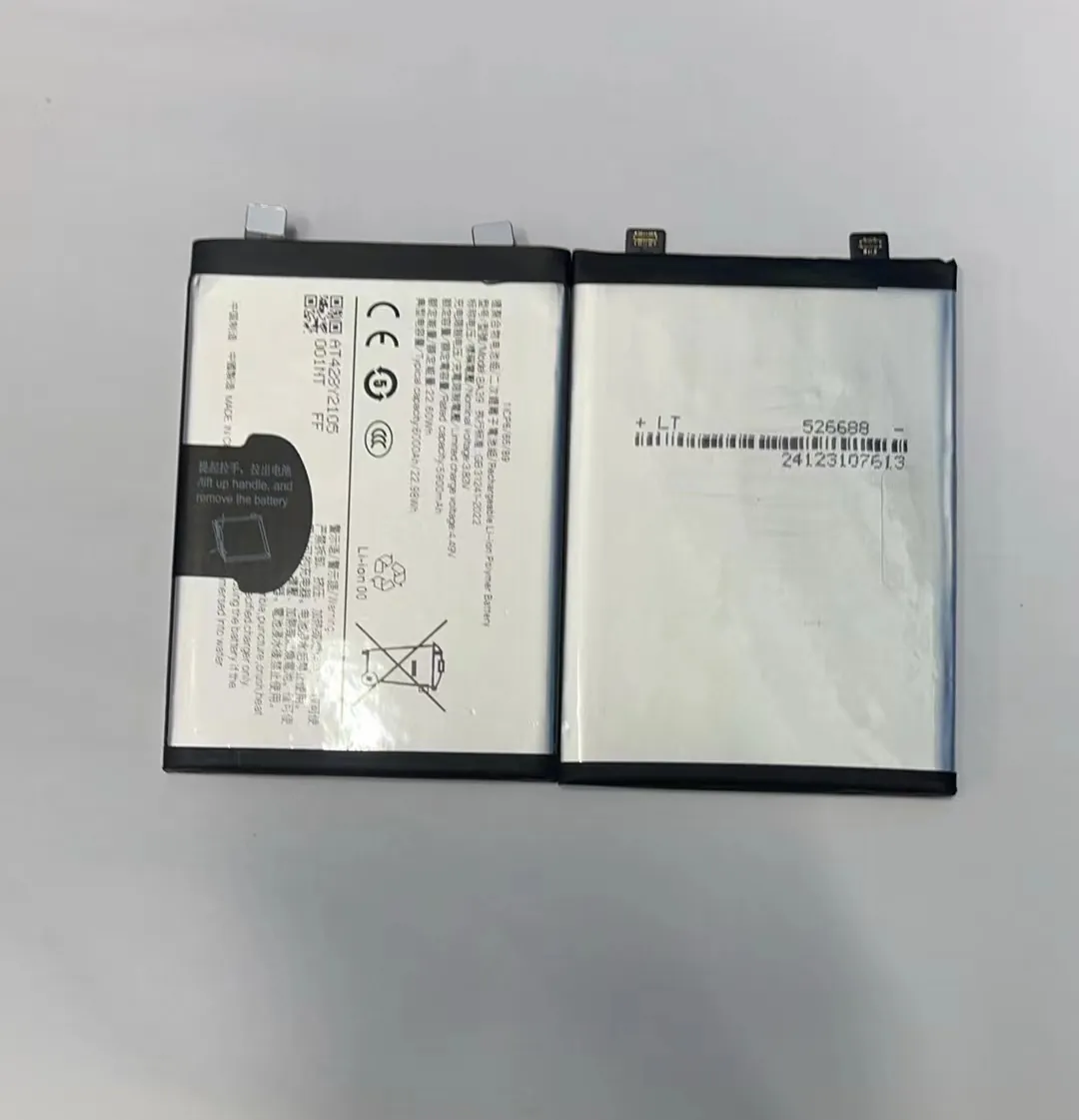
Lithium batteries age with use. This is normal. The goal is to slow the process, not stop it. Small changes in habits make a big difference over months and years.
Best habits for battery longevity
Avoid full discharge
Try to recharge before the battery drops below 20%. This reduces stress on battery cells.
Avoid constant 100%
Keeping the battery between 20% and 80% is ideal for long-term health.
Control heat
Heat is the biggest enemy of batteries. Avoid charging in hot places or under pillows.
Use quality chargers
Stable power reduces internal stress and overheating.
Remove thick cases while charging
Cases trap heat. Removing them during fast charging helps cooling.
Charging habit impact table
| Habit | Battery Impact | Long-Term Effect |
|---|---|---|
| Frequent deep discharge | Negative | Faster aging |
| Partial charging | Positive | Longer lifespan |
| Charging in heat | Very negative | Swelling and wear |
| Fast charging daily | Neutral | Safe with temperature control |
| Overnight charging daily | Slightly negative | Gradual capacity loss |
A new battery is strongest in its first months. Good habits during this period help preserve that strength.
Charging behavior matters more than brand or price. Even the best battery degrades quickly with poor habits.
Conclusion
A new mobile phone battery only needs a normal full charge, not long or special treatment. Modern batteries work best with simple habits, controlled heat, and smart charging routines that protect health over time.
