
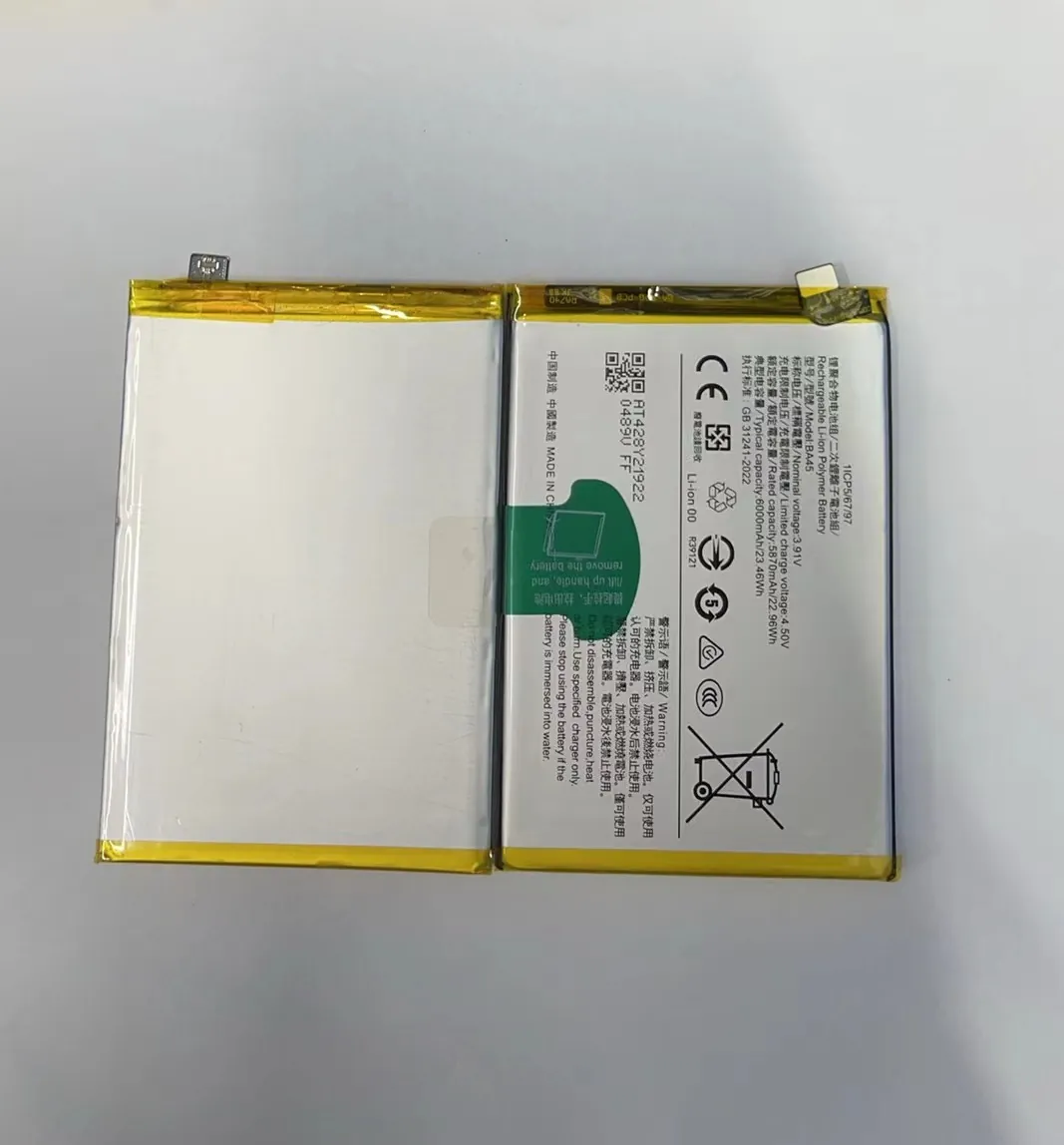
If you just bought a new phone, you might be wondering: should I charge it for 8 hours the first time? Or just unplug when it’s full?
The first time you charge your mobile phone battery, you only need to wait until it reaches 100%. Modern lithium batteries don’t need overcharging.
Many people still follow old advice when it comes to charging their phones for the first time. But battery technology has changed. Let’s break down what really matters during the first charge.
Why do first charges matter?
People often worry that their battery life will suffer forever if the first charge isn’t perfect. That creates unnecessary pressure and confusion.
The first charge matters less than people think. What matters more is how you treat the battery over time.
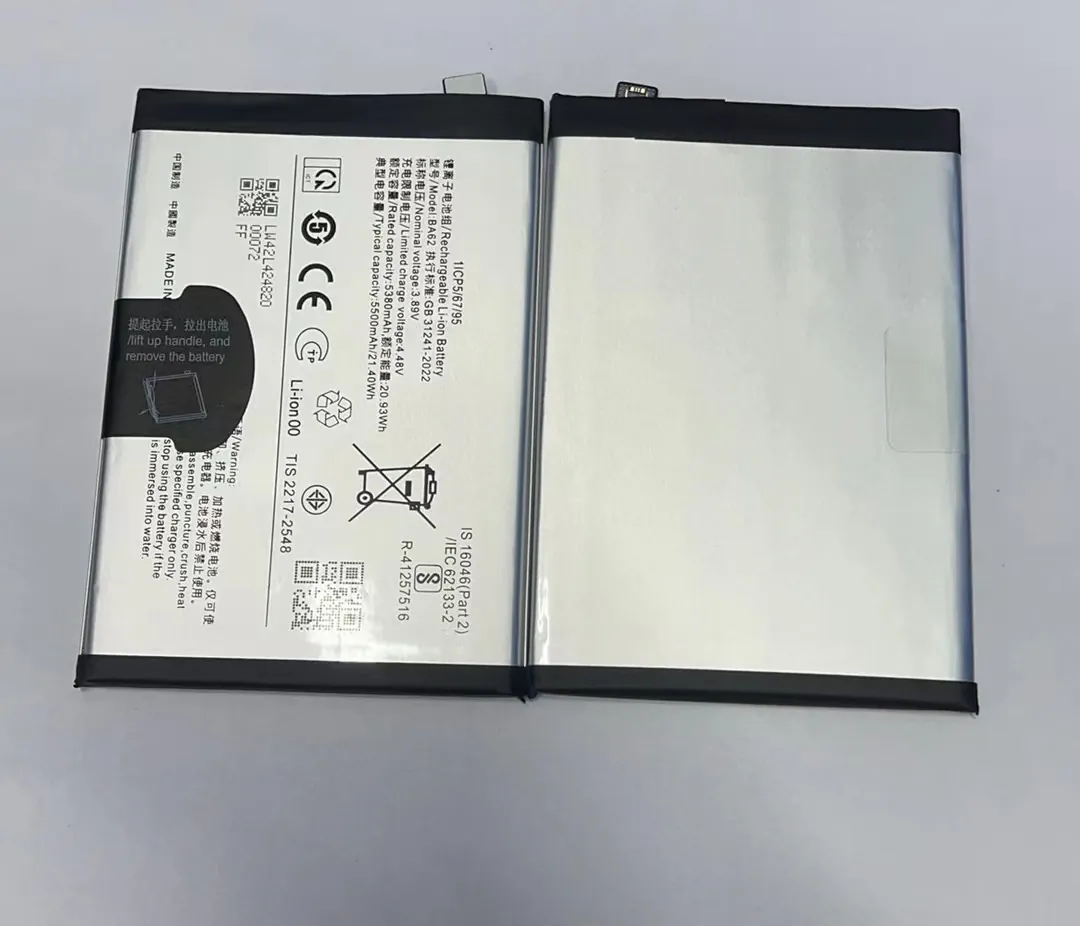
Modern smartphones use lithium-ion or lithium-polymer batteries. These batteries have smart charging circuits. They’re already partially charged at the factory, usually between 40% and 60%, which is ideal for storage.
What actually happens during the first charge?
The first charge is about convenience, not calibration. Years ago, nickel-cadmium batteries required full charges and discharges to maintain accuracy in battery percentage. But lithium batteries are different.
They don’t have a memory effect. They don’t need full charges. And they’re shipped in a safe voltage range, so your first use won’t damage them.
Does charging longer the first time help battery health?
No. Leaving the phone charging overnight or for 8 hours the first time won’t improve anything. Once the battery hits 100%, the charging stops. Your phone uses trickle charging to maintain the level, but it’s not charging continuously.
Common misconception: Some people think longer first charges improve “battery memory.” That’s not true for lithium-ion. It was true for older battery types.
Let’s look at some key comparisons:
| Battery Type | Needs First-Time Full Charge? | Has Memory Effect? | Modern Use? |
|---|---|---|---|
| Nickel-Cadmium | Yes | Yes | No |
| Nickel-Metal Hydride | Yes | Slightly | Rare |
| Lithium-Ion | No | No | Yes |
| Lithium-Polymer | No | No | Yes |
If your phone is new and uses a lithium-based battery (which it almost certainly does), you don’t have to do anything special.
How long do modern batteries require initially?
People want a number: 8 hours? 4 hours? 100%? The confusion starts with old habits passed down from older devices.
Modern mobile phone batteries require only enough time to reach full charge, usually 1 to 2 hours depending on the charger.

Most new phones come with fast charging enabled. With a compatible charger, you can go from 0% to 80% in 30 to 45 minutes. The last 20% charges more slowly to protect battery health.
Factors that affect first charge time:
- Battery size: A 5000mAh battery takes longer than a 3000mAh one.
- Charger speed: A 5W charger is much slower than a 65W one.
- Cable quality: Low-quality cables reduce charging speed.
- Phone settings: Some devices throttle charging to reduce heat.
Here’s a general guideline:
| Battery Size | Charger Wattage | Approximate Time to Full Charge |
|---|---|---|
| 3000mAh | 5W | 2.5 – 3 hours |
| 3000mAh | 18W | 1 – 1.5 hours |
| 5000mAh | 5W | 4 – 5 hours |
| 5000mAh | 65W | 45 minutes – 1 hour |
The first charge will follow the same timing as regular charges. There’s no need to “charge extra” just because it’s the first time.
What myths exist about first charging?
Some myths just won’t die. Parents still tell their kids to charge for 12 hours the first time. Some stores even recommend it. Let’s clear the air.
Many first-charge myths are based on outdated battery technology and don’t apply to modern lithium batteries.

Common myths and truths:
Myth 1: You must charge 8 hours the first time
Truth: That was true for old nickel-based batteries. Today’s lithium batteries don’t need that.
Myth 2: First charge sets battery lifespan
Truth: Lifespan depends on charge cycles, heat, and usage—not the first charge.
Myth 3: Always let the battery drain completely
Truth: Deep discharging shortens battery life. Lithium batteries prefer shallow cycles.
Myth 4: Overnight charging damages the battery
Truth: Phones have smart charging. They stop charging at 100%.
Some people also believe fast charging is dangerous for batteries. That depends on the phone and charger. If your phone supports fast charging, it’s safe to use.
But using a non-original charger may cause heat or even damage. Always stick to certified chargers and cables.
Which practices optimize first use?
You may not need to charge for 8 hours. But that doesn’t mean you shouldn’t care at all. The first few days set habits.
For the first use, avoid overheating, charge to 100%, and use a quality charger. These habits protect battery health from the start.
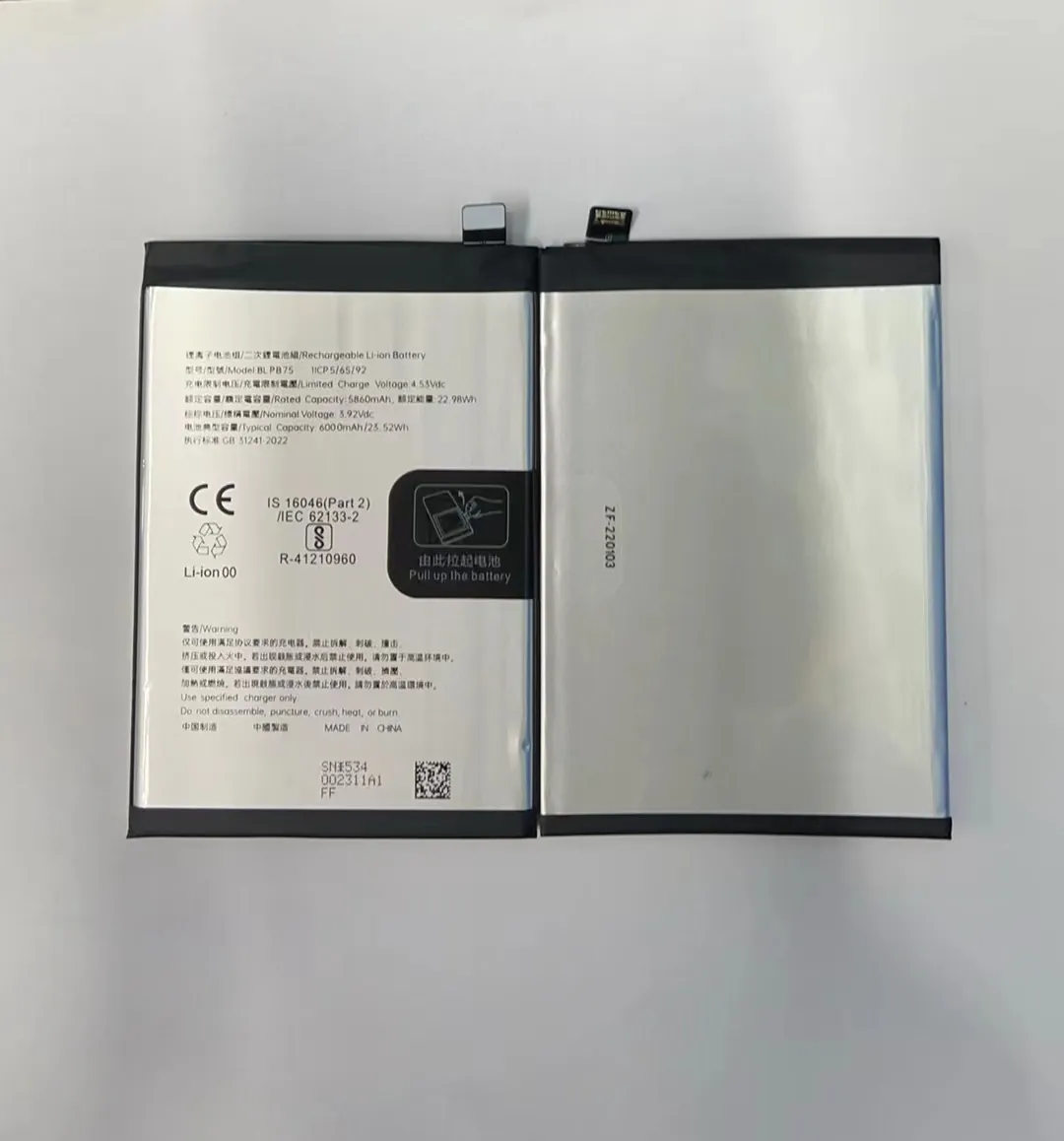
Tips for optimizing first charge:
-
Unbox and check battery level
Most phones come with 40%–60% charge. That’s ideal. If the battery is lower, plug it in. -
Use the original charger
The charger in the box is made for your phone’s battery specs. -
Avoid heavy use during charging
Using the phone heavily while charging causes heat. Heat is the enemy of battery life. -
Charge to 100%, but don’t wait extra
Unplug when it’s full. Charging longer doesn’t help. -
Don’t drain to 0%
If the phone warns you at 10% or 15%, charge it. Letting it shut down every time shortens battery life. -
Set up battery saver early
Use your phone’s built-in battery settings. They help you track usage and optimize performance.
What to avoid:
- Using knock-off or low-quality chargers
- Charging in high heat (like in direct sun or hot car)
- Charging inside thick, non-ventilated cases
- Full discharges to 0% frequently
Following these small steps early on makes a difference over months and years. Think of it like taking care of your car engine from day one.
Conclusion
You don’t need to overthink the first charge of your phone. Just charge it fully with a good charger, avoid heat, and begin using it normally. Today’s batteries are smart enough to take care of the rest.
