
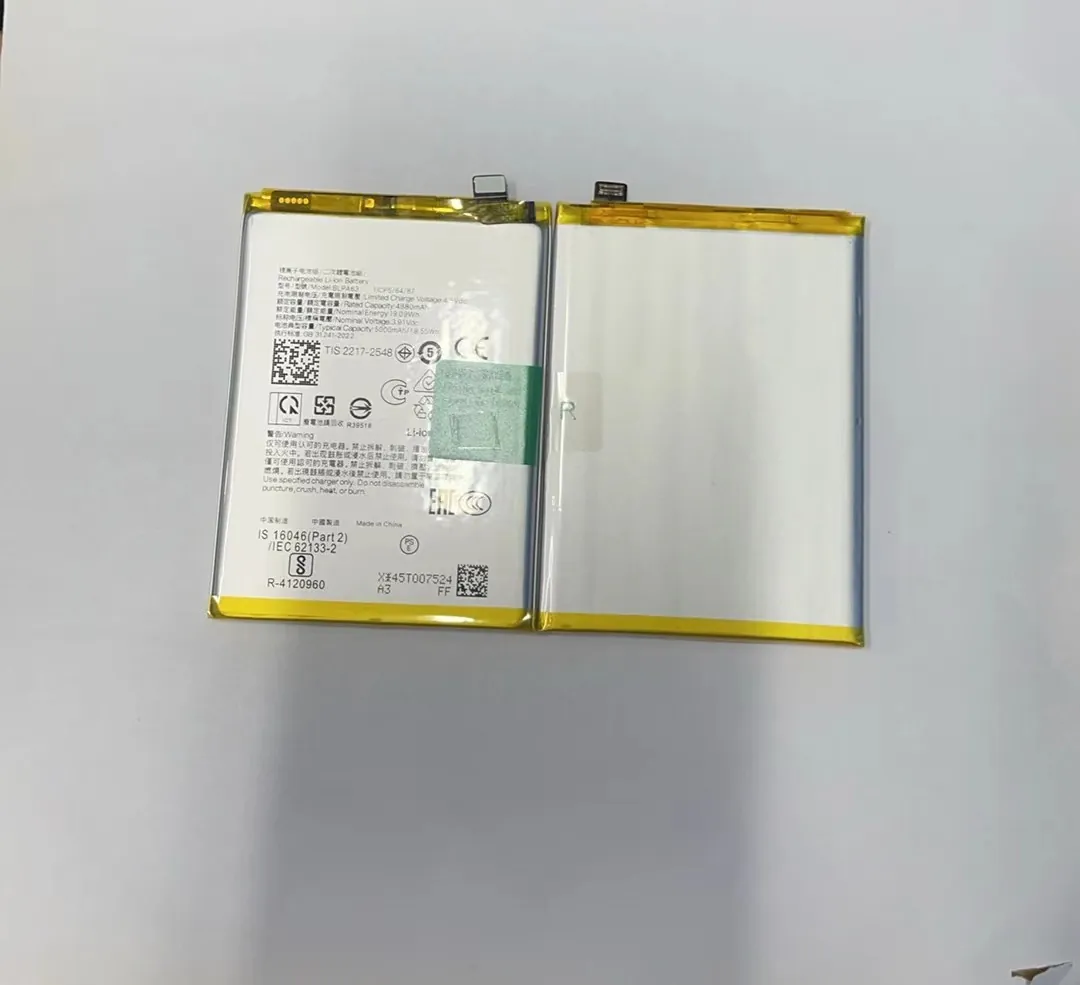
I see many phone batteries. Some look thick. Some look thin. I wonder: how many cells are inside them?
The number of cells in a phone battery depends on design choices like capacity, size and required voltage. Different phone models may use one or more cells inside a battery pack.
This article explains how cell count is decided. It shows how cells affect performance. It answers whether single‑cell batteries are better. It also shows why some batteries have many cells.
If you care about battery quality, this will help you understand what is inside your phone battery.
What determines the number of cells in a phone battery?
I ask: why some batteries have more cells inside? It depends on many parts of battery design.
Main factors like size limits, required voltage, energy capacity, and safety shape how many cells appear in a battery pack.

Here are key factors that decide cell count.
Key factors and their effects
| Factor | How it shapes cell count |
|---|---|
| Physical space available in phone | More space can fit more or larger cells. Thin phones often only fit one cell. |
| Desired battery capacity (mAh / Wh) | Higher capacity needs more cells or larger cells. |
| Voltage and current requirements | Some phones need higher voltage or current. That can require multiple cells in series or parallel. |
| Manufacturing cost and complexity | More cells raise cost and complexity. Designers use minimal cells if possible. |
| Heat and safety constraints | Many cells produce more heat. Designers avoid too many cells if heat is a worry. |
Phone makers pick a cell count after they balance these factors.
Phones with small size and thin body often use a single cell battery. Mid‑size or large phones may use two or more cells. Some phones need high capacity or fast charging. Then they use multiple cells.
Manufacturers also weigh cost. More cells cost more to assemble. They also need better quality control. For lower cost, designers may use fewer, larger cells.
Finally safety rules shape choices. If too many cells create heat or risk, designers may avoid that. They may choose fewer but safer cells.
So cell count is not random. It is a design decision. It depends on space, battery life target, voltage needs, heat, and cost.
How do battery cells affect performance and capacity?
I see people ask: does more cells mean better battery life? The answer is yes — but more detail matters.
More cells generally let a battery store more energy and deliver stable power. That increases phone run time and supports higher performance.

Using more cells or larger cells raises capacity. That helps phone last longer between charges.
Effects of cell count on capacity and performance
Phones need electricity when running apps, display, radio, and CPU. If battery has more energy, phone can run longer. Multiple cells increase total stored energy.
If cells are arranged in series or parallel networks, they affect voltage and current. Good voltage helps CPU and screen run smoothly. Higher current helps features like fast charging or heavy CPU loads.
Also battery life stability improves. Multiple smaller cells share the load. Heat spreads over more cells. Cells stay cooler. Cooler cells often last longer.
Phones with many cells can use smaller cells that deliver power gently. That reduces stress on each cell. That can extend battery lifespan over many charge cycles.
On the other hand, single large cell may deliver same capacity. But it may heat more under heavy load. Heating can reduce lifespan or cause throttling.
More cells also help maintain stable supply when phone has bursts of power draw. For example when camera flash, or wireless antenna, or CPU spikes. Multi‑cell pack can supply that without voltage drop. That keeps performance stable.
But there is cost. More cells make manufacturing harder. Packs need careful assembly and quality check. More cells mean more battery management steps.
Many cells also may increase risk of cell imbalance over time. If one cell degrades faster, overall capacity drops. Good battery management systems must balance cells.
In short, more cells tend to improve capacity, stability, performance under load, and lifespan. But they require better design, cost more, and need proper management.
Are single-cell batteries better for smartphones?
Some phones use one big cell. People wonder if that is good. The answer depends on trade‑offs.
Single‑cell batteries may be simpler and lighter. They can fit slim phones. But they may limit capacity and thermal performance compared with multi‑cell packs.
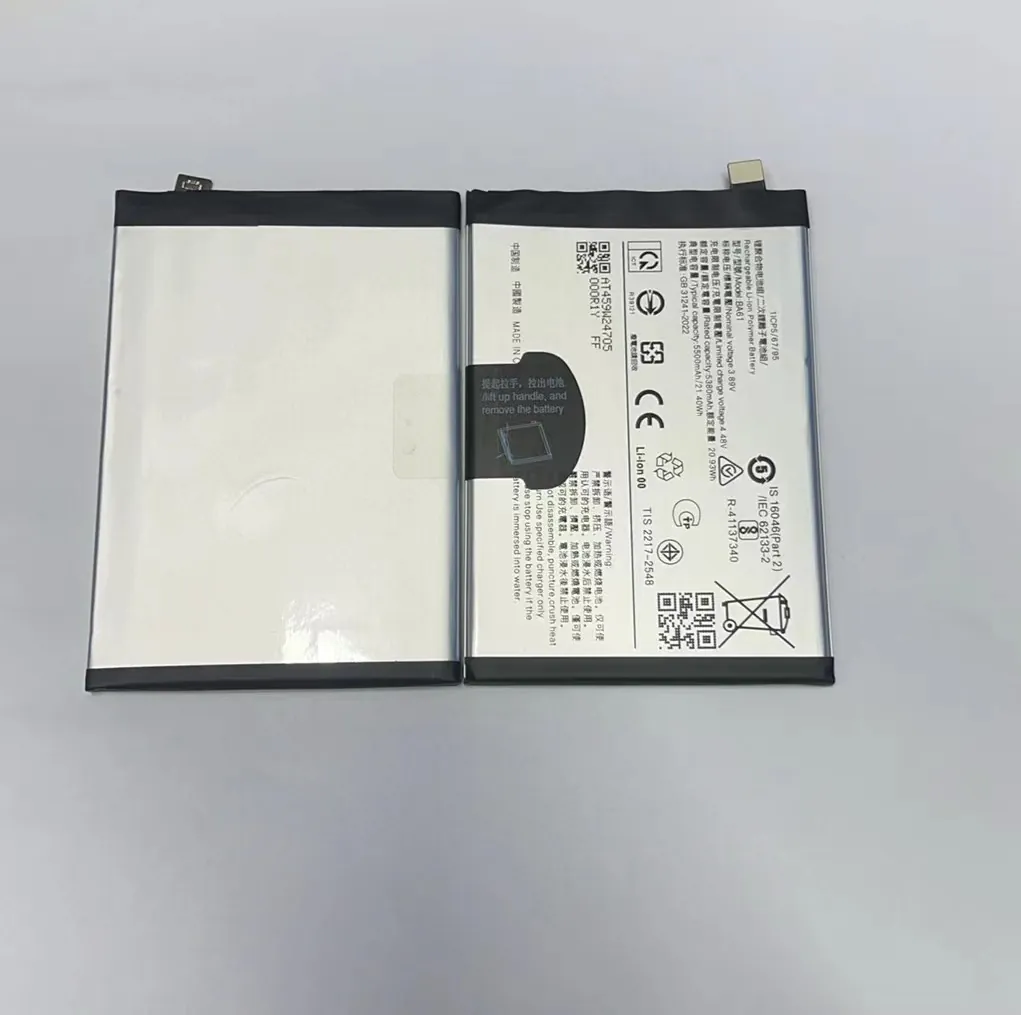
Here is a comparison between single‑cell and multi‑cell designs.
| Battery type | Pros | Cons |
|---|---|---|
| Single‑cell | Simple design. Lower cost. Thin and light. Easy to assemble. | Lower capacity or larger cell bulk. Heat builds in one spot. Voltage or current may be limited. |
| Multi‑cell | Higher capacity. Better heat spread. Stable voltage under load. Better for long life or heavy use. | More complex. Higher cost. Larger pack. Needs careful balance. |
When single‑cell works well
Single‑cell battery fits phones with small or thin body. If phone uses moderate power — few hours of screen-on time — single cell is ok. Lightweight phones often use single-cell pack. That keeps phone thin.
Manufacturers choose single cell to save cost and space. They also avoid the complexity of putting many cells together. For budget phones, single cell meets needs.
If user charges phone once a day and usage is light (social apps, calls, messaging), single cell gives enough battery life.
When single‑cell has limits
If phone runs heavy tasks — gaming or video — battery drains fast. Single cell may not supply high current well. Also it may heat up quickly. Heat reduces battery life and may slow phone.
Phones with large displays or 5G radios need more power. Single cell may not give enough energy for full day use.
If phone supports fast charging, multi‑cell helps. Multi‑cell can accept high current split across cells. That reduces heat per cell. Single cell under fast charge may overheat. That hurts battery life.
In short, single‑cell battery is fine for basic phones. It keeps things simple. But for high-use phones, multi‑cell pack brings better capacity, performance, and longer lifespan.
Why do some phone batteries contain multiple cells?
I ask: why do makers pack many cells inside one battery shell? There are several reasons.
Manufacturers use multiple cells when they need high energy, high power output, or fast charging while keeping size manageable.
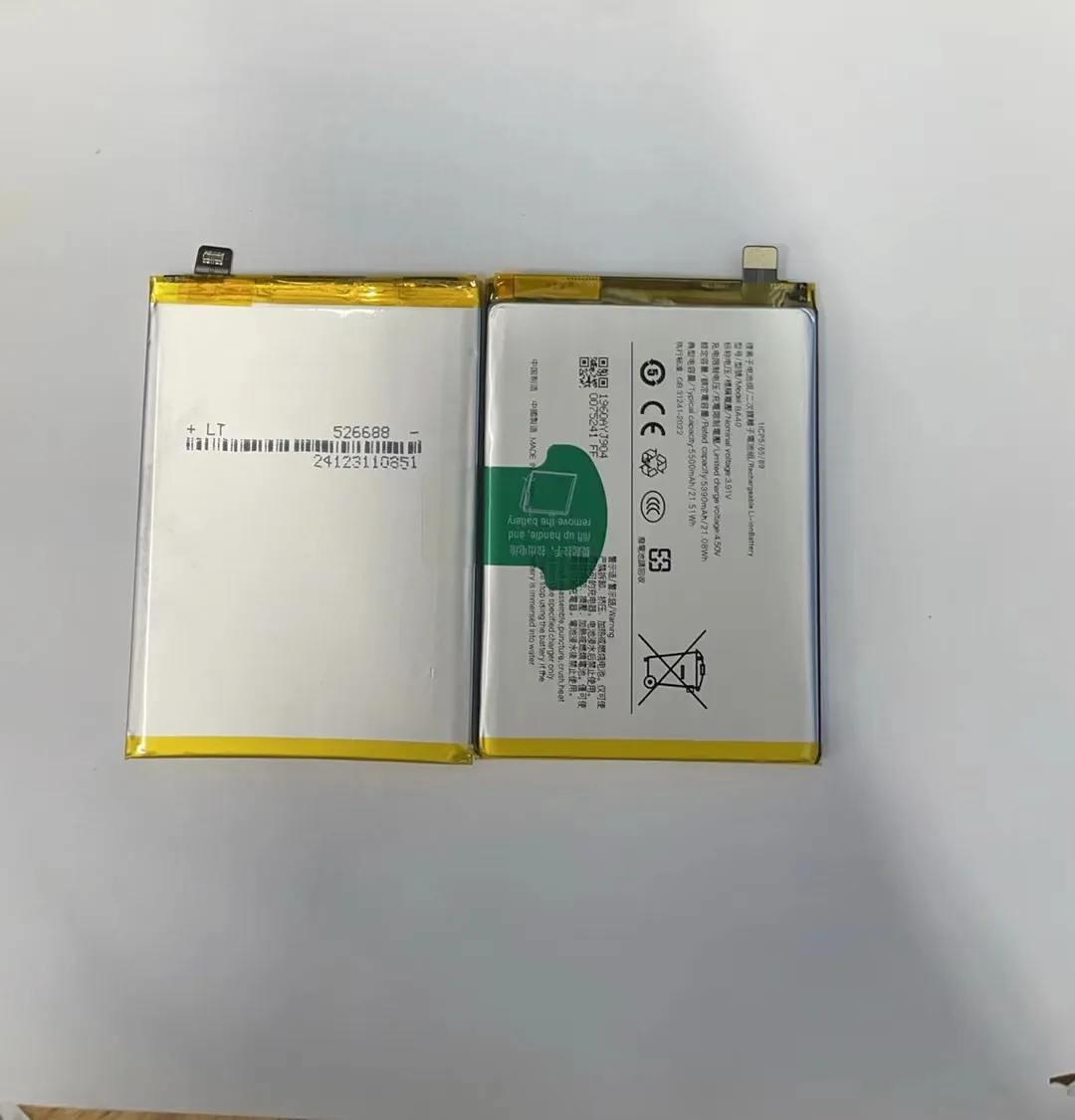
Here are main reasons for multi‑cell battery packs.
Reasons behind multi‑cell batteries
High capacity demand
Modern phones run many apps, big screens, cameras, GPS, wireless radios. They need a lot of power. To give enough juice for a full day or more, battery must store high energy. Using multiple cells lets designers stack capacity without one huge cell.
Thermal and power stability
During heavy use, phone draws large current. If one cell must deliver all current, it can heat up. Heat hurts battery life. Using several cells spreads the current load. That reduces heat. It keeps voltage stable. It helps phone run smoothly.
Size and shape constraints
Phone bodies have limited space. Using multiple smaller cells lets designers shape pack to fit curves or thin layers. One large cell may not fit shape well. Multi‑cell pack can fill odd space better.
Fast charging and discharge needs
For fast charging, battery must accept large current. Multi‑cell pack can split current across cells. That reduces stress on each cell. That means safer charging with less heat. For phones needing quick charging, multi‑cell helps.
Longevity and cycle life
Batteries degrade slowly over many charge cycles. Multi‑cell lets each cell operate under less stress. That slows degradation. Battery stays healthy longer.
Redundancy and safety
If one cell fails or degrades, others may still work. That helps avoid sudden drop in capacity. Good battery management can isolate weak cells. That improves overall battery reliability.
How battery pack is built
Battery pack uses cell arrays. Cells may connect in series or parallel. That gives desired voltage and capacity. For example phone may need 3.8 V nominal voltage. Two cells in series give more voltage. Then cells in parallel give more capacity.
Internal circuit monitors each cell. It balances charge across cells. It prevents overcharge or overdischarge. That ensures safe use.
Physical design must seal and cushion cells. Pack must resist pressure, heat, shocks. Quality control is essential. Poor assembly may cause short circuits. That leads to battery failure or safety risk.
In a multi‑cell pack produced by a good manufacturer, each cell is tested before assembly. Then pack tested again after. That catches weak cells early. Good packs show low defect rate.
Given all this, many modern phones use multi‑cell packs. It matches energy needs, design shape, and prevents overheating. It supports fast charging. It extends battery life over time.
Conclusion
Understanding cell count helps you judge battery quality. Single‑cell packs suit simple phones. Multi‑cell packs suit power‑hungry, high‑use smartphones. Choose based on your use.
