
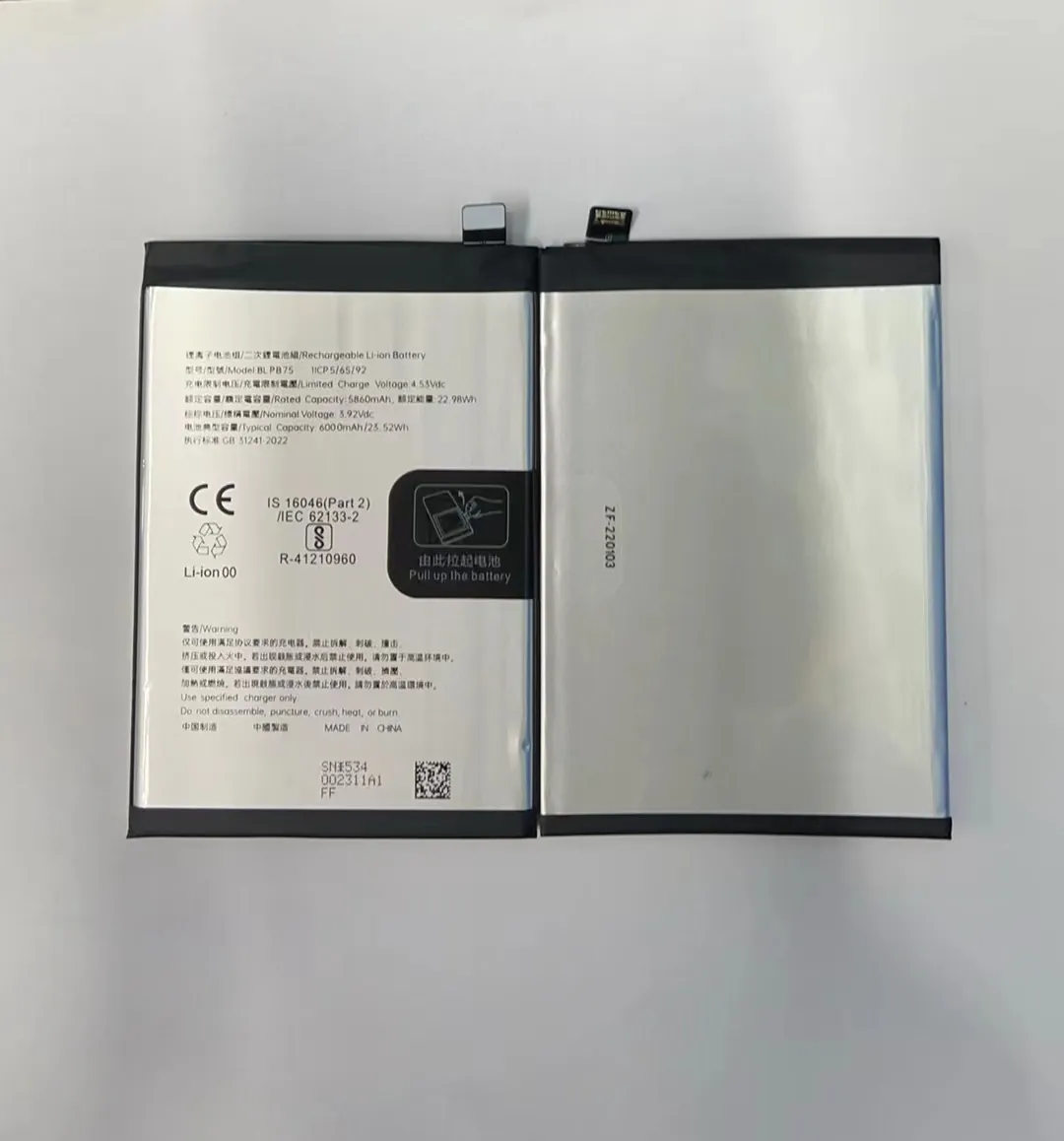
Most mobile phone users expect their batteries to last forever—until one day, they don’t. That slow charge, quick drain, and random shutdown start to signal the end.
A mobile phone battery typically lasts 2 to 3 years under normal usage before significant performance degradation becomes noticeable.
If you're wondering how long your phone battery will survive and what factors affect its lifespan, keep reading. We’ll explore the average battery life, the truth about fast charging, how to track battery health, and why batteries eventually die out.
What’s the average battery lifespan in years?
Most people believe their battery should last as long as the phone itself. Unfortunately, that’s rarely the case.
On average, mobile phone batteries last 2 to 3 years, depending on usage patterns and charging habits.
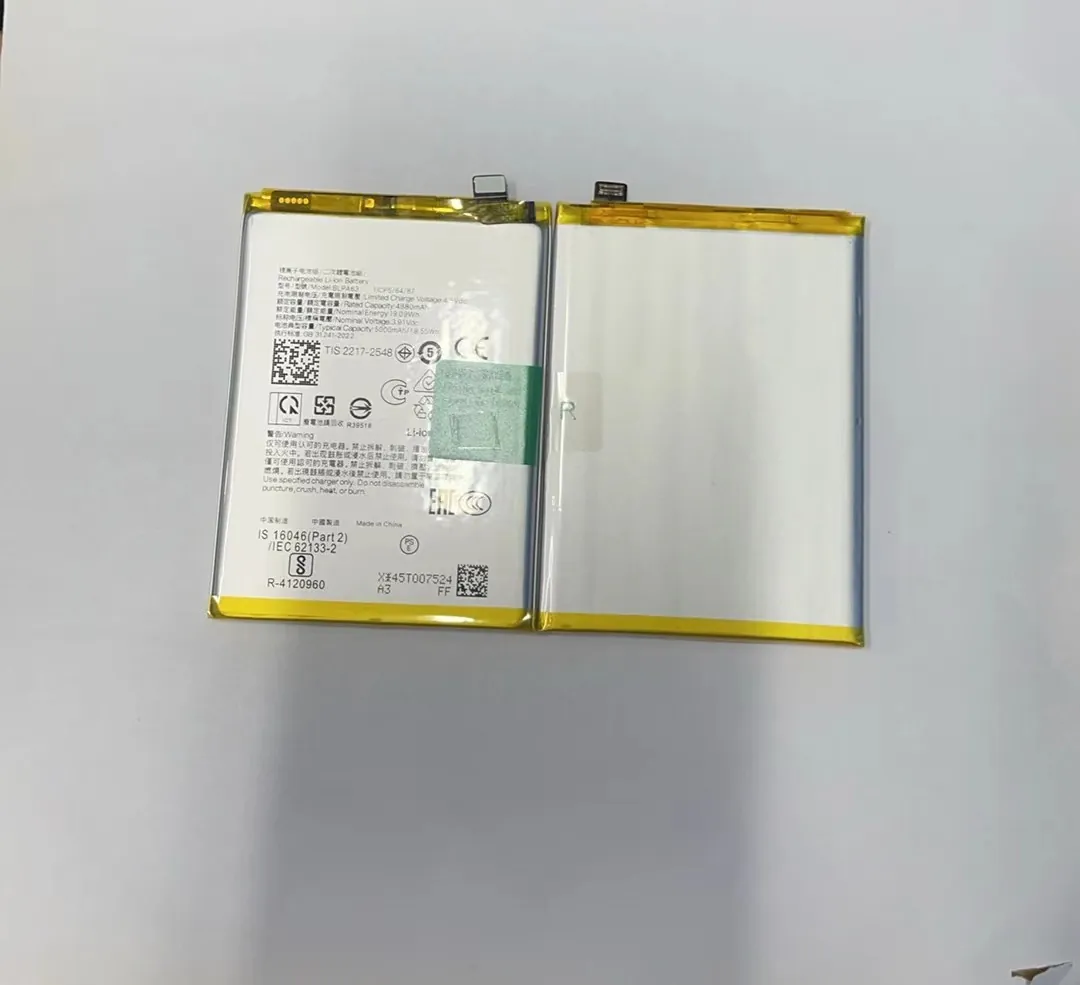
The main type of battery used in modern smartphones is lithium-ion. These batteries are efficient but have a limited number of charge cycles. A charge cycle means using 100% of the battery's capacity, not necessarily all at once. For example, using 50% today and 50% tomorrow equals one full cycle.
Typical Battery Cycle Lifespan
| Battery Type | Average Charge Cycles | Estimated Lifespan |
|---|---|---|
| Li-ion | 300–500 | 2–3 years |
| Li-poly | 500–700 | 2.5–3.5 years |
The battery starts to degrade when the number of cycles increases. After about 500 cycles, most batteries can only hold about 80% of their original capacity. That’s when users begin to notice performance issues—apps take longer to open, the phone restarts under heavy load, or it dies with 20% left.
Environmental factors like heat also play a role. Leaving your phone in a hot car or charging it under your pillow can accelerate aging. So while 2–3 years is the average, good care might extend it slightly.
Does fast charging reduce long-term battery life?
Fast charging feels like magic. You plug your phone in, and in minutes it’s already over 50%. But is there a hidden cost?
Yes, fast charging can slightly reduce long-term battery health due to increased heat and stress during charging.
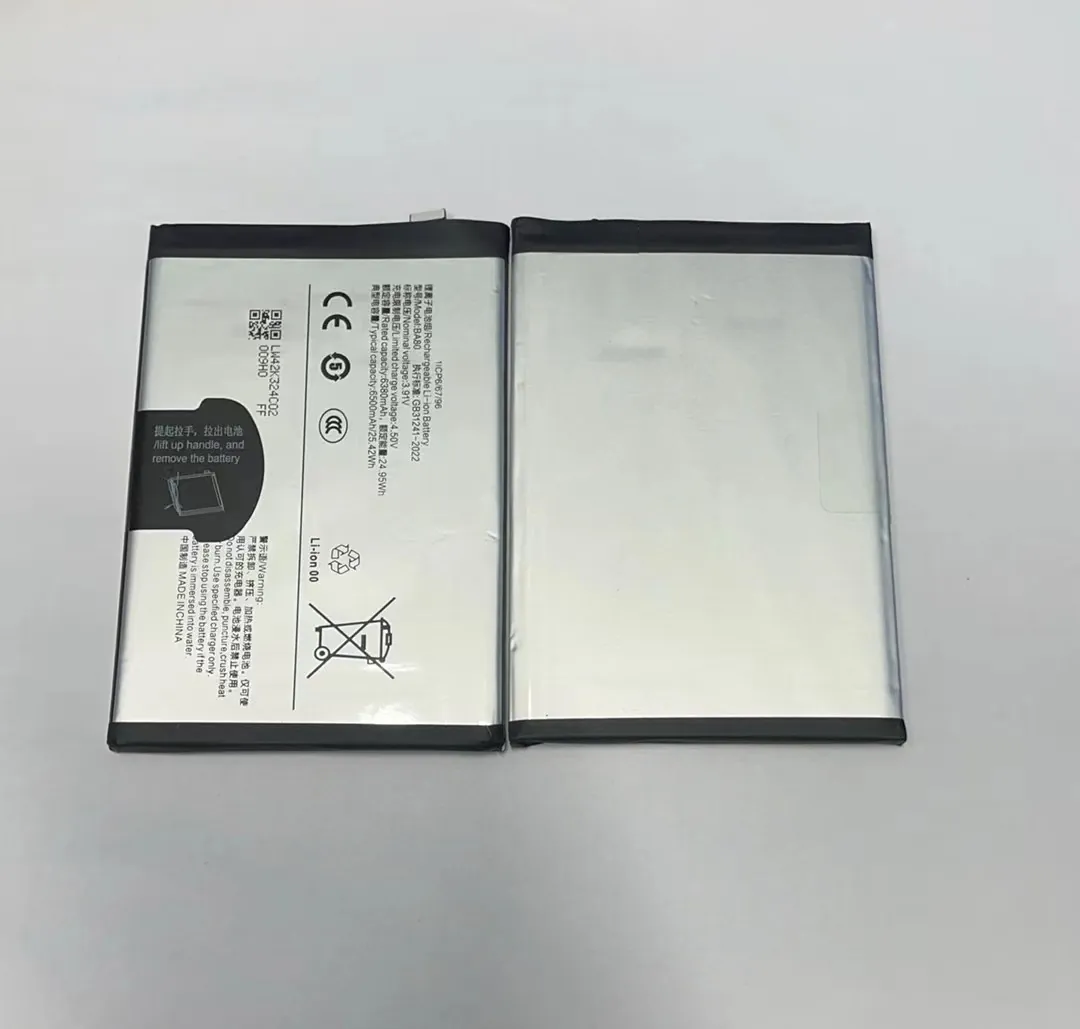
Fast charging works by increasing the amount of current or voltage sent to the battery. It fills up a large portion of the battery very quickly, especially in the first 30 minutes. However, that process generates more heat. And heat is a battery’s worst enemy.
How Fast Charging Impacts the Battery
| Charging Type | Time to 50% | Heat Generation | Battery Wear |
|---|---|---|---|
| Normal Charge | 40–60 mins | Low | Minimal |
| Fast Charge | 15–30 mins | High | Moderate |
The battery management systems in modern phones help reduce the damage by slowing down charging after 80%. Some phones even let you disable fast charging manually.
Still, if you fast charge once a day, the cumulative heat could shorten your battery's lifespan by a few months over several years. But for most users, the convenience outweighs the cost. The damage is gradual, not immediate.
A good compromise is to fast charge only when necessary—like during travel or emergencies. For overnight charging, use a standard slow charger.
Can battery health be tracked over the years?
When a phone starts acting up, one of the first questions is whether the battery is the problem. But how do you actually check battery health?
Yes, battery health can be monitored using built-in settings or diagnostic apps, especially on iOS and newer Android phones.
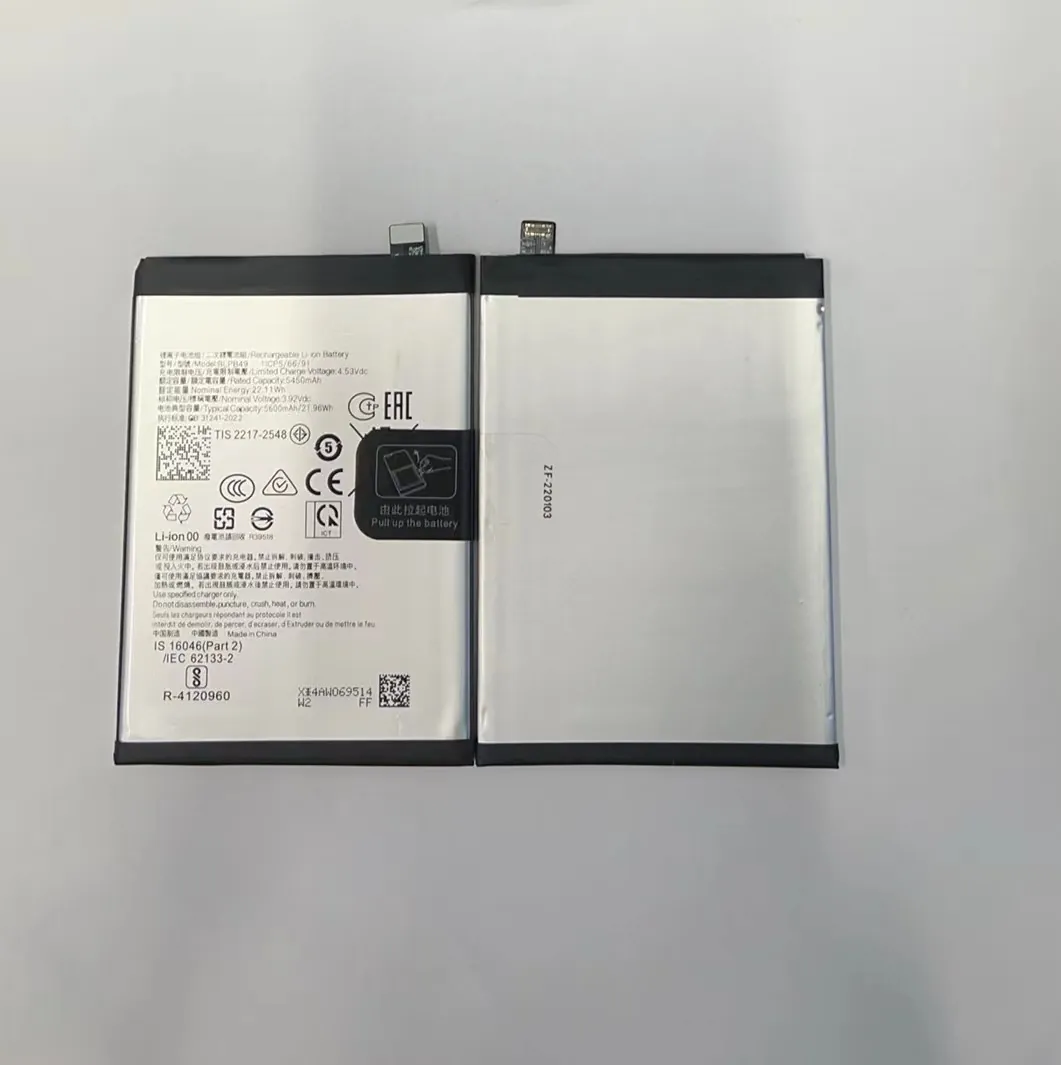
On iPhones, it's easy. Just go to Settings > Battery > Battery Health. You’ll see a percentage showing your battery’s maximum capacity compared to when it was new. If it’s below 80%, replacement might be needed.
Android phones are more varied. Some brands, like Samsung, offer battery diagnostics in their “Device Care” section. Others require third-party apps like AccuBattery.
Common Battery Health Indicators
| Indicator | What It Means |
|---|---|
| Maximum Capacity (%) | Remaining capacity compared to new |
| Charge Cycles | Number of times the battery recharged |
| Voltage and Temperature | Helps spot overheating or damage |
Tracking health lets you understand when performance dips are caused by the battery. It also helps avoid sudden shutdowns or poor charging behavior. Regularly checking this data lets you plan for a replacement before things get worse.
Besides built-in tools, some users invest in hardware testers or use USB power meters to monitor charge flow. While not necessary for everyone, it’s helpful for repair shops and power users.
Why do batteries degrade over time?
We don’t drop our phones. We don’t overcharge. Yet, the battery still weakens. Why?
Batteries degrade due to chemical aging, which is a natural and irreversible process caused by charge cycles, heat, and time.
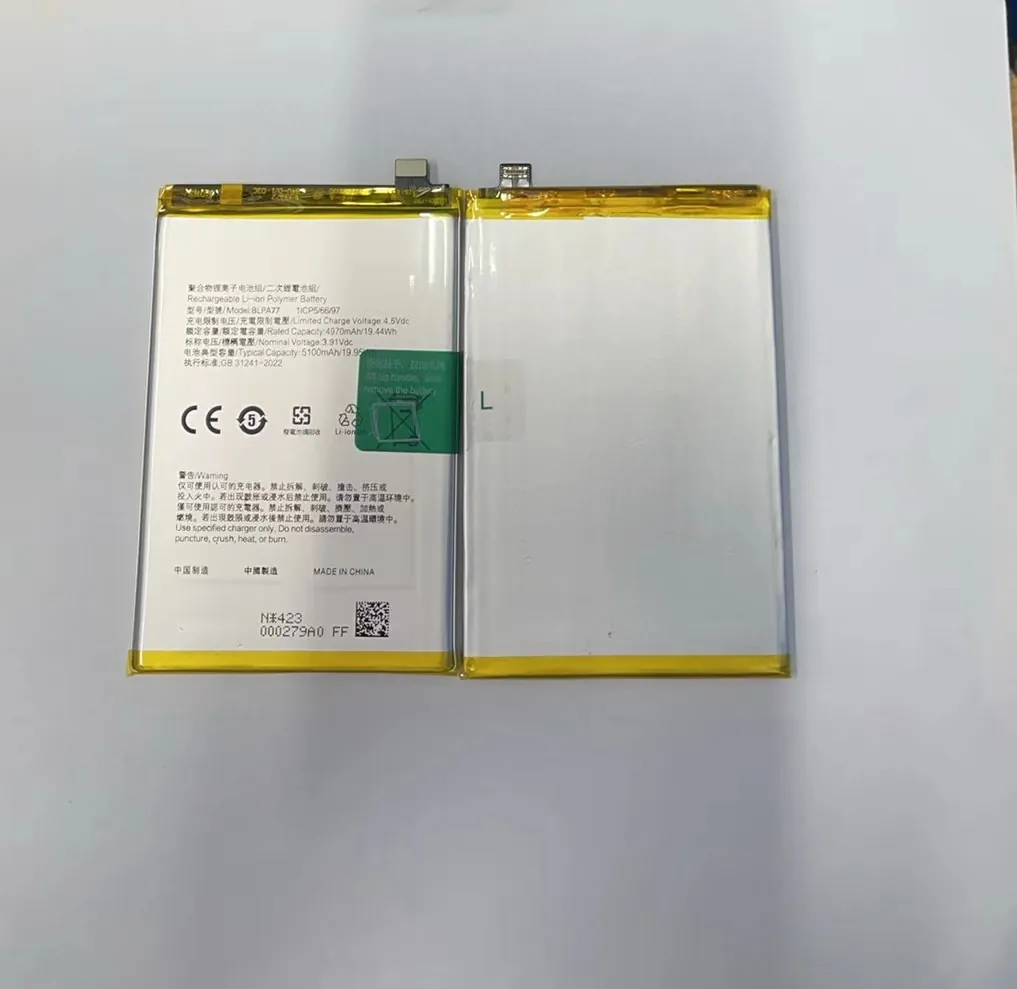
Lithium-ion batteries work by moving ions between a positive and negative electrode. Over time, this movement becomes less efficient. Microscopic changes in the battery’s internal structure reduce its ability to hold and deliver charge.
Key Causes of Battery Degradation
1. Charge Cycles
Every battery has a limited number of full charge cycles. After repeated use, the battery’s chemistry breaks down. It becomes harder to hold a charge, and internal resistance increases.
2. High Temperatures
Heat accelerates chemical reactions inside the battery. Whether it’s from charging, sunlight, or intensive app use, consistent high temperatures shorten battery life significantly.
3. Deep Discharging
Letting your battery drain to 0% often can stress the battery. It’s better to keep it between 20% and 80%. This range puts less strain on the chemical structure.
4. Time
Even unused batteries degrade over time. The electrolyte inside them slowly deteriorates, regardless of usage. That’s why a phone in storage for 3 years may have a dead battery even if never used.
How to Slow Degradation
| Action | Benefit |
|---|---|
| Avoid full charge/discharge | Reduces strain on battery |
| Charge in cool environment | Minimizes heat-related damage |
| Use certified chargers | Prevents overvoltage issues |
| Update software regularly | Battery optimizations often added |
Degradation can’t be stopped, but it can be slowed. If managed well, a battery might stay functional beyond three years, though not at peak performance. For critical use, like in repair businesses, regular testing and timely replacement are essential.
