

Mobile phone batteries wear out faster than we expect. Most people feel the pain of a weaker battery in less than two years. This raises worry about cost, performance, and downtime.
A battery does not last forever. It loses capacity over time and with each charge cycle. A typical phone battery should give good service for at least 2–3 years before serious decline.
This is based on common real-world use and how most manufacturers rate battery life.
Battery life length depends on many things. Brand, usage pattern, charging habits, and even temperature all play a part. Some phones last longer than others. Some chargers help, some hurt. You can make choices that keep your battery healthier longer. Knowing what to expect will help you plan upgrades or replacements.
What is the average battery lifespan by brand?
Battery lifespan varies by brand because of design, software, and battery chemistry choices. Some brands optimize for battery life. Some push performance more. Most flagship phones today use lithium‑ion batteries. These batteries lose capacity with use.
Different brands do not have the same lifespan. On average, most brands’ batteries last around 500 full charge cycles before capacity drops noticeably.
This usually means 2–3 years of typical use before users feel slower battery drain.
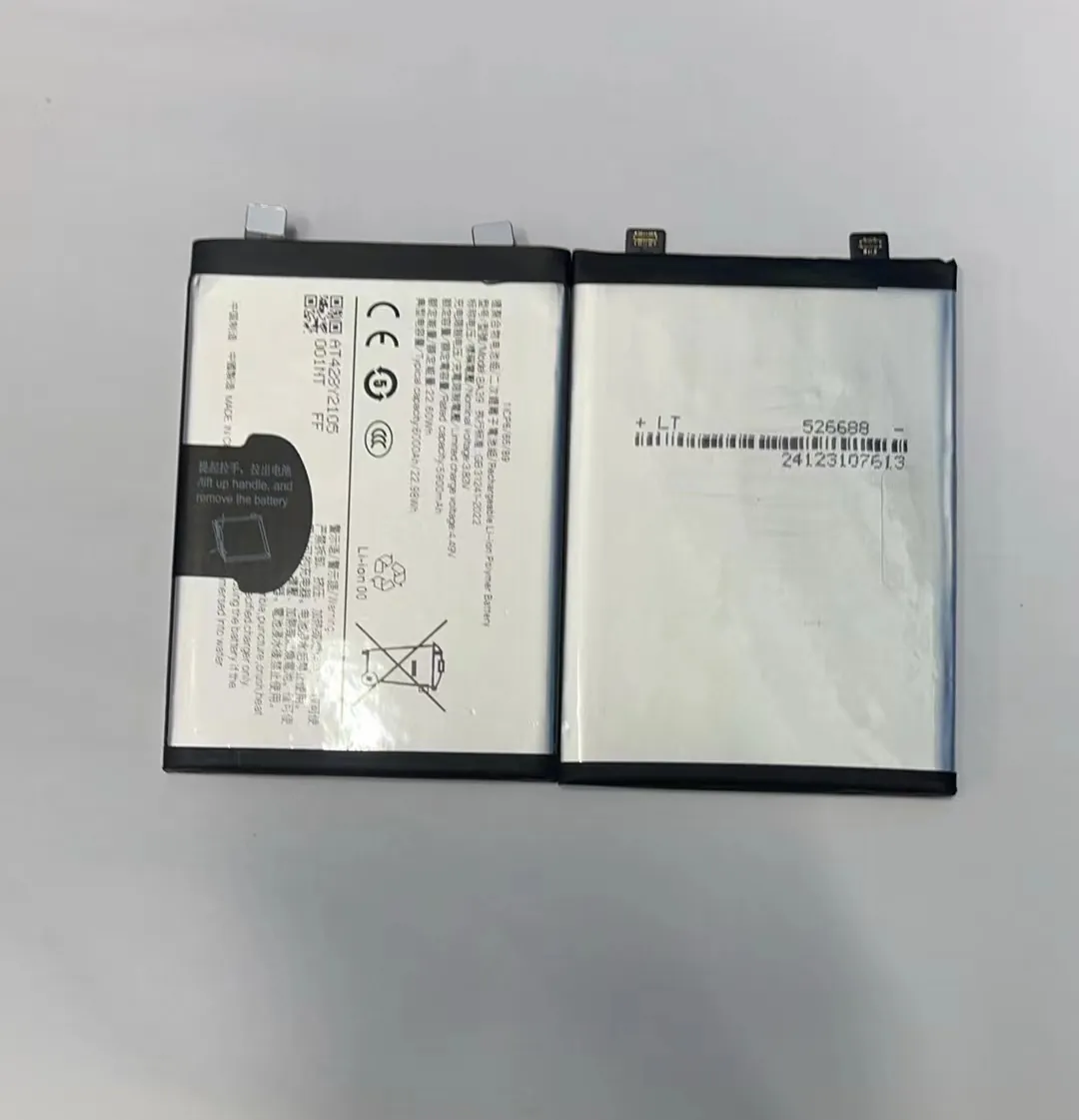
Below we explore how top brands compare and what to expect over time.
How manufacturers rate battery longevity
Each manufacturer uses testing to rate its phones. They usually quote a number of charge cycles before capacity drops to a certain level, often 80% of original capacity. This does not mean the battery stops at that point. It means the battery can hold less charge.
| Brand | Approx. Charge Cycles | Approx. Years of Use | Notes |
|---|---|---|---|
| Apple iPhone | ~500–800 | ~2–3 years | Software helps optimize battery health |
| Samsung Galaxy | ~500 | ~2 years | Software slow charging options help |
| Google Pixel | ~500 | ~2 years | Fast updates help battery calibration |
| Xiaomi / Oppo / Vivo | ~500 | ~2 years | Varies by model and user habits |
| OnePlus | ~500 | ~2 years | Fast charging may heat battery |
Why capacity drops over time
Batteries degrade because of chemistry. Each charge and discharge cycle causes small changes in the battery’s internal materials. Over time, these changes reduce the battery’s ability to hold charge.
Temperature impact
High heat speeds up battery wear. Cold may make the battery seem weak but does not damage it as fast. Ideal phone temperatures are around room temperature.
Usage patterns
Heavy gaming, long videos, constant camera use, and high brightness drain battery faster. This leads to more frequent charging. More charge cycles mean faster wear.
Software updates
Software improvements can help. They can reduce wasted power. But sometimes software updates push more features that use more battery.
Brand differences in practice
Even with similar charge cycles, real‑world experience can differ. Some brands throttle performance to save battery. Some offer battery saver modes that delay capacity loss.
| Brand | Optimized Charging | Battery Saver Options | Real‑World Notes |
|---|---|---|---|
| Apple | Yes | Yes | Good long‑term health tracking |
| Samsung | Yes | Yes | Many modes to adjust behavior |
| Yes | Yes | Clean Android helps efficiency | |
| Xiaomi | Varies | Yes | MIUI settings can control battery |
| OnePlus | Yes | Yes | Warp charge heats battery faster |
In summary, no brand lasts forever, but most modern phones should still have useful battery life after two years. Some users get more. Some get less.
Do fast chargers reduce battery longevity?
Fast charging is great when you need power quickly. But convenience may come with a cost. Fast charging works by pushing more current into the battery. That causes heat. Heat speeds up battery wear.
Fast charging can reduce battery longevity because it increases temperature and stress on the battery.
This does not mean fast charging will ruin the battery fast. It means over months and years, the battery may age quicker than with slower charging.
Let’s break down why this happens and how to reduce the impact.
What happens during fast charging?
Fast chargers use higher currents and sometimes higher voltage. Your phone manages this with internal circuits. The goal is to fill the battery quickly. But this process creates heat.
Heat and chemistry
Heat speeds up chemical reactions inside the battery. These reactions gradually break down the battery’s internal structure. Over time, this reduces how much charge the battery can hold.
Does every phone charge fast the same way?
No. Different brands and models have different fast charging systems. Some slow charging when the battery hits a certain level to protect it. Others keep charging fast until almost full. This choice affects battery wear.
| Charging Type | Speed | Heat Level | Impact on Battery |
|---|---|---|---|
| Standard Charging | Slow | Low | Least impact |
| Fast Charging | Fast | Medium | Moderate impact |
| Super Fast / Turbo | Very fast | High | Higher impact |
How to use fast charging without hurting the battery too much
You can make choices that help. These choices do not prevent aging, but they slow it down.
Avoid fast charging at high temperature
If the phone is warm, wait until it cools before fast charging. Heat makes damage happen faster.
Use slower charging at night
When you don’t need quick power, plug into a slower charger or use a charger that supports smart slow charging.
Battery management in software
Most phones have battery settings. They often show battery health and may limit charging speed. Some can learn your routine to slow charging at night. These features help protect battery life.
Real user patterns
Many people fast charge daily because it fits their routine. Over two years, this adds up. Some users see noticeable battery capacity loss earlier than expected. Others with slower charging habits see less drop.
In short, fast charging does help you in the short term. But it can make the battery age faster if you use it all the time without care.
How does battery capacity change yearly?
Battery capacity almost always decreases. The rate of this decrease depends on use, charging habits, temperature, and age.
On average, a phone battery will lose about 10% of its capacity each year with normal use.
This means after two years, many phones hold about 80%–85% of their original capacity.

Let’s go deeper into what this means and how people notice it.
How capacity loss feels in daily life
Battery percentage numbers can drop faster than before. Here is a rough idea:
| Year | Expected Capacity | User Experience |
|---|---|---|
| New | 100% | Full day use easily |
| 1 year | ~90% | Slightly less time, still good |
| 2 years | ~80% | Noticeable shorter battery life |
| 3 years | ~70% | Often needs midday charge |
Many users report needing to charge more often after the first year. By the second year, they may feel the phone can’t last a full day.
What causes yearly capacity loss
Capacity loss is not sudden. It happens in small steps with each cycle. The more cycles you do, the faster loss shows.
Charge and discharge cycles
Each full cycle wears the battery a bit. A full cycle is using 100% of battery, but this can be split over days. Two half charges count as one full cycle.
Cell chemistry changes
Over time, the materials inside the cell degrade. They lose the ability to hold ions efficiently.
How to see capacity loss
Some phones show battery health in settings. If you check this after a year, you may see around 90% left. After two years, it may drop to 80% or less.
You can also use apps that report battery health. These apps read data from the phone and estimate health.
Does capacity loss mean failure?
No. Loss of capacity does not mean your battery will fail immediately. It just means it holds less charge. A battery at 80% health still works fine. It just needs more frequent charging.
Slowing down yearly loss
You can adopt better habits:
- Avoid extreme heat
- Avoid deep discharges (<20%)
- Use slower charging when possible
- Don’t leave phone plugged in at 100% for long
These habits help but do not stop natural aging.
When should you start noticing battery decline?
Battery decline is gradual. You do not wake up one day with a bad battery. Instead, small signs tell you the battery is aging.
Most people start noticing battery decline after about 12–18 months of normal use.
At this point the battery may not last as long between charges as it did when new.

Here is how decline usually shows up.
Early signs of battery decline
Often subtle at first:
- Phone drains faster than before
- Percentage drops faster during heavy use
- Phone warms during charging
These signs are normal and do not mean something is broken.
When it becomes obvious
Around year two, many people can notice:
- Need to charge midday
- Battery percentage drops quickly from 30% to 10%
- Noticeable reduction in standby time
Extreme signs it’s time for battery service
If you see:
- Phone shuts down at 20% or higher
- Battery swells or the phone case bulges
- Charging stops suddenly
Then you should consider battery service or replacement. These are not normal aging signs.
Does usage type change when decline starts?
Yes. Heavy users notice decline sooner. People who use their phone for gaming, videos, and high screen time may see battery decline earlier, sometimes around 10–12 months. Light users may enjoy good battery for 2–3 years.
User case comparison
| User Type | Likely Decline Start | Notes |
|---|---|---|
| Heavy user | ~10–12 months | Frequent charging, high heat |
| Average user | ~12–18 months | Normal use and charging |
| Light user | ~18–24 months | Occasional charging, gentle use |
Notice that even with decline, many batteries still work fine. They just hold less charge.
Smart battery habits matter. But no matter how careful you are, all batteries age. Knowing when to expect decline helps you plan for upgrades or replacements without surprise.
