
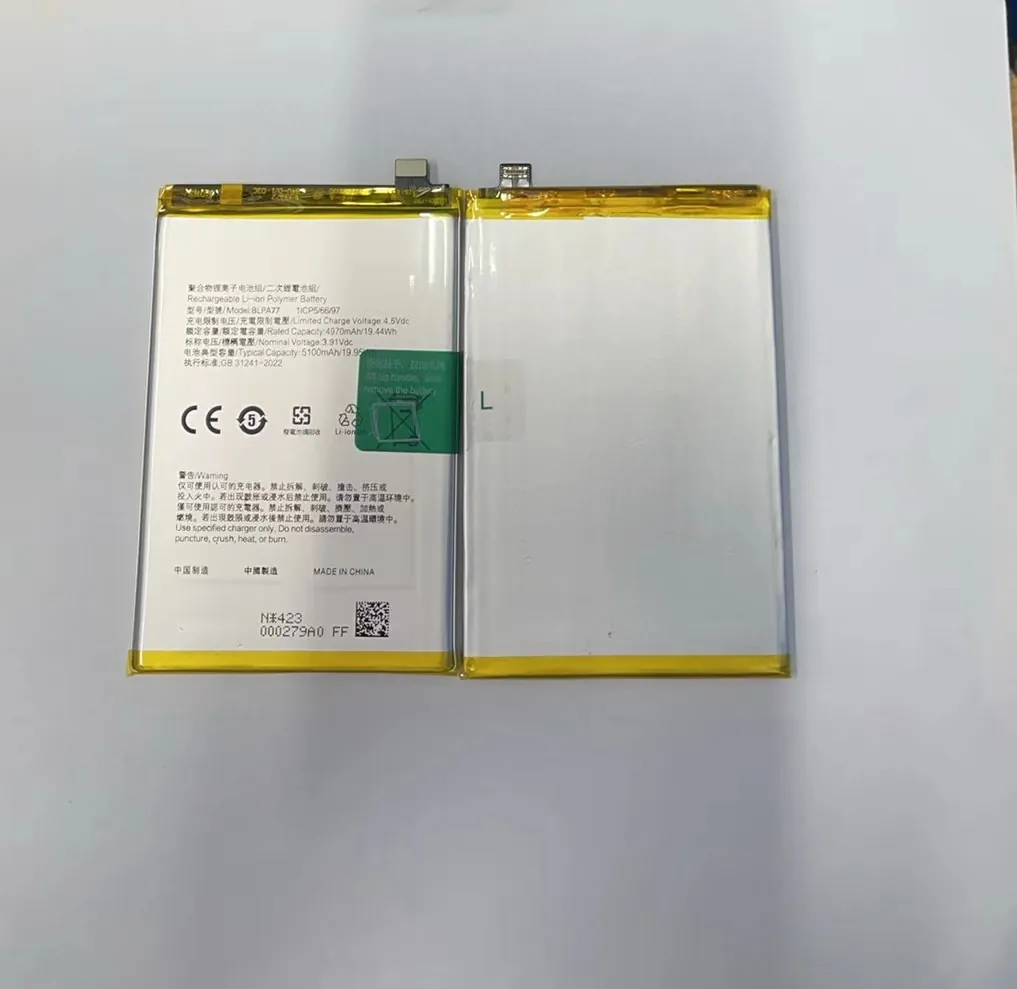
Smartphone batteries vary in price and quality. Many buyers want affordable options. Many also want long‑lasting performance. This article explores costs to help make smart choices.
Mobile phone battery prices vary widely. Most range from low‑cost options around $10 to branded batteries over $80, depending on brand, capacity, and quality.
Understanding battery cost helps avoid overpaying. It also helps plan repair budgets and choose reliable products.
What affects the cost of a phone battery?
Battery cost is not fixed. Many factors shape the price. Some factors relate to quality and safety. Others relate to brand and availability. Knowing these factors helps buyers pick the right battery.
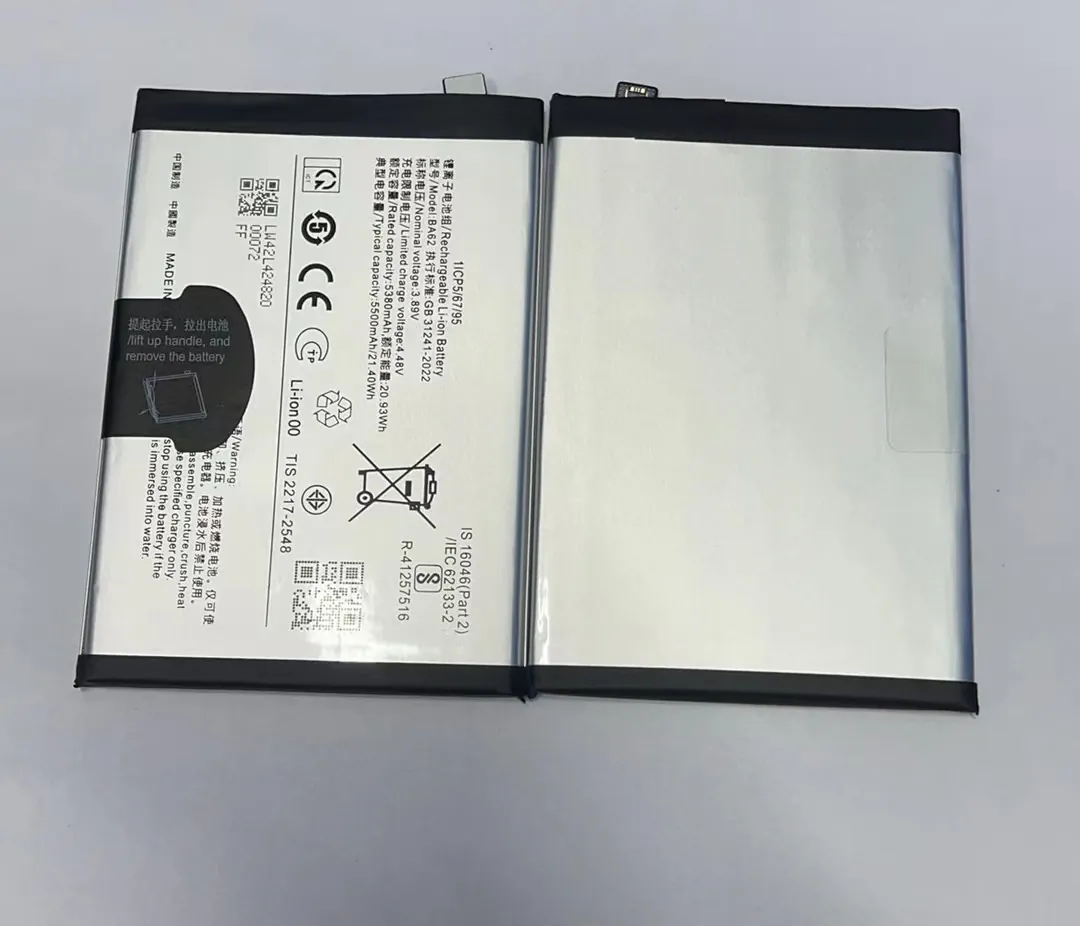
Brand and warranty
Brand matters a lot. Batteries from top brands cost more. These batteries often include warranties. Warranty protects buyers if battery fails early. Lesser‑known brands have lower prices. But they may offer little or no warranty.
Battery chemistry and capacity
Battery chemistry influences cost. Most phone batteries use lithium‑ion. Within this category, capacity and quality vary. Higher capacity batteries cost more. Higher capacity means longer run time. But higher capacity sometimes increases size and cost.
For example:
| Battery Type | Typical Cost | Notes |
|---|---|---|
| Generic lithium‑ion | $10 – $25 | Lower quality, limited warranty |
| Mid‑range branded | $25 – $45 | Better quality, some warranty |
| OEM (Original) | $50 – $90+ | Highest quality, full warranty |
Phone model and rarity
Older or rare phone models cost more to replace. Newer or common phones have many parts available. When parts are rare, sellers charge more. For example, flagship phones often use custom battery shapes. Custom shapes cost more to make and replace.
Quality and testing
High‑quality batteries undergo strict testing. They pass safety checks for heat, capacity, and lifespan. Testing increases cost. Cheap batteries may skip testing. These may be cheaper but suffer from reduced lifespan and safety.
Distribution and import costs
Where the battery is sold affects price too. Import fees, shipping fees, and taxes all add to final cost. Batteries sold locally may cost more than imported ones. Bulk import by wholesalers can reduce per‑unit price. Retail prices generally include profit margins.
Safety certifications
Certified batteries cost more. Certifications like CE, UL, or IEC prove safety standards. Batteries with certifications cost more. But they are safer and perform better. Cheaper batteries without certification may risk overheating or failing early.
In summary, price differences come from brand, quality, testing, filling materials, certification, and distribution channels. Buyers should weigh cost against safety and longevity. A higher initial cost may save money and headaches in the long run.
Where can you buy affordable phone batteries?
Affordable phone batteries are found in many places. Some places offer low prices. Others offer quality guarantees. You must balance price and reliability when choosing where to buy.
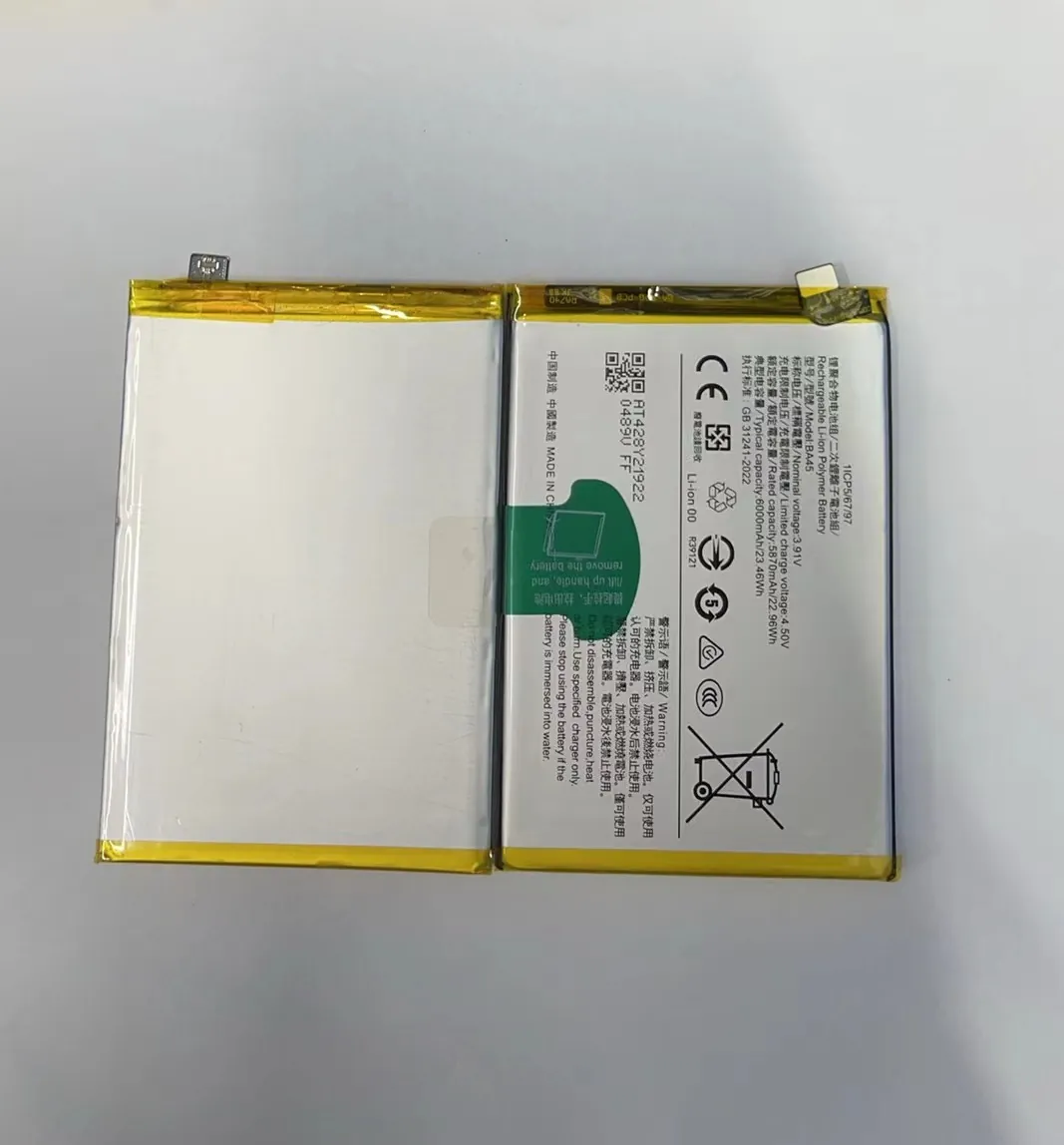
Online marketplaces
Online platforms list many battery sellers. Examples include large marketplaces and auction sites. These sites often have competitive pricing due to many sellers. Buyers can compare prices easily.
Pros of online shopping:
- Wide choice of brands and models
- Prices often lower due to competition
- Buyer reviews help evaluate quality
Cons of online shopping:
- Risk of fake or low‑quality batteries
- Return and warranty claims may be harder
- Shipping time can be long
Authorized service centers
Official service centers sell genuine batteries. These centers often charge more. But they offer authentic parts and trained technicians. Warranty service is usually easier when issues arise.
Local repair shops
Local phone repair shops stock many batteries. They sometimes offer competitive prices. Prices here depend on shop reputation and quality of parts. Some shops provide installation service included in the price. Others sell parts only.
Wholesale suppliers
For bulk buyers, wholesale suppliers offer the best price per unit. These suppliers sell large quantities to stores and repair shops. Buying in bulk reduces cost. But minimum order quantities (MOQ) may be high for individuals.
Here are common places to buy phone batteries:
| Source | Typical Price Range | Notes |
|---|---|---|
| Online marketplace | $10 – $50+ | Price varies by seller |
| Authorized service center | $40 – $100+ | Genuine OEM parts |
| Local repair shop | $15 – $70 | Varies by local market |
| Wholesale supplier | $8 – $40 | Best per‑unit price for bulk orders |
Direct from manufacturers
Some manufacturers sell directly through their websites. Direct sales cut out middlemen. This often lowers cost. But direct shipping may take longer and have import fees.
Social media and forums
Some sellers use social platforms to advertise batteries. Buyers can find deals in these groups. But caution is needed. Verification of seller reputation and product quality matters.
Tips for buying affordable batteries
- Compare multiple sellers before buying
- Check warranty and return policy
- Read reviews for quality feedback
- Confirm phone model compatibility
- Avoid suspiciously cheap listings
In summary, affordable batteries can be found online, locally, or through wholesalers. The key is to balance price with trustworthiness and warranty support.
Is it cheaper to buy or replace a battery?
Often buyers wonder if buying just the battery is cheaper than full replacement service. The answer depends on several factors. These include cost of parts, service fees, and convenience.
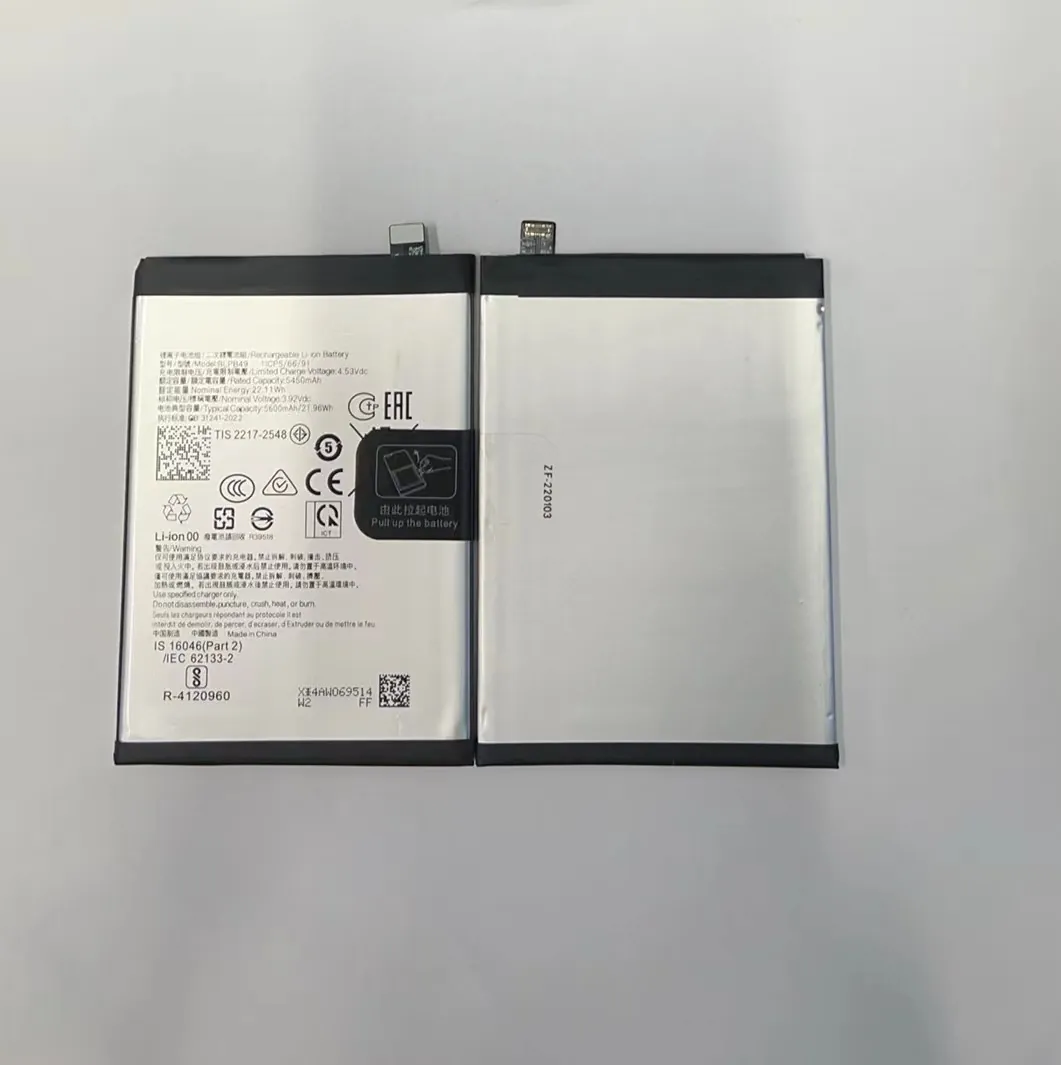
Buying battery only
Buying the battery without installation usually costs less. You pay for the part only. Installation is extra if you cannot install it yourself.
Benefits:
- Lower parts cost
- Freedom to choose quality level
- No labor costs if self‑installed
Disadvantages:
- You must install it yourself or pay a technician
- Risk of improper installation without skills or tools
Replacing battery at a shop
Getting the battery replaced at a repair shop costs more. You pay for the battery and the labor. Labor cost depends on shop and region.
Typical total cost breakdown:
| Service Type | Parts Cost | Labor Cost | Total |
|---|---|---|---|
| DIY buy only | $15 – $50 | $0 | $15 – $50 |
| Local shop replace | $15 – $50 | $30 – $80 | $45 – $130 |
| Authorized center | $50 – $100 | $40 – $90 | $90 – $190 |
When replacement makes sense
If battery access is hard, professional replacement is wiser. Some phones require special tools and skills. Newer phones with glued‑in batteries need careful work. If you damage the phone during DIY, repair costs can rise.
When buying only is cheaper
If phone has removable battery or easy access, buying the battery alone is cheaper. For common models, parts are easy to find and install. Many people save money this way.
Hidden costs to consider
DIY buyers must check if they need tools. Tools cost money too, so factor this in. Also consider warranty coverage. Some shops include short term warranty on installation. A bad DIY install can void battery warranty.
Long‑term cost view
Over time, choosing quality batteries saves money. Cheap batteries fail early. Replacing them often adds up. A slightly more expensive, high quality battery can last longer. This lowers cost per month of use.
In conclusion, buying battery only is usually cheaper. But total cost may rise with labor and risk of damage. Consider phone model, skills, tools, and warranty when deciding.
Do battery prices vary by phone model?
Yes. Battery prices vary a lot between phone models. This difference comes from design, size, and brand.
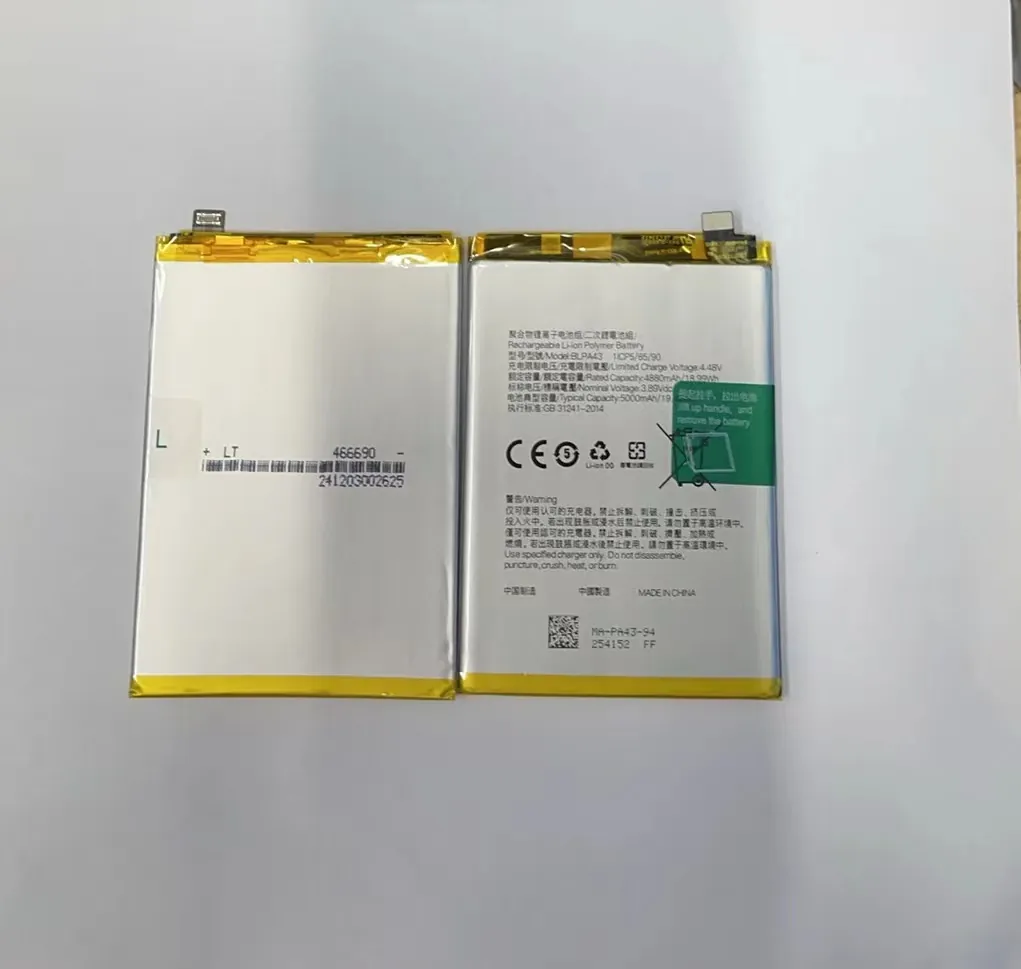
Common phones like mid‑range Androids often have standard shaped batteries. These are cheap to produce and easy to stock. Premium models from top brands often use custom shapes and higher grade cells. Those cost more.
Battery shape and size
Phones with larger screens or high batteries need larger capacity cells. Larger cells cost more material. This increases battery price. Unique shapes may need special manufacturing. This also raises cost.
Example price differences
| Phone Model Type | Example Price Range | Reason |
|---|---|---|
| Older mid‑range phones | $10 – $30 | Standard parts, wide availability |
| Popular flagship models | $40 – $90 | Custom parts, branded cells |
| Newest flagship models | $60 – $120+ | High capacity, special shapes |
Top brands charge more for original batteries. Their official parts cost more. Third‑party batteries for these phones may be cheaper. But quality varies. Buyers must check reviews.
Repair complexity
Some phones are easy to open. Battery change is quick. These often have lower replacement cost. Others are sealed with adhesives and require heat and tools. Higher repair complexity often means higher battery cost too.
Availability and supply
If a phone model is new or rare, batteries may be harder to find. Lower supply increases price. Older models may have plenty of parts, which lowers price. This is basic supply and demand.
Battery features
Some batteries support fast charging or other tech. These features cost more to implement. For example, a battery designed for fast charging and heat resistance can cost more than a standard battery.
OEM vs aftermarket
Original Equipment Manufacturer (OEM) batteries are from the phone maker. These usually cost more. Aftermarket batteries are made by third parties. They cost less but quality varies.
OEM Battery Benefits
- Designed for specific phone
- Usually safest option
- Warranty support
Aftermarket Battery Benefits
- Lower cost
- Wide availability
- Can offer higher capacity options
Buyer tips by model
If your phone is high end, compare OEM and quality aftermarket parts. For common phones, many reliable third‑party options are available. Always check compatibility.
In summary, battery prices vary by phone model. Variation comes from design complexity, brand, availability, and features. Understanding these differences helps buyers make better decisions.
Conclusion
Battery prices vary based on brand, quality, phone model, and where you buy them. Cheaper options exist, but quality matters. Comparing prices, checking compatibility, and considering warranty help buyers get the best value.
