
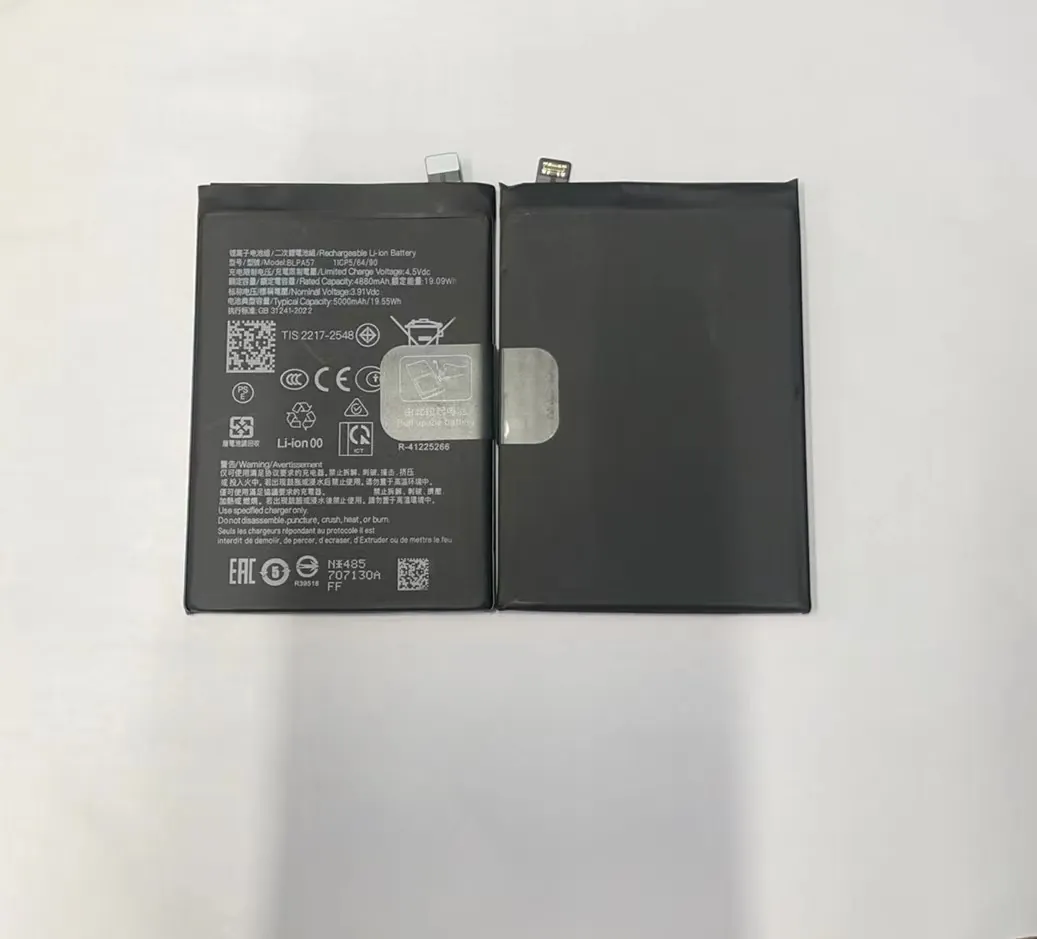
I know many people feel confused when they try to understand how much lithium sits inside a phone battery. I want to clear this up in a simple way because I often meet clients who make purchasing decisions based on wrong guesses.
A typical mobile phone battery contains about 0.3g–1g of pure lithium, and the exact amount depends on capacity, chemistry, and design choices made by the manufacturer.
I want to walk you through each part, so you can see how this small amount of lithium can change many technical and cost decisions.
What factors change lithium amount?
I know many buyers often assume every battery uses the same lithium load, but that idea leads to wrong expectations in cost and performance.
Lithium amount changes because of battery chemistry, energy density targets, safety layers, and the internal structure chosen by the manufacturer.

When I speak with customers, I always explain that lithium content is not a random guess. It moves with every design decision inside a cell. I want to dig deeper here, and I will break this down step by step so you can understand what happens inside a real phone battery.
Key influencing elements
I look at four main elements that shape lithium amount inside a lithium-ion polymer cell. These elements appear simple at first, but they push manufacturers to make different trade-offs. Here are the main ideas:
| Factor | How it changes lithium amount | Simple explanation |
|---|---|---|
| Chemistry type | High-nickel needs less lithium per Wh | Structure changes lithium loading |
| Capacity target | More capacity means more active materials | Bigger cell often uses more lithium |
| Protection design | Extra layers reduce room for active materials | Lower lithium amount per cell volume |
| Electrode thickness | Thicker layers hold more lithium | Designers adjust this to hit energy targets |
Why these factors matter
I see many clients ask why a 3000mAh battery and a 5000mAh battery do not simply use “double lithium.” The answer is simple. Energy density changes, and chemistry efficiency changes. When designers increase nickel, or adjust electrode thickness, or use different additives, the total lithium amount does not scale in a perfect line.
A deeper breakdown
I now want to expand the idea with more clear blocks.
Battery chemistry
Battery chemistry plays the biggest role. Different blends carry different lithium efficiency. NMC batteries may use one amount of lithium, while LCO batteries use another. A battery with more nickel often holds energy with less lithium mass. A battery with more cobalt or manganese may use a different loading.
Battery size and mechanical layout
Phone designs keep getting thinner. This pushes engineers to use higher-density chemistry to fit energy into a small body. This means a 4000mAh slim battery may use less lithium than an older, thicker battery with lower density. People often think bigger is always more lithium, but engineering does not follow that rule.
Safety and thermal layers
Modern phones use better shielding foils and separators. These layers take space inside the battery. When protective space grows, active material space shrinks. This reduces lithium mass even if capacity stays the same. This is why two batteries with equal capacity may contain different lithium amounts.
Manufacturing methods
Every factory uses its own coating thickness, compression strength, and alignment rules. These small steps change how much lithium ends up inside. Even two suppliers who claim to follow the same standard can still deliver cells with different lithium loadings.
I hope this helps you see that lithium amount is never fixed. It comes from many hidden choices inside the production line.
How do capacities affect lithium use?
I know many people think capacity alone controls everything, but the link between capacity and lithium mass is not as simple as many assume.
Higher capacity batteries usually need more lithium, but the increase is not linear because density, thickness, and chemistry change the final lithium amount.
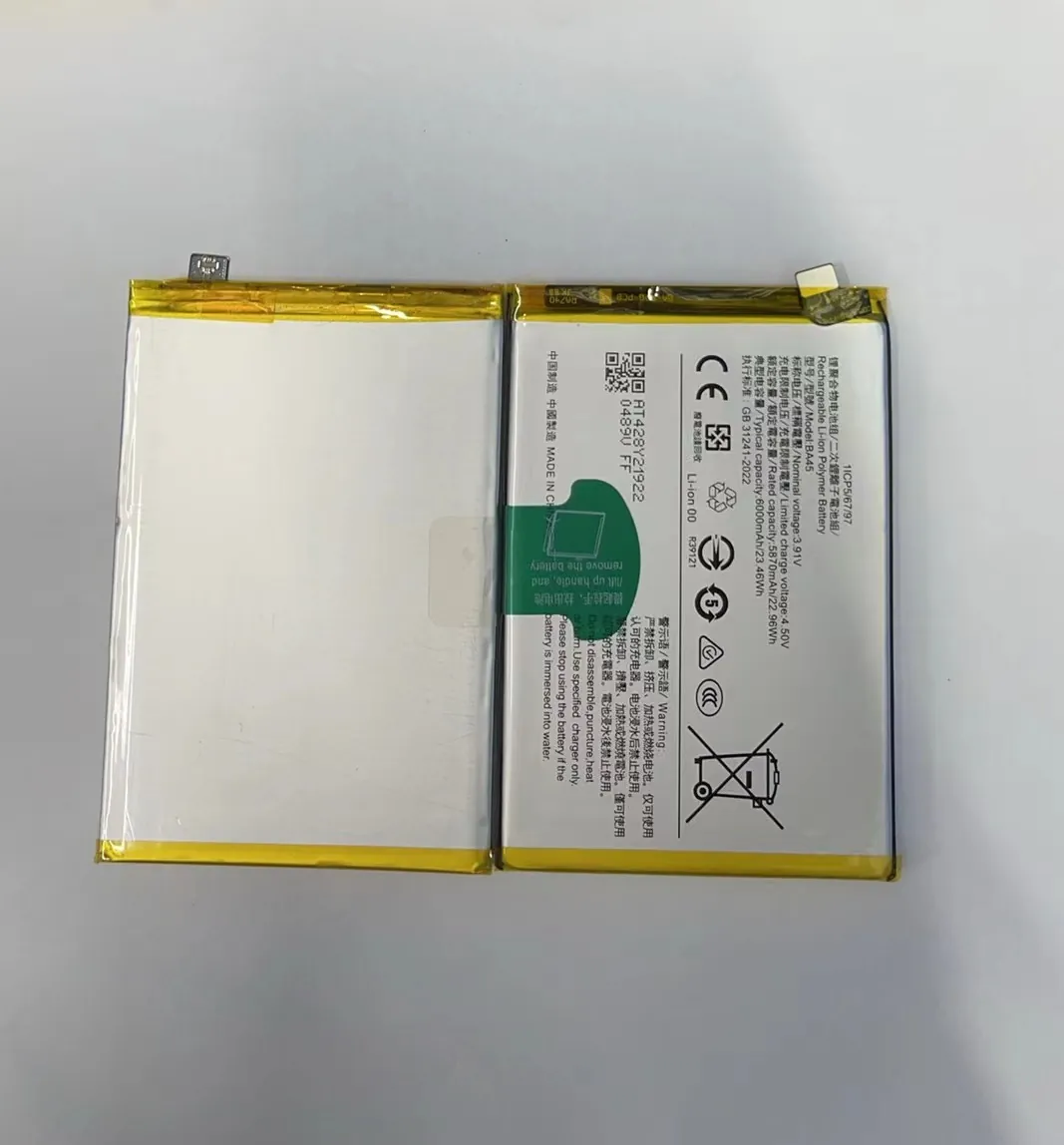
When I explain this to buyers, I always show them how cell makers design active materials to meet capacity targets without always adding more lithium. I want to go deeper so you can understand this relationship clearly.
Understanding capacity vs lithium mass
Here is a simple table that shows how capacity does not scale in a perfect line with lithium mass:
| Battery Capacity | Approx Lithium Mass | Notes |
|---|---|---|
| 2000mAh | ~0.25–0.45g | Older or thicker cells vary a lot |
| 3000mAh | ~0.35–0.65g | Common in mid-range phones |
| 4000mAh | ~0.50–0.80g | Slim high-density cells may use less |
| 5000mAh | ~0.60–1.0g | Depends on density and space limits |
Why capacity does not perfectly match lithium amount
I often share this point: capacity measures how much charge the battery can store, but lithium amount measures the physical mass of lithium inside. These two ideas are related, but density improvements let engineers store more energy in the same or even smaller amount of lithium.
A deeper look at capacity changes
I want to break down the deeper process with clear parts below.
Density improvements
Phone brands always want bigger capacity in the same thin space. Engineers solve this by improving energy density. When energy density rises, the same lithium mass stores more energy. This means two batteries of the same capacity may contain different amounts of lithium if one uses newer chemistry.
Electrode loading control
Battery makers adjust electrode loading to reach target capacity. They may increase the thickness of the active layer or modify the formulation. This changes lithium amount but not always in a simple ratio. When loading increases too much, the battery becomes unstable, so designers use smart balance rather than simple scaling.
Cell structure and packaging
Some brands use single-cell packs. Some use dual-cell structures. A dual-cell battery for fast charging may hold more total lithium even if the combined capacity stays similar. This is because the structure demands more space for separators and connectors, and engineers adjust active materials to reach safety targets.
Practical limits
There is a limit to how much lithium a battery can use before it becomes unstable. This means engineers sometimes limit lithium even when they want more capacity, and they use different chemistry tricks to reach the rating without adding more lithium.
I hope this gives you a practical view on how capacity and lithium mass connect, so you can make better decisions when you compare batteries.
Why does lithium vary by model?
I know many buyers get confused when they see two phone models with the same capacity but different lithium loads. I want to clear that feeling because it is normal and expected.
Lithium varies by model because every phone brand uses different battery shapes, densities, charging targets, and safety requirements that change active material loading.

When I explain this to customers, I always show them that a phone battery is not only a chemical device. It is a part of the whole phone. The brand, the design, and the charging system all push the battery to use a special internal layout.
How design choices change lithium amount
Here are four main design choices that shape how much lithium ends up inside each phone model:
Phone size and thickness
Slim phones push engineers to use high-density chemistry. This sometimes reduces lithium mass compared with thicker phones because the structure gets tight.
Fast-charging systems
Phones that support 65W, 90W, or even 120W fast charging often use dual-cell designs. These designs can change lithium amount because each smaller cell uses its own active materials, protective layers, and conductive parts.
Battery shape
Some phones use rectangle cells. Some use L-shaped cells. Some use shaped cells that fit around camera modules. Each non-standard shape changes internal layout and reduces or increases lithium mass slightly.
Brand safety rules
Some brands set stronger pressure, heat, and aging standards. These rules may force engineers to use thicker separators or stronger outer layers. These adjustments reduce the room for active material, so total lithium amount changes.
A deeper dive into model variation
I want to explain this with more detail because many people do not see what happens inside.
Impact of charging speed
When a phone supports high power charging, engineers focus on thermal safety. They may use lithium plating prevention strategies. They may adjust graphite blends. They may use additives to control stability. These steps reduce available space for pure lithium. Even if capacity stays the same, lithium mass changes.
Impact of camera layout
Modern camera bumps grow bigger each year. This forces battery makers to create shaped battery packs. When a battery has uneven geometry, the amount of active material changes because the internal roll or stack does not follow a perfect rectangular layout. This leads to small but real differences in lithium mass.
Impact of thermal management
Phones that heat more under gaming use thicker safety parts in the battery. This cuts active material area. When active area shrinks, lithium mass also shrinks even if capacity is close to another model.
Impact of brand cost targets
Some brands push for cheaper chemistry. Some brands push for premium chemistry. Cheaper blends may use more lithium mass because density is lower. Premium blends may use less lithium mass because density is higher.
With this view, you can see why lithium mass is never the same across different phone models.
Which chemistries reduce lithium need?
Many buyers want batteries that use less lithium without losing capacity, because this helps control cost and supply chain risks. I meet many clients who ask for this.
High-nickel NMC, silicon-enhanced anodes, and improved electrolyte systems can reduce total lithium mass while keeping high capacity in slim phone batteries.
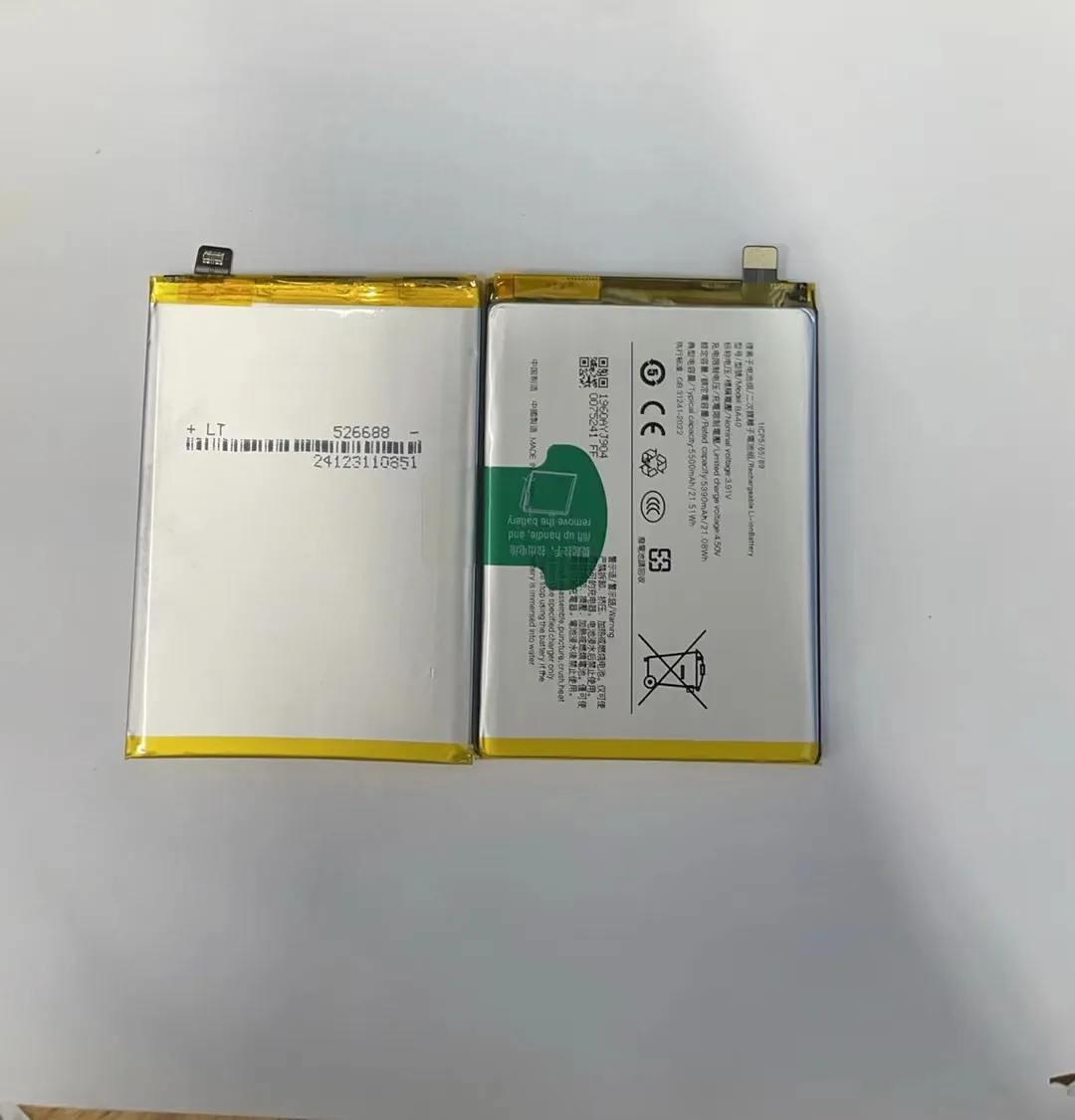
I want to go deeper into the chemistry part because this is where engineers make the biggest improvements.
Chemistry types that lower lithium mass
Below are the chemistry families that help save lithium:
High-nickel NMC
High-nickel blends use more nickel in the cathode. These blends carry more energy per gram. This means they can use less lithium for the same capacity.
Silicon-enhanced anodes
Anodes with silicon improve capacity because silicon holds more charge. When the anode holds more charge, the cathode can use less lithium to match the balance. This helps reduce lithium mass.
New electrolyte formulas
Some newer electrolytes help raise energy density. They support higher voltage and stability. When energy density rises, engineers use less lithium to reach the same capacity.
LCO vs NMC
Older LCO (lithium cobalt oxide) cells often need more lithium to reach the same energy. NMC cells, especially higher-nickel versions, use less lithium for similar performance.
A deeper look at chemistry influence
I now want to expand each part so you can see how lithium-saving chemistry works in real battery design.
High-nickel blends and lithium savings
High-nickel blends increase energy density without extra lithium. Nickel carries most of the active work. When nickel increases, lithium loading decreases. This is why premium phone batteries often contain less lithium than older chemistry even when the capacity is bigger.
Silicon anodes and charge balance
Every battery must balance cathode and anode. Silicon expands capacity on the anode side. When the anode holds more energy, the cathode does not need to hold as much. This cuts down the required lithium mass. This is one of the biggest improvements in next-generation phone batteries.
Improved electrolytes
Electrolytes do not hold lithium like cathodes and anodes do, but they control how well lithium moves. Better electrolytes reduce resistance and heat. This lets engineers reduce lithium mass because the system becomes more efficient at holding and moving charge.
Structural changes
Some modern batteries use stacked structures rather than rolled structures. This increases effective area. When area increases, the same lithium mass can deliver more energy. This allows designers to lower lithium amount while keeping strong capacity.
With these points, you can see how chemistry plays a very big role in controlling lithium use.
Conclusion
Lithium amount in a phone battery comes from many choices. It changes with chemistry, design limits, safety needs, and brand goals. When you understand these parts, you can compare batteries with clear expectations and better judgment.
