

Many users ignore battery issues until the phone turns off unexpectedly. This can cause inconvenience, missed calls, or even lost data.
You should consider changing your mobile phone battery every 18 to 24 months, or when you notice performance drops, fast draining, or unexpected shutdowns.
Most people don’t know the exact moment their battery starts failing. Let’s break down the key signs, how your usage habits affect battery life, and if it’s better to wait or act early.
What are signs you need a battery replacement?
It’s easy to get used to a slowly failing battery. But this delay can cost more in the long run.
You may need a new battery if your phone drains quickly, takes longer to charge, or shuts off unexpectedly—even when it shows battery left.

Some of the most common signs include:
1. Rapid Battery Drain
Your battery percentage drops fast even with light use. It might go from 100% to 50% in just an hour.
2. Random Shutdowns
The phone turns off while there’s still charge left. Often, it restarts only when plugged in.
3. Swollen Battery
You notice the phone back cover is bulging or not fitting right. This is dangerous and needs immediate attention.
4. Slow Charging or Overheating
Charging takes much longer than before. Sometimes, the phone also heats up while charging or during basic tasks.
5. Low Battery Health Status
On iPhones, the battery health status under Settings shows below 80%. For Android, third-party apps like AccuBattery can estimate health.
Here’s a simple table showing symptoms and what they might mean:
| Symptom | Likely Battery Issue |
|---|---|
| Quick battery drain | Degraded battery cells |
| Phone shuts off early | Voltage drop under load |
| Slow charging | High internal resistance |
| Bulging battery | Physical battery swelling |
| Hot during use | Inefficient power delivery |
If you’re experiencing more than two of these issues regularly, a battery replacement is likely the best option.
How does usage frequency impact battery change rate?
Heavy users often blame their phone models when batteries fail fast. But usage plays a bigger role than brand.
The more often you charge and discharge your battery, the faster it wears out—most batteries last between 500–800 cycles.
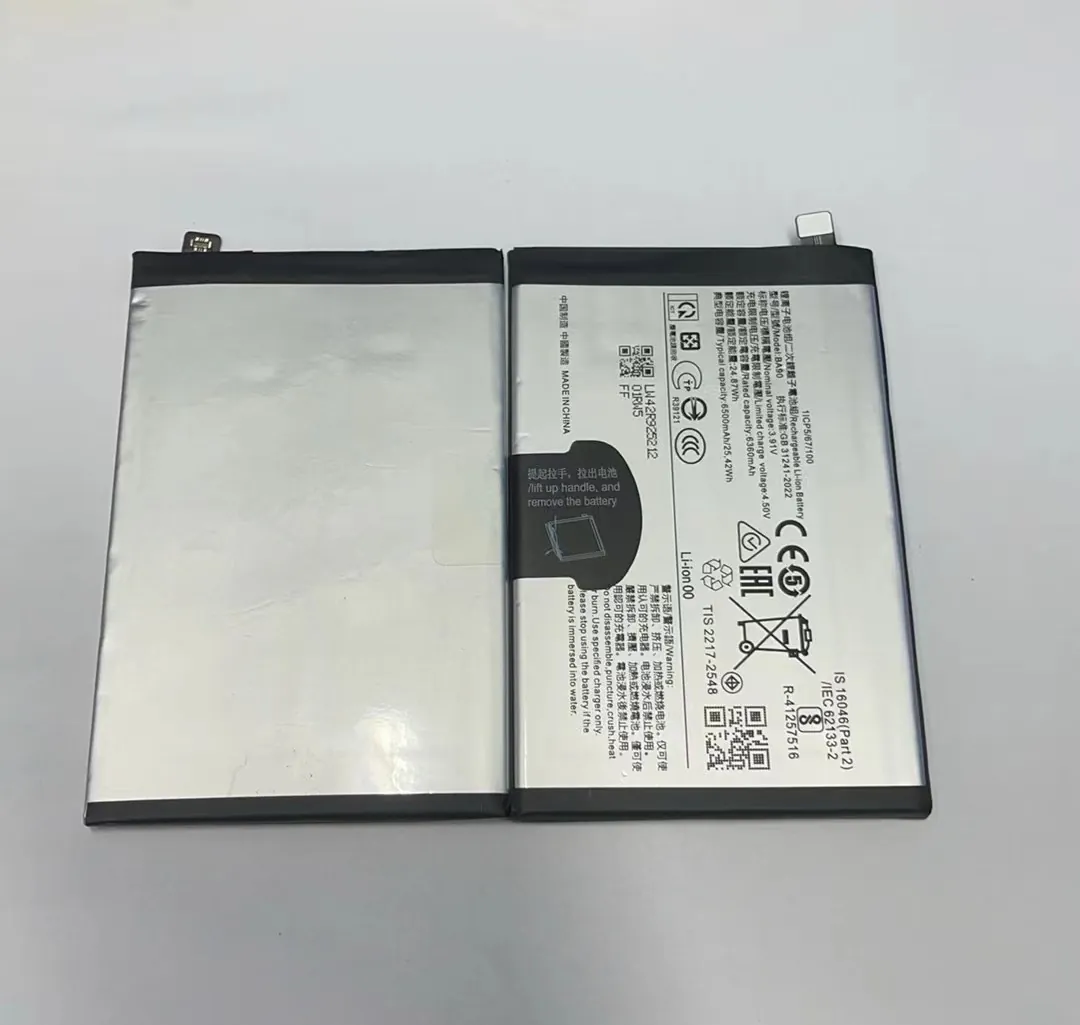
What is a Charge Cycle?
One full charge cycle means using 100% of your battery’s capacity. This doesn’t have to be all at once. You can use 50% one day and another 50% the next—it counts as one cycle.
How Usage Affects Battery Health
Here’s how different users compare:
| Usage Type | Cycles Per Year | Expected Battery Life |
|---|---|---|
| Light (1 full charge every 3 days) | ~120 cycles | 2.5–3 years |
| Moderate (daily full charge) | ~365 cycles | 1.5–2 years |
| Heavy (2 charges daily) | ~700+ cycles | <1.5 years |
Heavy users, such as gamers or delivery drivers using navigation all day, may wear out their batteries within 12–14 months. Light users can push past 2.5 years before needing a replacement.
Reduce Impact with Smart Habits
Some simple habits can extend battery life:
- Keep your charge between 20% and 80%
- Avoid using the phone while charging
- Use original or high-quality chargers
- Avoid heat—don’t charge under pillows or in direct sun
These won’t stop aging, but they slow it down. Consistency helps.
Is battery age or cycle count more important?
People often ask whether the age of the battery or the number of charges matters more. Both matter—but in different ways.
Cycle count tells how many times the battery has worked; age tells how long it’s been sitting. Both affect battery health.
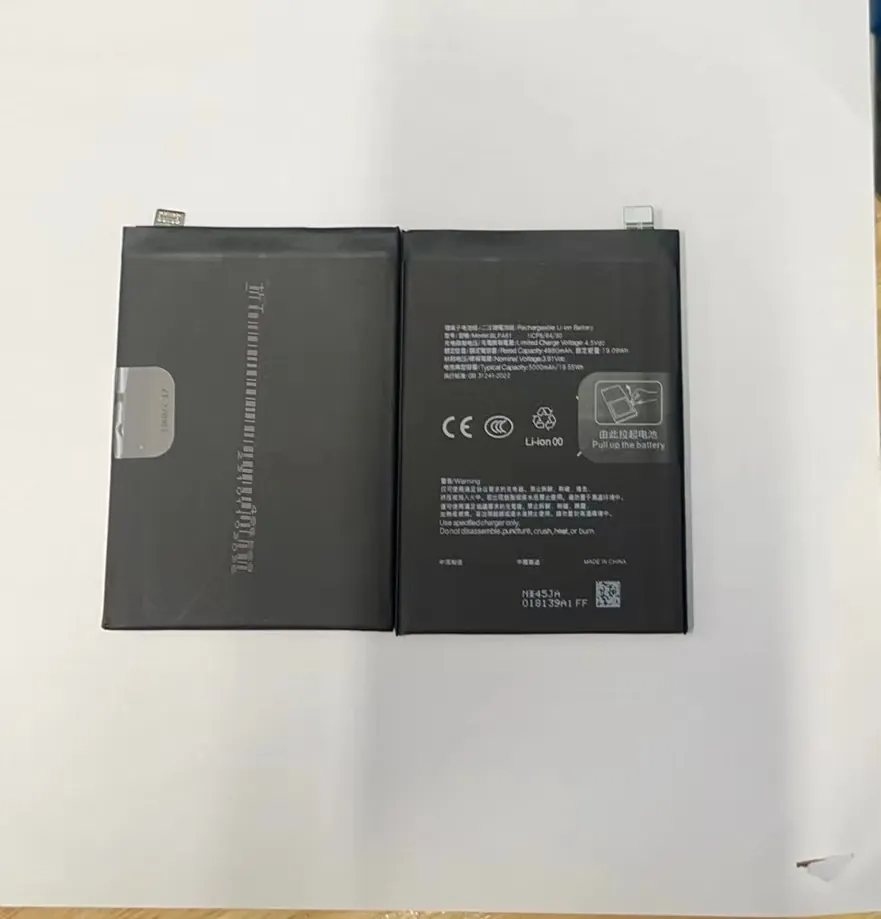
Understanding Battery Aging
There are two kinds of battery aging:
1. Calendar Aging
Even unused, batteries lose capacity over time. A battery sitting on a shelf for 3 years will degrade more than a new one, even with 0 cycles.
2. Cycle Aging
The more you charge and use the battery, the more chemical reactions occur inside. Over time, this reduces how much energy it can hold.
Which One Matters More?
For active users, cycle count is more important. A one-year-old battery with 700 cycles is likely weaker than a two-year-old battery with 200 cycles.
But for stock batteries or unused phones, calendar age becomes critical. A 3-year-old battery with just 50 cycles might still perform poorly due to chemical aging.
How to Check Your Battery Info
- iPhone: Go to Settings > Battery > Battery Health.
- Android: Use apps like AccuBattery or Battery Guru.
- Third-party tools: For refurbishers and techs, tools like CoconutBattery (Mac) or 3uTools (Windows) offer more insights.
Always check both the cycle count and the manufacture date before replacing or buying a new battery. Especially in the wholesale business, checking both prevents customer complaints.
What’s the cost-benefit of early battery replacement?
Some people wait until their phone shuts down often before replacing the battery. But this may cost more than acting early.
Replacing your battery early can improve performance, avoid data loss, and extend your phone’s useful life—often at a low cost.

Direct Benefits of Early Replacement
- Better performance: A new battery often restores the phone’s speed, especially on iPhones.
- No random shutdowns: You avoid surprises during calls or while using GPS.
- Less stress: No need to carry a power bank everywhere.
- Longer phone lifespan: You delay buying a new phone, saving hundreds of dollars.
Cost Comparison
Let’s break down the costs:
| Action | Cost (USD) | Notes |
|---|---|---|
| New OEM battery | $20–$40 | Depending on phone model |
| Aftermarket battery | $8–$15 | Lower price, varying quality |
| New mid-range phone | $300–$600 | Often unnecessary if phone is usable |
| Lost data from shutdown | Priceless | May lead to missed work or messages |
When It Makes Sense to Wait
If your phone is already more than 3 years old, and the battery fails, replacing the whole phone may be better.
But if your phone is under 2 years old and performance is dropping, early battery replacement is a smart move.
For Businesses
If you're in the phone repair or refurbishing business, offering early battery replacement as part of service packages can:
- Increase customer satisfaction
- Reduce warranty claims
- Boost your brand’s trust
It’s a small cost for a big return.
Conclusion
Replacing your phone battery every 18 to 24 months, or when performance drops, keeps your device working reliably. Don’t wait until the phone dies. Early action saves time, money, and hassle.
