
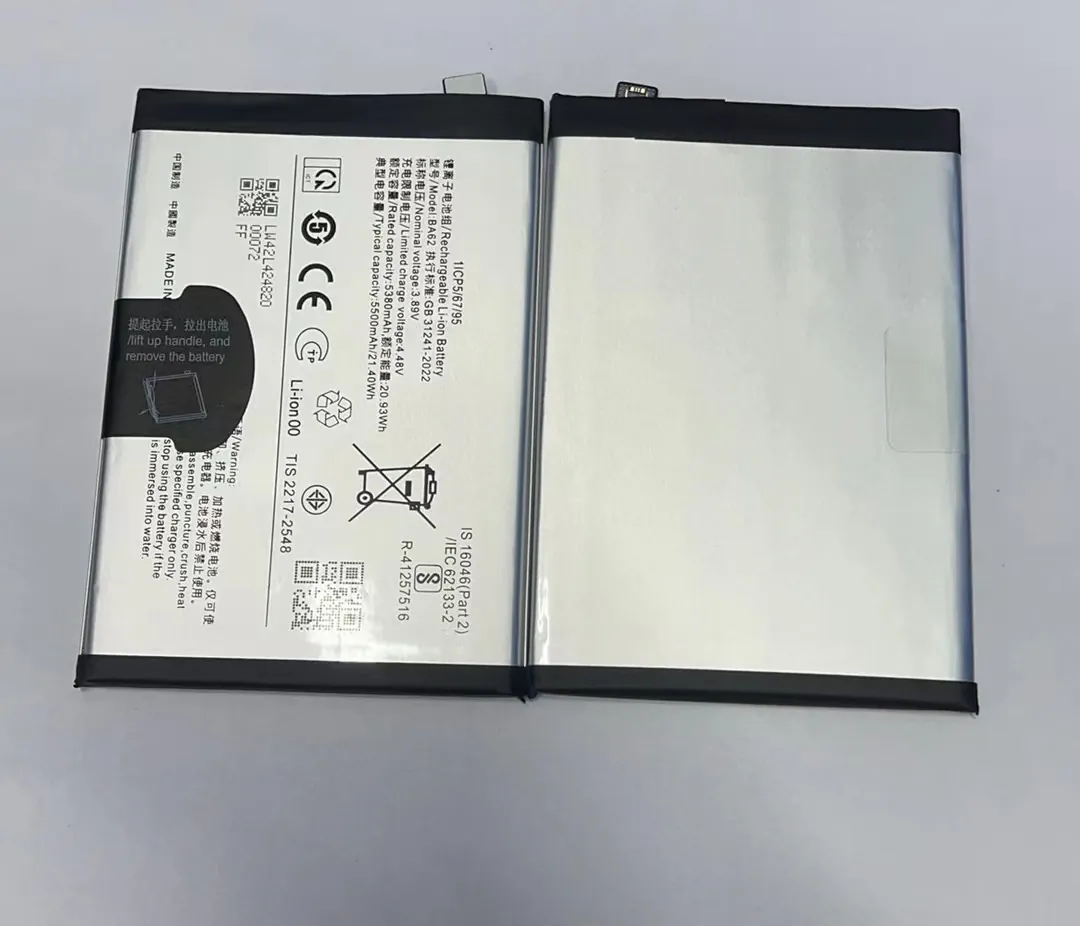
You’ve probably seen viral videos or blog posts claiming you can charge a phone using just a piece of paper. Sounds exciting—but is it even real?
Paper cannot generate enough power to charge a mobile phone battery, though some scientific experiments use paper as a component in battery prototypes.
Let’s explore what’s real, what’s just science fiction, and what experiments have actually shown.
Can paper generate power for phone charging?
It's a common belief that almost anything can become a power source, especially with DIY hacks. So can paper really generate electricity?
Plain paper cannot generate power on its own. However, in lab conditions, specially treated paper has been used as a structural part of battery prototypes.
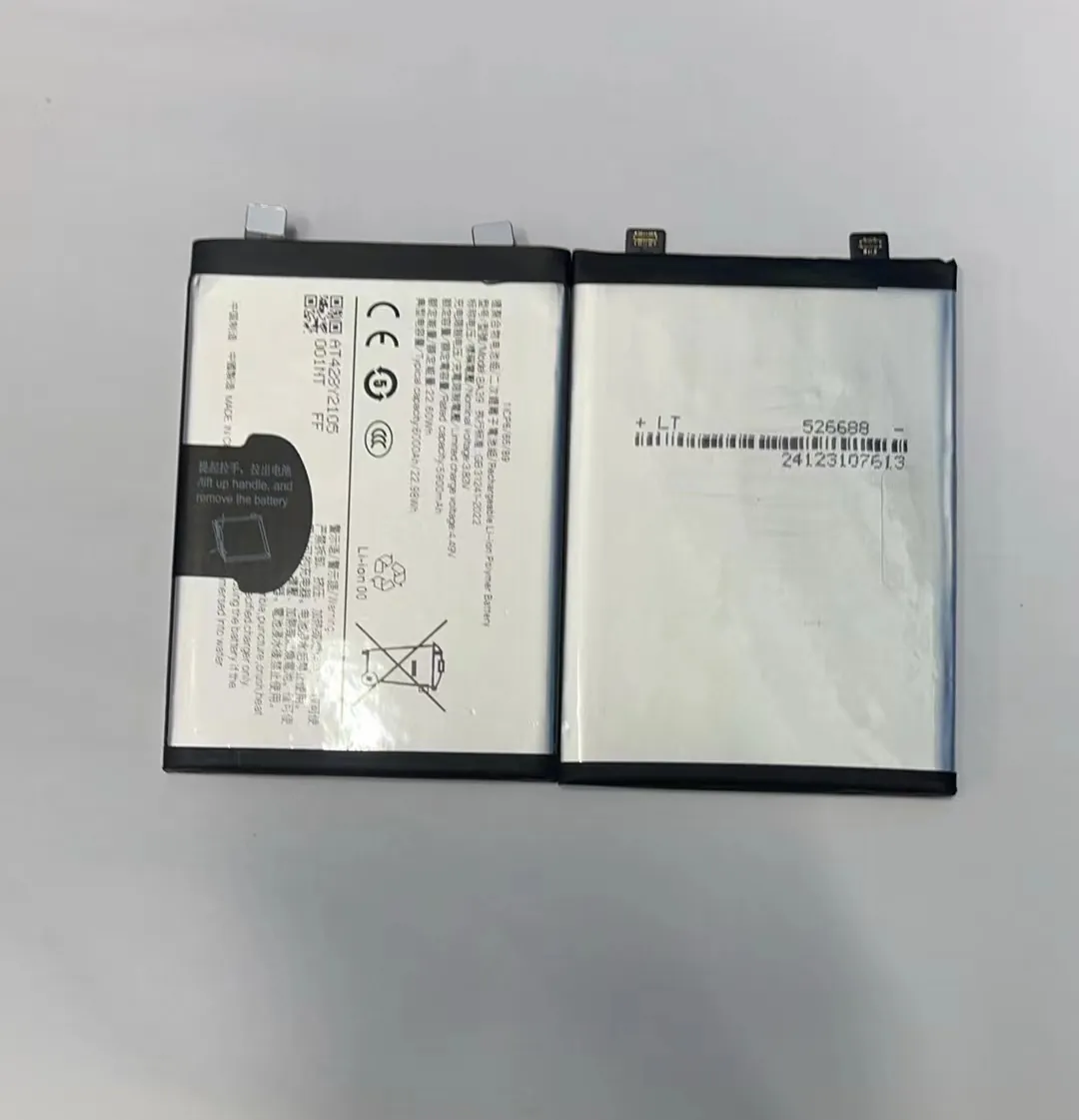
Paper is made from cellulose, which is not conductive. It can't carry current or initiate chemical reactions without added materials. However, researchers have used paper as a substrate—meaning the material that holds other active elements.
Where does the idea come from?
Most of the buzz comes from "paper batteries"—scientific experiments where paper is coated with materials like:
- Carbon nanotubes
- Metal oxides
- Conductive ink
These create a flexible, paper-like battery that can power low-energy devices like LED lights. But they cannot store or deliver enough power for a smartphone.
| Paper Type | Can Generate Power? | Notes |
|---|---|---|
| Regular notebook paper | ❌ | No chemical activity |
| Paper soaked in salt water | ⚠️ | Microvolts only |
| Lab-grade conductive paper | ✅ (very weak) | For sensors or LEDs |
What DIY methods involve paper for charging?
There are a few viral “paper charging” hacks online. Some are basic science experiments, while others are completely fake.
Most DIY methods that involve paper for charging are either educational demos or misunderstood science experiments.
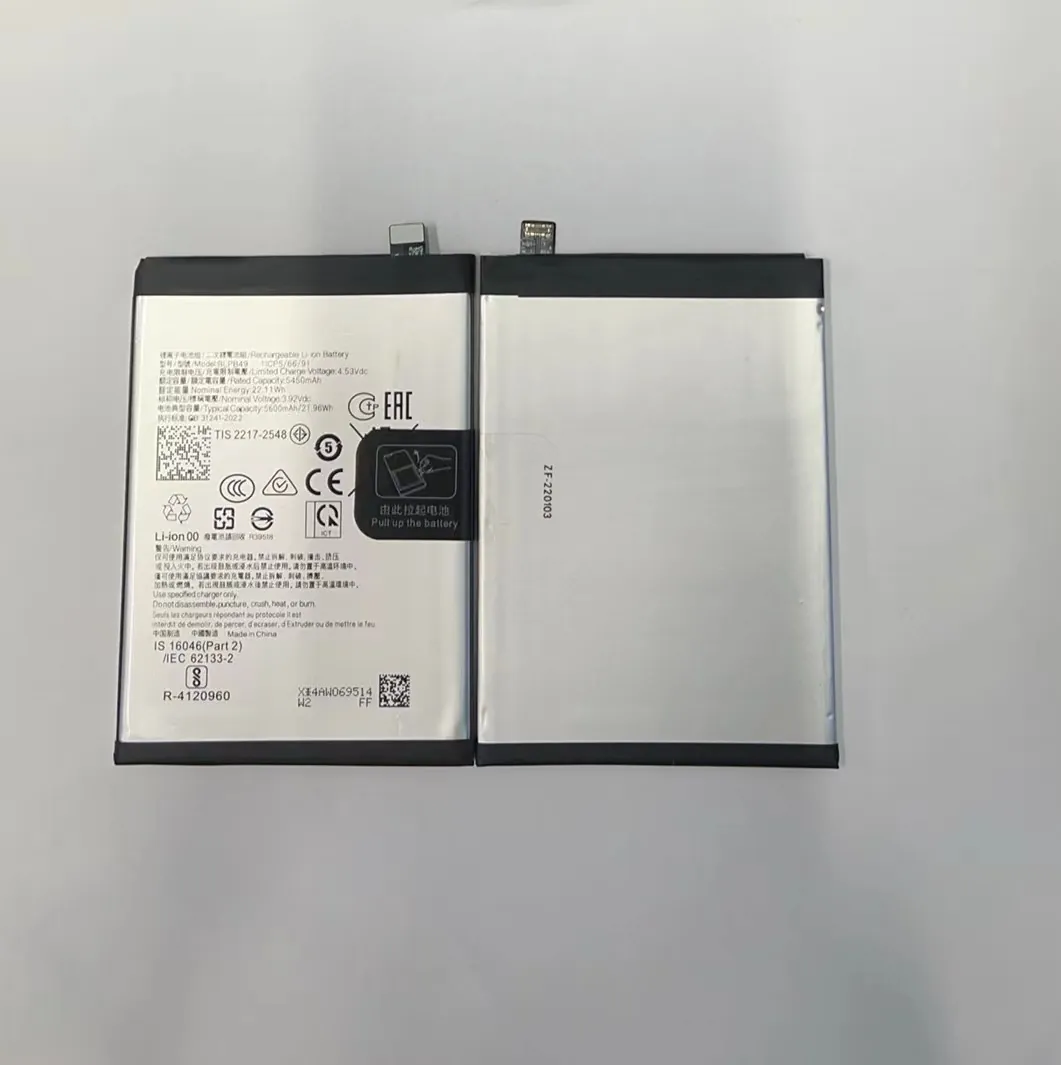
One of the most common methods is the saltwater + paper + coin stack, known as the penny battery. Here's how it works:
- Paper is soaked in salt water (acts as an electrolyte)
- Alternating copper and zinc coins are stacked with the soaked paper between them
- This setup produces a small amount of electricity (in millivolts)
Can it charge a phone?
No. Even 20 layers of a penny battery setup can’t generate the 5V and at least 1A required to charge a phone.
| DIY Method | Output | Phone Charging Capable? |
|---|---|---|
| Penny battery with paper | ~1V | ❌ |
| Water-activated “paper battery” demo | ~1.5V | ❌ |
| Folded aluminum + graphite paper idea | ❌ | ❌ |
These DIY projects are fun for students, but not useful for actual phone charging.
Is it safe to use paper in battery charging hacks?
Trying to charge a phone using homemade hacks involving paper isn’t just ineffective—it can be dangerous.
Using paper in DIY charging setups can cause shorts, overheating, and even damage your device. It’s not recommended.
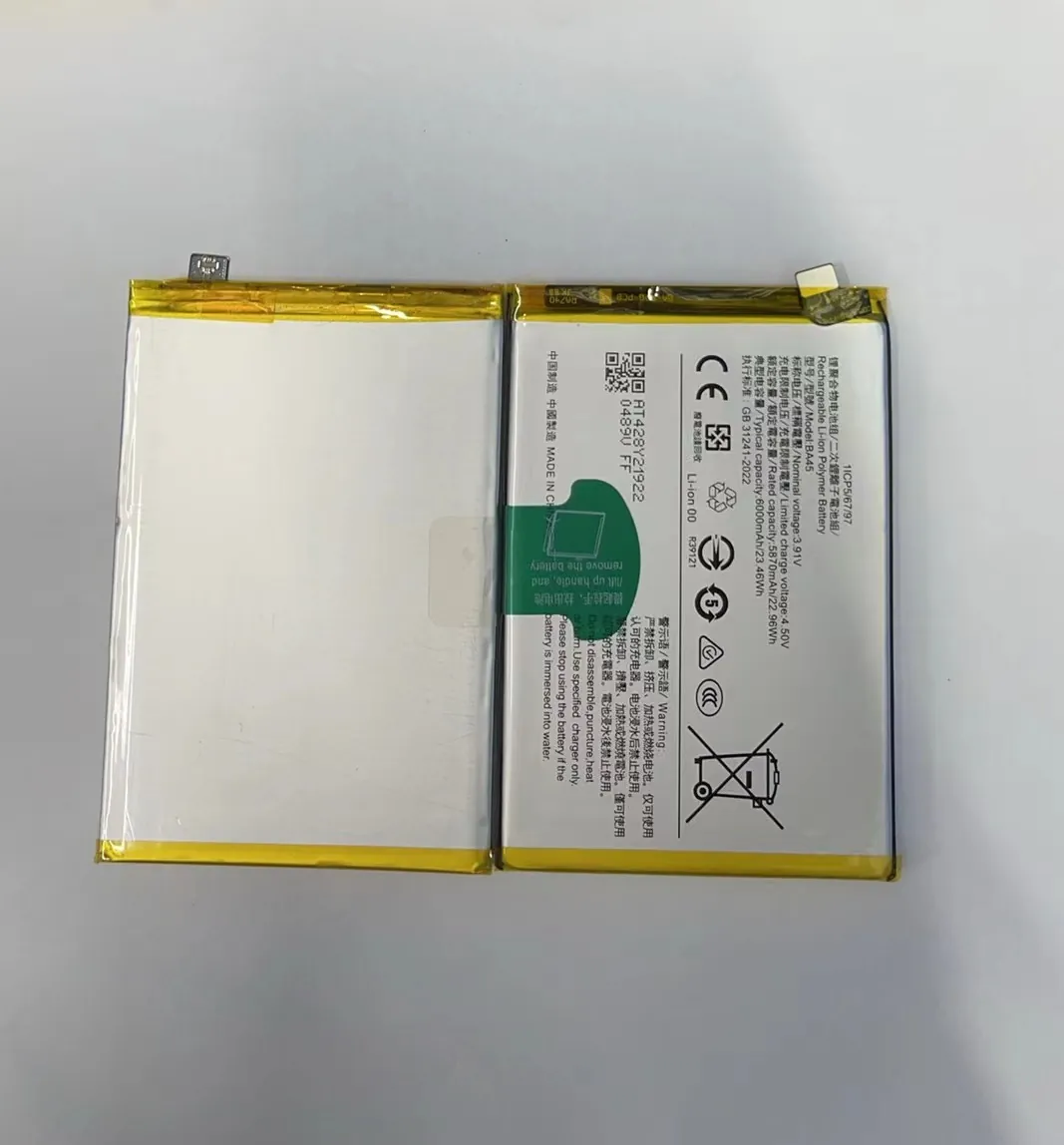
Paper is flammable. If you mix it with metal components or liquids and try to connect it to a power source, things can go wrong quickly.
Safety concerns
-
Paper burns easily.
If something shorts or sparks, fire risk is high. -
No voltage regulation.
Phones need stable, regulated power (usually 5V). Paper circuits can't provide that. -
Poor connection quality.
Loose setups with foil, wires, and paper can cause inconsistent currents that confuse your phone’s power management system.
| Risk Type | Cause | Consequence |
|---|---|---|
| Fire hazard | Paper igniting from short | Damage or injury |
| Device damage | Irregular voltage/current | Fried charging IC chip |
| Electric shock | Using external power source | User danger |
Never plug an unstable or experimental setup into your actual phone. Instead, if you're curious, use a USB tester or power meter to measure current flow without connecting a real device.
Are there real examples of paper charging phones?
In research labs, yes. But not in everyday use.
Some scientific teams have created flexible “paper-based” batteries, but they are not yet powerful enough to charge smartphones.
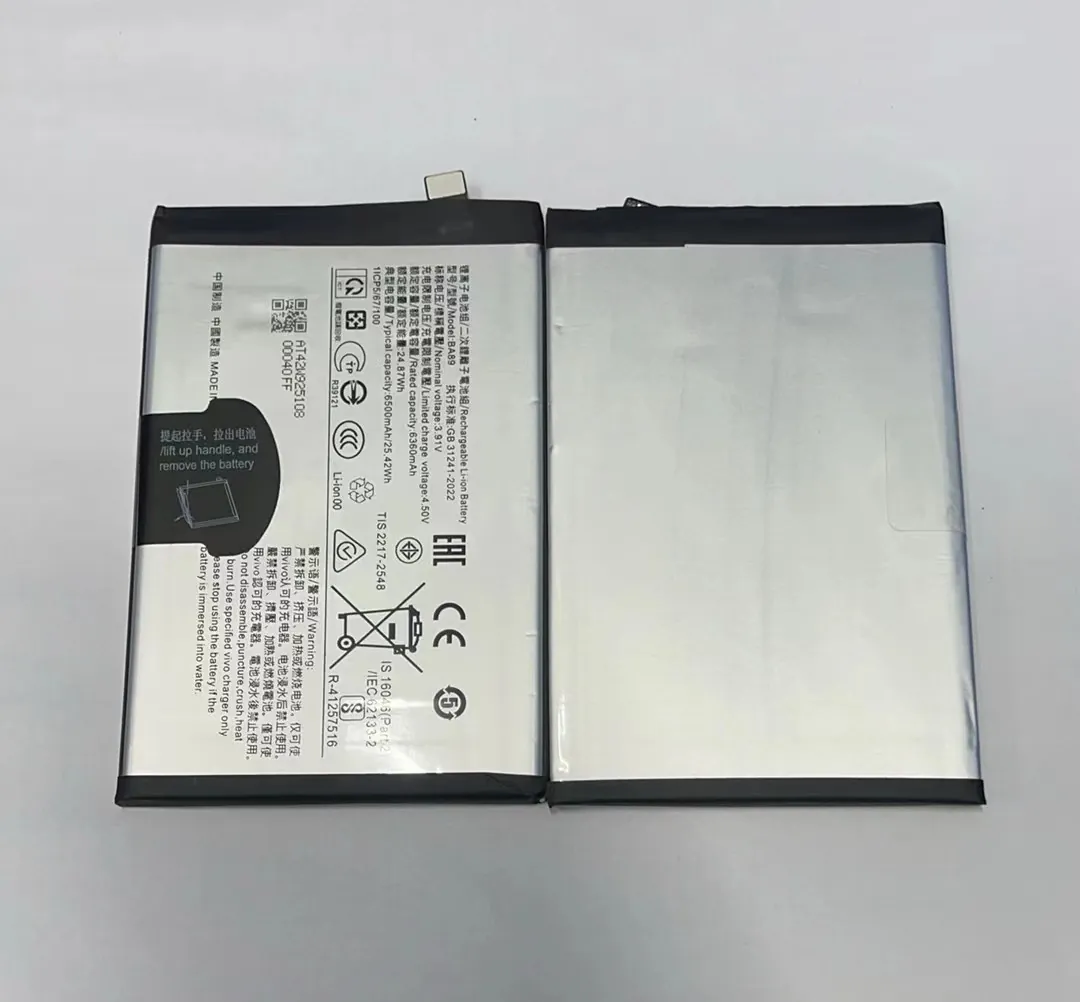
These paper batteries are used for:
- Medical sensors
- Environmental monitoring
- Disposable electronics
But even the most advanced prototypes today can only deliver power in the micro- or milliamp range—far below what your phone needs.
Recent innovations
- A team turned recycled paper into carbon electrodes for lithium batteries.
- Some labs built biodegradable batteries using paper and salt water.
- Researchers at Binghamton University built a paper-based microbial fuel cell.
Why can’t they charge phones yet?
Because:
- Their energy density is low
- Their current output is weak
- Their lifespan is short
- Their charging regulation is non-existent
| Project | Year | Application Area | Phone Charging Possible? |
|---|---|---|---|
| Paper microbial fuel cell | 2022 | Biosensors | ❌ |
| Paper-lithium hybrid cell | 2023 | Wearables | ❌ |
| Conductive ink paper cell | 2021 | Smart packaging | ❌ |
So yes, paper is part of the future of flexible batteries—but don’t expect to charge your phone with it anytime soon.
Conclusion
Paper may play a role in battery research, but it can’t charge your phone. DIY paper charging hacks are mostly educational or fictional. Stick to certified chargers for safe and efficient charging—your phone (and safety) depends on it.
