
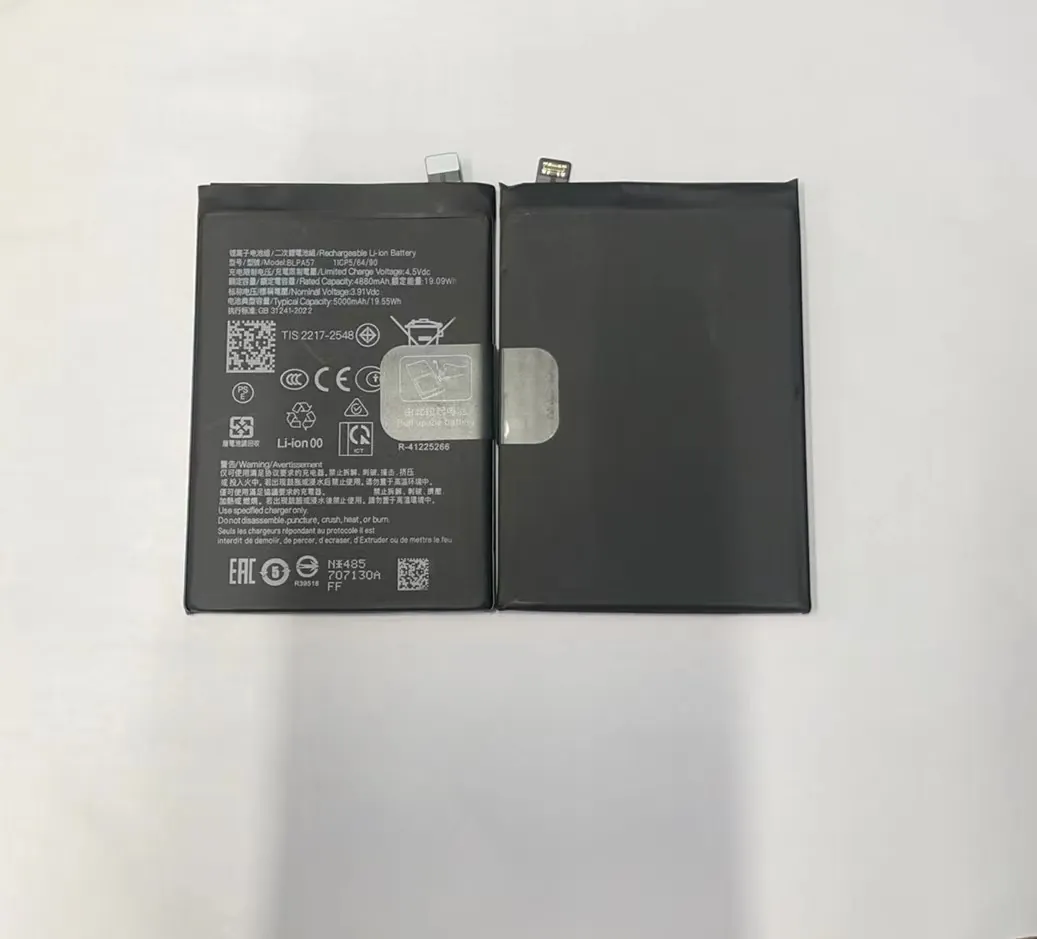
Sometimes the phone is damaged, but the battery is still good. In those moments, knowing how to charge a battery without the phone becomes crucial.
You can charge a mobile phone battery without the phone by using universal battery chargers, external battery packs, or DIY wiring setups that connect directly to the battery terminals.
There are several reliable and safe methods to power up a loose battery. Whether for data recovery or reuse, these methods are often used in repair shops or testing centers.
What are alternative ways to charge loose batteries?
People often think a phone is necessary to charge its battery. But when phones are broken, many batteries still have value. Let’s explore simple and common alternatives.
Loose batteries can be charged with universal battery chargers, adjustable power adapters, or by directly connecting to charging ports with test wires and crocodile clips.
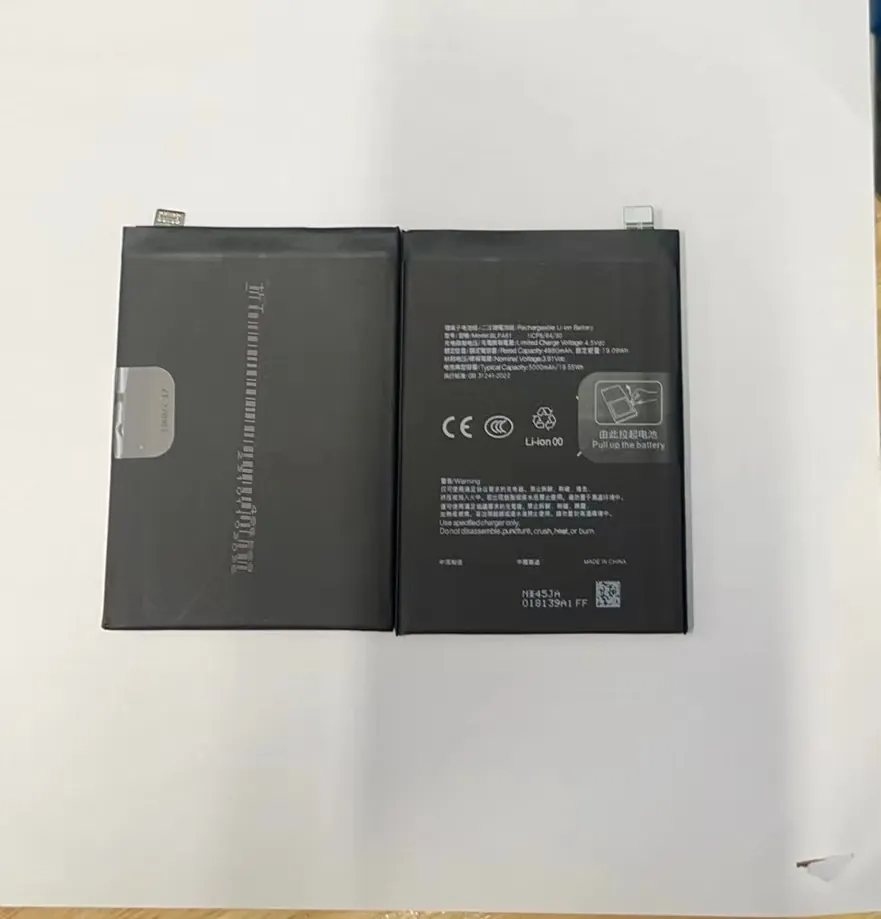
Universal Battery Chargers
These chargers have spring-loaded contacts that touch the battery terminals. They fit various sizes and are common in repair shops. Most are plug-and-play and work with lithium-ion batteries.
Adjustable Power Adapters
Some technicians use variable power supplies to send current directly to the battery. This requires knowing the battery’s voltage and current limits. A small mistake could cause overheating.
DIY Clip Charging
With a multimeter, you find the positive and negative terminals. Then connect wires with clips from a USB power source or a lab power supply. This is useful for temporary charging.
| Charging Method | Tools Needed | Safety Level | Skill Level |
|---|---|---|---|
| Universal Charger | Charger only | High | Easy |
| Adjustable Adapter | Power supply, probes | Medium | Intermediate |
| DIY Clip Charging | USB cable, clips, multimeter | Low | Advanced |
Each method has pros and cons. Universal chargers are best for non-experts. Others require experience to avoid damaging the battery or causing safety issues.
Is using a universal battery charger safe?
Loose batteries make people nervous. Safety is always a top concern. Universal chargers claim to be “safe,” but many worry about overcharging or short circuits.
Yes, most universal battery chargers are safe when used correctly. They include safety features like polarity detection, voltage limits, and overcharge protection.

How Universal Chargers Work
These chargers detect battery polarity automatically. Many models stop charging once full. They often work with lithium-ion or lithium-polymer batteries between 3.6V–4.2V.
Safety Features to Look For
- Polarity Protection: Prevents damage from reversed connections.
- Overcharge Cutoff: Stops charging when the battery is full.
- Voltage Display: Lets you monitor charging progress.
Safety Tips for Use
- Align Terminals Properly: Always match + and -.
- Don’t Leave Overnight: Remove after charging completes.
- Monitor Temperature: If the battery gets hot, stop immediately.
Here’s a checklist of do’s and don’ts:
| Action | Safe or Unsafe |
|---|---|
| Matching terminals | Safe |
| Charging puffy batteries | Unsafe |
| Charging overnight | Unsafe |
| Using a timer | Safe |
| Checking voltage before | Safe |
Universal chargers are helpful tools. When handled carefully, they are both effective and reliable.
How do external battery packs connect directly?
Many people use power banks daily. But some technicians use them in clever ways—to charge bare batteries. This needs the right cables and adapters.
External battery packs can charge loose batteries using output wires connected directly to the battery’s terminals, often with a USB-to-clip adapter or modified cable.

Modifying Power Banks for Direct Connection
Some repair professionals open a USB cable. They strip the red (positive) and black (negative) wires. These connect to the battery’s terminals using clips or solder.
USB to Battery Charging Adapters
There are ready-made cables for this task. These adapters come with banana plugs or alligator clips. They connect to any USB charger or power bank.
Voltage Considerations
Most phone batteries need 3.7V to 4.2V. USB outputs 5V, so a voltage regulator or buck converter is needed. Some DIY setups skip this, but that’s risky.
Limitations
- Slow charging
- No automatic cutoff
- Higher risk of overcharging
If used carefully, power banks can help revive batteries for temporary use. But they are not recommended for full charging cycles.
Can solar chargers power phone batteries directly?
Solar power is becoming popular. But can it charge a phone battery that’s not inside a phone? It seems tricky—but it’s possible with the right tools.
Yes, solar chargers can charge loose phone batteries using regulators and adapters that control output voltage and current.
Direct vs. Indirect Solar Charging
There are two methods:
- Direct Solar Charging: Connect solar panel to battery via clips.
- Indirect Charging: Use solar panel to charge a power bank, then transfer energy to the battery.
Needed Components
- Solar panel with 5V–6V output
- Voltage regulator (3.7V–4.2V)
- Charging controller module
- Wires and clips
Benefits
- Useful in emergencies
- No electricity needed
- Eco-friendly
Drawbacks
- Slow and inconsistent
- Requires sun
- Risk of undercharging
| Solar Charging Setup | Components Needed | Output Control | Recommended Use |
|---|---|---|---|
| Direct (basic) | Solar panel, clips | Low | Short charges |
| Regulated (advanced) | Panel, controller, regulator | High | Full charges |
| Indirect (via power bank) | Solar panel, power bank, USB adapter | Medium | Safer charging |
Solar charging works best for emergency use or light charging. It's not ideal for full charging cycles unless paired with proper electronics.
Conclusion
Charging a mobile phone battery without the phone is possible and practical. With tools like universal chargers, power banks, or solar panels, it's easy to power loose batteries safely and effectively.
