

Sometimes, when power goes out or you're far from an outlet, you still need to keep your phone charged. I’ve faced this more than once during trips or outdoor projects.
Yes — you can charge a mobile phone using batteries, but only with the right adapters, voltage control, and safety methods to avoid damaging your phone.
Let’s look at which adapters to use, how voltage is managed, why direct connections are dangerous, and how to charge safely.
What adapters support battery input?
Power from a battery isn’t the same as what your phone needs. Without an adapter, you can’t use batteries to charge your phone safely.
To use batteries, you need an adapter or circuit that takes the battery's voltage and converts it to a stable 5V or higher for your phone.
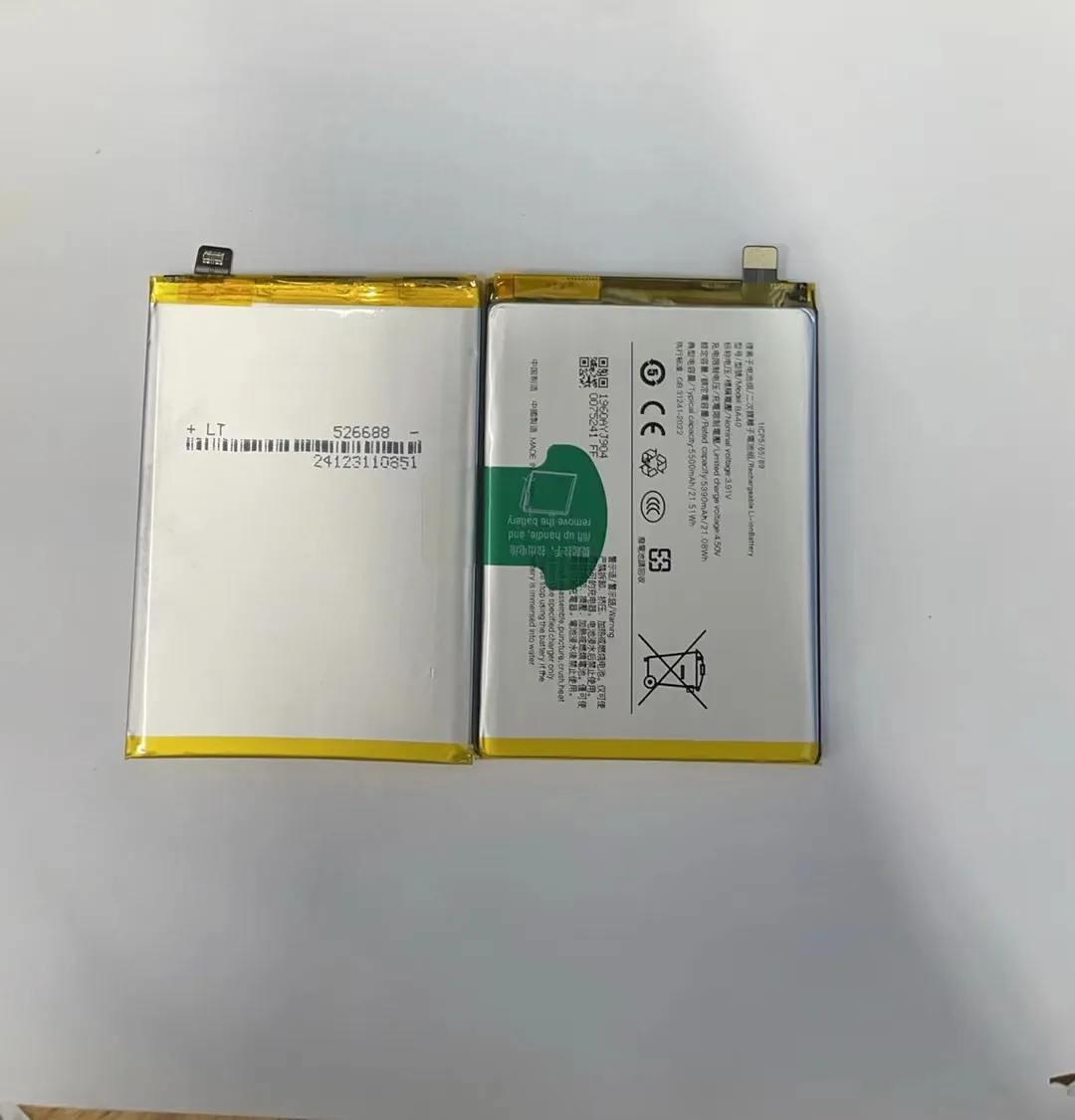
To make batteries charge your phone, you need an adapter that converts voltage. Most phones need 5V (standard USB), but many support fast charging at 9V or 12V.
Types of adapters that work:
| Adapter Type | Description | Best Use Case |
|---|---|---|
| Buck Converter | Lowers voltage | When battery voltage is higher than 5V |
| Boost Converter | Increases voltage | When using 3.7V lithium cells |
| Power Bank Module | Includes battery + converter | Best for mobile use |
| Buck-Boost Converter | Increases or lowers voltage | Handles wide voltage ranges |
Key features to look for:
- Input Voltage Range: Matches your battery
- Output Voltage: Matches your phone’s needs (usually 5V or 9V)
- Current Output: At least 2A for modern smartphones
- Protection: Over-voltage, over-current, and thermal shutoff
I once connected a 12V battery to a buck converter that stepped it down to 5V USB. It worked well, but I made sure to check the converter’s temperature and protect my phone using a USB tester.
Choosing the right adapter is the first and most important step. Without it, the battery’s raw power can harm your device.
How do boosters regulate voltage?
When batteries don’t give the exact voltage your phone needs, a voltage booster or regulator fixes that problem.
A booster increases low voltage to 5V or more, while a regulator keeps the voltage stable so your phone can charge safely.

Batteries don’t always stay at one voltage. A fresh lithium cell might start at 4.2V, but as it drains, it drops to 3V or less. That change causes problems if not corrected.
How boosters and regulators work:
- Input stage: Accepts unstable battery voltage.
- Control circuit: Boosts or reduces voltage to a set value.
- Output stage: Provides a stable voltage like 5V or 9V for the phone.
- Protection circuits: Prevent over-voltage or over-current situations.
Common modules for phone charging:
| Module Type | Input Range | Output | Notes |
|---|---|---|---|
| Boost Module | 3-4.5V | 5V | For single 18650 cells |
| Buck Module | 12V | 5V | For car or large battery use |
| Buck-Boost | 3-35V | 5V or 9V | For varying battery conditions |
A few years ago, I used a 3.7V battery pack with a boost module that stepped up the voltage to 5V. I noticed the module heated up under load, so I added a small heatsink and airflow to keep things safe.
Choosing a quality booster with stable output and enough current capacity makes your DIY power supply reliable and safe.
Why direct connection is risky?
It might seem simple to wire a battery directly to a USB plug, but doing that can damage your phone permanently.
Direct battery connection skips regulation, can send the wrong voltage, and lacks safety protection — this risks your phone’s battery, circuits, and even fire.

I’ve seen many people try to connect a 9V battery or even a 12V battery directly to a phone’s USB cable. That almost always ends badly.
Why this is dangerous:
- Over-voltage risk: Many batteries output more than 5V. Phones aren’t made for direct 7V or 12V input.
- No current control: Batteries can dump high current suddenly, which overheats the charging port.
- Voltage drop: As the battery drains, voltage drops. That causes unstable charging or charging interruptions.
- No safety: No short-circuit protection or overheat control means higher fire risk.
Real example:
| Setup | Risk Level | What Can Go Wrong |
|---|---|---|
| 9V battery directly to USB | High | Over-voltage damage |
| 12V car battery to phone | Very High | Phone may overheat or burn |
| 3.7V lithium cell with no boost | Medium | Phone may not charge or charge very slowly |
I once tried charging with a 9V battery using a DIY USB cable. The cable warmed up, and the phone didn’t charge. I later learned that even if voltage looks right, current and stability matter just as much.
Bottom line — never connect batteries directly to your phone. Always use a converter that controls and limits voltage and current.
Which methods improve safety?
To charge your phone safely with batteries, you need more than just the right voltage. Safety comes from using good tools, wiring properly, and watching for warning signs.
Use proper modules, monitor voltage and heat, choose the right wires, and avoid shortcuts to keep your phone safe during battery charging.
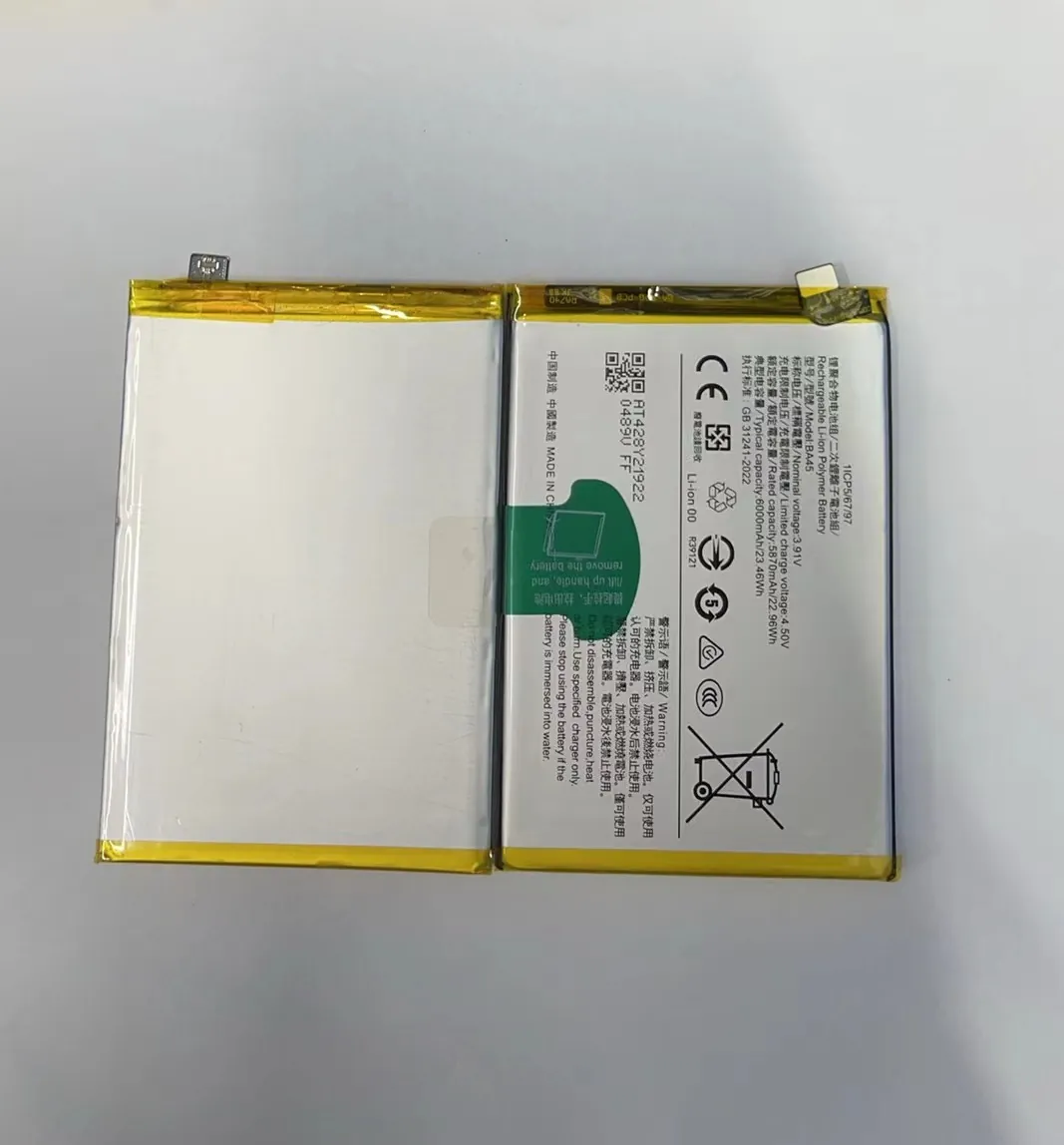
Charging phones from batteries can be done safely — but only when you prepare properly.
Safety methods I always follow:
- Use tested converters: Only buy modules with full specs and protection features.
- Watch temperatures: If your module or wires get hot, stop and check the setup.
- Use correct wires: Use thicker wires for high current (like 2A or more). Thin wires overheat.
- Secure connections: Loose connections lead to sparks or unstable voltage.
- Avoid cheap or unmarked parts: They may lack any protection or consistent performance.
Safety checklist before use:
| Item | Safe Range | Check |
|---|---|---|
| Battery voltage | 3.5V - 4.2V per cell | ✅ |
| Output voltage | 5V or phone-specific | ✅ |
| Max current | ≥ 2A | ✅ |
| Temperature | Below 60°C | ✅ |
| Module rating | Marked clearly | ✅ |
| Wires secure | No movement/sparks | ✅ |
In my workshop, I once tested a cheap module that claimed to boost to 5V. It worked for 10 minutes, then failed and sent 8V to the output. That killed the phone's charging port. Since then, I always test modules on dummy loads before connecting real devices.
If you're building a mobile or off-grid charging solution, these safety steps are essential. They also build trust when you supply parts to others or recommend setups to clients.
Conclusion
Charging a phone from batteries works well — as long as you choose the right adapters, control voltage with a regulator, never connect batteries directly, and follow basic safety rules. With the right setup, battery-based charging can be both effective and safe.
