

I once found myself camping in the mountains with no electricity for miles. My phone was dying fast, and all I had were a few batteries in my gear. That moment led me to explore: can I really charge a mobile phone with just batteries?
Yes — a mobile phone can be charged with batteries, but only if you use proper voltage converters, safe wiring, and protective modules that deliver stable power.
Charging with batteries can be both safe and effective if you understand how to match the voltage, regulate output, and avoid dangerous setups. Let’s walk through how it all works.
What adapters support battery input?
When I first tried charging a phone from batteries, I realized something quickly — I couldn’t just plug them in. I needed the right adapter to match the phone’s voltage needs.
To charge your phone with batteries, use a DC-DC converter that takes your battery’s voltage and safely converts it to 5V or 9V USB output.
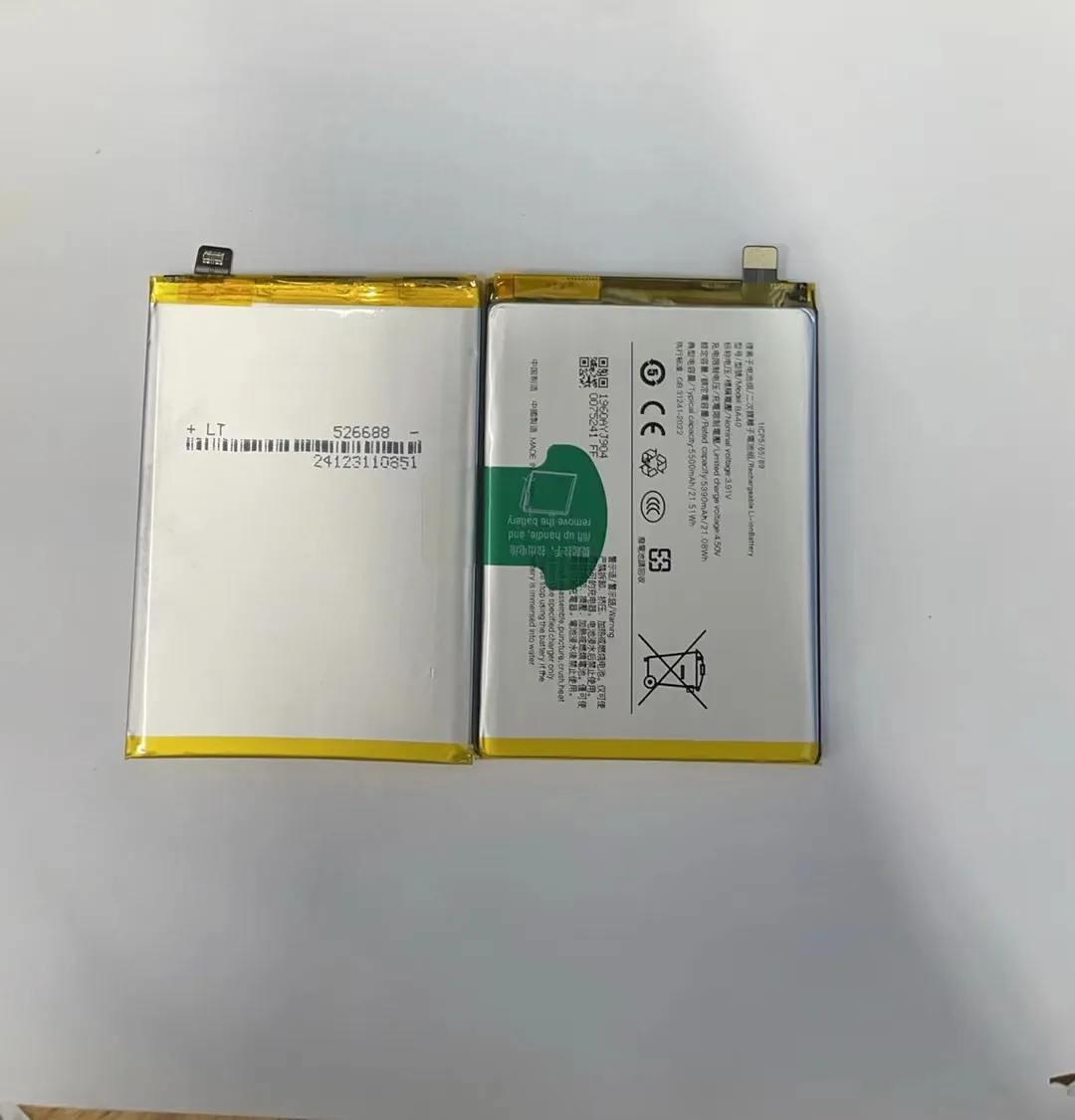
To do this right, you need a device that connects to your battery and outputs a stable voltage — usually 5V for most phones. Fast charging needs 9V or more. Here are your main options:
Types of battery-to-USB adapters
| Adapter Type | Function | Best For |
|---|---|---|
| Buck Converter | Lowers high battery voltage | 12V car battery to 5V |
| Boost Converter | Raises low battery voltage | Single 3.7V cell to 5V |
| Buck-Boost | Raises or lowers voltage | Mixed or unstable battery packs |
| Power Bank Circuit | Ready-to-use module | DIY mobile chargers |
Each module takes in power from a battery, adjusts the voltage, and outputs through a USB port to your phone.
What to check before using:
- Input voltage range: Should match your battery’s output.
- Output voltage: 5V for regular charge, 9V+ for fast charge.
- Output current: At least 2A for modern phones.
- Safety features: Over-voltage, short-circuit, and thermal protection.
When I built my first power pack using 18650 batteries, I used a boost converter with USB output. It took 3.7V and converted it to 5V. It was simple, safe, and worked well for emergencies.
Always make sure the adapter is not overloaded. If it gets hot, you might need a better one with higher power ratings.
How do boosters regulate voltage?
Batteries don’t keep the same voltage while discharging. That’s why you need something that can stabilize it — and that’s where voltage boosters come in.
Voltage boosters increase low battery voltage and regulate it so your phone gets a stable and safe charge.
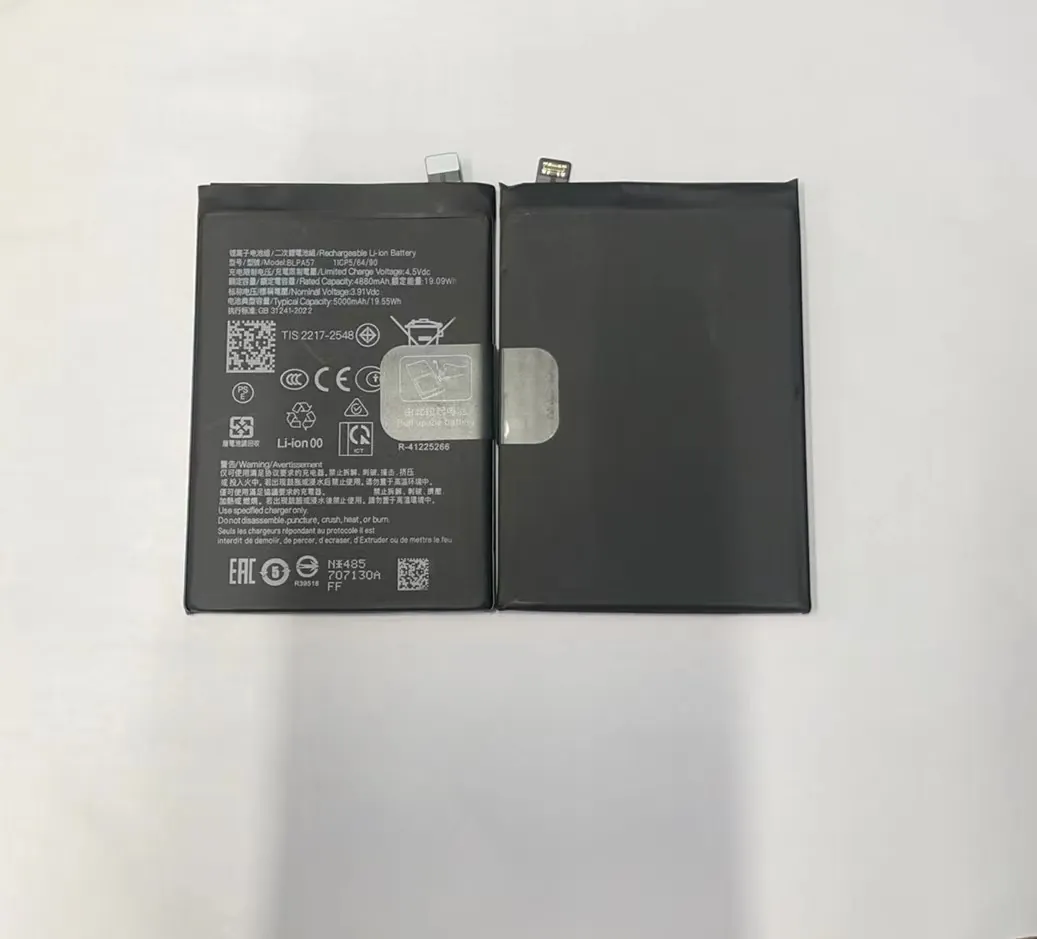
When you use batteries like 3.7V lithium-ion cells, their voltage drops as they drain. A phone won’t charge well if the voltage is too low or unstable. Here’s what boosters do:
How voltage boosters work:
- Input stage: Reads incoming battery voltage.
- Switching controller: Increases the voltage using a coil and switching components.
- Feedback system: Adjusts output in real time to stay steady.
- Output stage: Sends constant voltage (like 5V) to your phone.
Types of boosters and regulators
| Type | Input Voltage | Output Voltage | Use Case |
|---|---|---|---|
| Boost Converter | 3.0V–4.2V | 5V USB | Single cell power bank |
| Buck Converter | 9V–24V | 5V | Car battery setups |
| Buck-Boost | 3V–35V | 5V or 9V | Mixed battery sources |
Without regulation, your phone may keep connecting and disconnecting from power, especially as the battery drops.
I once used a boost module from a single lithium cell. The module kept 5V constant output even as the battery went from 4.2V to 3.2V. It saved my phone from unstable charging and gave me full control.
For long-term use, pick boosters with heat protection, low ripple, and enough current for your phone. Cheap boosters might overheat or fluctuate under load.
Why direct connection is risky?
You might be tempted to wire a battery straight to your phone’s charging port. I’ve seen it done — and I’ve seen phones get ruined because of it.
Connecting batteries directly to a phone is dangerous. Voltage may be too high or unstable, which can damage the phone or even start a fire.
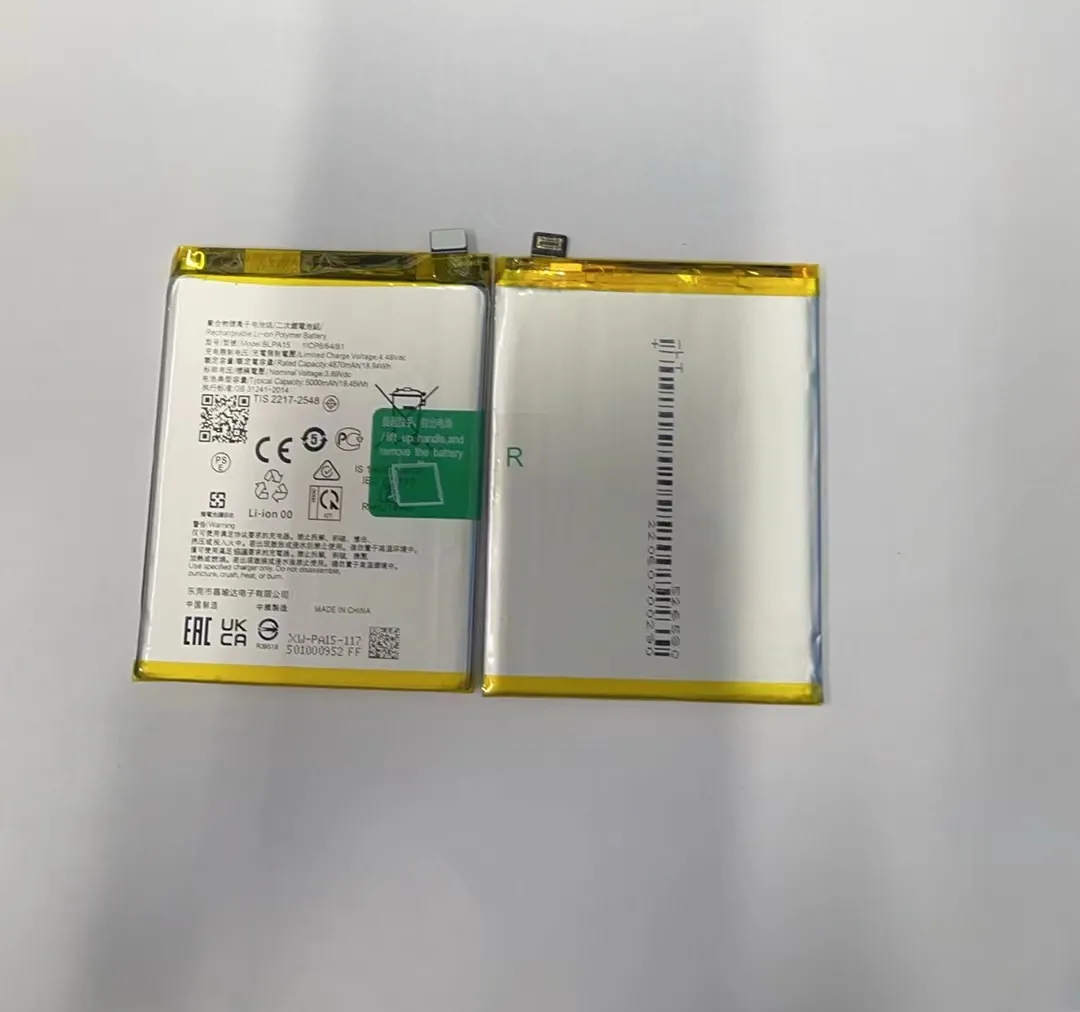
Most people don’t realize that phone charging circuits are very sensitive. They expect stable voltage with safety limits. Direct battery power skips all of that.
What goes wrong with direct battery connection:
- Over-voltage: A 9V battery sends too much power. Phone circuits can't handle it.
- No current control: If something shorts, the battery can release dangerous current.
- No regulation: As battery drains, voltage drops — and charging cuts out.
- Fire risk: No fuse or protection means overheating can lead to fire.
Direct connection vs regulated adapter
| Method | Voltage Control | Safety Features | Phone Protection |
|---|---|---|---|
| Direct Battery | None | None | Low |
| Converter Module | Stable 5V/9V | Short-circuit, thermal | High |
I once tested a 9V battery connected to a USB cable, just to see what happened. The phone gave a charging error immediately. It could have burned the charge chip if I’d let it run.
Always use proper modules. They exist for a reason — to protect both your power source and your expensive devices.
Which methods improve safety?
Charging a phone from batteries isn’t just about getting voltage right — it’s about keeping everything safe and under control.
To charge safely, use quality modules, check connections, monitor heat, and never ignore small signs of trouble.

Even if the voltage is perfect, poor wiring or cheap parts can lead to failure. Safety isn’t optional — especially when lithium batteries are involved.
Safe charging practices:
- Use thick wires: Avoid thin wires that heat up.
- Check battery voltage: Make sure it stays in the safe zone (3.2V–4.2V).
- Use modules with protections: Look for ones with thermal, current, and short-circuit safety.
- Avoid heat: If something feels hot, shut it down and fix the issue.
- Keep things secure: Loose wires can arc or disconnect suddenly.
Safety checklist
| Item | Good Range | My Notes |
|---|---|---|
| Battery Voltage | 3.2–4.2V | Below 3V damages battery |
| Output Voltage | 5V or 9V | Keep within phone range |
| Current Output | 1.5A–3A | For faster charging |
| Temperature | Below 60°C | Hot = danger |
| Wiring | Firm and short | No loose ends |
I once built a charger with a small plastic case and 18650 cells. During a test, one wire came loose, caused a short, and melted part of the case. After that, I used screw terminals and heat-shrink tubing for better safety.
Proper enclosures, clean wiring, and smart modules make a big difference. If you’re building your own charging setup, these habits will save you trouble later.
Conclusion
Charging a mobile phone with batteries is totally possible and often practical. But it only works well if you choose proper adapters, use voltage regulators, avoid direct wiring, and follow clear safety steps. With the right gear and setup, you’ll always have a backup when power is out.
