
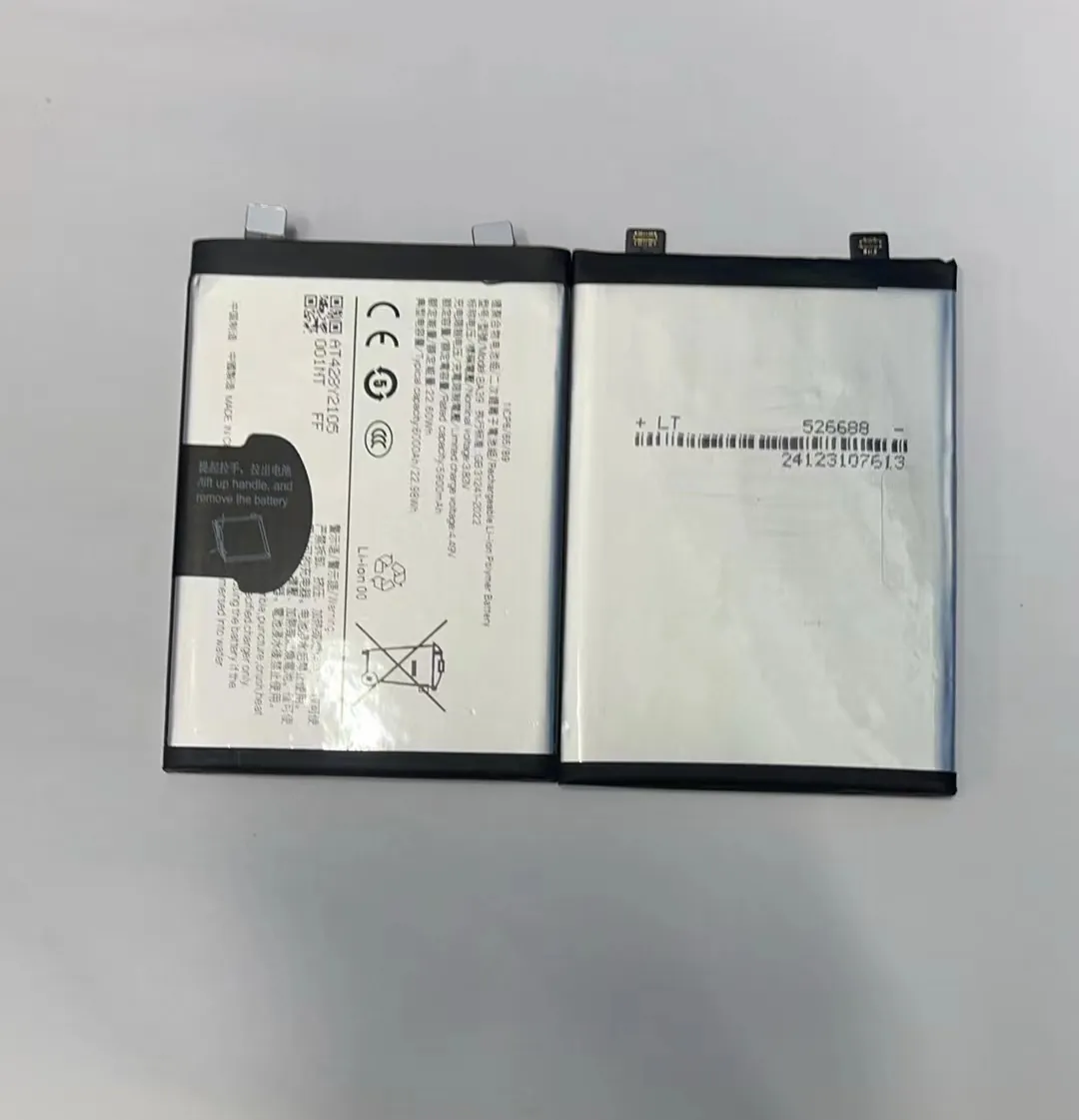
I’ve seen too many phones die young because people misuse their charging habits—don’t let yours.
Yes — you can charge your phone in a way that protects the battery and extends its life.
I’ll walk you through what works, what to avoid, and why it matters.
If you’ve ever wondered whether you’re charging your phone “wrong”, this guide will clear it up and help you build better habits.
What is the best charging percentage range?
It’s easy to charge to 100% and leave it there—but that can silently hurt your battery life.
The best charging range for a modern smartphone lithium‑ion battery is roughly between 20‑30% and 80‑90%.
Staying in that “middle” zone helps reduce stress on the battery.
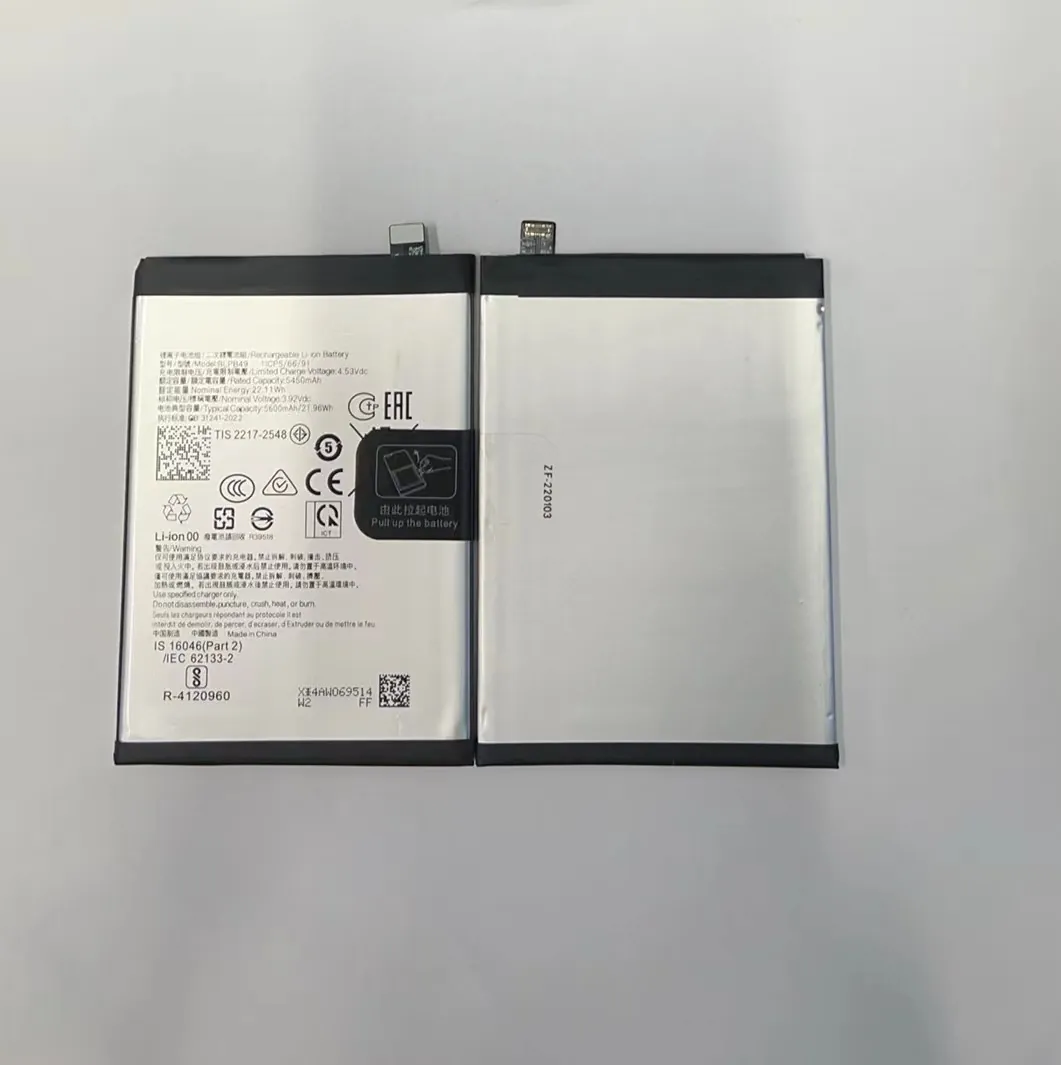
I remember when I first got a smartphone with 0‑100% routine every night—I thought that was fine. But over time, I noticed the battery dropped capacity faster than I expected. Modern phone batteries are lithium‑ion type, and they behave differently from old ones. For example:
- The company Samsung notes that letting the battery drain fully repeatedly shortens its life.
- Android Authority explains that “keeping your phone charged between 30‑80% is better for the battery’s lifespan” because high voltage and full cycles cause more stress.
Why this range matters
| State | What’s happening |
|---|---|
| Low (0‑20%) | The battery is under low charge, but discharging deep can increase wear. |
| High (90‑100%) | The battery sits at high voltage for long time, causing wear and heat. |
| Middle (30‑80%) | Voltage is moderate, which reduces stress and prolongs cycles. |
When you charge your phone fully to 100% and leave it plugged in, you often keep the battery at a high voltage, plus you may generate more heat (for example under a pillow, case, or overnight). This combination accelerates chemical aging inside the battery.
So, if you can, consider unplugging once around 80–90% and avoid letting it drop below ~20–30% frequently. I know life gets busy, so even changing the habit a little helps.
How often should I charge my phone daily?
You might think “charge once a day to 100%” is easiest—but small frequent top‑ups can be better.
It’s fine to charge your phone multiple times a day if needed — the key is to avoid full deep‑discharge cycles and keep the battery in the mid‑range.

In my work, I test many mobile devices and see patterns: users who wait until their phone is nearly dead then charge to full all the time tend to face quicker capacity decline. On the contrary, users who “top up” during the day (say charge at 30%, unplug at 80%) often report the phone still holds good capacity after a year or two.
Break it down
- Large full cycle (0‑100%): This is high stress on battery.
- Frequent partial cycles: Better for lifespan.
- Battery doesn’t mind multiple charges: Modern battery tech is built for it.
For example, one battery advice site says charging your phone in short spurts is okay and even beneficial for Li‑ion batteries.
Here are practical tips:
- If you’re at ~40% and you have a chance to plug in for 20‑30 minutes, go ahead.
- Don’t feel compelled to go until 100% each time if you don’t need to.
- Charging while the phone is cool (i.e., not heavy use, not hot environment) is better.
By charging more often but staying in the safe range, you reduce the number of “full cycles” the battery experiences, which helps longevity.
Why should I avoid overnight charging?
Plugging in your phone before bed and waking up to a full charge seems convenient—but it may cost your battery in the long run.
Overnight charging often keeps the battery at 100% for hours and under higher heat, which can accelerate battery aging.

When I began observing phone batteries more carefully, I noticed many users plug in before sleep and leave the phone under a pillow, in a case, or on soft bedding. That leads to extra heat and keeps the battery at max charge for long time. Here’s what happens:
What overnight charging introduces
- Trickle charging: After 100% the charger may still supply small current to maintain full charge. That means the battery isn’t idle, it’s undergoing small cycles.
- Heat: Phones generate extra heat when charging near full or while being used. Heat is one of the biggest foes of battery lifespan.
- High voltage time: The longer a battery sits at 100% in a charged state, the more chemical stress it undertakes.
If you keep your phone only for 1‑2 years, this might not be a huge issue. However, if you plan to use it longer (say 3‑4 years) this practice can shorten the useful life.
How I suggest handling overnight charging
| Practice | Better Habit |
|---|---|
| Plug in at 10pm, unplug at 7am | Use charge limiter or plug in 1–2 hours before waking |
| Phone under pillow | Charge on hard surface, away from bedding |
| Thick case on | Remove case during overnight charge |
By reducing overnight full‑charge stays you reduce the “full high‑voltage + warm temperature” time that shortens battery health.
Does fast charging reduce battery lifespan?
We live fast‑paced lives and fast charging seems like a blessing—but is it silently damaging the battery?
In modern smartphones, fast charging does not significantly reduce battery lifespan when done with proper chargers and protocols.
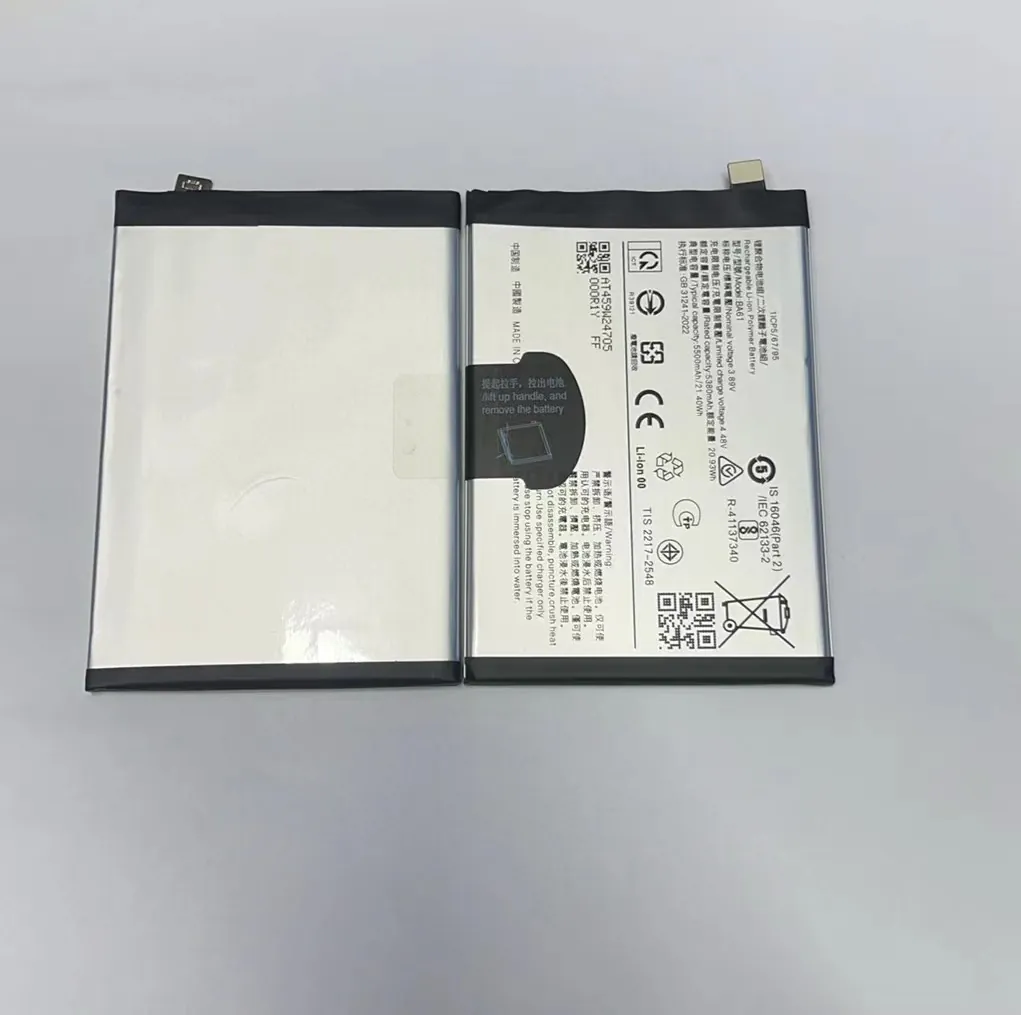
I used to be sceptical of “fast charging is bad” messages. After digging into recent tests and articles I found the reality is more nuanced.
What the data shows
- A test found that after 500 charge cycles using fast charging, batteries experienced only ~0.3‑0.5% lower capacity compared to slower charging.
- Another article states that fast charging can affect battery life if done poorly (cheap charger, poor protocol, high heat), but with correct infrastructure it’s safe.
Bottom line
- If your phone and charger support the right fast‑charge protocol (USB PD, PPS, or manufacturer standard) and the phone stays cool, fast charging is fine.
- If you use cheap third‑party chargers, run the phone while charging, or it heats up a lot – that can worsen battery health.
My personal take
When I'm travelling and need a quick top‑up, I use fast charging without worry. But when I'm at home and not pressed for time, I may plug in earlier and unplug at 80% just for peace of mind. It’s about convenience balanced with battery care.
Conclusion
We’ve walked through how to charge your phone battery in a way that maximises its lifespan and keeps it healthy. If you stick to the middle charging range, avoid leaving it at 100% for long periods, charge smart (not just full cycles), and use good chargers for fast charging when needed—you’ll be doing the right thing. Your phone battery will thank you.
