
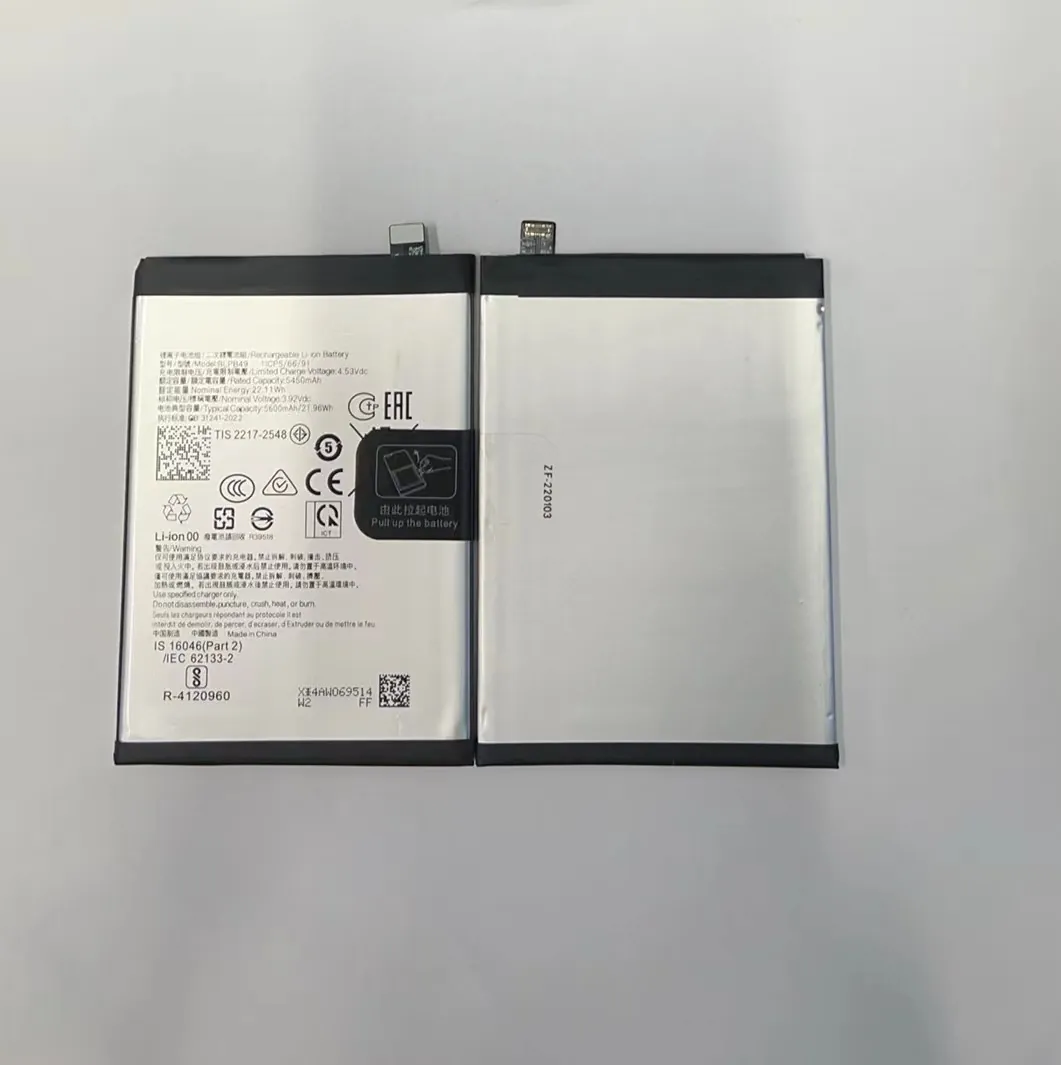
Most people hate waiting for their phone to charge. It wastes time, especially during busy workdays. This article shows how to charge faster with simple steps and smart settings.
To charge your phone battery faster, adjust power settings, use fast-charging cables, close background apps, and avoid using the device during charging. These actions help deliver more power, reduce battery stress, and save time.
If your phone charges slowly, don’t worry. There are ways to make charging more efficient without replacing your charger or phone. Let's look into what actually works.
What settings speed up charging?
Many phone users don’t know that settings can affect charging time. Keeping battery-hungry features on slows down the process.
Turning on airplane mode, reducing screen brightness, and enabling battery saver mode are the best settings to help your phone charge faster.
When your phone is charging, every active feature uses power. This includes Wi-Fi, Bluetooth, location services, and even notifications. If you leave them on, the phone uses power while trying to gain power, which slows down charging.
Top Settings That Boost Charging Speed
| Setting | Why It Helps |
|---|---|
| Airplane Mode | Disables network signals that use power constantly. |
| Battery Saver Mode | Cuts background activity and reduces performance. |
| Low Brightness | Reduces screen power usage, which is a big battery drain. |
| Disable Location Services | Stops GPS from consuming energy. |
Using these settings together can reduce charging time by up to 25%, depending on your phone. Airplane mode is one of the most effective. It stops cellular communication, Wi-Fi, and Bluetooth all at once. That reduces power usage immediately.
Also, most smartphones have built-in charging optimization. When battery saver is turned on, it not only saves power but also helps the phone avoid overheating. This keeps the charging speed steady and safe.
Another often ignored trick is turning off vibration feedback and automatic updates. These features may seem small, but together they pull power in the background.
By managing just a few basic settings, charging speed can improve a lot. It's simple, but very effective.
How does fast-charging technology work?
Fast-charging sounds great, but many people don’t understand how it works. Some even think it damages batteries.
Fast-charging works by increasing the amount of current or voltage going into the battery for a short time. This speeds up charging without harming the battery if managed correctly.
Fast-charging depends on both the charger and the phone. Not all phones support it. The charger must deliver more power, and the phone must accept it safely.
How Power Moves in Fast-Charging
| Power Type | Description | Voltage | Current |
|---|---|---|---|
| Standard USB | Slowest | 5V | 1A |
| Quick Charge (QC) | Fast | Up to 12V | Up to 3A |
| USB Power Delivery (PD) | Very fast | 5V–20V | Up to 5A |
Fast-charging chips inside the phone manage how much power the battery receives. At the start, charging is fast because batteries can take in more current. As the battery nears full, the charging slows down to protect it.
Most phones using Qualcomm Quick Charge or USB-PD can reach 50% in around 30 minutes. This doesn’t harm the battery because smart chips monitor temperature and voltage.
Some brands have added custom fast-charging systems. For example:
Common Fast-Charge Brands and Methods
- Apple uses USB Power Delivery.
- Samsung supports Adaptive Fast Charging.
- OPPO/Vivo use VOOC/Flash Charge with high current at low voltage.
All of these systems follow one rule: increase speed safely. Heat is a risk in fast-charging, but good phones have temperature control. Using original or certified chargers is key. Cheap or fake chargers can deliver unstable power, which leads to battery damage.
So, fast-charging works by pushing more power for a limited time, then dropping speed for battery safety.
Which habits reduce charging time?
Using the wrong habits makes charging slow. The good news is that changing just a few daily actions can make charging faster and better.
The best habits for faster charging include not using the phone while charging, using certified chargers, and charging before the battery drops too low.
One of the worst habits is using the phone while it's charging. This makes the phone hot and uses power at the same time. That makes charging slower and adds stress to the battery.
Smart Charging Habits to Follow
| Habit | Impact |
|---|---|
| Use original charger | Gives proper power and avoids overheating. |
| Charge above 20% | Keeps charging speed steady. Below 20%, the phone slows down. |
| Don’t use while charging | Lets all power go to the battery. |
| Avoid charging overnight | Stops overcharging and heat buildup. |
Some people wait until their phone dies before charging. That’s not good for lithium batteries. Charging before 20% keeps the battery healthy and improves how fast it charges.
Another important habit is to keep the phone cool. Heat is the enemy of batteries. Avoid charging in direct sunlight or hot rooms. Remove the phone case if it traps heat.
Also, keeping battery levels between 20% and 80% helps in the long run. It improves battery life and makes fast-charging more stable.
Charging habits matter more than most people think. Changing just one or two can save minutes every day.
Why disable apps while charging?
Phones run many apps in the background. Most people don’t even notice. But those apps use energy even when you're not using them.
Disabling apps during charging saves power and helps the battery charge faster because less energy is wasted on background activity.
Apps like social media, maps, or email sync keep working in the background. They update, send notifications, and use the internet. While your phone is charging, this background work consumes energy.
This means your charger works harder. It’s giving power, but apps are taking power at the same time. This slows down charging.
Apps That Commonly Drain Battery During Charging
| App Type | Examples | Why They Drain Battery |
|---|---|---|
| Social Media | Facebook, Instagram | Constant updates and syncing |
| Messaging | WhatsApp, Telegram | Background data and notifications |
| Navigation | Google Maps | Uses GPS in the background |
| Streaming | Spotify, YouTube | Downloads and caching |
To speed up charging, clear recent apps and disable background sync. On Android, you can go to Settings > Battery > App Usage to stop power-hungry apps. On iPhones, close apps manually and turn off Background App Refresh.
Another tip is to enable "Do Not Disturb" mode. This blocks incoming messages, calls, and pop-ups that wake the screen and use power.
Some users install apps that manage charging, but they’re not always reliable. Manual control is safer. Disabling background apps reduces heat, power loss, and charging time.
Keeping your phone clean from active apps during charging is simple and very helpful.
Conclusion
Charging your phone faster isn’t about buying new gear. It's about smart settings, habits, and knowing how your phone works. Small changes can save you a lot of time.
