
I remember a time when I had no plug for days. My phone battery dropped low and I felt stuck.
You can still charge your phone without power lines. You just need other energy sources like solar, power banks, or hand cranks. That fact matters if you travel, lose power, or work far from grid.
If you lost wall power, keep reading. I show you different ways to get energy. I explain how each method works. I show what works best in real life.
What external methods supply power?
I once stood beside a mountain cabin with no electricity. Phone battery was almost dead. I saw sunlight, a flowing stream, and I had a small power bank. I asked myself: which one could give me the power I needed fast?
Outside electricity, you can use solar energy, battery banks, or even pedal and crank devices. Each method brings electricity from natural energy or stored energy.
External power options summary
| Method | Energy Source | Typical Output / Speed |
|---|---|---|
| Solar panel charger | Sunlight / solar radiation | 5 W to 20 W (depends on panel) |
| Power bank | Stored lithium battery | 5 V, 1–2.4 A standard USB output |
| Manual crank or pedal charger | Human motion (crank, pedal) | 1–5 W, slow but usable |
| Car 12V adapter + cig lighter | Car battery via alternator | 5 V (USB) or 12 V output |
Often people think only about electricity from grid. But we forget stored or natural energy works too. For example, a charged power bank already holds energy inside. A solar panel converts sunlight. A crank charger uses your own muscles. A car adapter uses the car’s alternator to make 5 V for the phone.
These external methods matter when I travel off‑grid, when I face power outage, or when I work far from outlets. Each method has strengths and weaknesses. Solar depends on weather and daylight. Power bank needs prior charging. Manual chargers require effort and often give limited power. Car adapters depend on owning a vehicle.
I use power bank when I leave home. I use solar charger when I camp or work outdoors. If I hike long and have no bank or sun, I use a hand crank charger in emergencies. I never rely on one single method. I often carry at least two. That way I avoid the moment I panic about dead battery again.
How do power banks get charged?
I once saw a new power bank lying unused for months. I thought: how did it get charged? Where did the energy come from? I know it can power my phone later — but how does it fill its own battery first?
A power bank charges by drawing electricity from a wall outlet, solar panel, or computer USB port. Inside, a small lithium battery stores that energy for later use.
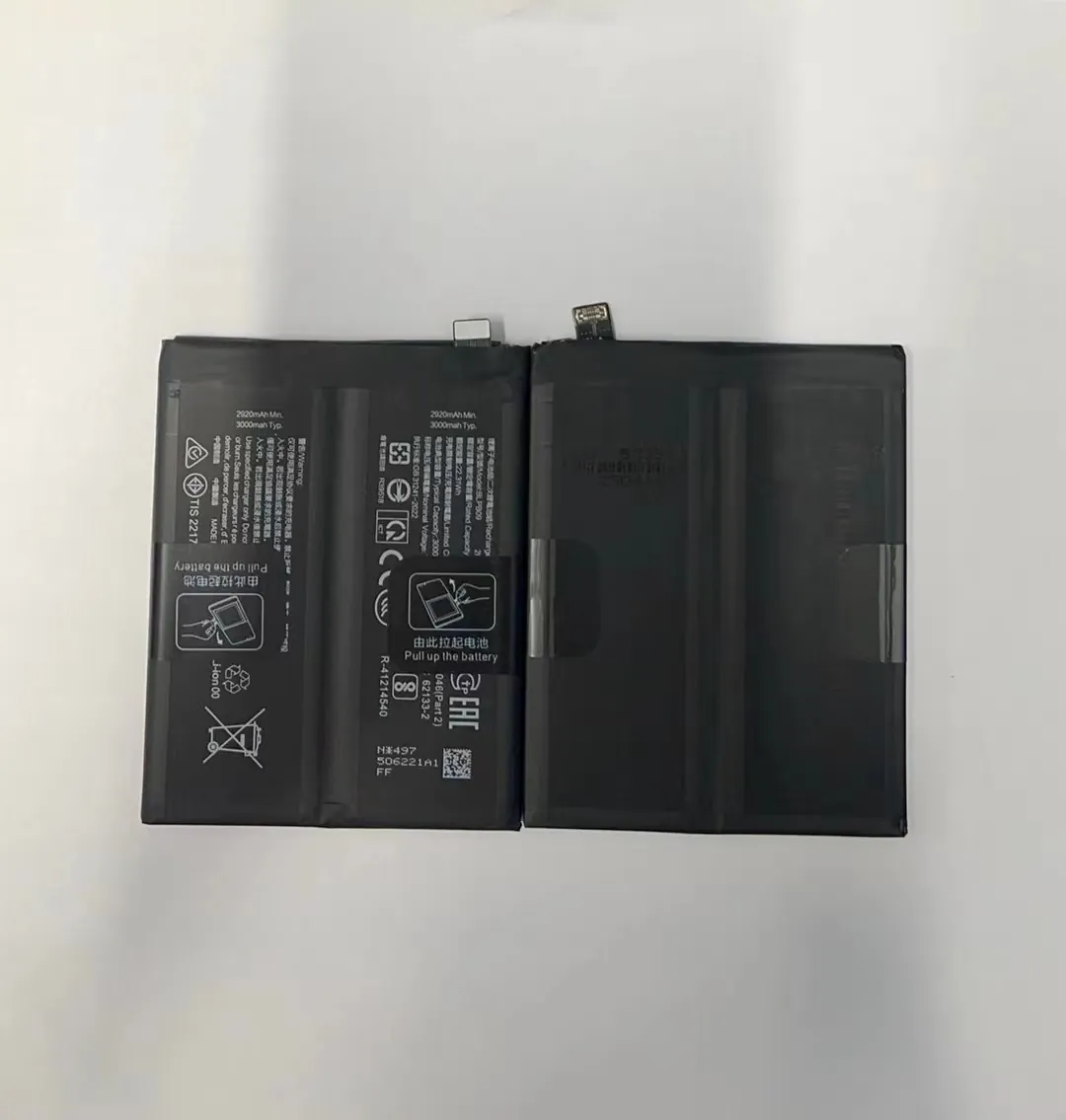
Inside a power bank: simple energy storage
Power banks work like small rechargeable battery boxes. They have lithium‑ion or lithium‑polymer cells inside. When I plug a bank into a wall charger, the charger pushes current into those cells. The battery inside stores the energy. When I later plug my phone, the bank gives out 5 V through USB port to charge the phone.
Ways I recharge a power bank
- Wall charger or phone charger: I use the original phone power adapter. It gives stable current to fill the bank.
- Laptop or desktop USB port: If I am at a computer, I plug the bank to USB port. It charges slowly but works.
- Solar panel + USB output: If I am outdoors, I connect the bank to solar charger panel. As long as sun is strong, the bank gets charged.
- Car adapter + USB: I plug the bank in a car’s USB or cigarette lighter socket when I travel by car. Bank charges using alternator power.
I learned that a big power bank (20000 mAh) when fully charged can charge my phone 4–5 times. So I treat the bank like a fuel tank. I refill it when I have electricity or sun. Then later I draw from it when I have none.
Using a power bank has many advantages. It is portable. It is fast. It does not depend on weather. It works at night. It works indoors or outdoors. I mostly trust a power bank because I control when to charge it and when to use it.
If I expect no electricity for days, I make sure to bring at least two power banks. I charge them ahead. I also carry the proper cable. That gives me peace of mind.
Why use solar panels?
I once walked through a desert area. The sun was strong. I had no outlet for days. I realized: the sun is still shining. I can use it. I can turn sunlight into power.
Solar panels let you turn free sunlight into electricity. That makes them ideal when you have no grid power and stay outdoors or off‑grid for a while.

Why solar works for me
I like solar panels because they give renewable power. The sun does not cost money. It does not run out (as long as the sun shines). I can recharge my phone or power bank while I work, hike, or relax under sunlight.
Solar panels give me freedom. I do not depend on wires, outlets, or other infrastructure. I do not need a car. I just need sunshine.
Considerations before relying on solar
| Factor | What I must know |
|---|---|
| Sunlight availability | Must be daytime, clear or partly clear sky |
| Panel size & power | Larger panels give more watts, charge faster |
| Charging electronics | Use solar charger with voltage regulation for phone safety |
| Storage | Use a power bank to store energy if charging at night |
I discovered some facts when I used solar. A small 5W panel can charge a phone slowly under good sun. A larger 10–20W panel works faster and can even charge a tablet or a bank.
If I plug a solar panel directly to a phone, the phone may refuse if current is unstable. So I prefer using solar to charge a power bank first. Then I use the bank to charge the phone. That way I get stable output.
I also make sure to place the panel at good angle. I face it toward sun. I avoid shade or partial cover. I also avoid too cold or too hot weather. Extreme heat or cold affects battery efficiency.
If I travel a lot or spend time outdoors — hiking, camping, working in remote area — I often carry a foldable solar charger. It folds small, light, and fits in a bag. I connect it to a power bank while I walk or rest. By evening I often have enough energy to light up and call home.
Solar gives me a reliable backup energy source. It works when power goes out, when I travel, when I work outdoors. It uses clean energy. It does not cause pollution. For me, solar is a smart choice if I want long‑term freedom from outlets.
Which manual chargers work best?
I once tried a hand‑crank charger in a forest. I turned the crank for many minutes. My arm hurt. My phone slowly gained a few percent battery. I thought: is this worth the effort?
Manual chargers — crank or pedal based — convert human energy into electricity. They are slow but useful when you have no sun, no car, no battery. They work in emergencies.

Manual charger types and why to pick them
| Charger type | Power generation method | Pros | Cons |
|---|---|---|---|
| Hand‑crank | Turn handle by hand | Works anytime, no sun needed | Very slow, tiring |
| Pedal‑powered | Pedal with legs (bike or stand) | Can produce more power if you pedal long | Requires more equipment, takes space |
| Dynamo + USB adapter (bike) | Bike motion converts to electricity | Good if you already ride a bike | Power fluctuates with speed, output low |
When manual chargers make sense
Manual chargers make sense in few cases:
- You are far from any electricity, no sun, no car, no battery bank.
- You have limited gear. A small crank charger fits in a bag pocket.
- You only need small charge, like sending message, calls, light up.
I carry a small crank charger when I hike remote areas. I treat it as emergency kit. I never expect it to fully charge phone quickly. I expect maybe 5–10% per 5–10 minutes of cranking.
Realistic use and tips
- I test the charger before trip. I make sure it gives stable 5 V.
- I use a charger with built‑in voltage regulator. This protects the phone battery.
- I combine with a small battery bank. I crank first to fill bank slightly, then later phone draws from bank. This avoids unstable output to phone.
- I keep expectations low. Manual chargers are backup, not main source.
If you try crank charger alone, charging will take a long time. For example, a typical phone battery (3000–4000 mAh) may need hours of continuous cranking. That is impractical. I prefer to use manual only for small top‑ups.
If you ride a bike, a dynamo + adapter is better. The motion of riding generates electricity. It can slowly support phone calls, GPS, and lights. It still depends on speed. On downhill you get little power. On uphill pedaling hard gives more.
Manual chargers give freedom from grid, sun, or car. They give energy when nothing else works. They remind me that human power still works. But they are slow. They need effort. I keep them as last resort.
Conclusion
I learned that charging a phone without electricity is possible. You can use solar panels, power banks, or even manual energy. Each method has pros and cons. I often mix methods to stay ready. With these tools, I never worry about dead battery again.
