

Most people only charge a phone by plugging it in. But what if the phone is broken or won’t turn on? Many then worry they cannot charge the battery. This situation feels stressful and confusing.
Charging a phone battery without the phone itself usually needs special tools like external chargers or charging docks. It is possible, but you must understand the tools and safety steps before you start.
You will learn different ways to charge a phone battery outside the phone. You will see what tools work, what risks to avoid, how charging docks work, and whether DIY charging is a good idea. By the end, you will know how to make the right choice when you need power without the phone.
Can you use an external charger for phone batteries?
Charging a battery outside its phone needs a device made for that battery type. You cannot just plug a battery in any charger. Many people ask if an external charger works like a phone’s charger. The short answer is yes, but you need the right kind.
An external charger made for the specific phone battery can charge the battery safely. These chargers hold the battery in place and apply the correct voltage so the battery gets power without damage.
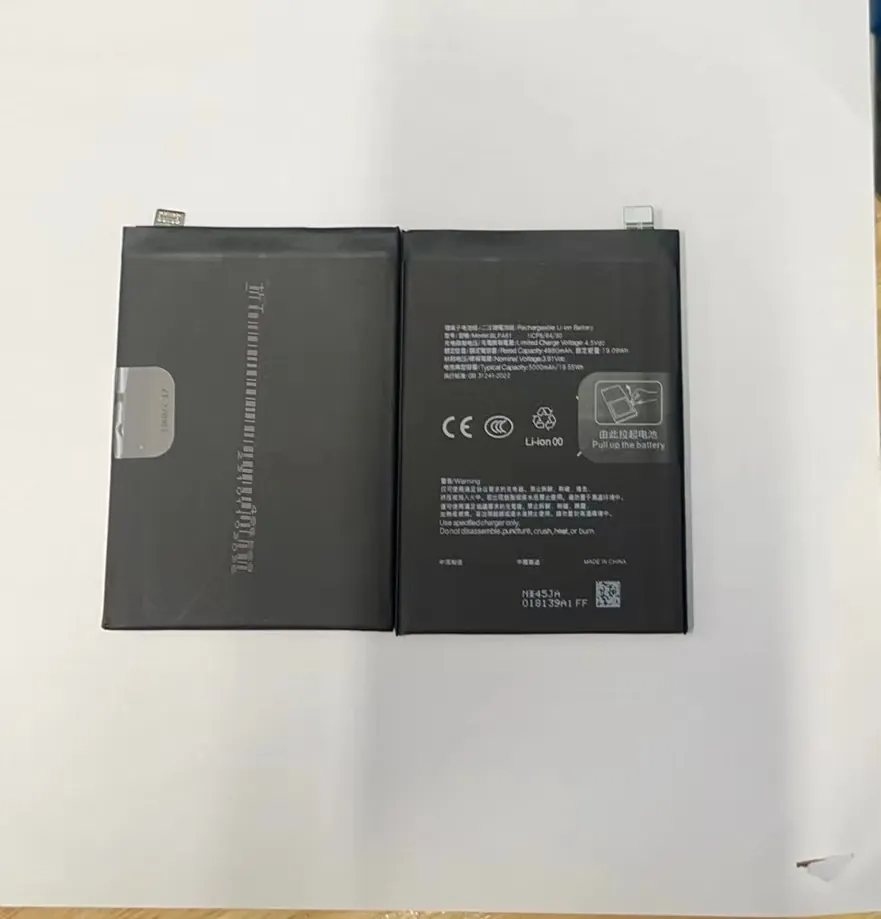
Using an external charger is common for devices used in repair shops. It lets technicians charge a battery after removing it from the phone. But not all chargers are the same. Some are universal, and some are made for one type of battery.
How External Chargers Work
External chargers usually have slots where you place the battery. The charger has contacts that match the battery’s contacts. When placed correctly, the charger sends current into the battery to refill its energy.
Some chargers show the battery level. Others stop charging when the battery is full. The safest ones have circuits that prevent overcharging.
Types of External Chargers
There are two main types:
| Charger Type | Works With Many Batteries | Shows Charge Level | Safety Features |
|---|---|---|---|
| Universal Charger | Yes | Sometimes | Varies |
| Model-Specific | No | Usually Yes | Better |
Universal chargers fit many battery sizes but may not match the exact contact layout. Model-specific chargers fit one battery type and give the best results.
Steps to Use an External Charger
- Turn off the charger.
- Match battery contacts with charger slots.
- Place the battery firmly.
- Plug in the charger and power it on.
- Wait until the charger signals full charge.
- Turn off and remove battery.
When External Chargers Are Used
External chargers are helpful in situations like:
- Phone is broken and won’t power on.
- You need to test battery health without the phone.
- Repair shops need to charge many batteries fast.
External chargers are useful but only if chosen correctly. The wrong charger can damage the battery or cause fire risk. Always use chargers made for phone batteries.
What risks come with charging batteries separately?
Charging a battery outside the phone seems simple, but it brings risks. Phone batteries are lithium‑ion or lithium‑polymer. These cells are sensitive to improper charging. A wrong charge method can damage the battery, shorten its life, or cause dangerous situations.
Charging batteries separately can lead to risks like overheating, short circuits, fire hazards, and permanent battery damage if done without proper tools and care.

Separate charging removes the phone’s built‑in protections. Phones usually monitor battery temperature and voltage. They stop charging when needed. External chargers may not have these protections. This raises safety concerns.
Main Risks of Independent Charging
1. Overheating
Charging creates heat. Too much heat can warp battery cells. Without proper control, battery can overheat quickly. Heat damages internal structure and may lead to swelling.
2. Overcharging
When a battery gets too much current after it is full, it can degrade or fail. Phone circuits usually stop charge at the right time. A poor external charger might not stop in time, causing stress on the battery.
3. Short Circuit
If contacts touch the wrong places on the battery, a short circuit can happen. This can lead to sparks or smoke. In worst cases, it can start a fire.
4. Fire or Explosion
Lithium batteries store lots of energy. If damaged or improperly charged, they can ignite. This is rare with correct tools, but it is serious if it happens.
How to Reduce Risks
You can make separate charging safer if you follow these points:
- Use chargers with built‑in protection circuits.
- Match the charger to the battery type and voltage.
- Avoid charging near flammable materials.
- Do not leave the battery unattended while charging.
- Stop if the battery gets too hot.
Table: Risk Comparison
| Risk Type | Cause | Effect | Safe Use Tip |
|---|---|---|---|
| Overheating | Poor current control | Battery swelling or damage | Use charger with temp sensors |
| Overcharging | No shut‑off protection | Short battery life | Choose charger with auto shut‑off |
| Short Circuit | Wrong contact alignment | Sparks or damage | Ensure correct fit in charger |
| Fire/Explosion | Extreme misuse or damage | Fire hazard | Place charger on non‑flammable surface |
Why Phone’s Own Circuits Matter
Phones include smart circuits that adjust charging speed depending on temperature and battery level. They can slow charge when warm. They know when to stop charging. When you remove the battery, you lose this smart control. Only a good external charger can partly replace it.
How do battery charging docks work?
Battery charging docks are tools that hold one or more batteries and charge them at the same time. They are common in repair shops and for people who need to manage many batteries. A charging dock is more advanced than a simple external charger. It often has features that improve safety and control.
Battery charging docks are devices that secure phone batteries and regulate the charging current and voltage. They often include protections and indicators that show battery status while charging.
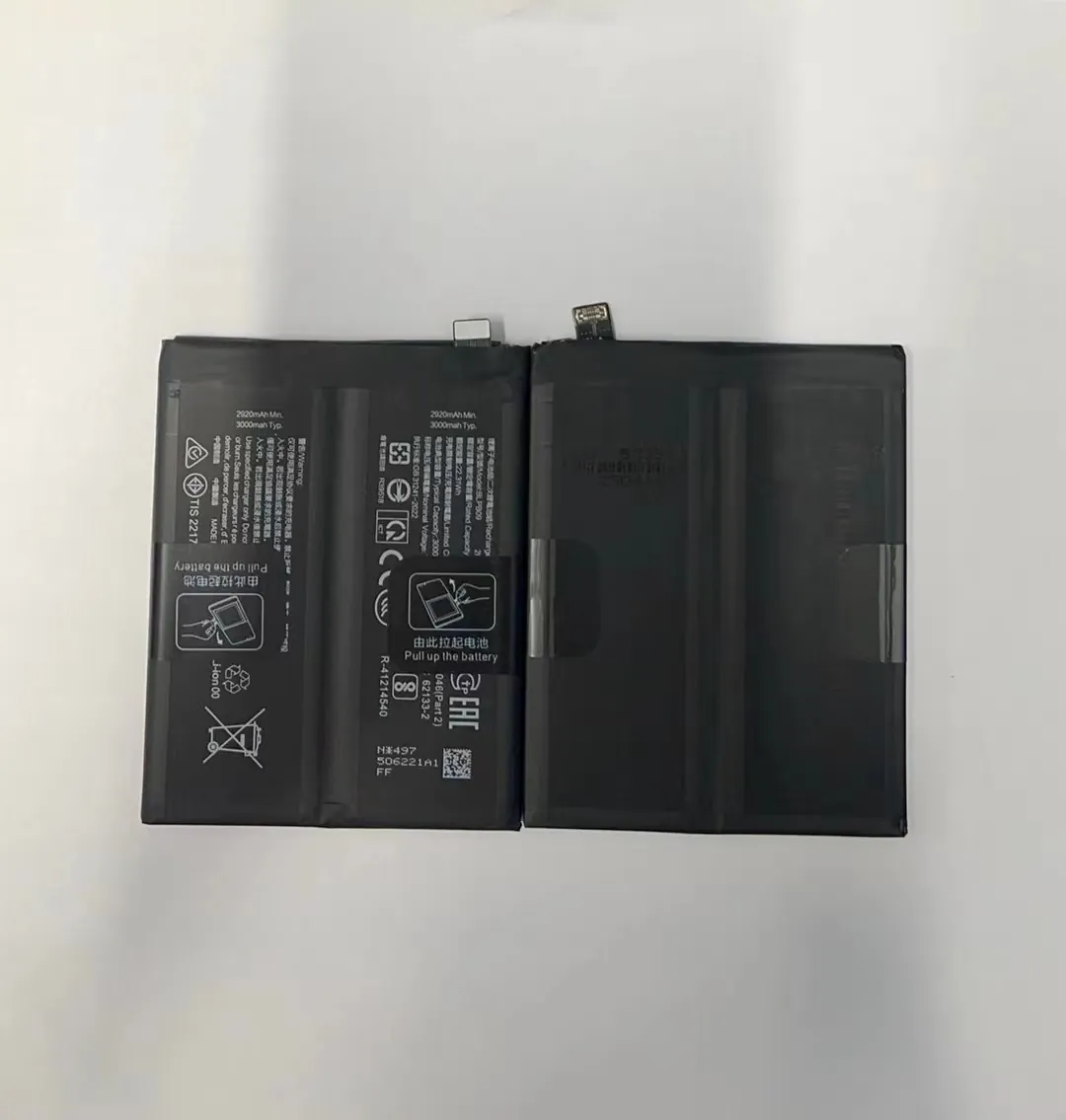
Charging docks are like power stations for batteries. They usually have slots shaped for specific battery types. A dock may handle two or more batteries. Some docks also let you test battery health.
Features of Charging Docks
Contact Alignment
Docks have contacts positioned exactly where the battery needs them. This prevents misalignment and short circuits.
Charging Indicators
Most docks show LEDs or screens that tell you the charge level. You can see when the battery is full or needs more time.
Safety Circuits
Good docks include circuits that:
- Stop charging when full
- Monitor temperature
- Control current
- Protect against overvoltage
Types of Charging Docks
| Dock Type | Number of Batteries | Display | Best Use Case |
|---|---|---|---|
| Single Battery Dock | 1 | LED | Home charging |
| Dual Battery Dock | 2 | LED | Small repair jobs |
| Multi‑Battery Station | 4+ | LCD | Busy repair shops |
| Smart Test Dock | 2 | LCD | Charging + testing |
How a Dock Charges
A charging dock connects to mains power. It converts AC to DC at the right voltage for the battery type. Each slot has a spring contact that presses on the battery’s terminals. Once placed, the battery begins to charge.
Smart docks slow the current when the battery is near full. This reduces stress and improves battery health.
Advantages of Charging Docks
- Charges multiple batteries at once
- Better safety than simple chargers
- Can provide basic battery diagnostics
- Keeps batteries stable and secure while charging
Disadvantages to Know
- More expensive than basic chargers
- Some docks are model‑specific
- Not all docks include smart protections
Using a Charging Dock Safely
When using a dock, follow these steps:
- Read the dock’s manual.
- Match the battery type.
- Place the battery gently in the correct slot.
- Start charging and observe indicators.
- Remove battery once full.
Charging docks bring more control and safety to the process. They are better than simple external chargers when you need repeat use or manage several batteries.
Is DIY battery charging a good idea?
Many people think they can rig a DIY charging method with wires and power adapters. This is risky. Batteries are sensitive. DIY charging can lead to damage or danger if not done correctly. You must understand battery chemistry and charging standards.
DIY battery charging is generally not a good idea unless you are trained and use proper equipment. Batteries are fragile and can be hazardous without correct charging control.
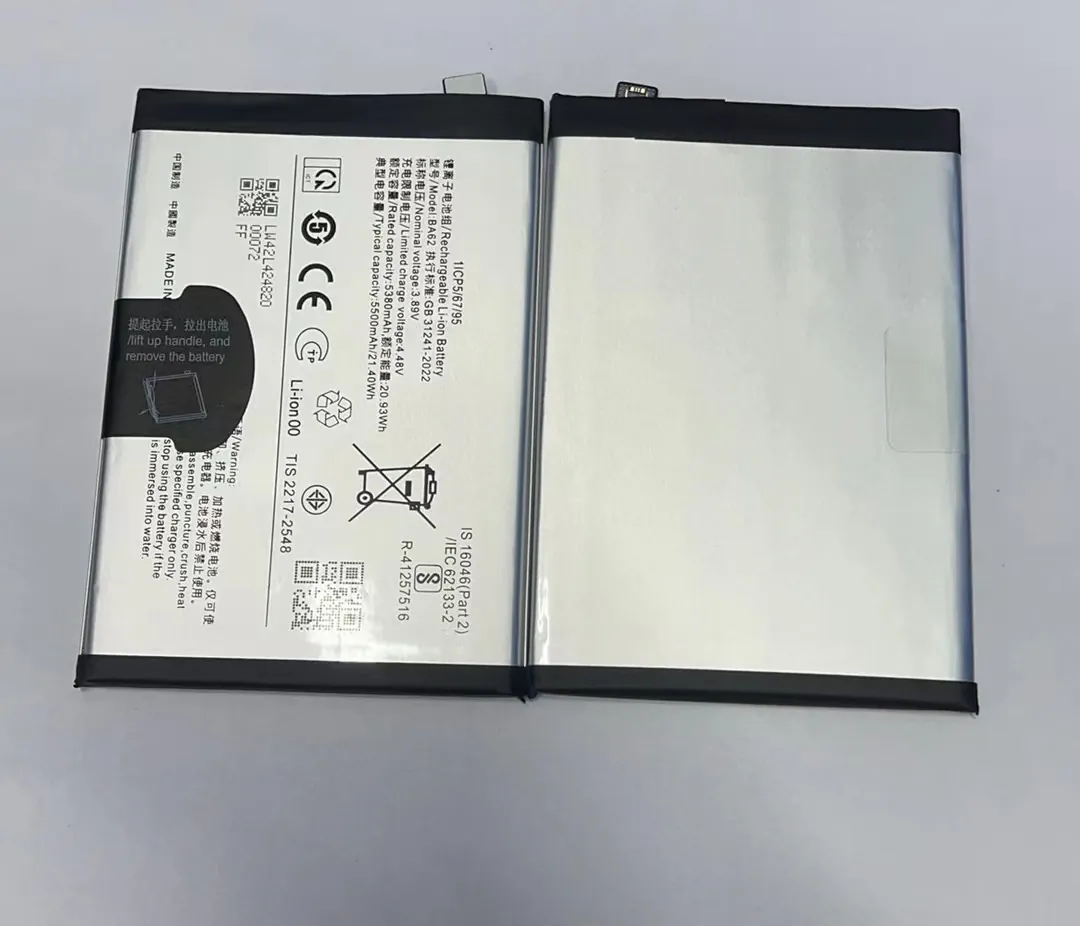
People often search tutorials online that show how to connect a battery directly to a charger. This is unsafe. A phone battery needs controlled current, correct voltage, and monitoring during charging.
Why DIY Charging Fails
Incorrect Voltage
Phone batteries need a specific voltage range. Too low and they won’t charge. Too high and the battery may fail.
Lack of Monitoring
DIY setups usually lack temperature and voltage monitoring. This means the battery can overheat or overcharge without warning.
No Safety Cutoffs
A proper charger will stop when the battery is full. DIY methods do not have these cutoffs.
When DIY Might Work
Only with advanced tools and skills can DIY setups be safer. These tools include:
- Adjustable power supply with current limit
- Proper connectors that match battery contacts
- Monitoring for temperature and voltage
- Protective circuits
Even with these tools, DIY charging is still risky for most people.
Table: DIY vs Proper Chargers
| Feature | DIY Setup | External Charger | Charging Dock |
|---|---|---|---|
| Correct Voltage Control | No | Yes | Yes |
| Temperature Monitoring | No | Sometimes | Yes |
| Automatic Cutoff | No | Sometimes | Yes |
| Ease of Use | Depends | Easy | Easy |
| Safety Level | Low | Medium | High |
Best Practices Instead of DIY
If your phone battery needs charging outside the phone:
- Use a model‑specific charger
- Buy a charging dock
- Take the battery to a repair shop
- Avoid homemade solutions
DIY setups might look cheap or quick, but they often cost more when batteries are damaged.
Conclusion
Charging a phone battery without the phone is possible but needs the right tools. External chargers and charging docks are the safest options. Charging batteries separately brings risks like overheating or fire if not done correctly. DIY charging is not recommended for most people. Always choose proper chargers and follow safety steps to protect the battery and yourself.
